

Customs Clearance China Netherlands: The Complete 2025 Importer Guide
Navigating the complexities of customs clearance china netherlands is a vital step for any business importing goods into the European market. Without a doubt, understanding the regulatory landscape ensures that your cargo moves through the Port of Rotterdam or Schiphol Airport without unnecessary delays. Consequently, importers must stay informed about the latest EU regulations and Dutch tax laws to maintain a seamless supply chain. This guide provides a comprehensive overview of everything you need to know about the import process from China to the Netherlands.
How Does the Customs Clearance China Netherlands Process Work?
The process of importing goods begins long before the vessel arrives at the Dutch border. Initially, you must ensure that your business has a valid Economic Operators Registration and Identification (EORI) number. This unique identifier is mandatory for all businesses interacting with EU customs authorities. Furthermore, your supplier in China must provide accurate documentation to prevent any discrepancies during the inspection phase.
Customs officials in the Netherlands utilize an automated system known as AGS for declarations. However, the system is transitioning to the new DMS (Declaration Management System) to align with the Union Customs Code. This shift requires importers to provide even more granular data regarding their shipments. Therefore, working with a knowledgeable partner is essential to navigate these digital requirements efficiently.
Specifically, the Dutch customs authorities focus heavily on safety, health, and environmental standards. If your products do not meet CE marking requirements or other EU safety directives, they may be seized at the border. Consequently, you should verify all compliance certifications before the cargo leaves the Chinese port of loading.
In addition, the Netherlands serves as a primary gateway for the rest of Europe. This means that goods cleared in Rotterdam can often be transported to Germany, France, or Belgium without further customs checks. This concept, known as free circulation, is a major advantage of using Dutch ports for your logistics strategy.
Essential Documentation for Customs Clearance China Netherlands
Accurate documentation serves as the backbone of successful international trade. For instance, the Commercial Invoice must clearly state the transaction value, currency, and detailed description of the goods. Meanwhile, the Packing List should specify the weight, dimensions, and contents of each individual package within the shipment.
Moreover, the Bill of Lading (B/L) or Air Waybill (AWB) acts as the contract of carriage and a document of title. You must ensure that the information on these documents matches the invoice exactly. Any inconsistency, however minor, can trigger a manual inspection and lead to significant storage fees at the terminal.
Additionally, certain products require a Certificate of Origin to qualify for preferential tariff treatments. While China and the EU do not currently have a comprehensive free trade agreement, specific products may still benefit from reduced rates under the Generalised Scheme of Preferences (GSP). Indeed, verifying the HS code for your products is the only way to determine the exact duty rate applicable.
| Commercial Invoice | Customs / Bank | Proof of Value | Must show HS Code |
| Packing List | Warehouse / Customs | Inventory Detail | Match B/L exactly |
| Bill of Lading | Carrier / Customs | Title of Goods | Required for release |
| EORI Number | Dutch Customs | ID for Importer | Must be EU-registered |
Understanding Import Duties and VAT Deferment
When importing from China, you are generally liable for two main costs: import duty and Value Added Tax (VAT). The duty rate depends on the HS code classification of your goods and can range from 0% to over 20%. For example, most electronic components have low duty rates, whereas textiles and bicycles often face higher tariffs and anti-dumping duties.
Fortunately, the Netherlands offers a unique advantage known as Article 23 VAT Deferment. This regulation allows importers to avoid paying VAT at the moment of import. Instead, the VAT is accounted for in the periodic VAT return, significantly improving your company’s cash flow. To benefit from this, you must apply for a specific permit from the Dutch Tax Authorities.
Furthermore, calculating the total landed cost is vital for your pricing strategy. This calculation includes the ocean freight, insurance, duties, and local handling charges. Consider using sea freight for larger volumes to keep your unit costs low while maintaining healthy margins.
Nevertheless, miscalculating duties can lead to unexpected expenses. Therefore, it is wise to consult with a professional broker who can provide a precise estimate based on current market trends. Indeed, staying compliant with tax laws is the best way to protect your business from audits and penalties.
How Does Sea Freight Compare to Other Shipping Options?
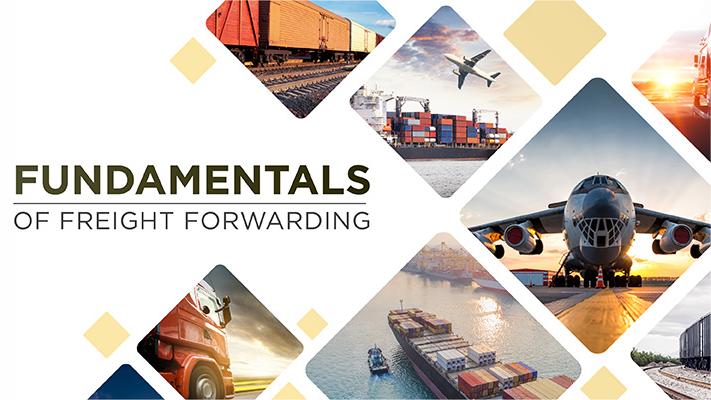
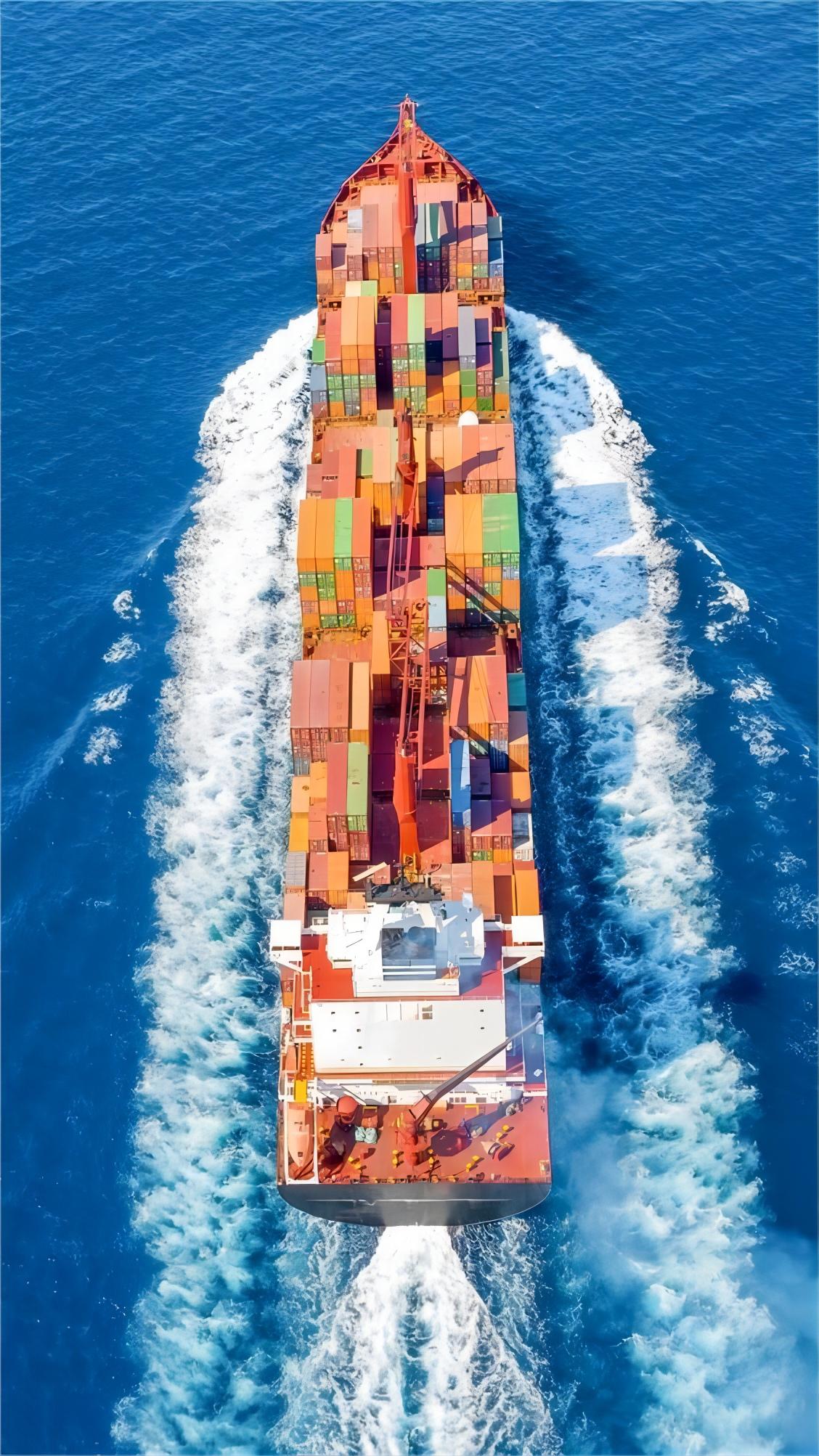
Selecting the right transport mode is a balancing act between cost and speed. Sea freight remains the most popular choice for bulk shipments due to its cost-effectiveness. However, the transit time is significantly longer than other methods, typically taking between 30 and 40 days. Consequently, you must plan your inventory levels well in advance.
In contrast, air freight offers the fastest delivery times, usually ranging from 3 to 7 days. This method is ideal for high-value goods, perishables, or urgent stock replenishments. Although the cost per kilogram is much higher, the reduced transit time can help you respond more quickly to market demands.
Meanwhile, rail freight has emerged as a reliable middle ground. The Iron Silk Road connects major Chinese hubs like Xi’an and Chengdu directly to European rail terminals. Consequently, rail transport offers faster delivery than sea and lower costs than air, making it an excellent choice for automotive parts and consumer electronics.
| Sea Freight (FCL) | $3,000 – $4,500 | 30-40 Days | Bulk / Heavy Cargo |
| Air Freight | $5.00 – $9.00/kg | 3-7 Days | Urgent / High Value |
| Rail Freight | $2,500 – $3,800 | 18-22 Days | Mid-size shipments |
| Express Service | $8.00 – $12.00/kg | 2-5 Days | Samples / Small parcels |
Alternative Strategies for Cost-Effective Logistics
To optimize your supply chain, you should consider hybrid solutions and alternative routes. For instance, sea-air combinations can offer a compromise between speed and price. This involves shipping goods by sea to a hub like Dubai and then flying them to Amsterdam. As a result, you save money compared to pure air freight while cutting transit time compared to pure sea freight.
Another effective strategy is utilizing Less than Container Load (LCL) shipping for smaller volumes. If you do not have enough cargo to fill a 20-foot container, LCL allows you to share space with other importers. However, keep in mind that LCL often involves more handling and a slightly higher risk of damage or delays during the consolidation process.
Furthermore, choosing door to door services can simplify the entire process. This comprehensive solution covers everything from factory pickup in China to final delivery at your warehouse in the Netherlands. Consequently, you can focus on your core business activities while the logistics provider manages the complexities of customs and transport.
Finally, always monitor the peak seasons in China, such as the weeks leading up to Chinese New Year. During these periods, freight rates can spike by 20-30%, and space becomes extremely limited. Therefore, booking your shipments at least 3-4 weeks in advance is highly recommended to secure favorable rates.
Which Option Should You Choose?
Your choice depends entirely on your specific business needs and cargo characteristics. If budget is your primary priority, sea freight is undoubtedly the best option for large volumes. On the other hand, if you are shipping seasonal goods with a short shelf life, the speed of air freight justifies the higher expense.
For those seeking a balance of efficiency and cost, rail freight is becoming increasingly popular. It provides a stable schedule and is less affected by port congestion than sea freight. Additionally, always factor in the cost of customs brokerage to ensure that your paperwork is handled by experts.
Moreover, consider the geographical location of your supplier in China. Shipping from inland cities might make rail freight more accessible, whereas coastal cities like Shenzhen or Ningbo are better suited for sea freight. By analyzing these factors, you can develop a robust logistics strategy that supports your growth in the Europe market.
Realistic Case Studies: China to Netherlands
Case Study 1: Electronics from Shenzhen to Rotterdam. A Dutch retailer imported 500 units of smart home devices using LCL sea freight. The cargo occupied 4 CBM. By using Article 23 VAT deferment, the company improved its cash flow by over 4,000 Euros. The total transit time from factory to warehouse was 38 days, and the total landed cost was well within their target margin.
Case Study 2: Industrial Machinery from Shanghai to Amsterdam. A manufacturing firm required an urgent replacement part weighing 150 kg. They chose air freight to minimize downtime. The shipment cleared customs at Schiphol within 24 hours of arrival. Although the shipping cost was high, it prevented a production halt that would have cost the company ten times the freight amount.
Case Study 3: Seasonal Textiles from Ningbo to Tilburg. During the Q4 peak season, an apparel brand used rail freight to avoid the congestion at the Port of Rotterdam. The shipment arrived in 20 days, allowing them to stock their shelves before the holiday rush. The rates were approximately 30% lower than air freight during the same period.
Customs Clearance China Netherlands: Case Examples
Case Study 1: Consumer Electronics Import Route: Shenzhen, China to Rotterdam, Netherlands Cargo: Smart Home Devices, 4 CBM, 850 kg Container: LCL Shipping Details: – Carrier: COSCO – Port of Loading: Shenzhen – Port of Discharge: Rotterdam – Route Type: Direct Cost Breakdown: – Ocean Freight: $450 – Origin Charges: $120 – Destination Charges: $280 – Customs and Duties: $1,200 – Total Landed Cost: $2,050 Timeline: – Booking to Loading: 5 days – Sea Transit: 32 days – Customs Clearance: 2 days – Total Door-to-Door: 42 days Key Insight: Utilizing LCL allowed the client to maintain low inventory levels without the cost of a full container.
Case Study 2: Urgent Spare Parts Delivery Route: Shanghai, China to Amsterdam, Netherlands Cargo: Industrial Pump Parts, 0.5 CBM, 120 kg Service: Air Freight Shipping Details: – Carrier: KLM Cargo – Port of Loading: Shanghai Pudong (PVG) – Port of Discharge: Amsterdam Schiphol (AMS) – Route Type: Direct Cost Breakdown: – Air Freight: $950 – Origin/Destination Charges: $150 – Customs and Duties: $400 – Total Landed Cost: $1,500 Timeline: – Booking to Loading: 1 day – Air Transit: 1 day – Customs Clearance: 1 day – Total Door-to-Door: 4 days Key Insight: Speed was the priority to prevent factory downtime, justifying the premium air freight cost.
Final Thoughts on Importing to the Netherlands
In summary, successful customs clearance china netherlands requires a combination of meticulous documentation, compliance with EU regulations, and a strategic choice of shipping methods. By leveraging Dutch tax advantages like Article 23 VAT deferment, businesses can significantly enhance their financial performance. Furthermore, staying proactive about market trends and potential disruptions will help you maintain a resilient supply chain.
As the global logistics landscape continues to evolve, having a reliable freight forwarding partner becomes even more critical. We recommend always verifying your HS codes and staying updated on the transition to new digital customs systems. With the right preparation, the Netherlands remains one of the most efficient and cost-effective gateways for your Chinese imports.
Ready to streamline your logistics?
Streamline your supply chain today by partnering with experts in customs clearance china netherlands. Whether you are shipping by sea, air, or rail, our team ensures your cargo reaches its destination efficiently and compliantly. Contact us now to receive a customized quote and discover how we can optimize your import process from China to the Netherlands.
Request Quote