

China Freight Forwarder Netherlands: The Ultimate 2025 Logistics Guide. Options: 1. China Freight Forwarder Netherlands
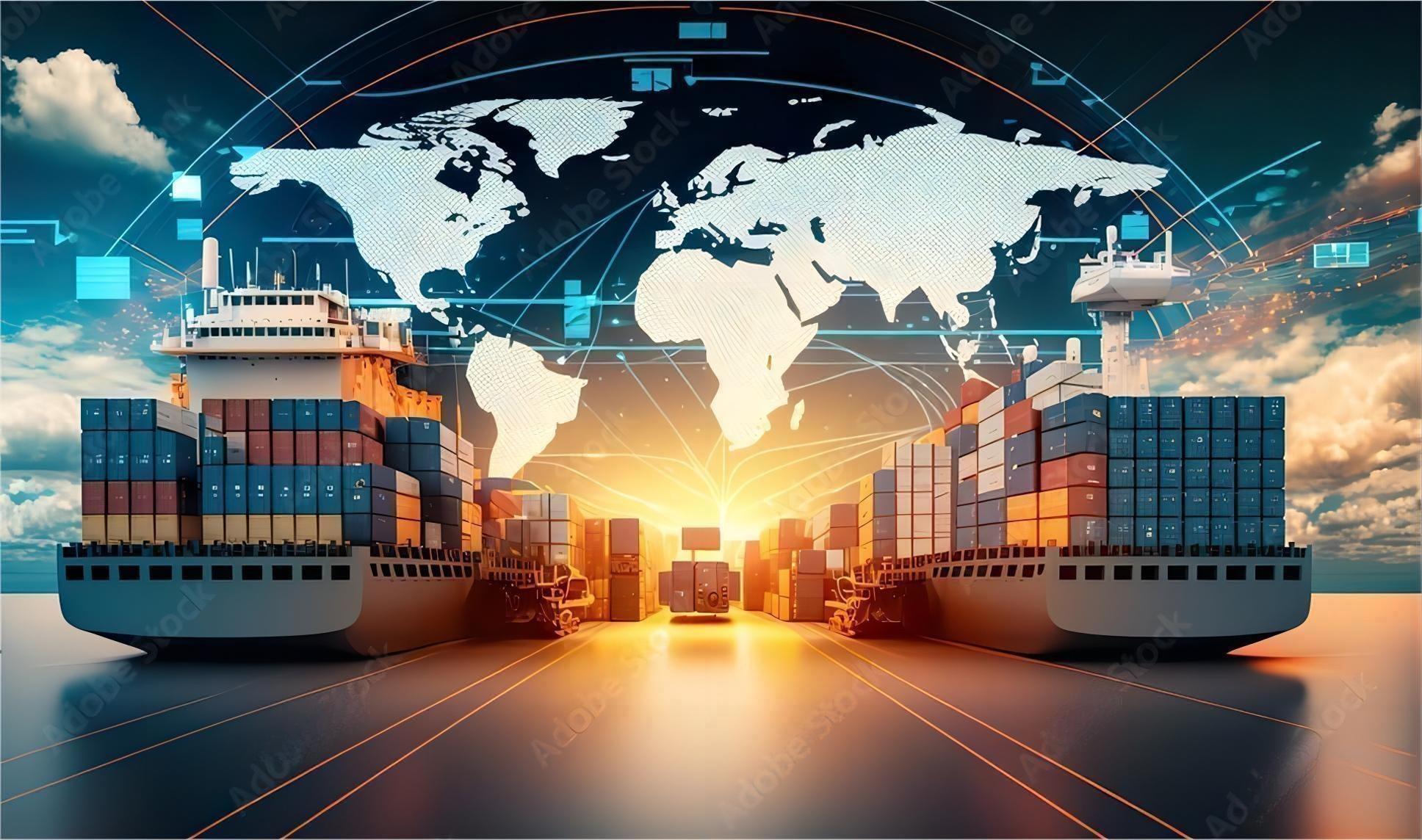
Navigating the complexities of international trade requires a reliable partner to manage your supply chain efficiently. If you are looking for a professional china freight forwarder netherlands, understanding the nuances of local regulations and shipping routes is essential. Consequently, choosing the right logistics expert can significantly reduce your overhead costs and improve delivery reliability for your business operations.
Why You Need a Professional China Freight Forwarder Netherlands
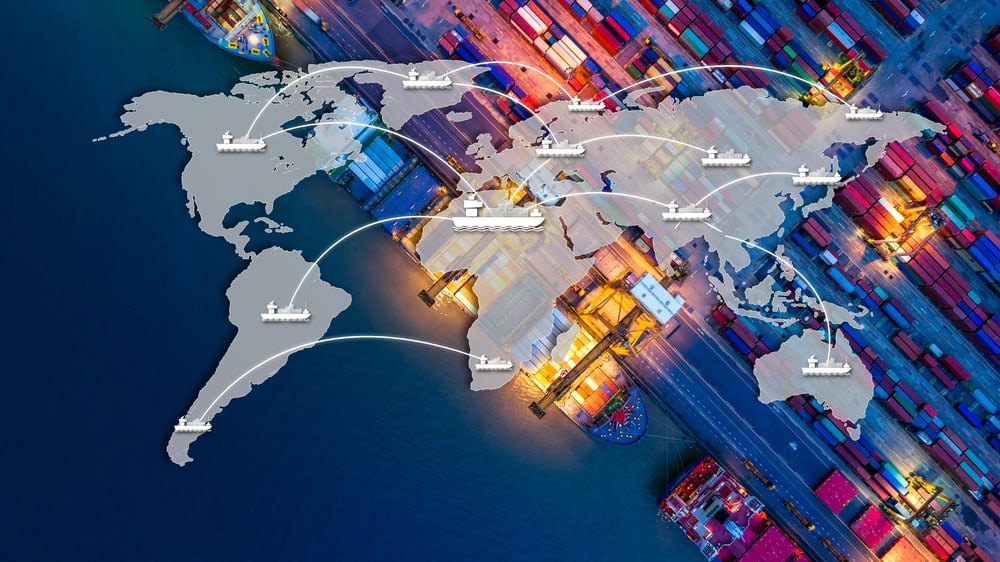
Establishing a robust connection between Chinese manufacturers and Dutch markets involves more than just moving boxes. Furthermore, a dedicated freight forwarder acts as your eyes and ears on the ground, ensuring that cargo handling meets international standards. Consequently, they manage the intricate details of the import/export process so you can focus on core business growth.
Additionally, local expertise in both regions allows for smoother transitions through various transit hubs. Moreover, professional forwarders possess the network required to negotiate better freight rates with major carriers. Therefore, partnering with an expert ensures that your cargo arrives safely and on schedule without unexpected delays.
Indeed, the logistics landscape is constantly evolving due to global economic shifts and port conditions. Specifically, a forwarder with deep roots in the Netherlands understands the specific requirements of the Port of Rotterdam and Schiphol Airport. Accordingly, this specialized knowledge prevents common mistakes that lead to costly demurrage and detention fees.
Notably, communication remains a critical factor in successful international logistics. Most reputable forwarders provide real-time tracking and dedicated support to keep you informed at every stage. Similarly, they offer tailored advice on packaging and labeling to comply with European Union safety regulations.
Exploring Sea Freight: The Most Popular Shipping Method
Many businesses prefer sea freight because it offers the most economical solution for transporting large volumes of goods. Furthermore, ocean transport is ideal for heavy machinery, bulk commodities, and non-urgent consumer products. Consequently, it remains the backbone of trade between China and the Netherlands.
Additionally, you can choose between Full Container Load (FCL) and Less than Container Load (LCL) based on your shipment size. Moreover, FCL provides exclusive use of a container, which is often faster and more secure for high-value items. On the other hand, LCL allows you to share space with other shippers, significantly reducing costs for smaller loads.
Transit times for sea shipments typically range from 30 to 45 days depending on the specific port of loading in China. Therefore, planning your inventory levels in advance is crucial to avoid stockouts during peak seasons. Furthermore, seasonal fluctuations can impact vessel availability and pricing, making early booking a wise strategy.
Specifically, major ports like Shanghai, Ningbo, and Shenzhen offer frequent departures to Rotterdam. Indeed, Rotterdam serves as the primary gateway for the entire European hinterland, providing excellent connectivity. Accordingly, sea freight continues to be the most sustainable and cost-effective method for long-distance international trade.
Speed Matters: When to Choose Air Freight
When time is the most critical factor, air freight provides the fastest transit times for your urgent cargo. Furthermore, this method is perfect for high-value electronics, perishable goods, or emergency replacement parts. Consequently, businesses often utilize air transport to meet tight deadlines and maintain high customer satisfaction.
Additionally, air shipping offers enhanced security and lower risk of damage compared to other modes. Moreover, the reduced transit time means lower insurance premiums and less time spent in storage. Therefore, while the initial cost is higher, the total landed cost might be justifiable for specific product categories.
However, air freight rates are calculated based on both weight and volume, which can be expensive for bulky items. Notably, choosing this method requires a balance between the urgency of the delivery and the available logistics budget. Specifically, most air shipments from China to Amsterdam arrive within 3 to 7 days, including customs processing.
Indeed, utilizing major hubs like Beijing or Guangzhou ensures that your cargo benefits from frequent flight schedules. Furthermore, professional forwarders can help you optimize your packaging to reduce volumetric weight and save on costs. Accordingly, air freight remains a vital tool for agile supply chains that prioritize speed.
Rail Freight: The Middle Ground for European Logistics
For shippers looking for a balance between cost and speed, rail freight offers an excellent alternative. Furthermore, the Trans-Eurasian rail network connects major Chinese industrial cities directly to European logistics hubs. Consequently, this method is gaining popularity for its reliability and environmental benefits compared to air travel.
Additionally, rail transport is significantly faster than sea freight, typically taking between 15 and 22 days. Moreover, it is much more affordable than air freight, making it a viable option for mid-value goods. Therefore, rail solutions are ideal for businesses operating in the Europe market that need consistent delivery schedules.
Specifically, the rail route is less affected by weather conditions or maritime congestion, providing a stable transit time. Indeed, many companies use rail as a strategic backup when sea routes face disruptions or air costs spike. Accordingly, integrating rail into your logistics strategy can provide a competitive edge in terms of lead times.
Notably, rail containers are tracked meticulously throughout the journey across multiple borders. Furthermore, the development of the Belt and Road Initiative has led to improved infrastructure and simplified customs procedures. Similarly, rail freight produces lower carbon emissions, aligning with the sustainability goals of many modern Dutch corporations.
How Does Sea Freight Compare to Other Shipping Options?
Understanding the differences between shipping methods is essential for optimizing your logistics budget and timeline. Furthermore, each mode of transport offers unique advantages and limitations that suit different business needs. Consequently, a side-by-side comparison helps in making an informed decision based on current market conditions.
As of Q1 2025, freight rates from China to Europe have stabilized after the 2024 Red Sea disruptions. Moreover, while sea freight remains the cheapest, rail and air provide necessary flexibility for diverse cargo types. Therefore, analyzing cost ranges and transit times is the first step in successful planning.
| Shipping Method | Cost Range (Approx) | Transit Time | Best For |
|---|---|---|---|
| Sea Freight (FCL) | $3,000 – $4,500 per 40HQ | 30 – 45 Days | Large volumes, heavy goods |
| Air Freight | $4.50 – $8.00 per kg | 3 – 7 Days | Urgent, high-value items |
| Rail Freight | $4,500 – $6,500 per 40HQ | 15 – 22 Days | Mid-range budget and speed |
| Express Service | $7.00 – $12.00 per kg | 2 – 5 Days | Small parcels, samples |
Essential Customs Documentation for Netherlands Imports
Navigating the Dutch customs system requires precise documentation and a thorough understanding of EU regulations. Furthermore, hiring a professional customs brokerage service can prevent your cargo from being held at the border. Consequently, ensuring all paperwork is accurate is the most effective way to avoid delays.
Additionally, you must provide a Commercial Invoice, a Packing List, and a Bill of Lading for every shipment. Moreover, specific products may require additional certificates, such as CE marking for electronics or phytosanitary certificates for organic goods. Therefore, verifying these requirements before the cargo leaves China is absolutely critical.
Specifically, the Netherlands uses the VAT reverse charge mechanism (Article 23), which can significantly improve your cash flow. Indeed, a knowledgeable forwarder will help you apply for this permit to postpone VAT payments at the time of import. Accordingly, this financial strategy is a major advantage for businesses importing large quantities of goods into the EU.
Notably, the Economic Operator Registration and Identification (EORI) number is mandatory for all businesses importing into the Netherlands. Furthermore, your forwarder will ensure that your EORI number is correctly cited on all customs declarations. Similarly, they will handle the classification of goods using the correct HS codes to determine applicable duties.
Real-World Case Studies: China to Netherlands Logistics
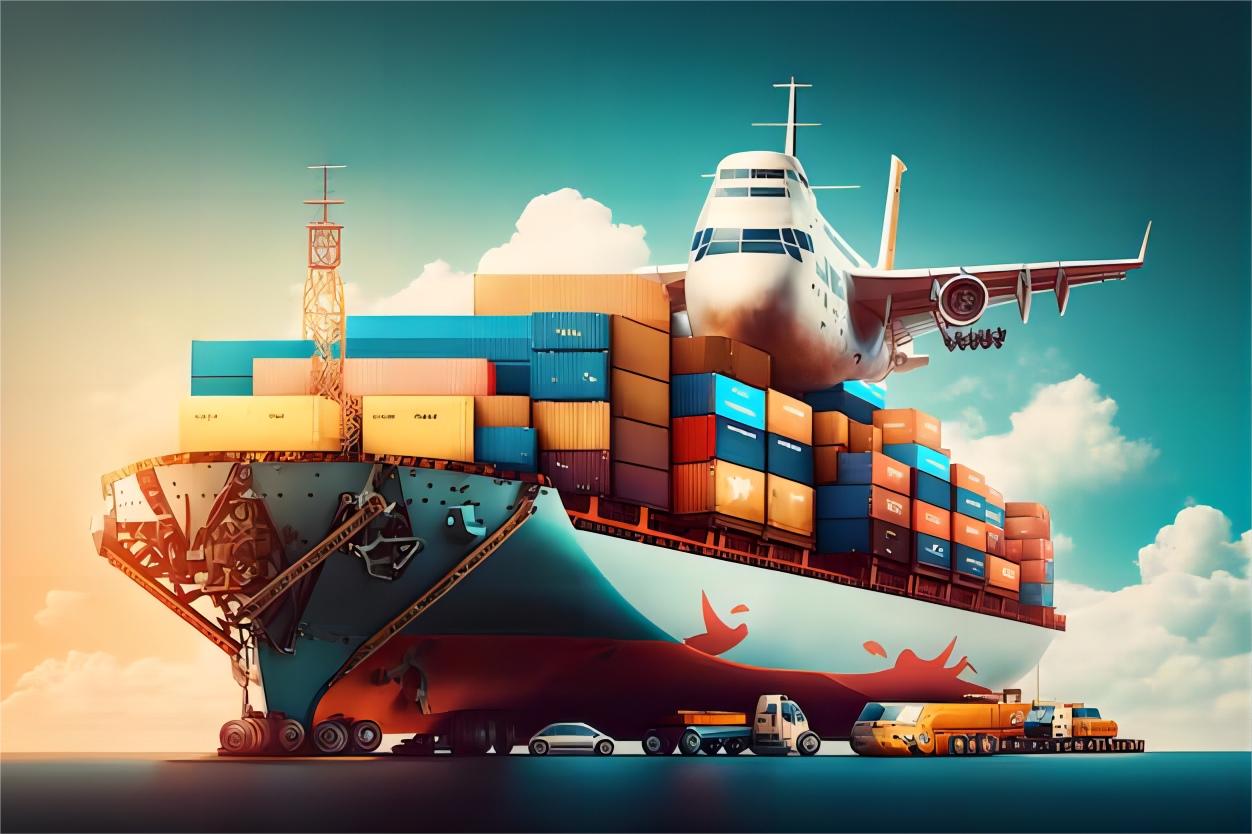
Reviewing actual shipping scenarios provides valuable insights into the practical aspects of international logistics. Furthermore, these examples highlight the costs, timelines, and challenges faced by real businesses. Consequently, you can use these benchmarks to estimate your own shipping requirements and budget effectively.
Note: Freight rates are subject to change based on fuel costs, carrier capacity, and seasonal demand. Contact us for a current quote tailored to your specific shipment.
Case Study 1: Electronics from Shenzhen to Rotterdam
Route: Shenzhen, China to Rotterdam, Netherlands Cargo: High-end Consumer Electronics, 28 CBM, 4500 kg Container: 40HQ Full Container Load Shipping Details: – Carrier/Service: Major Ocean Carrier – Port of Loading: Shenzhen – Port of Discharge: Rotterdam – Route Type: Direct Cost Breakdown: – Ocean Freight: $3,850 – Origin Charges: $420 – Destination Charges: $550 – Customs and Duties: $1,200 – Total Landed Cost: $6,020 Timeline: – Booking to Loading: 4 days – Sea Transit: 33 days – Customs Clearance: 2 days – Total Door-to-Door: 39 days Key Insight: By choosing a direct route, the client avoided transshipment delays, ensuring the products reached the warehouse in time for a major product launch. Based on Q4 2024 market rates.
Case Study 2: Furniture from Ningbo to Amsterdam
Route: Ningbo, China to Amsterdam, Netherlands Cargo: Home Furniture, 6 CBM, 1500 kg Container: LCL (Less than Container Load) Shipping Details: – Carrier/Service: LCL Consolidation Service – Port of Loading: Ningbo – Port of Discharge: Rotterdam – Route Type: Transshipment via Singapore Cost Breakdown: – Ocean Freight: $950 – Origin Charges: $250 – Destination Charges: $380 – Customs and Duties: $450 – Total Landed Cost: $2,030 Timeline: – Booking to Loading: 6 days – Sea Transit: 42 days – Customs Clearance: 3 days – Total Door-to-Door: 51 days Key Insight: LCL was the most cost-effective choice for this volume, despite the longer transit time due to transshipment. Typical rates as of early 2025.
Cost-Saving Strategies for Importing to the Netherlands
Reducing shipping expenses requires a strategic approach to cargo consolidation and route selection. Furthermore, optimizing your packaging can lead to significant savings by reducing the total volume of your shipment. Consequently, businesses that pay attention to these details often see a measurable improvement in their profit margins.
Additionally, choosing the right Incoterms, such as FOB (Free On Board), gives you more control over the freight costs and carrier selection. Moreover, consolidating multiple small orders into one larger shipment can help you qualify for FCL rates instead of more expensive LCL options. Therefore, effective communication with your suppliers is essential for coordinating these logistics strategies.
Specifically, avoiding peak seasons, such as the period before Chinese New Year, can save you thousands of dollars in surcharges. Indeed, planning your shipments during slack periods allows you to take advantage of lower demand and better equipment availability. Accordingly, a proactive approach to scheduling is one of the easiest ways to manage your logistics budget.
Which Shipping Option Should You Choose?
Selecting the ideal shipping method depends on your specific priorities regarding budget, speed, and cargo type. Furthermore, most businesses find that a hybrid approach works best for maintaining a flexible and resilient supply chain. Consequently, evaluating your needs against the following criteria will help you identify the most suitable strategy.
If budget priority is your main concern, sea freight is the clear winner for large shipments. However, if speed priority is essential for your business model, air freight or express services are necessary to keep your operations running smoothly. Therefore, consider the volume thresholds where switching from LCL to FCL becomes more economical.
Notably, cargo type considerations also play a role; hazardous materials or extremely heavy items may have limited options. Specifically, rail freight offers a compelling middle ground for those who need faster delivery than sea but cannot afford air rates. Indeed, the right choice often involves a trade-off between transit time and total landed cost.
Seamless Door to Door Shipping Solutions
Managing the entire logistics chain from the factory floor to your warehouse is simplified with door to door services. Furthermore, this comprehensive solution covers everything from local pickup in China to final delivery in the Netherlands. Consequently, you no longer have to worry about coordinating multiple service providers or handling complex paperwork.
Additionally, door-to-door shipping provides a single point of contact for your entire shipment, improving communication and accountability. Moreover, this integrated approach often leads to faster transit times as the forwarder optimizes every transition point. Therefore, for many small to medium-sized enterprises, this is the most efficient way to handle international trade.
Summary of Logistics Success
Successfully importing goods from China to the Netherlands depends on choosing the right shipping method and a professional partner. Furthermore, understanding the differences between sea, air, and rail freight allows you to optimize both cost and speed. Consequently, a reliable china freight forwarder netherlands will guide you through customs and ensure your cargo arrives safely.
Moreover, by implementing cost-saving strategies and utilizing real-world data, you can build a more resilient supply chain. Therefore, whether you are shipping large containers or small parcels, expert logistics support is the key to long-term success in the Dutch market. Indeed, the right strategy today will pave the way for your business growth tomorrow.
Ready to streamline your logistics?
Are you ready to streamline your international logistics? Contact our expert team today for a customized quote and experience the benefits of a reliable china freight forwarder netherlands for your business. Send Inquiry
Request Quote