

Freight Forwarder China to France: 2026 Shipping Rates and Guide
Navigating the complexities of international trade requires a deep understanding of logistics networks and regulatory frameworks. Consequently, selecting a reliable freight forwarder China to France is the most critical step toward optimizing your global supply chain. This comprehensive guide explores current 2026 market trends, shipping methods, and cost-saving strategies to help you move cargo efficiently from Chinese manufacturing hubs to French markets.

Why You Need a Professional Freight Forwarder China to France
Managing shipments across continents involves coordinating multiple carriers, handling complex documentation, and navigating language barriers. Therefore, an experienced logistics provider acts as your essential partner in bridging the gap between Chinese suppliers and French consumers. These professionals possess the local knowledge required to handle port congestion and inland transport challenges efficiently.
Moreover, a dedicated forwarder provides visibility into your shipment’s journey through advanced tracking systems. Consequently, you can provide accurate delivery schedules to your customers and improve your overall business planning. This level of transparency is vital for maintaining a competitive edge in the modern retail and manufacturing sectors.
Furthermore, experts in the field help you navigate the fluctuating 2026 freight rates by leveraging their relationships with major carriers. Indeed, they can often secure space during peak seasons when capacity is limited. By outsourcing these tasks, you allow your internal team to focus on core business growth rather than logistical minutiae.
Comprehensive Sea Freight Solutions for Large Volumes
Many businesses rely on sea freight as their primary method for transporting large quantities of goods. This option remains the most economical choice for bulky items, machinery, and high-volume consumer products. Specifically, Full Container Load (FCL) shipping offers a dedicated container for your inventory, ensuring maximum security and faster transit compared to shared options.
On the other hand, Less than Container Load (LCL) is ideal for smaller shipments that do not require a full 20ft or 40ft container. Although LCL involves longer handling times due to the consolidation process, it significantly reduces costs for growing businesses. Shippers should carefully evaluate their volume to determine which sea freight method provides the best value for their specific needs.
As of early 2026, major shipping routes from Ningbo, Shanghai, and Shenzhen to Le Havre or Marseille have stabilized. Nevertheless, seasonal demand during the third quarter can still lead to temporary rate hikes. Planning your shipments at least 4-6 weeks in advance is highly recommended to secure the best possible ocean freight rates.
How Does Sea Freight Compare to Other Shipping Options?
Choosing the right transport mode depends on your budget, cargo type, and urgency. While sea freight is the most affordable, it requires the longest lead times in your supply chain. In contrast, air and rail options offer faster alternatives for time-sensitive inventory.
The following table provides an objective comparison of the primary shipping methods available for the China to France route in 2026.
| Shipping Method | Cost Range | Transit Time | Best For | Limitations |
|---|---|---|---|---|
| Sea Freight (FCL) | $3,000 – $4,500 per 40HQ | 30 – 40 Days | Bulk goods, Furniture | Slowest transit time |
| Air Freight | $4.50 – $7.50 per kg | 5 – 8 Days | Electronics, Fashion | High cost, weight limits |
| Rail Freight | $150 – $250 per CBM | 18 – 22 Days | Machinery, E-commerce | Limited to specific hubs |
| Express Service | $8.00 – $12.00 per kg | 3 – 5 Days | Samples, Documents | Most expensive option |
Air Freight: Speed and Reliability for High-Value Goods
When deadlines are tight, air freight provides the fastest connection between Chinese manufacturing centers and French airports like Paris-Charles de Gaulle. This method is particularly suitable for high-value electronics, pharmaceuticals, and perishable items. Additionally, air transport offers a higher level of security, reducing the risk of damage or theft during transit.
However, the cost of air shipping is significantly higher than sea or rail alternatives. Therefore, it is essential to calculate the volumetric weight of your cargo to avoid unexpected surcharges. Shippers often use air freight to restock inventory quickly during peak sales periods or to launch new products in the French market.
Furthermore, most air shipments can be processed and cleared through customs within 24 to 48 hours. This efficiency allows businesses to maintain lower inventory levels and respond rapidly to market demand. Despite the higher price point, the reduction in lead time often justifies the investment for premium goods.
Rail Freight: The Strategic Middle Ground
The expansion of the Silk Road Economic Belt has made rail freight a viable and popular option for China-France logistics. This method offers a transit time that is roughly half that of sea freight while remaining much cheaper than air transport. Consequently, it has become a favorite for automotive parts, industrial machinery, and mid-range consumer electronics.
Rail services typically depart from major inland hubs such as Xi’an, Chengdu, and Zhengzhou, arriving at European terminals before final delivery to France. Moreover, rail transport is considered more environmentally friendly than air freight, helping companies meet their sustainability goals. It provides a consistent schedule that is less affected by weather conditions compared to sea routes.
In addition, rail freight offers stable pricing throughout the year, making it easier for businesses to manage their logistics budgets. While it may not be as fast as air, the reliability and cost-effectiveness make it a strategic component of a modern multi-modal supply chain. Many importers now use a combination of rail and sea to balance speed and expense.
2026 Estimated Shipping Costs and Pricing Trends
Understanding current market rates is essential for accurate financial forecasting. In 2026, freight rates have seen moderate fluctuations due to changes in fuel costs and global trade volumes. Shippers should always request a real-time quote to account for current surcharges and carrier capacity.
Below is a breakdown of estimated costs for different container sizes and shipping methods based on current 2026 market data.
| Route | 20GP Container | 40GP Container | 40HQ Container | Transit Time |
|---|---|---|---|---|
| China to Le Havre | $1,900 – $2,600 | $2,900 – $3,900 | $3,100 – $4,300 | 32-38 Days |
| China to Marseille | $1,800 – $2,500 | $2,800 – $3,800 | $3,000 – $4,200 | 28-34 Days |
| China to Paris (Air) | $4.50/kg (Min 100kg) | $4.10/kg (Min 500kg) | $3.80/kg (Min 1000kg) | 5-7 Days |
Navigating French Customs and Documentation
Importing goods into France requires compliance with both national and European Union regulations. Therefore, engaging an expert in customs brokerage is vital to prevent costly delays at the border. These specialists ensure that all necessary paperwork, including the commercial invoice and packing list, is accurately prepared.
Specifically, you must obtain an Economic Operators Registration and Identification (EORI) number to trade within the EU. Furthermore, understanding the correct Harmonized System (HS) codes for your products is essential for determining the applicable VAT and import duties. Incorrect classification can lead to significant fines and the seizure of goods by French authorities.
Additionally, certain products may require specific certifications, such as the CE mark for electronics or phytosanitary certificates for agricultural goods. A professional forwarder will review your documentation before the cargo leaves China to ensure everything is in order. This proactive approach minimizes the risk of your shipment being held at the port of discharge.
The Benefits of Door to Door Logistics
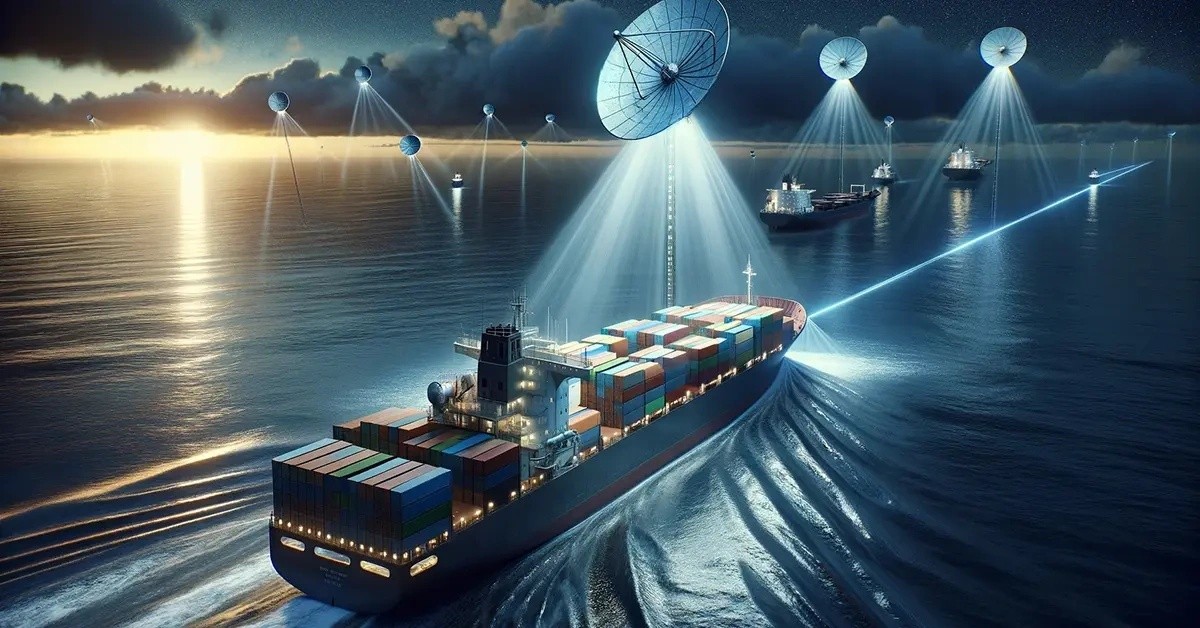
For many importers, the most efficient way to manage international trade is through door to door shipping services. This all-inclusive solution handles the entire process from the supplier’s warehouse in China to your final destination in France. Consequently, it eliminates the need for you to coordinate between multiple local truckers, ocean carriers, and customs agents.
Indeed, this seamless integration reduces the likelihood of communication errors and logistical bottlenecks. Shippers benefit from a single point of contact and one consolidated invoice for the entire journey. This method is particularly advantageous for e-commerce businesses and small to medium enterprises that lack a dedicated logistics department.
Moreover, door-to-door services often include final-mile delivery, ensuring that your goods reach their destination safely and on time. Whether you are shipping to a retail store in Paris or a warehouse in Lyon, this service provides the ultimate convenience. It allows you to focus on selling your products while the logistics experts handle the heavy lifting.
Which Option Should You Choose? Decision Framework
Selecting the optimal shipping method requires balancing several competing factors. If your primary goal is cost reduction and you have a flexible timeline, sea freight is undoubtedly the best choice for large volumes. Conversely, if you are dealing with urgent orders or high-value items, air freight is the most logical investment despite the higher price.
For those who need a faster arrival than sea freight but cannot afford air rates, rail freight offers a compelling alternative. This hybrid approach allows you to maintain a steady flow of inventory without breaking your budget. Businesses should also consider multi-modal solutions, such as sea-air combinations, to further optimize their supply chain performance.
Finally, always consider the nature of your cargo. Fragile or perishable items may require the speed and stability of air transport, while heavy industrial equipment is best suited for sea containers. By evaluating your priorities—budget, speed, or cargo safety—you can select the strategy that best supports your business objectives in the French market.
Real-World Case Studies for China-France Logistics
Examining actual shipping scenarios provides valuable insights into the practicalities of international logistics. These cases illustrate how different methods are applied to solve specific business challenges.
Case Study 1: Electronics from Shenzhen to Paris Route: Shenzhen, China to Paris, France Cargo: High-end consumer electronics, 4.5 CBM, 850 kg Shipping Method: Air Freight Cost Breakdown: – Air Freight: $3,950 – Origin Charges: $250 – Destination Charges: $310 – Total Landed Cost: $4,510 Timeline: – Booking to Loading: 2 days – Air Transit: 6 days – Customs Clearance: 1 day – Total Door-to-Door: 9 days Key Insight: Using air freight allowed the client to meet a product launch deadline with minimal inventory risk.
Case Study 2: Furniture from Ningbo to Marseille Route: Ningbo, China to Marseille, France Cargo: Home furniture, 68 CBM, 12,000 kg Container: 40HQ Shipping Method: Sea Freight (FCL) Cost Breakdown: – Ocean Freight: $4,100 – Origin Charges: $450 – Destination Charges: $580 – Total Landed Cost: $5,130 Timeline: – Booking to Loading: 5 days – Sea Transit: 34 days – Customs Clearance: 3 days – Total Door-to-Door: 42 days Key Insight: FCL sea freight provided the lowest cost per unit for high-volume, non-urgent home goods.
Note: Freight rates are subject to change based on fuel costs, carrier capacity, and seasonal demand. Contact us for a current quote tailored to your specific shipment.
Final Thoughts on Choosing a Freight Forwarder China to France
In summary, finding the right freight forwarder China to France is essential for navigating the complexities of modern international trade. By understanding the trade-offs between sea, air, and rail freight, you can build a more resilient and cost-effective supply chain. Furthermore, staying informed about 2026 market trends and customs regulations will help you avoid unnecessary delays and expenses.
Ultimately, a successful partnership with a logistics expert allows you to focus on your core business goals while your goods move efficiently across the globe. Whether you are a small startup or an established enterprise, the right shipping strategy is a key driver of growth in the competitive French market. Start planning your next shipment today to secure the best rates and transit times available.

Get Your Shipping Quote Today
Streamline your international trade today with a professional freight forwarder China to France. Our team at Top China Freight offers customized logistics solutions, competitive 2026 rates, and expert customs support to ensure your cargo arrives on time. Visit https://Top China Freight.com/ to request your free shipping quote and experience hassle-free global logistics.
Request Quote