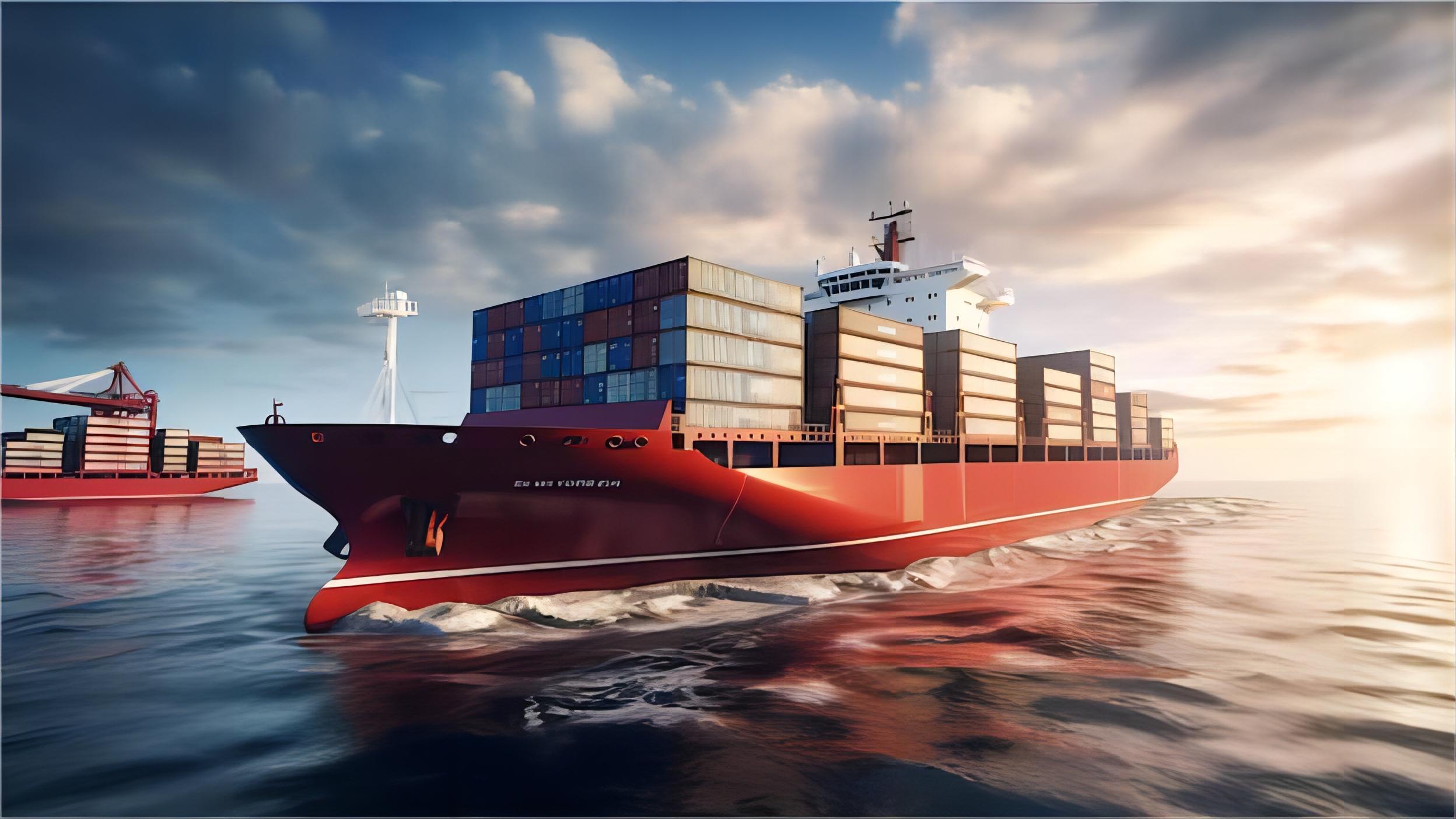
Shipping Rates China to France: 2026 Freight Cost Guide
Finding the most competitive shipping rates China to France is essential for maintaining a profitable supply chain in 2026. Top China Freight provides comprehensive logistics solutions designed to minimize your expenses while ensuring timely delivery. Consequently, businesses must understand the current market dynamics to make informed decisions regarding their international transport needs. This guide explores the various factors influencing costs and provides actionable strategies for optimizing your logistics budget this year.

What Are the Current Shipping Rates China to France in 2026?
The logistics landscape in early 2026 has stabilized significantly following the disruptions of previous years. Currently, shipping rates China to France reflect a balanced market where carrier capacity meets steady demand. Moreover, the integration of greener transport technologies is beginning to influence pricing structures across all modes of transport.
Freight costs are typically calculated based on volume, weight, and the chosen mode of transport. For instance, ocean freight remains the most economical choice for high-volume shipments, while air freight serves urgent delivery needs. Additionally, seasonal fluctuations continue to play a role, with rates often peaking during the pre-Chinese New Year period and the autumn golden week.
Understanding the breakdown of these costs is vital for accurate budgeting. Specifically, shippers must account for base freight rates, fuel surcharges, and local handling fees at both origin and destination ports. Furthermore, currency exchange rate volatility between the Euro and the Yuan can impact the final landed cost of your goods.
How Does Sea Freight Compare to Other Shipping Options?
When evaluating sea freight against alternative methods, the primary trade-off involves cost versus speed. Sea transport offers the lowest per-unit cost, making it ideal for bulky items or large inventories. However, the transit time is considerably longer than air or rail options.
For shipments exceeding 15 cubic meters, Full Container Load (FCL) services generally provide better value and security. In contrast, Less than Container Load (LCL) is more suitable for smaller volumes, though it involves higher handling risks. Indeed, choosing the right ocean freight strategy can save your business thousands of dollars annually.
Below is a comprehensive comparison of the primary shipping methods available for the China-France route in 2026.
| Shipping Method | Cost Range (USD) | Transit Time | Best For |
|---|---|---|---|
| Sea Freight (FCL) | $3,200 – $4,500 | 30-40 Days | Bulk goods and large volumes |
| Air Freight | $4.50 – $8.00/kg | 5-8 Days | High-value or urgent cargo |
| Rail Freight | $2,100 – $3,500 | 18-24 Days | Middle-ground budget and speed |
| Express Service | $7.00 – $12.00/kg | 3-5 Days | Small parcels and samples |

Ocean Freight Container Pricing for 2026
Container rates are the cornerstone of international trade between China and Europe. As of Q1 2026, the market has seen a moderate increase in equipment availability, which has helped keep prices from spiking. Nevertheless, shippers should remain vigilant regarding port congestion in major hubs like Le Havre or Marseille.
The following table provides typical 2026 price ranges for standard container sizes from major Chinese ports to French destinations. These rates include basic ocean freight and standard surcharges but exclude local duties and taxes.
Note: Freight rates are subject to change based on fuel costs, carrier capacity, and seasonal demand. Contact us for a current quote tailored to your specific shipment.
| Container Type | Capacity (CBM) | Typical Rate (USD) | Usage Scenario |
|---|---|---|---|
| 20ft GP | 33 CBM | $1,900 – $2,600 | Heavy machinery or dense goods |
| 40ft GP | 67 CBM | $3,000 – $4,000 | General consumer merchandise |
| 40ft HQ | 76 CBM | $3,300 – $4,600 | High-volume, lightweight items |
| LCL (per CBM) | Variable | $85 – $130 | Small business inventories |
Air Freight Rates and Transit Times for Urgent Shipments
When time is of the essence, air freight remains the gold standard for speed. In 2026, air cargo capacity has expanded due to the increase in passenger flight frequencies, which provides more belly cargo space. Consequently, rates have become slightly more competitive for medium-sized shipments.
Air freight is generally priced based on chargeable weight, which is the higher of the actual weight or the volumetric weight. Therefore, optimizing your packaging to reduce volume can lead to significant cost savings. Furthermore, direct flights from hubs like Shanghai Pudong to Paris Charles de Gaulle offer the most reliable schedules.
While expensive, air transport minimizes the risk of damage and theft. Additionally, it reduces the need for holding high levels of safety stock in French warehouses. This inventory efficiency often offsets the higher shipping costs for high-margin products like electronics or fashion.
Real-World Case Studies: China to France Logistics
Examining real-world scenarios helps clarify how shipping rates China to France apply in practice. These examples reflect typical transactions processed during the 2025-2026 period, highlighting the importance of choosing the right mode for specific business needs.
Case Study 1: Electronics from Shenzhen to Paris Route: Shenzhen, China -> Paris, France Cargo: Consumer electronics, 5 CBM, 1200 kg Method: Air Freight Cost Breakdown: – Air Freight: $6,600 – Origin/Destination Charges: $450 – Total Landed Cost: $7,050 Timeline: 6 Days Key Insight: Air freight was chosen to meet a product launch deadline, justifying the higher cost.
Case Study 2: Furniture from Ningbo to Le Havre Route: Ningbo, China -> Le Havre, France Cargo: Household furniture, 1 x 40HQ Container Method: Sea Freight (FCL) Cost Breakdown: – Ocean Freight: $3,850 – Documentation & THC: $550 – Total Landed Cost: $4,400 Timeline: 35 Days Key Insight: FCL provided the most economical route for large-volume, non-urgent home goods.
Case Study 3: Industrial Parts from Chengdu to Lyon Route: Chengdu, China -> Lyon, France Cargo: Mechanical components, 8 CBM, 2500 kg Method: Rail Freight Cost Breakdown: – Rail Freight: $2,800 – Local Delivery: $400 – Total Landed Cost: $3,200 Timeline: 21 Days Key Insight: Rail offered a 40% time saving over sea freight at a fraction of the air freight cost.

Is Rail Freight a Viable Middle Ground for France?
The expansion of the Silk Road initiatives has made rail freight an increasingly popular choice for French importers. It bridges the gap between the slow speed of the sea and the high cost of the air. Specifically, rail services connect major Chinese hubs like Xi’an and Chengdu directly to European rail terminals.
Rail transport is particularly effective for automotive parts, industrial machinery, and chemicals. Moreover, it is considered a more environmentally friendly alternative to air freight, which aligns with the growing ESG requirements in the French market. Consequently, many large corporations are shifting a portion of their volume to rail to balance costs and sustainability.
However, rail schedules can occasionally be affected by geopolitical factors or border congestion. Nevertheless, the reliability of the ‘Iron Silk Road’ has improved significantly by 2026. Shippers should consider this option when their lead times are between three and four weeks.
Which Shipping Option Should You Choose?
Selecting the optimal shipping method requires a careful analysis of your business priorities. If your primary goal is cost minimization and you have flexible deadlines, sea freight is the logical choice. On the other hand, if you are shipping perishable goods or high-value items, air freight is indispensable.
For small businesses or e-commerce sellers, an express service might be the most convenient option. These services include door-to-door delivery and simplified customs handling, which reduces the administrative burden on the importer. Indeed, the convenience often justifies the premium price for smaller parcels.
Consider the following decision framework to guide your choice: – Budget Priority: Choose Sea Freight (LCL/FCL). – Speed Priority: Choose Air Freight or Express. – Sustainability Priority: Choose Rail Freight. – Volume Threshold: Under 100kg? Use Express. 100kg-500kg? Use Air. Over 500kg? Use Sea or Rail.
Essential Customs Documentation for French Imports
Navigating French customs is a critical step in the shipping process that can influence your overall costs. Inaccurate documentation often leads to delays, storage fees, and potential fines. Therefore, engaging a professional customs brokerage service is highly recommended for first-time importers.
The standard documentation required for importing goods from China to France includes the Commercial Invoice, Packing List, Bill of Lading (or Air Waybill), and a Certificate of Origin. Furthermore, certain products may require specific CE certifications or health certificates to comply with European Union safety standards.
Import duties and Value Added Tax (VAT) are calculated based on the CIF (Cost, Insurance, and Freight) value of the goods. In 2026, France continues to enforce strict VAT collection at the point of entry, though deferred VAT accounting is available for qualified businesses. Properly classifying your goods using the correct HS Code is essential for paying the right amount of duty.
How to Reduce Your Shipping Rates China to France
Cost-saving strategies are vital for maintaining a competitive edge in 2026. One effective method is cargo consolidation, where multiple small shipments are combined into a single larger one to benefit from volume discounts. Additionally, booking your shipments at least 2-3 weeks in advance can help you secure lower rates before capacity tightens.
Optimizing your packaging can also lead to substantial savings, especially in air and LCL shipping where volume impacts price. Furthermore, negotiating long-term contracts with freight forwarders can provide price stability and priority space during peak seasons. Meanwhile, always request multiple quotes to ensure you are receiving the current market rate.
Finally, consider the Incoterms used in your purchase agreement. While FOB (Free On Board) gives the buyer more control over shipping costs and logistics, EXW (Ex Works) puts the entire responsibility on the buyer. Choosing the right Incoterm allows you to manage the shipping process more effectively and avoid hidden markups from suppliers.
Mastering Your China to France Shipping Strategy
In conclusion, understanding the nuances of shipping rates China to France is the first step toward logistics excellence. By comparing sea, air, and rail options, businesses can find the perfect balance between cost and speed. Moreover, staying informed about 2026 market trends and customs requirements ensures a smooth import process.
Whether you are shipping a single pallet or multiple containers, the right strategy will protect your margins and satisfy your customers. Remember to account for all landed costs and work with experienced partners to navigate the complexities of international trade. Ultimately, a proactive approach to freight management is a significant competitive advantage in today’s global economy.
Get Your Shipping Quote Today
Managing shipping rates China to France effectively requires expertise and a reliable network. Contact Top China Freight today to receive a personalized quote and discover how our tailored logistics solutions can streamline your 2026 supply chain. Visit our website to start your inquiry and secure the best rates for your next shipment.
Request Quote