Sea Freight China to Australia: 2026 Shipping Guide and Costs
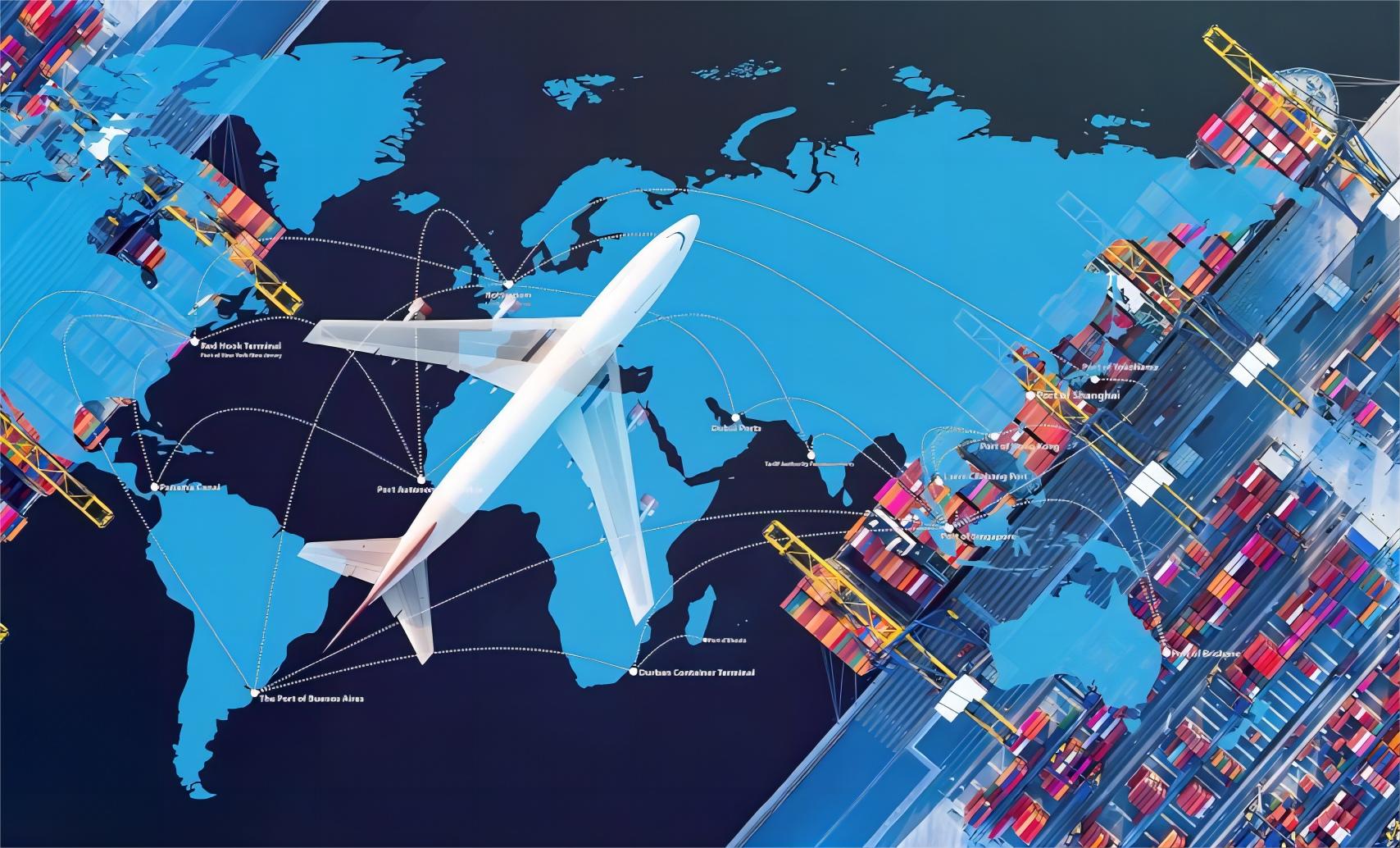
Optimizing your supply chain requires a deep understanding of sea freight China to Australia to ensure your goods arrive safely and on time. Many businesses struggle with rising logistics costs and complex customs regulations in the current market. By choosing Top China Freight, you can streamline your international shipping process and benefit from reliable ocean transport solutions tailored to your specific business needs.
✦
What Are the Current Trends for Sea Freight China to Australia in 2026?
Current market intelligence suggests that shipping volumes between major Chinese hubs and Australian ports remain robust throughout 2026. Consequently, carriers have introduced more fuel-efficient vessels to mitigate the impact of fluctuating energy prices on overall shipping costs.
Moreover, the industry has seen a significant shift toward digital tracking and automated cargo handling to improve transparency. This modernization allows importers to monitor their shipments in real-time while reducing the risk of administrative errors at the port of loading.
Furthermore, environmental regulations are driving a move toward greener logistics practices in the Pacific region. Therefore, many freight forwarders are now offering carbon-offsetting options for businesses looking to minimize their environmental footprint while maintaining efficient delivery schedules.
How Does Sea Freight China to Australia Compare to Other Shipping Options?
Choosing the right transport method depends heavily on your budget, cargo volume, and required speed. While air freight offers the fastest transit times, it typically costs significantly more than ocean-based solutions for heavy or bulky items.
In contrast, sea freight remains the most economical choice for large-scale imports and long-term inventory planning. For instance, shipping a full container is often five to ten times cheaper than moving the same volume by air, although it requires more lead time.
Additionally, businesses must consider express services for small, urgent parcels. However, for the majority of commercial cargo, ocean freight provides the best balance between capacity and cost-effectiveness in the 2026 logistics landscape.
| Shipping Method | Cost Range | Transit Time | Best For |
|---|---|---|---|
| Sea Freight | Low ($800 – $2,000) | 12 – 25 Days | Bulk goods, FCL, LCL |
| Air Freight | High ($5 – $12/kg) | 3 – 7 Days | High-value, urgent |
| Express | Very High ($10+/kg) | 2 – 5 Days | Samples, documents |
| Sea-Air Hybrid | Medium | 10 – 15 Days | Balanced priority |
Which Option Should You Choose?
Budget priority dictates that you should recommend sea freight for any shipment exceeding 100 kilograms. If your primary goal is cost reduction, planning your inventory cycles around ocean transit times will yield the highest savings.
Speed priority requires a different approach, where air transport becomes the logical choice despite the higher expense. Nevertheless, many companies successfully use a hybrid strategy by sending urgent stock via air and the bulk of their goods via sea.
Cargo type considerations also play a vital role in your decision-making process. For example, hazardous materials or oversized machinery are much easier to manage through specialized sea freight services than through standard air cargo channels.
What Are the Main Port-to-Port Routes for Australia-Bound Cargo?
Major shipping lanes typically originate from massive Chinese ports like Shanghai, Ningbo, and Shenzhen. These hubs offer frequent departures and competitive freight rates due to the high volume of traffic heading toward the Southern Hemisphere.
Specifically, the route from Shenzhen to Sydney is one of the most popular paths for consumer electronics and textiles. Meanwhile, shipments from Qingdao often focus on industrial machinery and raw materials destined for Australian manufacturing sectors.
Destinations in Australia are primarily concentrated in Sydney, Melbourne, Brisbane, and Fremantle. Consequently, choosing a port of discharge close to your final warehouse location is essential for reducing inland trucking costs and overall transit time.
Understanding FCL vs LCL for Your Ocean Shipments
Full Container Load (FCL) is the preferred method for businesses with enough cargo to fill a 20ft or 40ft container. Using sea freight as an FCL service provides better security and faster handling since the container is not opened until it reaches your destination.
Less than Container Load (LCL) allows multiple shippers to share space within a single container. As a result, this is a cost-effective solution for smaller shipments that do not justify the price of a full container, though it involves additional consolidation time.
Indeed, the choice between FCL and LCL often depends on whether your shipment exceeds 15 cubic meters. Once you reach this threshold, FCL usually becomes more economical and offers a more streamlined delivery schedule for your international shipping needs.
How Much Does Sea Freight China to Australia Cost in 2026?
Freight rates are influenced by several factors, including seasonal demand, fuel surcharges, and port congestion levels. According to industry benchmarks for early 2026, prices have stabilized but remain sensitive to global economic shifts.
For instance, a standard 20GP container from Shanghai to Sydney might range between $800 and $1,200 depending on the carrier. In contrast, 40HQ containers generally attract higher rates due to their increased volume and weight capacity.
Additionally, you must account for origin and destination charges such as terminal handling fees and documentation costs. Therefore, always request a comprehensive quote that includes all potential surcharges to avoid unexpected expenses during the shipping process.
| Container Type | Average Rate (USD) | Capacity | Typical Usage |
|---|---|---|---|
| 20GP Container | $800 – $1,200 | 33 CBM | Heavy machinery, tiles |
| 40GP Container | $1,200 – $1,800 | 67 CBM | General merchandise |
| 40HQ Container | $1,400 – $2,000 | 76 CBM | Lightweight, bulky goods |
| LCL (per CBM) | $50 – $90 | Variable | Small business orders |
How Long Does Sea Freight China to Australia Take?
Transit times vary based on the specific port of loading and the chosen shipping line. Typically, direct routes from South China to the East Coast of Australia are the fastest options available to importers.
For example, a shipment from Shenzhen to Sydney usually takes between 12 and 15 days of actual sea transit. However, you must also factor in time for booking, loading at the origin, and customs clearance at the destination.
Moreover, transshipment routes via Singapore or Port Klang may add 5 to 7 days to the total timeline. Consequently, if speed is a priority, you should always inquire about direct vessel services to ensure a more predictable delivery schedule.
| Origin Port | Destination Port | Transit (Days) | Service Type |
|---|---|---|---|
| Shanghai | Sydney | 14 – 18 | Direct |
| Shenzhen | Melbourne | 12 – 16 | Direct |
| Ningbo | Brisbane | 15 – 19 | Direct |
| Qingdao | Fremantle | 20 – 25 | Transshipment |
What Documentation Is Required for Australian Customs Clearance?
Navigating Australian customs requires precise documentation to avoid delays and potential fines. Utilizing a professional customs brokerage service can help ensure that all paperwork meets the strict standards of the Australian Border Force.
Specifically, you will need a Commercial Invoice and a detailed Packing List that accurately describes all items in the shipment. Furthermore, a Bill of Lading is essential as it serves as the contract of carriage and title to the goods.
Additionally, certain products may require a Certificate of Origin to qualify for preferential tariff rates under trade agreements. Without a doubt, preparing these documents in advance is the best way to facilitate a smooth cargo handling process upon arrival.
| Document Name | Purpose | Provider | Requirement |
|---|---|---|---|
| Bill of Lading | Title of goods | Carrier | Mandatory |
| Commercial Invoice | Value declaration | Supplier | Mandatory |
| Packing List | Inventory details | Supplier | Mandatory |
| Packing Declaration | Biosecurity check | Shipper | Mandatory |
Real-World Case Studies: Navigating the Logistics Landscape
Case Study 1: Efficient Electronics Distribution. Route: Shenzhen, China to Sydney, Australia. Cargo: Consumer electronics, 65 CBM, 12,000 kg. Container: 40HQ. Shipping Details: Direct service via major carrier. Port of Loading: Shenzhen. Port of Discharge: Sydney. Cost Breakdown: Ocean Freight: $1,650; Origin Charges: $350; Destination Charges: $450; Customs and Duties: $2,100; Total Landed Cost: $4,550. Timeline: Booking to Loading: 3 days; Sea Transit: 13 days; Customs Clearance: 2 days; Total Door-to-Door: 18 days. Key Insight: Early booking during the Q3 peak season secured a competitive rate before price hikes.
Case Study 2: Furniture Import for Small Business. Route: Ningbo, China to Melbourne, Australia. Cargo: Home furniture, 8 CBM, 2,400 kg. Container: LCL. Shipping Details: Transshipment via Singapore. Port of Loading: Ningbo. Port of Discharge: Melbourne. Cost Breakdown: Ocean Freight: $640; Origin Charges: $200; Destination Charges: $380; Customs and Duties: $950; Total Landed Cost: $2,170. Timeline: Booking to Loading: 5 days; Sea Transit: 21 days; Customs Clearance: 3 days; Total Door-to-Door: 29 days. Key Insight: LCL was significantly cheaper than FCL for this volume, despite the longer transit time due to consolidation.
Case Study 3: Industrial Equipment via Door to Door Service. Route: Shanghai, China to Brisbane, Australia. Cargo: Industrial parts, 28 CBM, 15,000 kg. Container: 20GP. Shipping Details: Door to door delivery. Port of Loading: Shanghai. Port of Discharge: Brisbane. Cost Breakdown: Ocean Freight: $1,100; Origin Charges: $300; Destination Charges: $500; Customs and Duties: $3,200; Total Landed Cost: $5,100. Timeline: Total Door-to-Door: 22 days. Key Insight: Choosing an all-in service simplified the logistics chain for the importer and reduced administrative overhead.
Note: Freight rates are subject to change based on fuel costs, carrier capacity, and seasonal demand. Contact us for a current quote tailored to your specific shipment.
Final Thoughts on Shipping from China to Australia
To summarize, successfully managing sea freight china to australia requires a combination of careful planning, accurate documentation, and the right logistics partner. By understanding the differences between FCL and LCL, you can make informed decisions that benefit your bottom line.
Indeed, the 2026 shipping market offers many opportunities for businesses to expand their reach through efficient ocean transport. Whether you are shipping small batches or large industrial equipment, staying informed about current trends and rates is essential.
Finally, remember that <a href=”https://Top China Freight.com/shipping-from-china-to-australia/”>Australia</a> has specific biosecurity and customs requirements that must be followed strictly. Partnering with an experienced freight forwarder will ensure your goods move through the supply chain with minimal disruption and maximum efficiency.