

Freight Forwarder China to Netherlands: 2026 Shipping Rates and Guide
Finding a reliable freight forwarder China to Netherlands is essential for businesses looking to navigate the complex 2026 logistics landscape efficiently. Consequently, selecting the right partner ensures your cargo moves smoothly through international waters and reaches Dutch ports without unnecessary delays. This comprehensive guide provides everything you need to know about shipping costs, transit times, and the best transportation methods available today.
What Are the Main Shipping Methods from China to the Netherlands?
Importers generally choose between three primary modes of transport: sea, air, and rail freight. Each method offers distinct advantages regarding budget, speed, and cargo capacity. Furthermore, the choice often depends on the specific nature of your goods and your required delivery schedule.
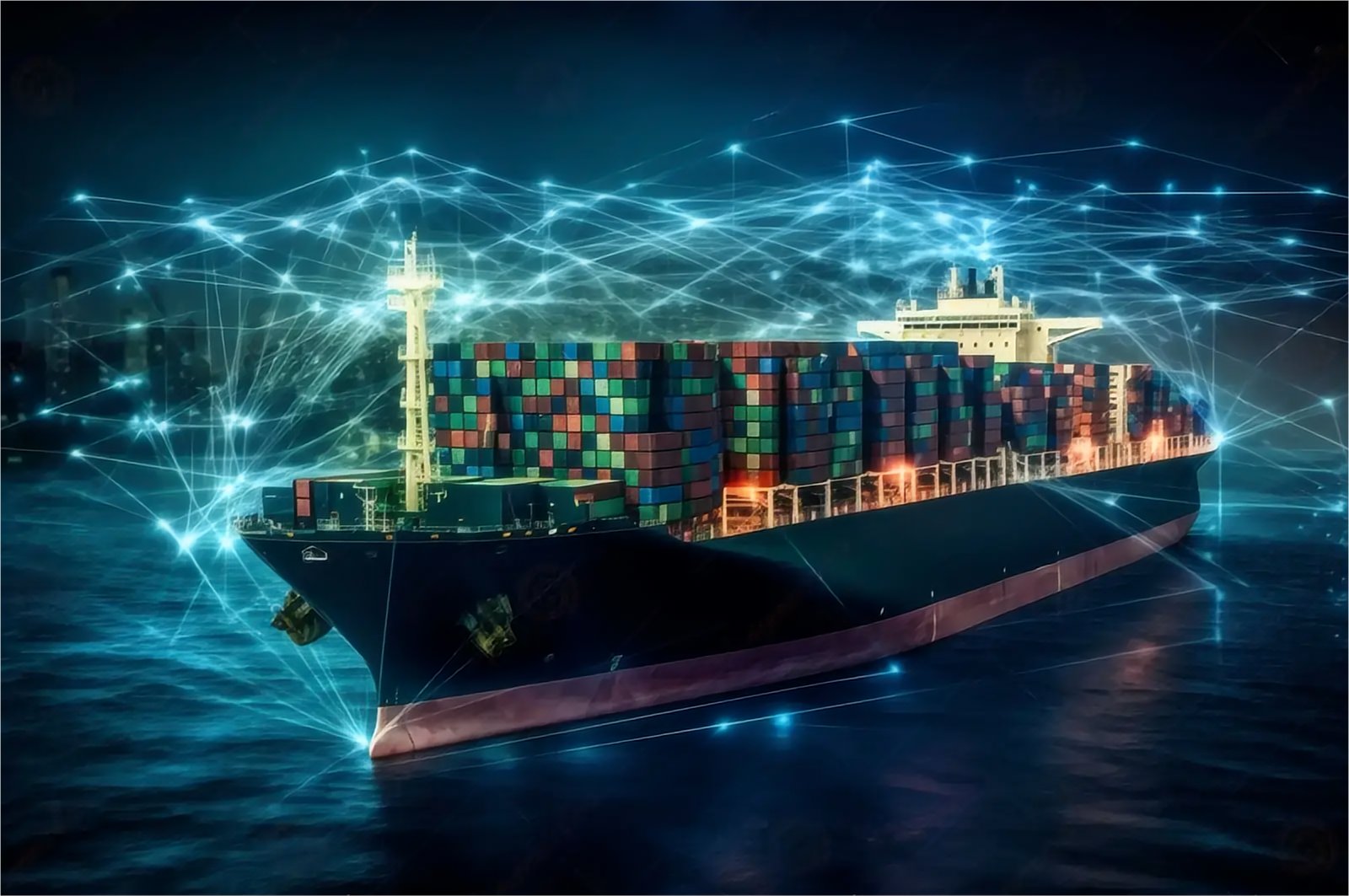
Sea freight remains the most popular choice for high-volume shipments due to its cost-effectiveness. Meanwhile, air freight serves businesses with urgent requirements or high-value items that need rapid transit. Rail freight has emerged as a balanced middle ground, offering faster speeds than the ocean at a lower price point than the air.
Moreover, the geographical location of the Netherlands makes it a premier gateway for European trade. With the Port of Rotterdam serving as a massive hub, your logistics strategy can leverage world-class infrastructure. Therefore, understanding these options helps you optimize your supply chain for maximum efficiency in 2026.
How Does Sea Freight Compare to Other Shipping Options?
Sea freight serves as the backbone of global trade, especially for the China-to-Europe route. While it takes longer than other methods, the price per unit is significantly lower for large quantities. In addition, sea freight provides the capacity needed for oversized machinery or bulk commodities.
Comparing ocean transport to air freight reveals a massive gap in both cost and speed. For instance, a standard 40HQ container might cost $3,500 to $4,200 in early 2026, whereas the same volume via air would be prohibitively expensive. Consequently, businesses with flexible timelines almost always prioritize the ocean route to protect their margins.
Alternative strategies often involve hybrid solutions like sea-air services. These combinations allow you to ship goods by sea to a hub like Dubai and then fly them to Amsterdam. This approach saves time compared to a full sea voyage and reduces costs compared to a direct flight from Shenzhen.
| Shipping Method | Cost Range | Transit Time | Best For |
|---|---|---|---|
| Sea Freight (FCL) | $1,800 – $4,200 | 30 – 40 Days | Large volumes, Heavy goods |
| Air Freight | $4.50 – $8.50/kg | 3 – 7 Days | Urgent, High-value cargo |
| Rail Freight | $2,500 – $3,800 | 15 – 22 Days | E-commerce, Mid-range budget |
| Express Service | $9.00 – $15.00/kg | 2 – 4 Days | Small parcels, Samples |
What Are the Current Sea Freight Rates for 2026?
Market data suggests that container shipping rates have stabilized in the first quarter of 2026. However, seasonal fluctuations still occur during the peak months leading up to the holidays. Specifically, you should expect price increases of approximately 15 percent between August and October.
FCL or Full Container Load is ideal for businesses that can fill a 20ft or 40ft container. Alternatively, LCL or Less than Container Load allows you to share space with other shippers, which is perfect for smaller volumes. Most freight forwarders recommend FCL once your shipment exceeds 15 cubic meters due to the lower risk of damage and faster handling.
Typical rates as of early 2026 for a 40HQ container from Shanghai to Rotterdam range between $3,200 and $4,500 depending on the carrier. Nevertheless, these prices exclude local charges at the origin and destination ports. Therefore, always request a comprehensive quote that includes THC, documentation fees, and customs handling.
How Long Does Air Freight Take from China to the Netherlands?
Air freight offers the fastest transit time for urgent shipments from major Chinese hubs like Guangzhou or Beijing. Usually, air freight reaches Amsterdam Schiphol Airport within 3 to 7 days including handling time. This speed is vital for industries like fashion, electronics, and pharmaceuticals.
Choosing between standard air freight and express services depends on your specific deadline. Express carriers like DHL or FedEx handle the entire process door-to-door, often delivering within 72 hours. In contrast, standard air freight requires separate arrangements for trucking and customs clearance at both ends.
Transit times remain consistent in 2026, though airport congestion can occasionally add 24 to 48 hours during peak periods. Consequently, booking your space at least a week in advance is highly recommended. Indeed, proactive planning ensures your cargo catches the scheduled flight without being bumped for higher-priority shipments.
Is Rail Freight a Viable Alternative for Dutch Importers?
Rail freight has become a reliable middle ground for companies importing from inland Chinese cities like Xi’an or Chengdu. Because the train travels across the Eurasian landbridge, it avoids the long sea voyage around the Cape of Good Hope. Moreover, rail freight provides a more sustainable option compared to air transport.
Transit times for rail shipments typically range from 18 to 22 days to reach terminals in Tilburg or Rotterdam. This schedule is nearly twice as fast as sea freight while costing significantly less than air freight. As a result, many e-commerce sellers use rail to maintain a steady inventory flow without the high overhead of air transport.
However, rail freight availability can be affected by geopolitical stability along the route. For instance, routes through Central Asia are currently the most stable and popular choices for 2026. Therefore, checking the current status of the Iron Silk Road with your forwarder is a necessary step before booking.
Which Option Should You Choose for Your Shipment?
Selecting the best method requires a careful balance of budget, speed, and volume. If your primary goal is cost reduction and you have a 40-day lead time, sea freight is the undisputed winner. On the other hand, if you are launching a new product and need it on shelves next week, air freight is your only choice.
Volume thresholds often dictate the switch between LCL and FCL. For shipments under 12 CBM, LCL is usually more economical. Once you surpass 15 CBM, the cost of a 20GP container becomes comparable to LCL, while providing better security for your goods.
Budget priority dictates sea freight for almost all heavy machinery and bulk items. Speed priority demands air freight for high-value tech or medical supplies. For mid-range cargo like textiles or consumer goods, rail freight often provides the perfect compromise between cost and delivery time.
Understanding Customs Clearance and Documentation in the Netherlands
Customs clearance in the Netherlands is known for being efficient but strictly regulated. You must provide a Commercial Invoice, Packing List, and a Bill of Lading or Air Waybill for every shipment. Additionally, an EORI number is mandatory for any business importing into the European Union.
Working with a professional customs brokerage service prevents costly delays and potential fines. Dutch customs authorities focus heavily on correct HS Code classification and VAT compliance. Consequently, ensuring your paperwork is accurate before the ship departs China is a critical step in the logistics process.
Import duties vary depending on the product type and its origin. For example, electronics might have zero duty, while textiles could face rates up to 12 percent. Furthermore, the standard VAT rate in the Netherlands is 21 percent, which is typically calculated on the landed cost of the goods.
Case Study 1: Large Scale Electronics Distribution
Route: Shenzhen, China to Rotterdam, Netherlands
Cargo: Consumer Electronics, 65 CBM, 12,000 kg
Container: 40HQ Full Container Load
Shipping Details: Direct ocean service via major carrier. Port of Loading: Shenzhen. Port of Discharge: Rotterdam.
Cost Breakdown: Ocean Freight: $3,850. Origin Charges: $450. Destination Charges: $600. Customs and Duties: $1,200. Total Landed Cost: $6,100.
Timeline: Booking to Loading: 4 days. Sea Transit: 33 days. Customs Clearance: 2 days. Total Door-to-Door: 39 days.
Key Insight: Using FCL for this high-volume shipment reduced the per-unit shipping cost by 40 percent compared to LCL rates.
Case Study 2: Urgent Fashion Inventory Replenishment
Route: Shanghai, China to Amsterdam, Netherlands
Cargo: Seasonal Apparel, 3 CBM, 450 kg
Shipping Method: Standard Air Freight
Shipping Details: Direct flight from PVG to AMS. Port of Loading: Shanghai Pudong. Port of Discharge: Amsterdam Schiphol.
Cost Breakdown: Air Freight: $2,475 ($5.50/kg). Origin Fees: $200. Destination Handling: $350. Customs and Duties: $850. Total Landed Cost: $3,875.
Timeline: Booking to Loading: 2 days. Air Transit: 1 day. Customs Clearance: 1 day. Total Door-to-Door: 5 days.
Key Insight: Air freight allowed the retailer to restock popular items within a week, preventing lost sales during a peak shopping season.
Case Study 3: Industrial Machinery via Rail
Route: Xi an, China to Tilburg, Netherlands
Cargo: CNC Machinery Parts, 12 CBM, 3,200 kg
Shipping Method: Rail Freight LCL
Shipping Details: Trans-Eurasian rail link. Loading Terminal: Xi an. Discharge Terminal: Tilburg.
Cost Breakdown: Rail Freight: $2,100. Origin Charges: $300. Destination Charges: $400. Customs and Duties: $550. Total Landed Cost: $3,350.
Timeline: Booking to Loading: 5 days. Rail Transit: 19 days. Customs Clearance: 2 days. Total Door-to-Door: 26 days.
Key Insight: Rail freight provided a 14-day speed advantage over sea freight while remaining much cheaper than an air shipment of this weight.
How to Reduce Your Shipping Costs from China to the Netherlands
Consolidating multiple small orders into a single LCL or FCL shipment is one of the most effective ways to save money. By reducing the number of individual shipments, you minimize fixed costs like documentation and customs entry fees. Additionally, choosing door to door services can often be cheaper than managing each leg of the journey separately.
Negotiating rates during the off-peak season can result in significant savings. Typically, the months of March through May offer the most competitive pricing as demand softens after the Chinese New Year. Therefore, planning your inventory cycles to avoid the Q4 rush can keep your logistics budget under control.
Optimizing your packaging to reduce dead space is another crucial strategy. Since air and LCL sea freight are often charged based on volumetric weight, smaller boxes lead directly to lower invoices. Furthermore, using high-quality pallets prevents damage, which saves you from the hidden costs of insurance claims and lost inventory.
Final Thoughts on Choosing a Freight Forwarder China to Netherlands
Navigating the logistics route from China to the Netherlands requires a strategic approach to balance cost and speed. Whether you choose the massive capacity of sea freight, the rapid transit of air freight, or the efficiency of rail, having the right partner is the key to success. By understanding the 2026 market trends and preparation requirements, you can ensure your goods move across the globe with minimal friction.
Remember that the cheapest quote is not always the best value if it results in delays or hidden fees. Always prioritize a freight forwarder China to Netherlands that offers clear communication and a proven track record of handling Dutch imports. With the right logistics strategy, your business can leverage the Netherlands as a powerful hub for reaching the entire European market.
Get Your Shipping Quote Today
Streamline your supply chain today with a trusted freight forwarder China to Netherlands. Our team provides transparent 2026 pricing and expert customs support to ensure your cargo arrives on time. Contact us now to receive a customized shipping quote tailored to your business needs. Visit https://Top China Freight.com/ to start your inquiry.
Request Quote