

Shipping Rates China to Italy: 2026 Guide to Freight Costs
Managing shipping rates China to Italy is a critical task for businesses looking to scale their operations in 2026. By partnering with Top China Freight, you can navigate the complexities of international logistics with ease. This guide explores current pricing trends, transit times, and strategic options to help you choose the most efficient transport method for your cargo while maintaining a healthy bottom line. Navigating the Mediterranean trade routes requires a deep understanding of current market dynamics and carrier availability.

What Factors Influence Shipping Rates China to Italy?
Several variables determine the final cost of moving goods from Chinese manufacturing hubs to Italian ports. Fuel surcharges, often referred to as Bunker Adjustment Factors, fluctuate based on global oil prices and directly impact ocean freight quotes. Consequently, importers must monitor these changes closely to avoid unexpected budget overruns during peak shipping months.
Seasonal demand plays a massive role in price volatility, particularly during the weeks leading up to the Chinese New Year. During this period, capacity becomes scarce, and carriers frequently implement General Rate Increases to manage the surge in volume. Therefore, booking your shipments at least four to six weeks in advance is a prudent strategy to secure better rates.
Cargo weight and volume are the primary metrics used to calculate freight charges across all modes of transport. Specifically, sea freight uses container size or cubic meters, while air freight relies on actual weight or volumetric weight, whichever is higher. Understanding these calculations helps you optimize your packaging and reduce overall logistics expenses significantly.
How Does Sea Freight Compare to Other Shipping Options?
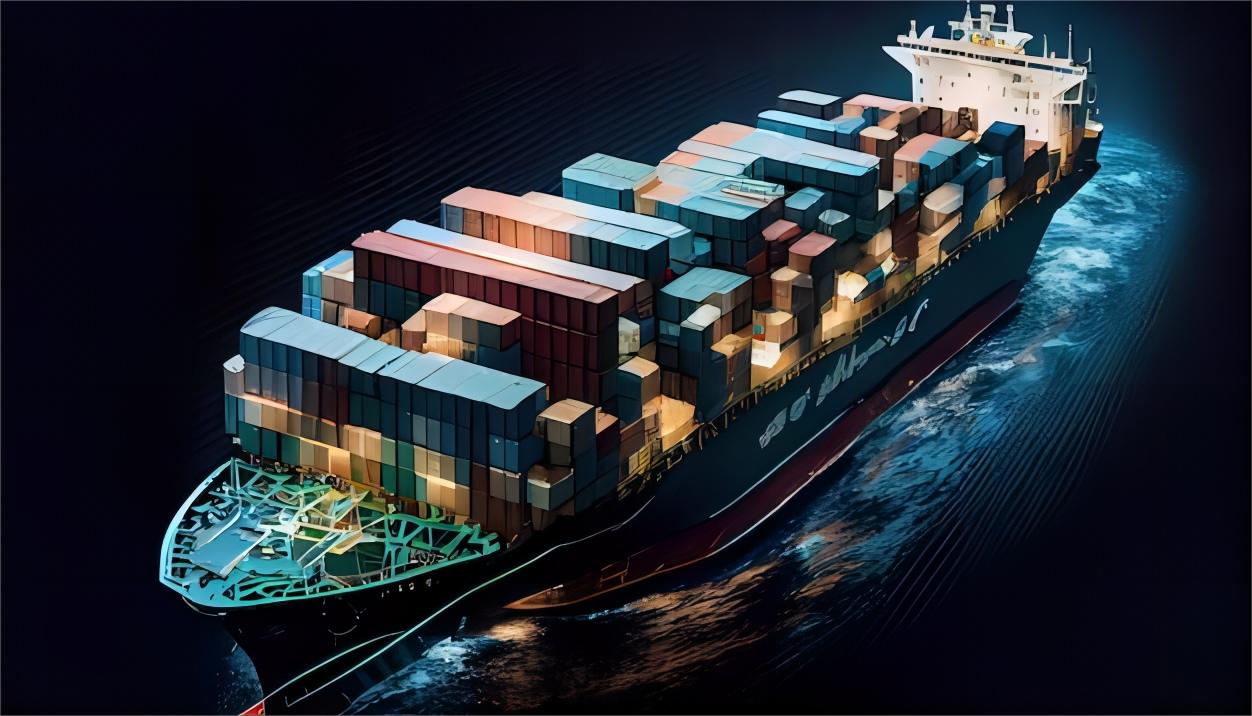
Ocean transport remains the most popular choice for businesses moving large volumes of goods due to its cost-effectiveness. While sea freight offers the lowest price per unit, it also requires the longest transit time. Businesses must balance the low cost against the need for faster inventory turnover in a competitive market.
Comparison of different transport modes reveals significant trade-offs between speed and expenditure. For example, while a container might take 35 days to reach Genoa, an air shipment can arrive in Milan within a week. However, the price difference can be ten times higher for air transport, making it suitable only for high-value or urgent items.
Hybrid solutions like sea-air or rail freight provide middle-ground alternatives for those who cannot wait for a ship but cannot afford a plane. These methods are becoming increasingly popular as supply chain managers seek to diversify their logistics strategies in 2026. Evaluating each option based on your specific cargo type and deadline is essential for success.
| Shipping Method | Cost Range | Transit Time | Best For |
|---|---|---|---|
| Sea Freight (FCL) | $3,000 – $4,200 | 30 – 40 Days | Bulk Goods |
| Air Freight | $4.50 – $8.50/kg | 5 – 8 Days | High Value |
| Rail Freight | $1,800 – $2,600 | 18 – 24 Days | Mid-sized Cargo |
| Express | $9.00 – $15.00/kg | 3 – 5 Days | Samples |
Sea Freight Rates from China to Italy: FCL vs LCL
Full Container Load (FCL) shipping is the standard for importers moving enough goods to fill a 20-foot or 40-foot container. This method provides better security and faster handling since the container is dedicated to a single shipper from origin to destination. Indeed, FCL is often more economical once your cargo volume exceeds 15 cubic meters.
Less than Container Load (LCL) allows smaller businesses to share container space with other shippers, paying only for the volume they use. Although LCL rates per cubic meter are higher than FCL, the total cost is much lower for small shipments. Nevertheless, LCL involves more handling at consolidation warehouses, which can lead to slightly longer transit times and higher risks of damage.
Market data suggests that FCL rates to Italy have stabilized in early 2026 following the disruptions of previous years. Currently, a 40HQ container from Shanghai to Naples typically ranges between $3,200 and $4,500 depending on the carrier and service level. Importers should always request a breakdown of local charges at both ends to understand the total landed cost.
| Container Type | Capacity (CBM) | Max Weight | Avg. Rate (2026) |
|---|---|---|---|
| 20GP Container | 33 CBM | 28,000 kg | $1,800 – $2,500 |
| 40GP Container | 67 CBM | 26,000 kg | $2,800 – $3,800 |
| 40HQ Container | 76 CBM | 26,000 kg | $3,000 – $4,200 |

Air Freight Rates and Transit Times for Italy
When time is the most critical factor, air freight is the undisputed leader for Italian imports. This method is particularly vital for the fashion, automotive, and electronics industries where product lifecycles are short and demand is volatile. Furthermore, air transport offers superior security and a lower risk of theft or damage compared to surface routes.
Calculating air freight costs involves looking at both the gross weight and the volume of the shipment. Specifically, carriers use a volumetric factor of 1:6000 to determine the chargeable weight of bulky items. Consequently, optimizing your packaging to minimize empty space can lead to substantial savings on your air transport bills.
Major airports such as Milan Malpensa and Rome Fiumicino handle the bulk of Chinese air cargo entering Italy. Direct flights from hubs like Hong Kong or Shanghai offer the fastest service, though transshipment via Middle Eastern hubs can sometimes be more cost-effective. Typically, you should expect door-to-door delivery within 5 to 10 days including customs clearance.
Rail Freight: A Balanced Alternative for Italian Importers
The expansion of the Iron Silk Road has made rail freight a viable alternative for shipping from China to Italy. This mode offers a transit time that is roughly half that of sea freight while costing significantly less than air freight. Moreover, rail transport is considered more environmentally friendly, which aligns with the sustainability goals of many modern Italian enterprises.
Routes typically originate in central Chinese cities like Xi’an or Chengdu and enter Europe through Poland or Germany before reaching Italian terminals. Because rail transport avoids the potential delays associated with major seaports, it provides a more predictable delivery schedule for many shippers. Additionally, rail freight is less affected by the weather conditions that can occasionally disrupt maritime routes.
Importers should note that rail freight is best suited for palletized goods and heavy machinery that requires a balance of speed and cost. Currently, rail rates are approximately $2,000 to $2,800 per 40ft container, making it an attractive option for high-value industrial components. However, capacity can be limited, so early booking is always recommended for rail shipments.
Which Option Should You Choose for Your Italy Shipments?
Selecting the right shipping method requires a clear understanding of your business priorities and cargo requirements. If your primary goal is to minimize expenditure and you have a flexible timeline, sea freight remains the logical choice. Conversely, if you are launching a new product or replenishing urgent stock, the high cost of air freight is often justified by the speed of delivery.
Volume thresholds often dictate the switch between different shipping methods for savvy logistics managers. For instance, shipments smaller than 100kg are usually best handled by express couriers, while those between 100kg and 500kg are ideal for air freight. Once a shipment exceeds 15 CBM, moving from LCL to FCL sea freight becomes the most economical strategy.
Cargo type also plays a significant role in the decision-making process for Italian routes. Perishable goods or high-fashion items require the speed of air travel to maintain their value and appeal. Meanwhile, durable goods like furniture, textiles, and raw materials are perfectly suited for the longer transit times associated with ocean or rail transport.
Understanding Customs Brokerage and Duties in Italy
Navigating the Italian customs landscape requires precision and a thorough understanding of EU import regulations. Utilizing a professional customs brokerage service ensures that all documentation is accurate and compliant with local laws. This step is crucial because errors in paperwork can lead to costly delays and significant fines at the port of entry.
Import duties in Italy are based on the Harmonized System (HS) code of the products and their declared value. In addition to duties, importers must also pay Value Added Tax (VAT), which is currently 22 percent for most goods in Italy. Therefore, calculating these additional costs beforehand is essential for determining the true total landed cost of your Chinese imports.
Required documentation typically includes a commercial invoice, packing list, bill of lading, and a certificate of origin. Some specific products, such as electronics or chemicals, may require additional certifications like CE marking or REACH compliance. Ensuring these documents are ready before the cargo arrives will streamline the clearance process and prevent storage fees at the terminal.
Realistic Case Studies of China to Italy Shipments
Case Study 1: Furniture Export to Genoa Route: Foshan, China to Genoa, Italy Cargo: Home Furniture, 68 CBM, 12,000 kg Container: 40HQ FCL Shipping Details: – Carrier: COSCO Shipping – Port of Loading: Nansha – Port of Discharge: Genoa – Route Type: Direct Cost Breakdown: – Ocean Freight: $3,450 – Origin Charges: $450 – Destination Charges: $600 – Customs and Duties: $1,200 – Total Landed Cost: $5,700 Timeline: – Booking to Loading: 5 days – Sea Transit: 32 days – Customs Clearance: 3 days – Total Door-to-Door: 40 days Key Insight: Direct routing saved 6 days compared to transshipment options.
Case Study 2: Electronics to Milan via Air Route: Shenzhen, China to Milan, Italy Cargo: Consumer Electronics, 2.5 CBM, 450 kg Method: Air Freight Shipping Details: – Carrier: Cargolux – Port of Loading: Shenzhen (SZX) – Port of Discharge: Milan (MXP) – Route Type: Transshipment via Luxembourg Cost Breakdown: – Air Freight: $2,925 ($6.50/kg) – Origin Charges: $150 – Destination Charges: $200 – Customs and Duties: $4,500 – Total Landed Cost: $7,775 Timeline: – Booking to Loading: 2 days – Air Transit: 3 days – Customs Clearance: 2 days – Total Door-to-Door: 7 days Key Insight: High-value electronics justified the premium air freight cost for rapid market entry.
Case Study 3: Industrial Parts via Rail Route: Xi’an, China to Verona, Italy Cargo: Machine Components, 12 CBM, 3,500 kg Method: Rail Freight (LCL) Shipping Details: – Service: China-Europe Railway Express – Terminal of Loading: Xi’an International Port – Terminal of Discharge: Verona Quadrante Europa – Route Type: Direct Rail Cost Breakdown: – Rail Freight: $1,440 – Origin Charges: $250 – Destination Charges: $350 – Customs and Duties: $800 – Total Landed Cost: $2,840 Timeline: – Booking to Loading: 4 days – Rail Transit: 22 days – Customs Clearance: 3 days – Total Door-to-Door: 29 days Key Insight: Rail provided a 10-day advantage over sea freight at a fraction of the air freight price.
Cost-Saving Strategies for Shipping to Italy in 2026
Implementing a door to door service can often lead to significant savings by consolidating various logistics stages under a single provider. This approach reduces the administrative burden and eliminates the hidden markups often found when multiple agents are involved in a single shipment. Furthermore, a unified service provider can better coordinate the timing between inland transport and international freight.
Optimizing your cargo volume is another effective way to lower your shipping rates China to Italy. For example, if your shipment is slightly below the FCL threshold, consider consolidating orders or adjusting your packaging to fill a 20GP container. This strategy avoids the higher per-unit costs and additional handling fees associated with LCL shipments while providing better protection for your goods.
Negotiating long-term contracts with freight forwarders can provide price stability in a volatile market. While spot rates might occasionally be lower, a fixed-rate agreement protects your business from the sudden price spikes common during peak seasons. Additionally, loyal customers often receive priority for space during times of high demand, ensuring your supply chain remains uninterrupted throughout the year.
Final Thoughts on Shipping to Italy
Finding the best shipping rates China to Italy requires a strategic approach that balances cost, speed, and reliability. Whether you choose the economy of sea freight, the speed of air transport, or the balance of rail, understanding the 2026 market trends is essential. By planning ahead and utilizing professional brokerage services, you can ensure your goods arrive safely and efficiently. Remember that freight rates are subject to change based on fuel costs, carrier capacity, and seasonal demand. Contact us for a current quote tailored to your specific shipment.

Need a tailored shipping solution?
Optimizing your shipping rates China to Italy is the key to maintaining a competitive edge in the global market. Contact our expert team today to receive a customized quote and discover how our logistics solutions can streamline your Italian imports. Visit Top China Freight to get started. Send Inquiry: info@Top China Freight.com