

Freight Forwarder China to Ireland: 2026 Shipping Costs and Transit Times
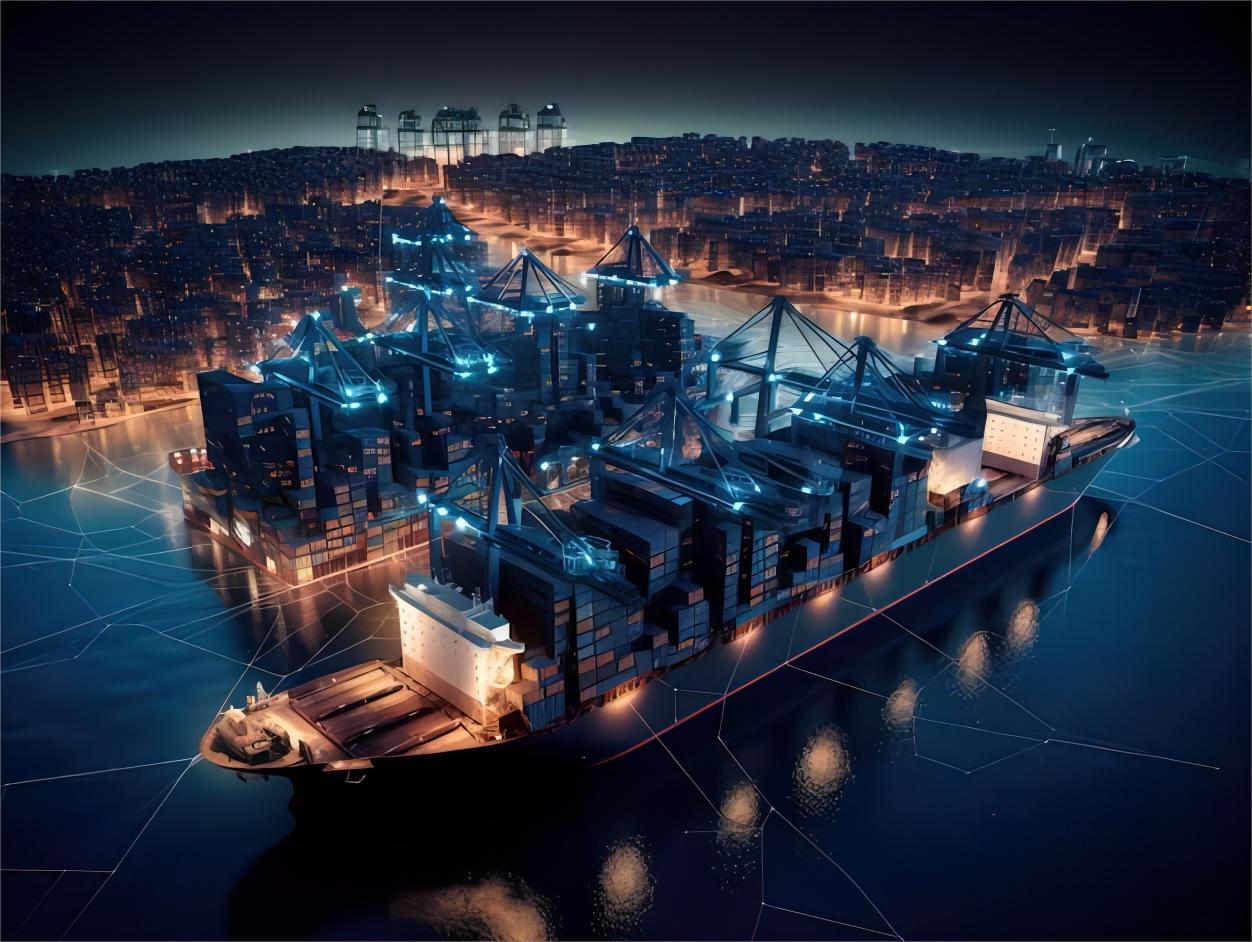
Finding a reliable freight forwarder china to ireland is the most critical step for businesses looking to navigate the complex logistics landscape of 2026. Many importers face challenges with fluctuating fuel surcharges and evolving maritime regulations that impact the efficiency of the supply chain. This guide provides a clear roadmap for transporting goods from Chinese manufacturing hubs to the Republic of Ireland while minimizing costs and delays.
How to Find a Reliable Freight Forwarder China to Ireland
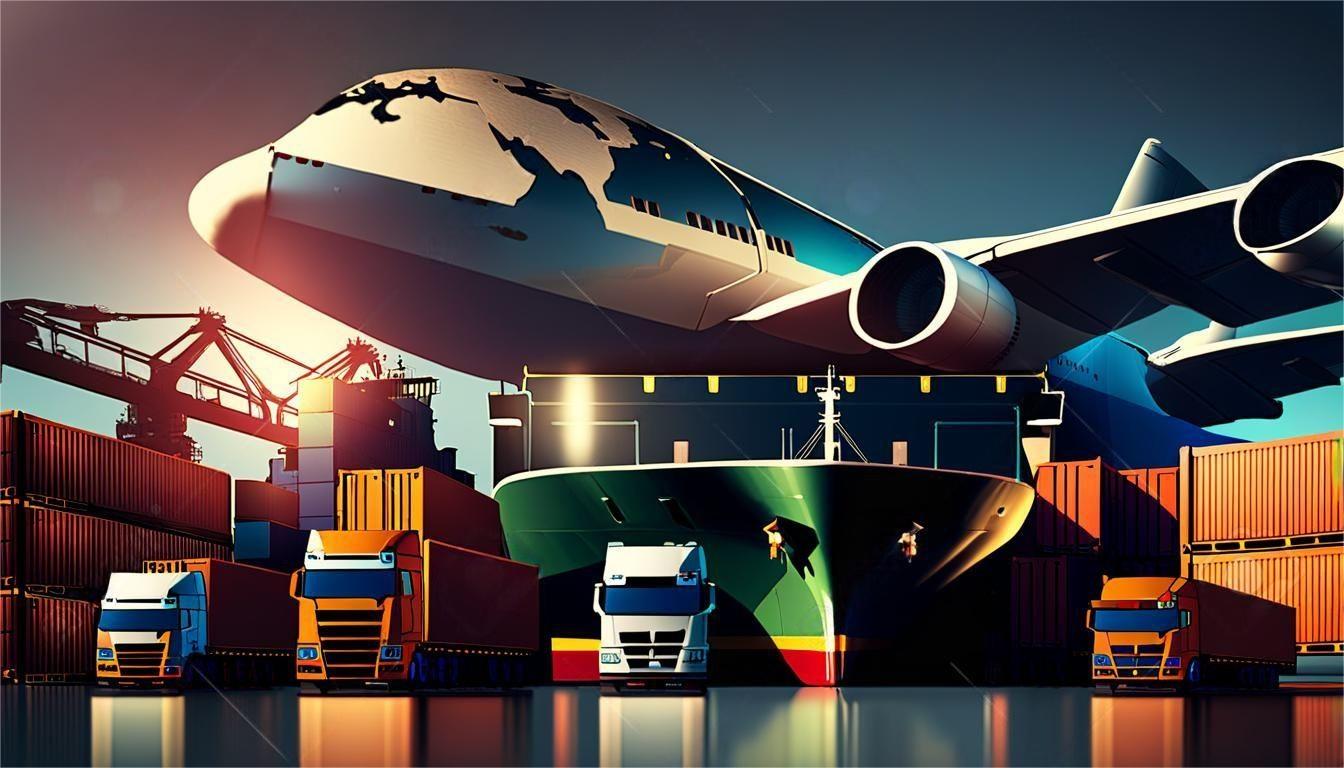
Selecting the right logistics partner involves more than just comparing the lowest price quotes. You must evaluate their experience with the specific trade lanes connecting major Chinese ports to Irish destinations. Furthermore, a professional provider should offer comprehensive support for shipping from china to europe to ensure regional compliance. Consequently, verifying their network and local presence in both countries will save you from unexpected handling issues.
Moreover, the best forwarders provide real-time tracking and transparent communication throughout the journey. They act as your representative when dealing with carriers and port authorities. In addition, checking for industry certifications and client testimonials from other Irish businesses can provide peace of mind. Ultimately, a strong partnership leads to a more resilient supply chain that can withstand global market shifts.
Comparing Sea Freight and Air Freight Options
Choosing between different transport modes depends heavily on your budget and the urgency of the shipment. For instance, sea freight remains the most cost-effective solution for high-volume goods and heavy machinery. However, this method requires careful planning due to the longer transit times involved in the maritime journey. Most ocean cargo arrives at the Port of Dublin or the Port of Cork after several weeks at sea.
On the other hand, air freight offers the fastest delivery schedule for time-sensitive products like electronics or fashion. While the cost per kilogram is significantly higher, the reduced inventory holding costs often justify the investment. Therefore, businesses must weigh the trade-offs between speed and expense when deciding on their logistics strategy for 2026. Below is a comparison of the primary shipping methods used for this route.
| Shipping Method | Transit Time | Cost Level | Best For |
|---|---|---|---|
| Sea Freight (FCL) | 30-40 Days | Low | Large Shipments |
| Sea Freight (LCL) | 35-45 Days | Medium | Small Volumes |
| Air Freight | 5-8 Days | High | Urgent Goods |
| Express Service | 3-5 Days | Very High | Samples/Docs |
How Does Sea Freight Compare to Other Shipping Options?
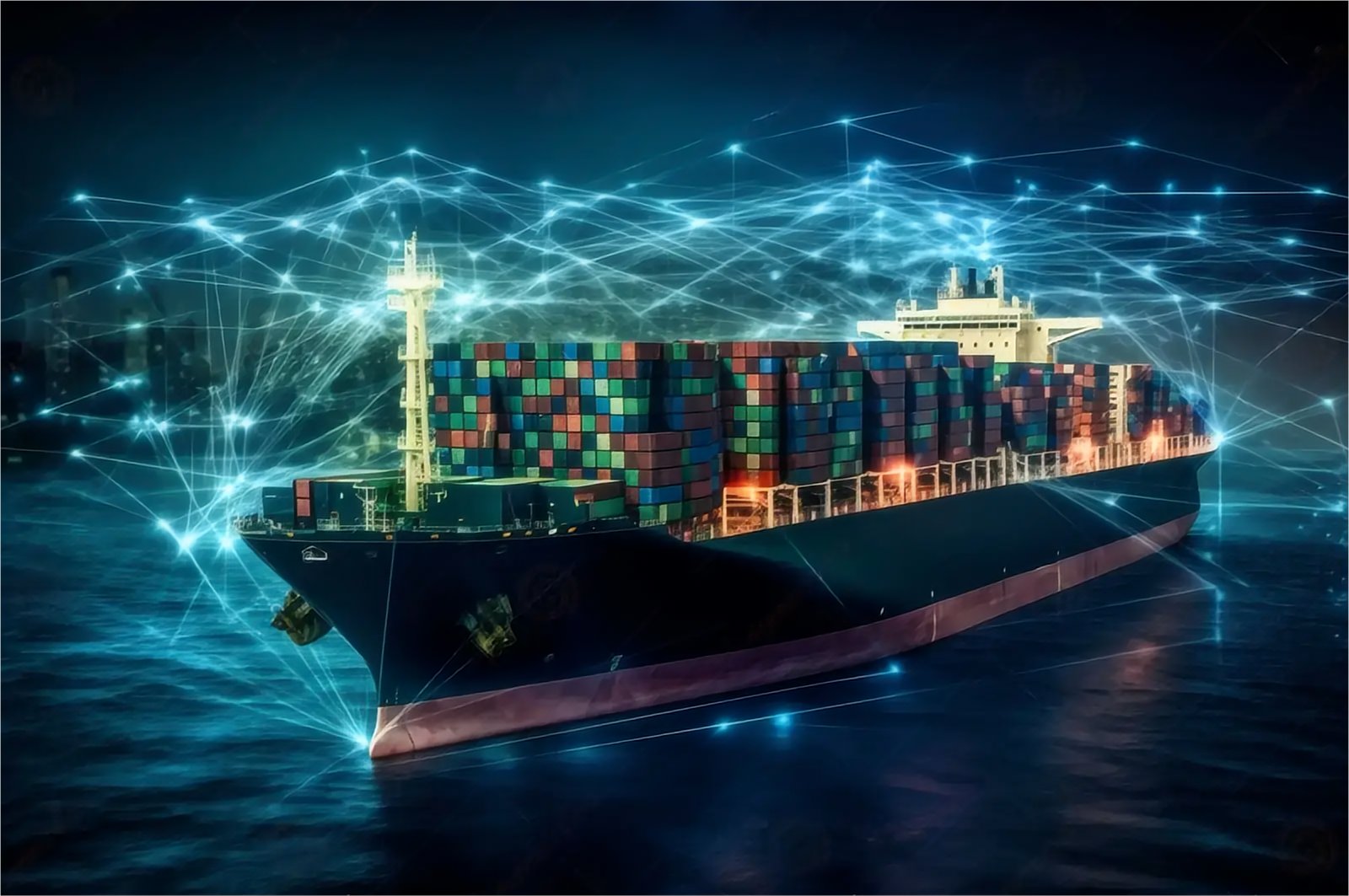
While sea freight is the traditional choice, alternative strategies like rail-sea or air-sea hybrids are gaining traction in 2026. For example, some cargo is moved by rail to continental Europe and then transferred to a ferry for the final leg to Ireland. This approach can sometimes offer a middle ground between the speed of air and the savings of ocean transport. Nevertheless, direct sea routes remain the most popular due to their simplicity and reliability for bulk commodities.
Indeed, the choice between Full Container Load (FCL) and Less than Container Load (LCL) is another critical decision for importers. FCL offers better security and faster handling since the container is dedicated to one shipper. In contrast, LCL allows you to share space and costs with others, which is ideal for smaller inventories. Consequently, understanding these nuances helps in optimizing your total landed cost.
| Method | Cost Range (2026) | Limitations | Strategy |
|---|---|---|---|
| Direct Sea | $2,200 – $3,800 | Longest Transit | Standard Bulk |
| Air Freight | $5.50 – $9.00/kg | Weight Limits | High Value |
| Express | $9.00 – $15.00/kg | Very Expensive | Last Minute |
| LCL Sea | $80 – $150/CBM | Wait for Consol | Small Batches |
Door to Door Shipping Logistics
Implementing a door to door strategy simplifies the entire process by consolidating all steps under one provider. This service covers everything from the initial pickup at the Chinese factory to the final delivery at your warehouse in Ireland. Furthermore, it eliminates the need for you to coordinate with multiple local truckers and warehouse operators. As a result, you can focus on your core business operations while the logistics experts handle the heavy lifting.
Additionally, this model often includes insurance and integrated tracking for better visibility. Many Irish businesses prefer this hands-off approach to avoid the headaches of managing international transit legs. Consequently, even though the service fee might be slightly higher, the efficiency gains usually outweigh the costs. It is particularly beneficial for companies without a dedicated in-house logistics team.
Customs Clearance and Documentation for Ireland
Navigating Irish customs requires precise documentation and a deep understanding of EU import regulations. Specifically, you will need a valid EORI number and accurate HS codes for all your products to avoid delays at the border. Engaging a professional customs brokerage service is highly recommended to ensure compliance with Revenue Commissioners’ requirements. Therefore, preparing your paperwork well in advance of the ship’s arrival is essential for a smooth clearance process.
In addition, you must account for Value Added Tax (VAT) and potential customs duties based on the origin and type of goods. In 2026, automated customs systems have made the process faster, but errors in documentation still lead to costly storage fees at the port. For instance, an incorrect commercial invoice or packing list can hold up a shipment for days. To help you prepare, here is a checklist of the most important documents needed for Irish imports.
| Document Name | Purpose | Required By | Importance |
|---|---|---|---|
| Commercial Invoice | Value Declaration | Customs | Critical |
| Bill of Lading | Title of Goods | Carrier/Port | Mandatory |
| Packing List | Cargo Details | Warehouse | High |
| Cert. of Origin | Duty Calculation | Revenue | Variable |
Which Option Should You Choose?
Deciding on the best shipping method requires a clear understanding of your business priorities. If your primary goal is to minimize expenditure, sea freight is the clear winner for shipments over 15 cubic meters. Conversely, if you are launching a new product and need it on Irish shelves immediately, air freight is the only viable path. You should also consider the nature of your cargo, as hazardous or oversized items may have restricted transport options.
Moreover, volume thresholds play a significant role in your decision. For example, once your shipment exceeds 15-20 CBM, booking a full 20GP container often becomes cheaper than paying for LCL space. On the other hand, for very small parcels under 100kg, express service is usually the most efficient choice. Always request a current quote to see how market rates in early 2026 affect these calculations.
Real-World Case Studies for 2026
Case Study 1: Electronics from Shenzhen to Dublin. Route: Shenzhen to Dublin. Cargo: 500kg of computer components. Method: Air Freight. Cost: $4,250. Transit: 6 days. Insight: Choosing air freight allowed the client to meet a strict contract deadline for a tech firm in Dublin.
Case Study 2: Furniture from Ningbo to Cork. Route: Ningbo to Cork. Cargo: 28 CBM (1x20GP). Method: Sea Freight FCL. Cost: $2,400. Transit: 38 days. Insight: Utilizing FCL provided the best protection for fragile wooden items while keeping the unit cost low.
Case Study 3: Textiles from Shanghai to Dublin. Route: Shanghai to Dublin. Cargo: 4 CBM. Method: Sea Freight LCL. Cost: $620. Transit: 42 days. Insight: LCL was the perfect choice for this seasonal fashion boutique that didn’t have enough volume for a full container.
Cost-Saving Strategies for Irish Importers
Reducing your logistics spend requires a proactive approach and smart planning. One effective strategy is to consolidate multiple small orders from different Chinese suppliers into a single LCL or FCL shipment. This reduces the number of separate customs entries and local handling fees you have to pay. Furthermore, booking your shipments at least 2-3 weeks in advance can help you secure better rates before peak season price hikes.
Additionally, optimizing your packaging to reduce wasted space can significantly lower your shipping costs, especially for air freight where volume-weight matters. You should also compare quotes from different carriers to ensure you are getting the most competitive market rate. In fact, small adjustments to your delivery schedule can lead to substantial savings over the course of a year. Note: Freight rates are subject to change based on fuel costs, carrier capacity, and seasonal demand. Contact us for a current quote tailored to your specific shipment.
Mastering Your Logistics from China to Ireland
In summary, successfully importing goods requires a strategic approach to choosing a freight forwarder china to ireland. By understanding the differences between sea and air freight, you can make informed decisions that balance speed and cost. Furthermore, staying updated on customs regulations and market trends in 2026 will help you avoid common pitfalls and delays.
Ultimately, the right logistics partner acts as an extension of your business, providing the expertise needed to navigate global trade. Whether you are shipping small parcels or full containers, planning ahead and utilizing the right tools will ensure your success. Start optimizing your route today to achieve a more efficient and profitable supply chain.
Get Your Shipping Quote Today
Streamline your supply chain today by partnering with an expert freight forwarder china to ireland. Our team provides tailored logistics solutions to ensure your cargo arrives safely and efficiently in 2026. Visit https://Top China Freight.com/ to request your free, no-obligation shipping quote now and experience hassle-free international trade. Send Inquiry: Visit https://Top China Freight.com/contact-us/
Request Quote