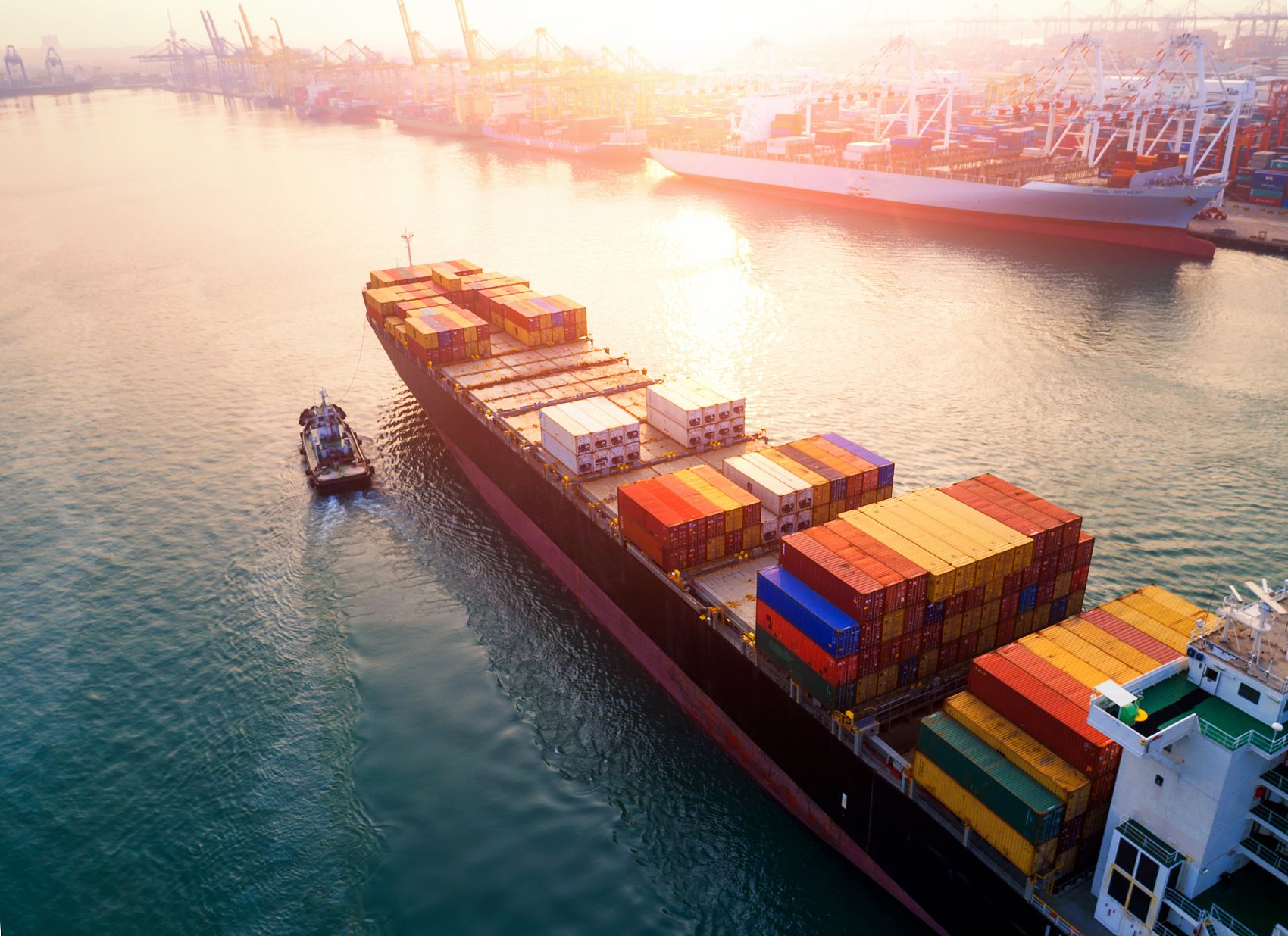
Shipping Quote China to Mexico: 2026 Freight Cost Guide
Navigating international trade requires an accurate shipping quote china to mexico to ensure your supply chain remains profitable and efficient. As global trade routes evolve in 2026, working with a reliable partner like Top China Freight becomes essential for managing logistics costs. This guide provides comprehensive insights into current market rates, transit times, and the diverse shipping methods available for businesses importing goods into the Mexican market.
✦
How Does Sea Freight Compare to Other Shipping Options?
Evaluating different transportation modes is the first step in securing an economical shipping quote china to mexico for your specific inventory needs. While sea freight remains the backbone of transpacific trade, alternative strategies like air freight or express services offer distinct advantages for urgent deliveries. Consequently, businesses must weigh the trade-offs between speed and cost to maintain a competitive edge in the Mexican retail and industrial sectors.
Choosing the right method depends heavily on your cargo volume, budget constraints, and the urgency of the delivery schedule. For instance, large-scale machinery is best suited for ocean transport, whereas high-value electronics often justify the higher expense of air transit. Furthermore, hybrid solutions can sometimes bridge the gap between these two extremes, providing a balanced approach to modern logistics challenges.
| Shipping Method | Cost Range | Transit Time | Best For |
|---|---|---|---|
| Sea Freight (FCL) | $2,200 – $4,500 | 25 – 35 Days | Bulk goods and large volumes |
| Sea Freight (LCL) | $80 – $150 per CBM | 30 – 40 Days | Small shipments under 15 CBM |
| Air Freight | $4.50 – $9.00 per kg | 5 – 8 Days | High-value or urgent cargo |
| Express Service | $8.00 – $15.00 per kg | 3 – 5 Days | Samples and small parcels |
Key Factors That Determine Your Shipping Quote China to Mexico
Several variables influence the final price you receive when requesting a shipping quote china to mexico from a logistics provider. Market demand fluctuates seasonally, with rates typically increasing by 15-25% during the August to October peak season as retailers prepare for end-of-year sales. Additionally, fuel surcharges and carrier capacity play a significant role in the monthly adjustments of freight rates across the Pacific.
Container availability at major Chinese ports like Shanghai, Ningbo, and Shenzhen can also impact your total landed cost. When containers are scarce, prices rise rapidly, making it imperative to book your shipment at least 3-4 weeks in advance. Meanwhile, the choice between sea freight options like Full Container Load (FCL) and Less than Container Load (LCL) will dictate the base rate of your quote.
Distance between the port of loading and the port of discharge is another critical component of the pricing equation. Shipping to Manzanillo or Lazaro Cardenas on the Pacific coast is generally more cost-effective than routing cargo to Gulf ports like Veracruz. Therefore, optimizing your entry point based on the final destination within Mexico can lead to substantial savings on inland transportation.

Which Shipping Option Should You Choose for Mexico?
Determining the most suitable logistics strategy requires a clear understanding of your business priorities and cargo characteristics. If your primary goal is budget optimization and you have a flexible delivery schedule, ocean freight is undoubtedly the most logical choice. On the other hand, if you are dealing with perishable items or tight production deadlines, the speed of air freight is worth the premium.
Volume thresholds often dictate the transition from LCL to FCL shipping for many importers. Generally, once a shipment exceeds 15 cubic meters (CBM), it becomes more economical to book a full 20-foot container rather than paying per CBM. Indeed, this transition point allows for better cargo security and often results in faster processing times at both origin and destination ports.
Strategic planning should also consider the nature of the goods being transported. Heavy industrial equipment or raw materials are almost exclusively moved via sea due to weight restrictions on aircraft. In contrast, luxury goods or sensitive medical supplies benefit from the climate-controlled environments and reduced handling associated with air transport services.
Understanding Transit Times for China to Mexico Routes
Transit times are a vital component of any shipping quote china to mexico, as they directly impact your inventory turnover and cash flow. Direct sea routes from major Chinese hubs to Mexican Pacific ports typically range from 22 to 28 days under normal operating conditions. However, transshipment via intermediate ports like Busan or Los Angeles can extend this duration by an additional 7 to 10 days.
Weather patterns and port congestion are unpredictable factors that can influence the actual arrival date of your cargo. During the hurricane season in the Pacific, vessels may be rerouted, leading to minor delays in the delivery schedule. Consequently, it is always advisable to include a buffer of 5-7 days when planning your supply chain timelines to account for these external variables.
Customs clearance procedures at Mexican ports also contribute to the total door-to-door transit time. Efficient documentation and the use of a professional customs brokerage can expedite this process significantly. Without proper preparation, shipments can languish in port for weeks, incurring expensive demurrage and detention charges that inflate your total shipping costs.
| Origin Port | Destination Port | Average Transit (Sea) | Average Transit (Air) |
|---|---|---|---|
| Shenzhen | Manzanillo | 22 – 25 Days | 5 – 7 Days |
| Shanghai | Lazaro Cardenas | 24 – 28 Days | 6 – 8 Days |
| Ningbo | Ensenada | 20 – 24 Days | 5 – 7 Days |
| Qingdao | Veracruz | 35 – 45 Days | 7 – 9 Days |
The Role of Customs and Documentation in Your Quote
Mexican customs regulations are known for being stringent, requiring precise documentation to avoid penalties or cargo seizures. Your shipping quote china to mexico should ideally include the costs associated with preparing the Pedimento, which is the official customs declaration form in Mexico. Furthermore, ensuring that your commercial invoice and packing list are perfectly aligned with the actual cargo is essential for a smooth clearance process.
Import duties and Value Added Tax (VAT) are calculated based on the HS Code of your products and their declared value. Since Mexico has specific trade agreements and compensatory duties on certain Chinese goods, verifying the correct classification is paramount. Indeed, a minor error in classification can lead to a significant increase in the final landed cost of your shipment.
Working with experts who understand the local legal framework is the best way to navigate these complexities. Professional logistics providers often offer door to door services that include customs handling, providing a more predictable total cost for the importer. This holistic approach reduces the administrative burden on your team and minimizes the risk of unexpected expenses during the final stages of delivery.

Cost-Saving Strategies for Importing to Mexico
Reducing your overall logistics expenditure requires a proactive approach to procurement and shipping management. One effective strategy is to consolidate multiple small orders from different suppliers into a single FCL shipment at a Chinese warehouse. By doing so, you can take advantage of lower FCL rates and reduce the per-unit cost of transportation significantly.
Negotiating long-term contracts with freight forwarders can also provide stability in a volatile market. While spot rates might occasionally be lower, a fixed-rate agreement protects your business from sudden price spikes during peak seasons. Additionally, choosing off-peak sailing dates can sometimes result in a 10-15% reduction in your shipping quote china to mexico.
Utilizing an express service for small, high-margin items can sometimes be more cost-effective than traditional air freight when all fees are considered. These services often include all-in pricing that covers customs clearance and local delivery, making them ideal for e-commerce businesses. Nevertheless, for bulkier items, optimizing packaging to reduce volumetric weight remains the most effective way to lower air shipping costs.
Case Studies: Real-World China to Mexico Shipping Scenarios
Analyzing real-world examples provides a clearer picture of what to expect when managing your own imports. These cases reflect typical market conditions in 2026 and highlight the importance of choosing the right shipping method and port of entry. Whether you are a small business or a large corporation, these scenarios demonstrate how different factors influence the final shipping quote china to mexico.
Case Study 1: Electronics from Shenzhen to Mexico City Route: Shenzhen, China to Mexico City via Manzanillo Cargo: Consumer Electronics, 18 CBM, 4,500 kg Container: LCL 18 CBM Shipping Details: – Carrier/Service: Major Pacific Carrier – Port of Loading: Shenzhen – Port of Discharge: Manzanillo – Route Type: Direct Cost Breakdown: – Ocean Freight: $2,160 ($120/CBM) – Origin Charges: $450 – Destination Charges: $650 – Customs and Duties: $1,200 – Total Landed Cost: $4,460 Timeline: – Booking to Loading: 4 days – Sea Transit: 24 days – Customs Clearance: 3 days – Total Door-to-Door: 35 days Key Insight: Consolidating these goods into an LCL shipment saved the client 30% compared to air freight, despite the longer transit time.
Case Study 2: Industrial Parts from Ningbo to Queretaro Route: Ningbo, China to Queretaro via Lazaro Cardenas Cargo: Steel Components, 26,000 kg Container: 20GP Full Container Shipping Details: – Carrier/Service: COSCO – Port of Loading: Ningbo – Port of Discharge: Lazaro Cardenas – Route Type: Direct Cost Breakdown: – Ocean Freight: $2,800 – Origin Charges: $350 – Destination Charges: $500 – Customs and Duties: $2,400 – Total Landed Cost: $6,050 Timeline: – Booking to Loading: 6 days – Sea Transit: 26 days – Customs Clearance: 4 days – Total Door-to-Door: 40 days Key Insight: Using a 20GP container was necessary due to the heavy weight of the steel, making sea freight the only viable option for this industrial client.
Based on Q3 2025 and early 2026 market rates, these case studies illustrate the typical cost structures for common cargo types. Note: Freight rates are subject to change based on fuel costs, carrier capacity, and seasonal demand. Contact us for a current quote tailored to your specific shipment.
Final Thoughts on Shipping from China to Mexico
Securing a reliable shipping quote china to mexico is a fundamental step for any business looking to succeed in the Mexican market. By understanding the differences between sea and air freight, and staying informed about 2026 market trends, you can make strategic decisions that protect your margins. Transitioning between different shipping modes based on volume and urgency allows for a more resilient supply chain.
Partnering with an experienced freight forwarder ensures that your documentation is handled professionally and your cargo moves efficiently through customs. As the logistics landscape continues to evolve, maintaining flexibility and planning ahead will remain the best strategies for managing international shipping costs. Whether you are importing consumer goods or industrial machinery, the right logistics plan is key to your long-term growth.