


Shipping from China to Brazil: 2026 Costs and Logistics Guide
Navigating the complexities of shipping from China to Brazil requires a strategic approach to manage costs and transit times effectively. As a leading logistics provider, Top China Freight offers comprehensive solutions tailored to the unique demands of the South American market. This guide explores the essential aspects of international trade between these two economic powerhouses, helping you overcome logistical hurdles in 2026. Whether you are a seasoned importer or a newcomer to the industry, understanding the nuances of the Brazil-China corridor is vital for maintaining a competitive edge in today’s global economy.
What are the Primary Shipping Methods from China to Brazil?
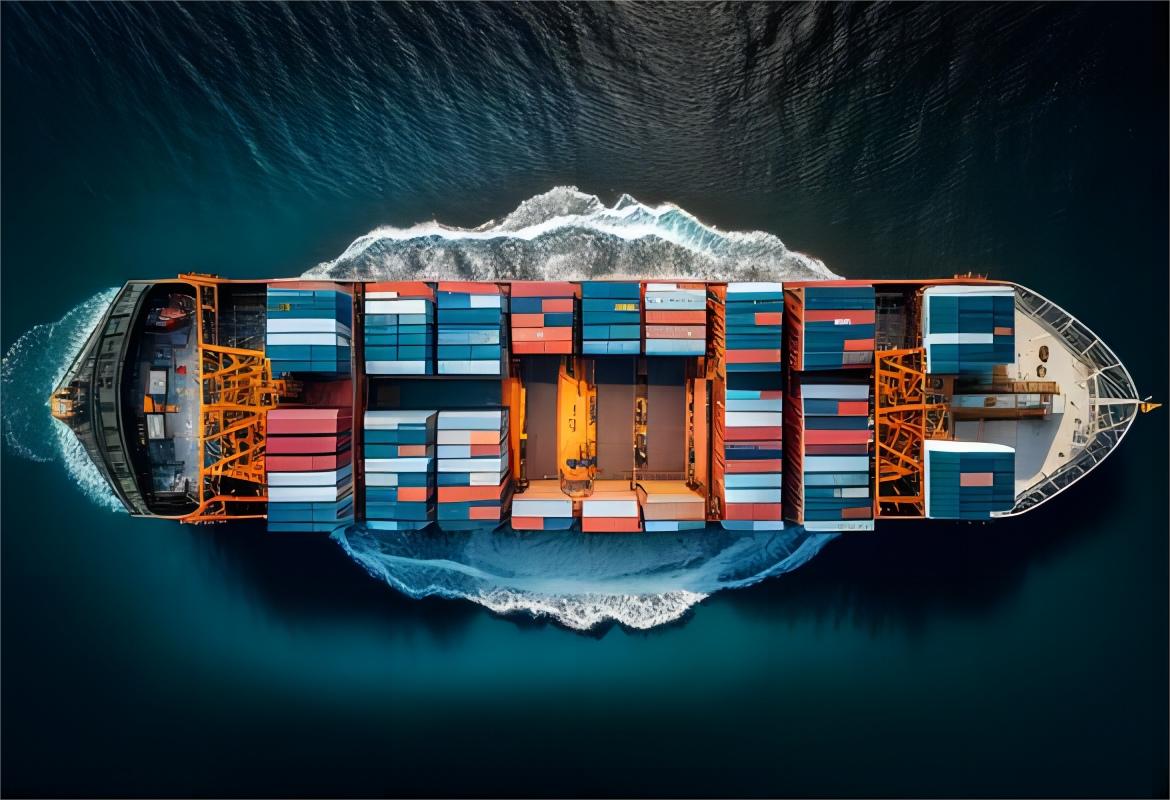
Businesses typically choose between several transportation modes depending on their budget, urgency, and cargo volume. For most bulk shipments, sea freight remains the most popular choice due to its cost-effectiveness over long distances. In contrast, companies dealing with high-value or time-sensitive goods often prefer the speed of air transport. Each method has distinct advantages that cater to different business needs and supply chain strategies.
Moreover, the choice between Full Container Load (FCL) and Less than Container Load (LCL) significantly impacts your shipping costs and handling procedures. FCL is ideal for large volumes that fill an entire 20-foot or 40-foot container, providing better security and faster processing. Meanwhile, LCL allows smaller businesses to share container space, making it a flexible option for shipments that do not require a full unit. Consequently, selecting the right method involves balancing the trade-offs between speed, safety, and price.
The Role of Express Services
When urgency is the top priority, express service provides the fastest door-to-door delivery from China to Brazil. These services utilize global networks like DHL, FedEx, or UPS to bypass traditional freight forwarding delays. However, the convenience of express shipping comes at a premium price, usually calculated per kilogram. Therefore, it is best reserved for documents, samples, or critical spare parts that need to arrive within a few days.
How Much Does Shipping from China to Brazil Cost in 2026?
Freight rates from China to South America are subject to frequent fluctuations based on fuel prices, seasonal demand, and global economic conditions. As of early 2026, sea freight rates have stabilized following the logistical shifts of previous years. On average, shipping a 40HQ container from Shanghai to Santos ranges between $3,500 and $5,500 depending on the carrier and season. In addition to the base ocean freight, importers must account for local charges, insurance, and terminal handling fees.
Furthermore, air freight costs are calculated based on either actual weight or volumetric weight, whichever is higher. For 2026, typical air freight rates hover between $6.00 and $12.00 per kilogram for standard cargo. During peak seasons, such as the lead-up to the holiday period or Carnival, these rates can spike significantly due to limited belly capacity on commercial flights. Accordingly, planning your shipments well in advance is essential to securing the best possible rates.
| Container Type | Rate Range (USD) | Transit Time | Best For |
|---|---|---|---|
| 20GP (FCL) | $2,200 – $3,500 | 35-45 Days | Heavy machinery, dense goods |
| 40GP (FCL) | $3,200 – $4,800 | 35-45 Days | General consumer goods |
| 40HQ (FCL) | $3,500 – $5,500 | 35-45 Days | Bulky or light-weight cargo |
| LCL (per CBM) | $120 – $250 | 45-55 Days | Small business shipments |
How Does Sea Freight Compare to Other Shipping Options?
When analyzing logistics strategies, sea freight stands out as the backbone of the China-Brazil trade route. While it is considerably slower than air transport, the cost savings for large volumes are undeniable. For instance, shipping 500 kilograms via sea might cost a fraction of what an air carrier would charge for the same weight. Nevertheless, the long transit time requires businesses to maintain higher inventory levels to avoid stockouts.
On the other hand, air freight offers unparalleled speed, which is crucial for perishable goods or high-tech components with short lifecycles. Hybrid solutions, such as sea-air combinations via intermediate hubs, have also gained traction in 2026. These alternative strategies allow importers to balance the high cost of air and the slow pace of sea. By shipping goods via sea to a hub like Panama and then flying them to Brazil, companies can save 30% on costs compared to pure air freight while arriving 15 days faster than pure sea freight.
| Method | Cost Level | Speed | Reliability |
|---|---|---|---|
| Sea Freight | Low | Slow (35-50 days) | Moderate |
| Air Freight | High | Fast (5-10 days) | High |
| Express | Very High | Ultra-Fast (3-7 days) | Very High |
| Sea-Air Hybrid | Medium | Moderate (15-22 days) | High |

Which Option Should You Choose for Your Business?
Selecting the optimal shipping route depends on your specific business priorities and the nature of your products. If your primary goal is budget optimization and you have a flexible delivery schedule, sea freight is the logical choice. This is especially true for commodities, furniture, and large electronics that can withstand a month-long journey. Conversely, if you are fulfilling urgent orders or shipping high-margin items, air freight provides the necessary agility to meet market demands.
Without a doubt, the volume of your shipment also dictates the most economical choice. For shipments under 100 kilograms, express or air freight is usually more practical due to the high fixed costs associated with sea freight documentation. However, once your shipment exceeds 2 CBM or 500 kilograms, the cost-per-unit advantage of sea freight becomes significant. We recommend consulting with a door to door service provider to evaluate the total landed cost before making a final decision.
Understanding Brazil Customs and Import Duties
Brazil is known for having one of the most complex customs environments in the world. The country utilizes a sophisticated system called Siscomex to track all import and export activities. Importers must be registered with the Brazilian Internal Revenue Service and possess a RADAR license to operate. Furthermore, the tax structure includes several layers such as Import Duty (II), Industrialized Products Tax (IPI), and the state-level ICMS tax.
Consequently, failing to comply with local regulations can lead to severe penalties, cargo seizures, or lengthy delays at the port of entry. Professional customs brokerage services are essential for navigating these hurdles successfully. These experts ensure that all HS codes are classified correctly and that all necessary permits are obtained before the cargo arrives in Brazil. Indeed, a proactive approach to customs documentation can save thousands of dollars in demurrage and detention fees.
Essential Documentation Checklist
To ensure a smooth clearance process, you must prepare a comprehensive set of documents. This includes the Commercial Invoice, Packing List, Bill of Lading (or Air Waybill), and the Import Declaration (DI). In addition, certain products like medical devices or food items may require specific licenses from agencies like ANVISA or MAPA. Always verify the specific requirements for your product category well before the ship leaves the Chinese port.
Real-World Case Studies of China to Brazil Logistics
Examining real-life scenarios provides valuable insights into the practical challenges and costs of shipping to Brazil. These cases reflect typical market conditions in early 2026 and highlight the importance of choosing the right logistics partner.
Case Study 1: Large Scale Electronics Import Route: Shenzhen, China to Santos, Brazil Cargo: Consumer Electronics, 68 CBM, 12,500 kg Container: 1 x 40HQ Shipping Details: – Carrier: Maersk – Port of Loading: Shenzhen – Port of Discharge: Santos – Route Type: Direct Cost Breakdown: – Ocean Freight: $4,200 – Origin Charges: $450 – Destination Charges: $1,100 – Customs & Duties: $15,800 (Estimated) – Total Landed Cost: $21,550 Timeline: – Booking to Loading: 5 days – Sea Transit: 38 days – Customs Clearance: 7 days – Total Door-to-Door: 50 days Key Insight: Using FCL allowed the importer to minimize handling damage and benefit from a lower per-unit shipping cost despite high Brazilian import taxes.
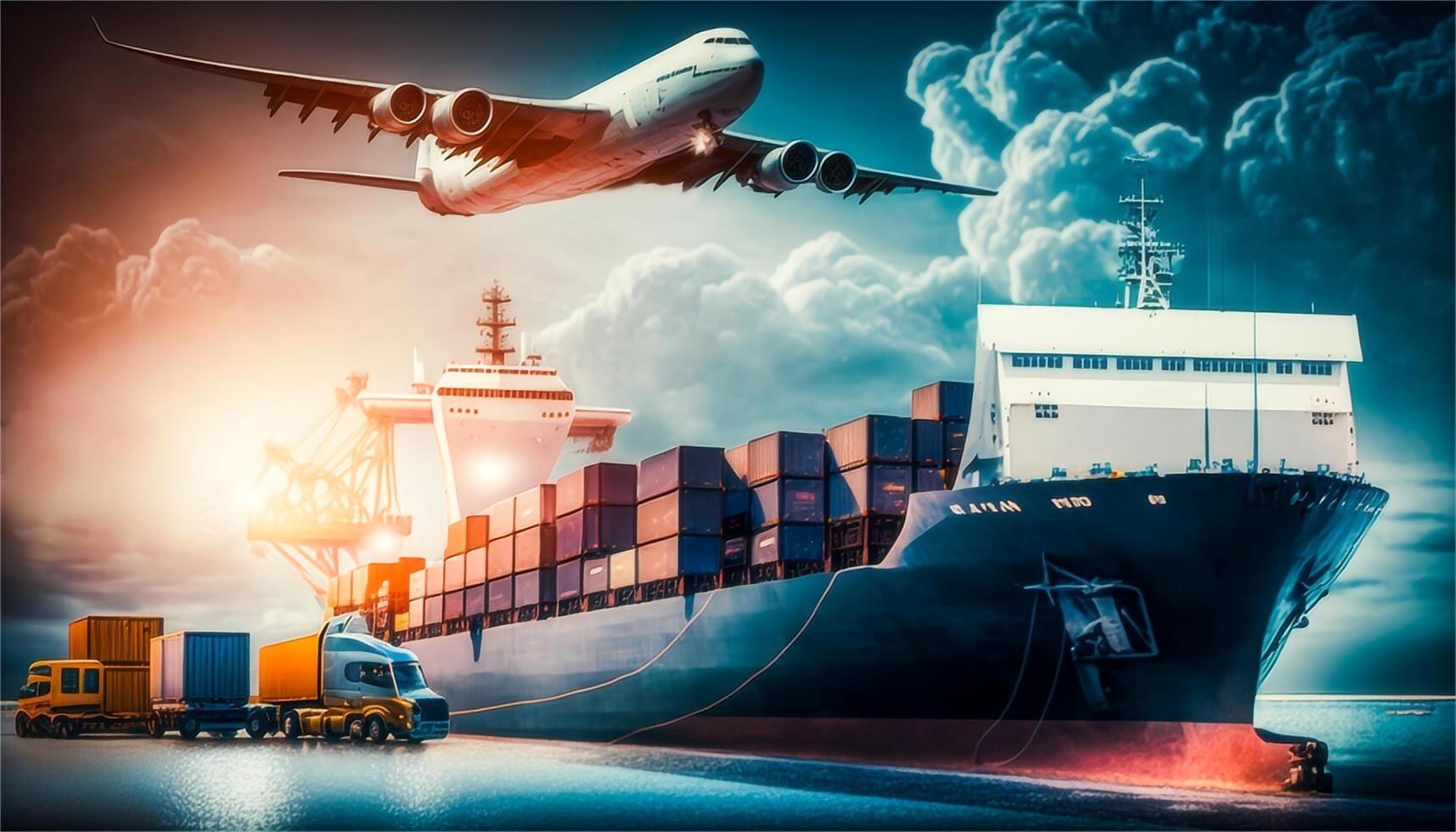
Case Study 2: Urgent Industrial Spare Parts Route: Shanghai, China to Guarulhos (GRU), Brazil Cargo: CNC Machine Components, 1.2 CBM, 320 kg Shipping Method: Air Freight Shipping Details: – Carrier: Qatar Airways Cargo – Port of Loading: Shanghai Pudong – Port of Discharge: Sao Paulo Guarulhos – Route Type: Transshipment via Doha Cost Breakdown: – Air Freight: $2,880 ($9.00/kg) – Origin Charges: $120 – Destination Charges: $350 – Customs & Duties: $2,100 – Total Landed Cost: $5,450 Timeline: – Booking to Loading: 2 days – Air Transit: 3 days – Customs Clearance: 3 days – Total Door-to-Door: 8 days Key Insight: Air freight was chosen to prevent a factory shutdown in Brazil. The higher shipping cost was justified by the millions saved in production downtime.
Tips to Reduce Your Total Landed Cost
Reducing shipping costs requires a combination of smart planning and operational efficiency. One effective strategy is to consolidate multiple small orders into a single LCL or FCL shipment to reduce fixed documentation fees. Additionally, negotiating Incoterms like FOB (Free on Board) instead of CIF (Cost, Insurance, and Freight) gives you more control over the logistics process and pricing. By choosing your own freight forwarder, you can often secure better rates than those provided by the supplier.
Moreover, consider the geographical location of your Brazilian destination. Shipping to ports in the north, such as Manaus, may offer tax incentives through the Free Trade Zone, but it often involves complex river transport. In contrast, southern ports like Santos or Itajai offer better infrastructure but higher congestion levels. Therefore, analyzing the entire supply chain from the Chinese factory to the final Brazilian warehouse is crucial for identifying cost-saving opportunities.
Mastering Your Logistics Strategy
In conclusion, successful shipping from China to Brazil in 2026 depends on a deep understanding of methods, costs, and customs regulations. While the route presents unique challenges, particularly regarding Brazilian tax laws and transit distances, the right logistics partner can simplify the process. By weighing the benefits of sea and air freight and preparing documentation meticulously, you can ensure your goods arrive safely and on time.
Note: Freight rates are subject to change based on fuel costs, carrier capacity, and seasonal demand. Contact us for a current quote tailored to your specific shipment.
Ready to streamline your logistics?
Ready to streamline your supply chain and reduce expenses? Contact our expert team today for a customized quote on shipping from China to Brazil. Visit our website to learn more or send us an inquiry to get started with your next shipment.
Request Quote