

Shipping Cost China to Brazil: 2026 Freight Rate and Logistics Guide
Understanding the complex variables that determine the shipping cost China to Brazil is essential for maintaining a competitive edge in the global market. As trade relations strengthen in 2026, businesses must navigate fluctuating fuel prices, port congestion, and evolving customs regulations to optimize their logistics budgets. By partnering with a reliable freight forwarder like Top China Freight, importers can access streamlined shipping solutions tailored to the specific needs of the South American market. This guide provides a detailed breakdown of current freight rates, transit times, and strategic advice for reducing your total landed cost.
✦
What Factors Determine the Shipping Cost China to Brazil?
Several critical elements influence the final price you pay for transporting goods from Chinese manufacturing hubs to Brazilian ports. Distance remains a primary factor, as the route from East Asia to South America is one of the longest maritime journeys in the world. Consequently, fuel surcharges and carrier capacity play a more significant role here than on shorter routes.
Market demand fluctuates seasonally, with peak periods typically occurring between August and October as retailers prepare for the holiday season. During these months, freight rates often see a 20 percent increase due to limited space on vessels. Additionally, the type of cargo you are shipping determines whether you need specialized equipment like refrigerated containers or open tops, which adds to the base cost.
Port efficiency in both China and Brazil also impacts the overall expense. While Chinese ports like Shanghai and Ningbo are highly automated, Brazilian ports such as Santos can occasionally experience congestion. Therefore, delays in berthing can lead to demurrage and detention charges, which significantly inflate the shipping cost China to Brazil.
Currency exchange rates between the US Dollar, Chinese Yuan, and Brazilian Real introduce another layer of complexity. Since international freight is predominantly priced in USD, a weakening Real can make shipping more expensive for Brazilian importers. Meanwhile, local labor costs and inland transportation fees within Brazil must be accounted for in your total logistics budget.
Sea Freight Options: FCL vs LCL for the Brazilian Route
Choosing between Full Container Load (FCL) and Less than Container Load (LCL) is the most significant decision for maritime transport. If your cargo volume exceeds 15 cubic meters, sea freight via FCL is generally the most cost-effective solution. This method provides you with exclusive use of a 20ft or 40ft container, ensuring better security and faster handling at the port.
Conversely, LCL allows you to share container space with other shippers, which is ideal for smaller volumes. Although the cost per cubic meter is higher in LCL, the total price is lower for small batches. However, LCL shipments often take longer because the carrier must consolidate and de-consolidate the cargo at both ends of the journey.
Transit times for sea freight typically range from 35 to 45 days depending on whether the service is direct or involves transshipment. Most vessels traveling to Brazil stop at major hubs like Singapore or ports in South Africa before reaching the Atlantic coast. Consequently, you must plan your inventory cycles well in advance to account for these long lead times.
| Container Type | Estimated Cost (USD) | Capacity | Best For |
|---|---|---|---|
| 20ft GP | $2,800 – $3,800 | 33 CBM | Heavy machinery or dense goods |
| 40ft GP | $4,200 – $5,500 | 67 CBM | General consumer goods |
| 40ft HQ | $4,500 – $6,000 | 76 CBM | High-volume, lightweight cargo |
| LCL (per CBM) | $120 – $180 | Variable | Small business shipments |

Air Freight: Speed and Reliability for Urgent Cargo
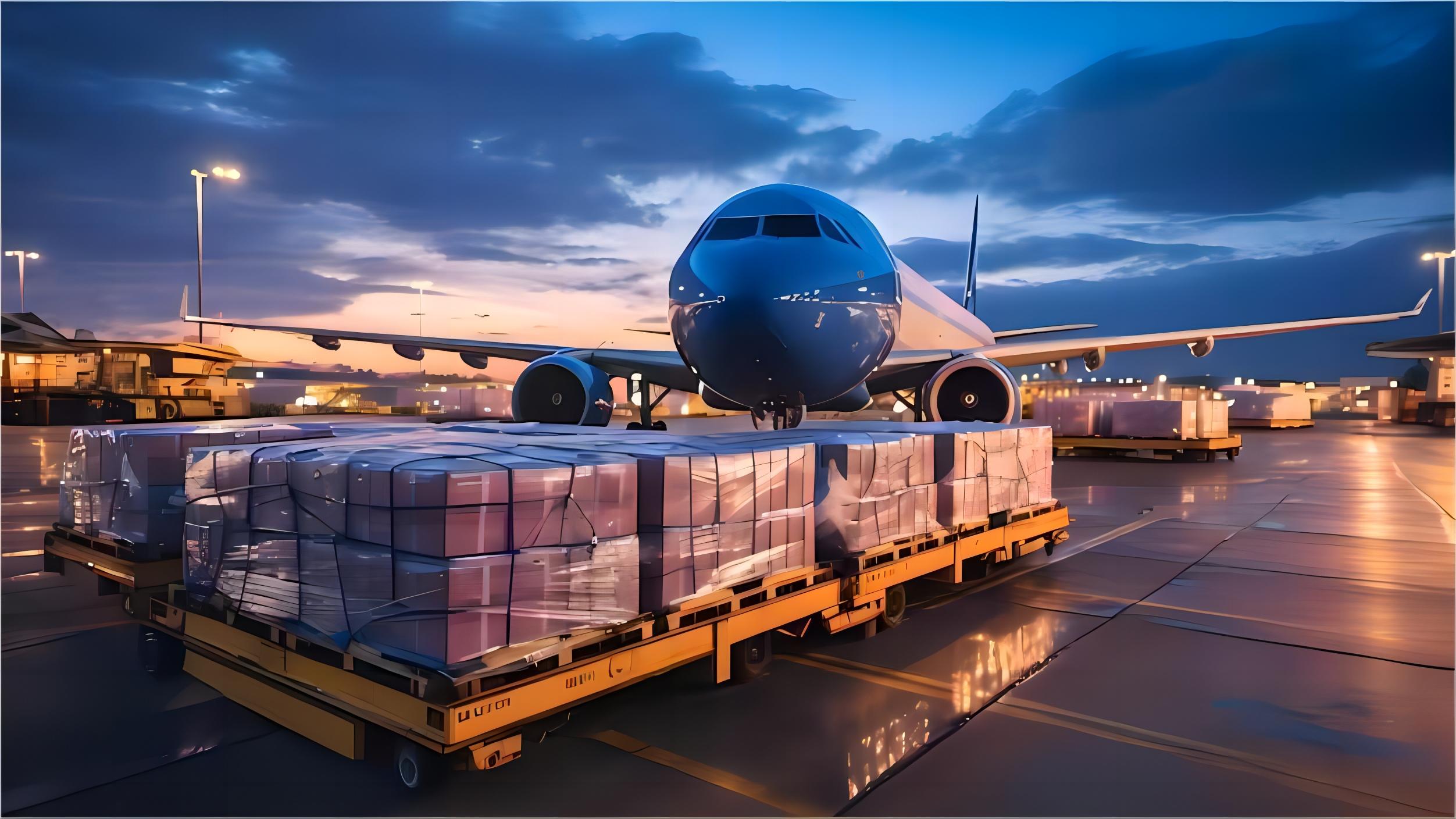
When time is the most critical factor, air freight offers the fastest connection between China and Brazil. While sea freight takes over a month, air transport can deliver goods to major airports like Sao Paulo-Guarulhos (GRU) in just 5 to 10 days. This speed is essential for high-value electronics, pharmaceuticals, or urgent replacement parts for industrial machinery.
Pricing for air freight is calculated based on either actual weight or volumetric weight, whichever is greater. As of early 2026, rates are stabilizing but remain significantly higher than maritime options. Furthermore, air cargo is subject to stricter security regulations and weight limitations, which can affect the packaging requirements for your shipment.
Selecting air freight can often reduce other indirect costs, such as insurance premiums and warehousing fees. Because the transit time is short, your capital is tied up in inventory for a much shorter period. Nevertheless, the high cost per kilogram means this method is usually reserved for shipments where the value-to-weight ratio justifies the expense.
How Does Sea Freight Compare to Other Shipping Options?
Evaluating sea freight against alternatives is vital for optimizing your supply chain. While sea freight is the backbone of China-Brazil trade, other methods like air freight or international express offer different balances of cost and speed. In 2026, we are also seeing more hybrid solutions that combine different modes of transport to bypass port congestion.
For example, sea-air solutions might involve shipping goods by sea to a hub like Dubai and then flying them to Brazil. This approach can be 30 percent cheaper than pure air freight while being twice as fast as traditional sea freight. In contrast, for very small packages, express services are the most convenient but also the most expensive per unit.
| Shipping Method | Cost Range | Transit Time | Limitations |
|---|---|---|---|
| Sea Freight (FCL) | Low ($3k-$6k) | 35-45 Days | Longest lead time |
| Sea Freight (LCL) | Medium-Low | 40-55 Days | Risk of damage/loss |
| Air Freight | High ($6-$12/kg) | 5-10 Days | Weight/Size limits |
| Express Service | Very High | 3-7 Days | Expensive for bulk |
Which Option Should You Choose? Decision Framework
Budget priority: If your primary goal is to minimize the shipping cost China to Brazil, sea freight FCL is the undisputed winner for large volumes. For businesses with flexible timelines, scheduling shipments during the off-peak season (March to June) can save an additional 15 percent on freight rates.
Speed priority: If you are facing a stockout or shipping perishable items, air freight is the only viable choice. Even though the cost is higher, the ability to meet market demand quickly can prevent lost sales that far outweigh the shipping premium.
Cargo type considerations: Heavy or oversized equipment must go via sea freight, often requiring flat rack or open-top containers. Meanwhile, sensitive electronics or luxury goods benefit from the enhanced security and climate control available in air transport.
Volume thresholds: As a general rule, if your shipment is under 100kg, express is best. Between 100kg and 500kg, compare LCL and air freight. Over 500kg, sea freight becomes the most economical choice for most non-urgent commodities.
The Impact of Customs and Taxes on Total Landed Cost
Navigating the Brazilian customs landscape is often more challenging than the physical transport of goods. Brazil has a complex tax structure including Import Duty (II), Industrialized Products Tax (IPI), and various social contributions like PIS and COFINS. Therefore, hiring a professional customs brokerage service is highly recommended to avoid costly fines and delays.
Accurate documentation is the key to a smooth clearance process. You must ensure that the Commercial Invoice, Packing List, and Bill of Lading match the physical cargo exactly. Any discrepancies can lead to the cargo being held in the ‘Red Channel’ for intensive physical inspection, which incurs daily storage fees at the port.
Market data suggests that taxes and administrative fees can add 60 to 100 percent to the original value of the goods. Consequently, calculating the shipping cost China to Brazil without including these duties will lead to an inaccurate financial forecast. Always verify the NCM (Nomenclatura Comum do Mercosul) codes for your products to determine the exact tax rates applicable.
Real-World Case Studies for China-Brazil Logistics
Case Study 1: Electronics from Shenzhen to Santos. Cargo: 500 sets of home audio equipment, 28 CBM, 4500 kg. Container: 1x20GP. Shipping Details: Carrier: COSCO. Port of Loading: Shenzhen. Port of Discharge: Santos. Route Type: Direct. Cost Breakdown: Ocean Freight: $3,200. Origin Charges: $450. Destination Charges: $800. Customs and Duties: $12,500. Total Landed Cost: $16,950. Timeline: Total Door-to-Door: 48 days. Key Insight: Booking 4 weeks in advance secured a rate 15 percent lower than the market average.
Case Study 2: Industrial Spare Parts from Shanghai to Sao Paulo. Cargo: Critical CNC components, 0.8 CBM, 180 kg. Shipping Method: Air Freight. Shipping Details: Carrier: Qatar Airways Cargo. Port of Loading: Shanghai Pudong. Port of Discharge: Sao Paulo GRU. Route Type: Transshipment via Doha. Cost Breakdown: Air Freight: $1,620. Origin Charges: $150. Destination Charges: $300. Customs and Duties: $2,100. Total Landed Cost: $4,170. Timeline: Total Door-to-Door: 9 days. Key Insight: Using air freight allowed the factory to resume operations 4 weeks earlier than sea freight would have permitted.
Case Study 3: Textiles from Ningbo to Itajai. Cargo: Finished garments, 12 CBM, 2200 kg. Shipping Method: Sea Freight LCL. Shipping Details: Carrier: Hapag-Lloyd. Port of Loading: Ningbo. Port of Discharge: Itajai. Route Type: Transshipment via Singapore. Cost Breakdown: Ocean Freight: $1,800. Origin Charges: $250. Destination Charges: $650. Customs and Duties: $4,400. Total Landed Cost: $7,100. Timeline: Total Door-to-Door: 54 days. Key Insight: Consolidation services helped this small retailer manage cash flow by avoiding the need to fill a whole container.

Cost-Saving Strategies for 2026 Shipments
Optimizing your packaging can lead to significant savings, especially for LCL and air freight where volume determines the price. By reducing wasted space in your boxes, you can fit more units into a single shipment and lower the cost per item. Additionally, consider using door to door services to consolidate all logistics costs into a single, predictable invoice.
Consolidating multiple small orders from different suppliers into one FCL shipment is another effective strategy. This approach reduces the number of customs entries you need to file and lowers the per-unit handling fees at the destination port. Furthermore, for very small samples or documents, utilizing an express service is often cheaper than standard freight due to the lack of complex port fees.
Negotiating long-term contracts with freight forwarders can provide price stability in a volatile market. While spot rates might occasionally be lower, a fixed contract protects you from sudden price spikes during peak seasons. Finally, always maintain a buffer in your delivery schedule to avoid the need for expensive last-minute air freight when sea shipments are slightly delayed.
Strategic Management of Your China-Brazil Logistics
Managing the shipping cost China to Brazil effectively requires a combination of early planning, choosing the right transport mode, and understanding the local tax environment. Whether you prioritize the speed of air freight or the economy of sea freight, staying informed about 2026 market trends is crucial.
By implementing the cost-saving strategies discussed in this guide, you can significantly improve your profit margins and supply chain reliability. Remember that the lowest freight rate is not always the best value if it results in hidden delays or customs complications. Focus on total landed cost and partner with experienced professionals to ensure your business thrives in the competitive Brazil-China trade corridor.