Shipping Quote China to Brazil: 2026 Freight Costs and Guide
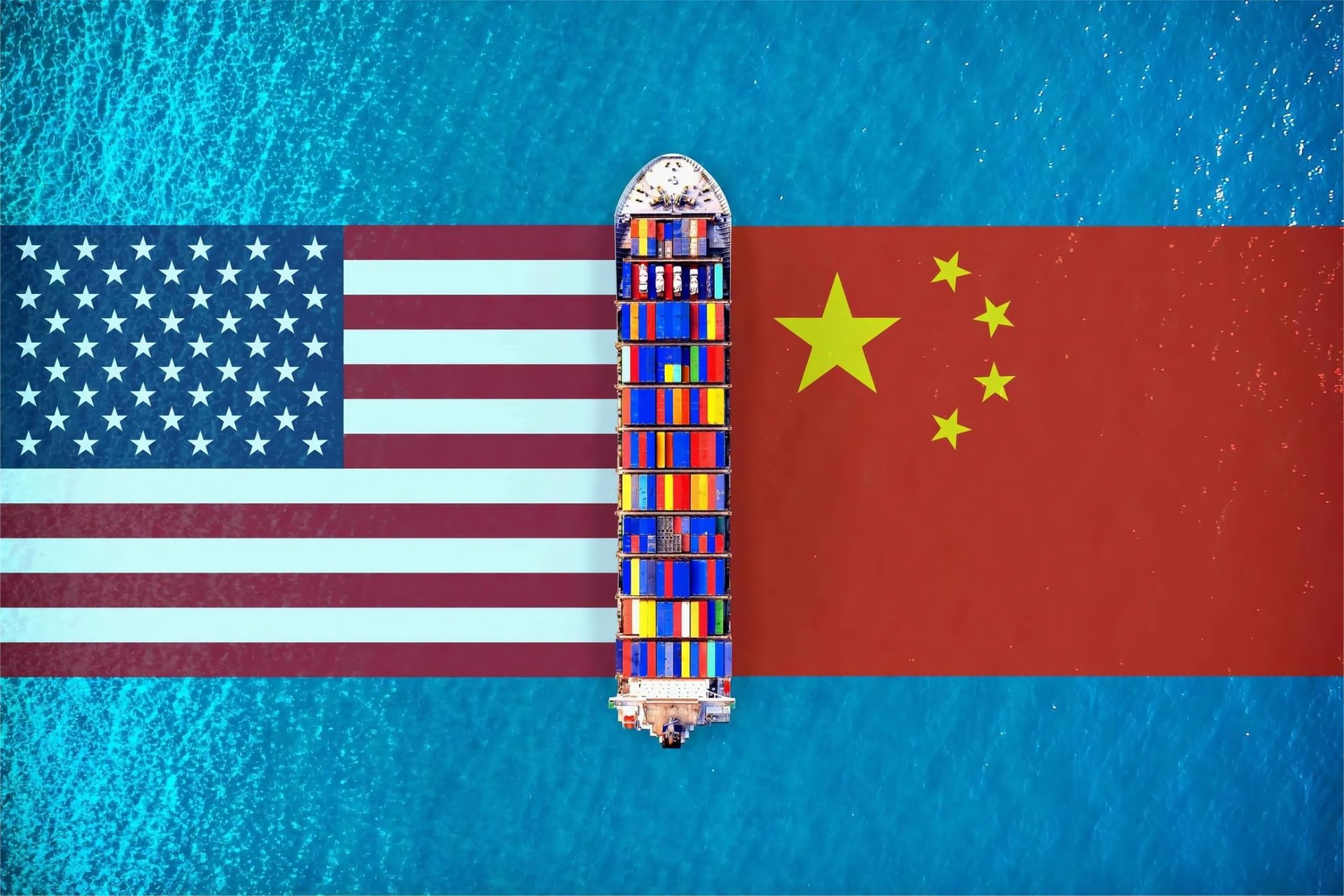
Securing an accurate shipping quote china to brazil is a fundamental step for any business looking to tap into the vibrant South American market in 2026. Navigating the vast distance between Asian manufacturing hubs and Brazilian ports requires a strategic approach to logistics that balances cost with speed. By partnering with Top China Freight, importers can access streamlined shipping solutions that simplify the complex international trade corridor between these two economic powerhouses.
How to Get the Best Shipping Quote China to Brazil in 2026?
Obtaining a competitive shipping quote china to brazil requires understanding the specific variables that dictate market pricing. In 2026, freight rates have stabilized following global supply chain adjustments, but regional demand in Brazil continues to influence seasonal fluctuations. Consequently, shippers must provide detailed information regarding cargo weight, volume, and the desired port of entry to receive an accurate estimate.
Furthermore, the choice between different transport modes significantly impacts the final cost. While some businesses prioritize the lowest possible price, others require rapid delivery to meet tight inventory schedules. Therefore, it is essential to request quotes that break down ocean freight, surcharges, and local handling fees to avoid unexpected expenses during the transit process.
Additionally, market intelligence suggests that booking at least three to four weeks in advance can help secure better rates. Many carriers offer early-bird discounts for those who plan their shipments ahead of the peak season, which typically runs from August to October. Indeed, proactive communication with your logistics provider ensures that you receive the most current market data and availability.

What Factors Influence Your Shipping Quote China to Brazil?
Several critical factors determine the final price of your shipping quote china to brazil, starting with the volume and weight of the goods. For instance, large shipments of heavy machinery will naturally incur higher costs than smaller batches of consumer electronics. Moreover, the distance between the specific city of origin in China and the final destination in Brazil plays a major role in inland transportation costs.
Fuel surcharges, often referred to as the Bunker Adjustment Factor, represent another variable that fluctuates based on global oil prices. In 2026, these surcharges remain a significant component of the total freight bill. Meanwhile, seasonal demand during holidays like the Lunar New Year or Brazil’s Carnival can lead to temporary spikes in pricing due to limited vessel capacity.
Customs duties and taxes in Brazil are notoriously complex compared to other regions. As a result, your logistics strategy must account for the Brazilian RADAR system and various import taxes like ICMS and IPI. Utilizing a professional customs brokerage service can help mitigate these costs by ensuring proper tariff classification and compliance.
| Container Type | Average Cost (USD) | Transit Time (Days) | Capacity (CBM) |
|---|---|---|---|
| 20GP Standard | $2,400 – $3,200 | 35 – 45 Days | 33 CBM |
| 40GP Standard | $3,800 – $4,800 | 35 – 45 Days | 67 CBM |
| 40HQ High Cube | $4,200 – $5,500 | 35 – 45 Days | 76 CBM |
| LCL (per CBM) | $120 – $180 | 40 – 50 Days | Variable |
How Does Sea Freight Compare to Other Shipping Options?
When evaluating a shipping quote china to brazil, comparing different transport methods is vital for cost-benefit analysis. Sea freight remains the most popular choice for bulk shipments due to its unmatched economy of scale. However, the long transit time around the African coast or through the Panama Canal means businesses must maintain higher inventory levels.
On the other hand, air freight offers unparalleled speed for high-value or time-sensitive items. While much more expensive, it reduces the risk of damage and theft during long sea voyages. Consequently, many electronics and pharmaceutical companies prefer air transport to maintain a lean supply chain. Additionally, hybrid solutions like sea-air combinations are becoming more common as a middle-ground alternative.
Without a doubt, the choice depends on your specific business needs and the nature of your cargo. For example, a shipment of textiles might be perfectly suited for a slow ocean voyage, whereas a replacement part for a factory line would require the speed of an express service. In 2026, data suggests that over 85 percent of total tonnage between China and Brazil still moves via ocean vessels.
| Method | Cost Range | Transit Time | Best For | Limitations |
|---|---|---|---|---|
| Sea Freight | Low | 35 – 50 Days | Bulk, Heavy Goods | Long Lead Times |
| Air Freight | High | 5 – 10 Days | Electronics, Samples | Weight Limits |
| Express | Very High | 3 – 7 Days | Urgent Documents | High Cost |
| Sea-Air | Medium | 20 – 25 Days | Fashion, Tech | Complex Handling |
Which Option Should You Choose? Decision Framework
Choosing the right logistics path involves a clear assessment of your budget and delivery deadlines. If your priority is budget and you are shipping more than 15 cubic meters, Full Container Load (FCL) sea freight is almost always the best recommendation. Conversely, for smaller shipments under 2 cubic meters, LCL or air freight might be more practical to avoid the high fixed costs of a full container.
Speed priority requires a different approach entirely. If your goods must arrive in Sao Paulo within two weeks, air freight is the only viable solution. Meanwhile, for e-commerce sellers, using an Amazon FBA logistics specialist can help manage the specific labeling and delivery requirements for Brazilian fulfillment centers.
Cargo type also dictates the method. Perishable goods or hazardous materials require specialized handling that may limit your options to specific carriers or faster routes. Therefore, always consult with your freight forwarder about the specific requirements of your product category before finalizing your shipping quote china to brazil.
Understanding the Role of Door-to-Door Logistics
Implementing a door to door service can significantly reduce the administrative burden on your team. This comprehensive solution covers everything from the initial pickup at the Chinese factory to the final delivery at your warehouse in Brazil. Consequently, you only need to manage a single point of contact rather than multiple vendors across different continents.
In addition, door-to-door services often include customs clearance and local trucking, which are frequently the most challenging parts of the Brazilian logistics chain. By integrating these steps, you minimize the risk of communication gaps that lead to port storage fees or demurrage charges. Indeed, this approach provides the highest level of transparency for your shipping quote china to brazil.
Furthermore, many modern logistics providers offer digital tracking platforms that allow you to monitor your cargo in real-time. This visibility is crucial for managing customer expectations and planning local distribution in Brazil. As a result, businesses can operate more efficiently with predictable arrival times and consolidated billing.
Navigating Brazilian Customs: Why a Broker Matters
Brazilian customs regulations are among the most stringent in the world, requiring precise documentation and adherence to local laws. For instance, every importer must have a valid RADAR license before they can legally bring goods into the country. Without this registration, your shipment could be seized or delayed indefinitely at the port of entry.
Moreover, the calculation of taxes like the Import Tax (II), Industrialized Products Tax (IPI), and Social Integration Program (PIS) requires expert knowledge. A mistake in the NCM (Mercosur Common Nomenclature) code can result in heavy fines that far exceed the original shipping quote china to brazil. Therefore, investing in a professional customs broker is a strategic necessity rather than an optional expense.
In contrast to simpler markets, Brazil often requires original paper documents for certain types of cargo. Consequently, your logistics partner must ensure that all paperwork is sent via courier well in advance of the vessel’s arrival. This attention to detail prevents costly delays and ensures a smooth transition from the port to your final destination.

Case Studies: Real-World Shipping Scenarios
Reviewing real-world examples helps illustrate the practical application of different shipping strategies. These cases reflect typical market conditions in 2025 and 2026, highlighting the costs and timelines associated with popular routes from China to Brazil.
— Case Study 1: Electronics from Shenzhen to Santos —
Route: Shenzhen, China to Santos, Brazil | Cargo: Consumer Electronics, 28 CBM, 4,500 kg | Container: 20GP Standard | Shipping Details: Major carrier, Direct Route | Cost Breakdown: Ocean Freight: $2,850; Origin Charges: $450; Destination Charges: $900; Customs and Duties: $4,200; Total Landed Cost: $8,400 | Timeline: Booking to Loading: 5 days; Sea Transit: 38 days; Customs Clearance: 7 days; Total Door-to-Door: 50 days | Key Insight: Direct shipping saved 6 days compared to transshipment via Singapore, which was crucial for the product launch.
— Case Study 2: Industrial Machinery from Ningbo to Paranagua —
Route: Ningbo, China to Paranagua, Brazil | Cargo: CNC Machinery, 15 CBM, 8,000 kg | Container: LCL (Less than Container Load) | Shipping Details: Transshipment via Busan | Cost Breakdown: Ocean Freight: $2,100 ($140/CBM); Origin Charges: $350; Destination Charges: $1,100; Customs and Duties: $6,500; Total Landed Cost: $10,050 | Timeline: Booking to Loading: 7 days; Sea Transit: 45 days; Customs Clearance: 10 days; Total Door-to-Door: 62 days | Key Insight: LCL was more economical than a 20GP, but required extra time for consolidation and deconsolidation at the ports.
— Case Study 3: Fashion Apparel from Guangzhou to Sao Paulo —
Route: Guangzhou, China to Sao Paulo (GRU), Brazil | Cargo: High-end Apparel, 3 CBM, 600 kg | Method: Air Freight | Shipping Details: Direct Air Cargo | Cost Breakdown: Air Freight: $5,400 ($9/kg); Origin Charges: $200; Destination Charges: $500; Customs and Duties: $3,100; Total Landed Cost: $9,200 | Timeline: Booking to Loading: 2 days; Air Transit: 3 days; Customs Clearance: 4 days; Total Door-to-Door: 9 days | Key Insight: Speed was the priority to meet a seasonal fashion deadline, justifying the 3x higher cost compared to sea freight.
Market Trends and 2026 Outlook for China-Brazil Trade
As we progress through 2026, the trade relationship between China and Brazil continues to expand into new sectors like green energy and electric vehicles. Consequently, freight carriers are introducing more specialized vessels to handle oversized cargo and lithium-ion batteries. These technological advancements are slowly helping to stabilize the shipping quote china to brazil by increasing overall capacity.
Meanwhile, port infrastructure improvements in Brazil, particularly in the Santos and Itajai regions, are aimed at reducing the historical bottleneck issues. Nevertheless, shippers should still account for potential congestion during the peak export season for Brazilian commodities like soy and iron ore. These macro-economic cycles often influence the availability of empty containers for return trips to China.
Finally, the shift toward digital logistics is making it easier for small and medium enterprises to access global markets. Online quoting tools and automated documentation processes are reducing the margin for human error. Therefore, businesses that embrace these digital trends will likely see more consistent pricing and fewer logistical surprises in the coming years.
Summary of Shipping from China to Brazil
To summarize, finding the right shipping quote china to brazil involves a careful balance of transport mode, transit time, and customs expertise. Whether you choose the cost-effective nature of sea freight or the rapid delivery of air transport, understanding the underlying factors of 2026 market rates is essential. By planning ahead and working with experienced logistics providers, you can navigate the complexities of Brazilian imports with confidence and efficiency.
Note: Freight rates are subject to change based on fuel costs, carrier capacity, and seasonal demand. Contact us for a current quote tailored to your specific shipment.
Need a tailored shipping solution?
Ready to streamline your South American supply chain? Contact Top China Freight today for a personalized shipping quote china to brazil that meets your specific budget and timeline. Our team of experts is standing by to handle your customs clearance and international logistics. Visit our website to Send Inquiry and get started with a professional freight partner.