


Shipping Rates from China to UK: 2026 Comprehensive Cost Guide
“Navigating the complexities of international logistics requires a clear understanding of current market dynamics and pricing structures. As we move through 2026, businesses must stay informed about the latest shipping rates from China to UK to maintain healthy profit margins. At Top China Freight, we specialize in providing transparent and competitive logistics solutions tailored to your specific supply chain needs. This guide offers a deep dive into the costs, transit times, and strategic considerations for importing goods into the United Kingdom.”

What Factors Determine Shipping Rates from China to UK in 2026?
❖Understanding the primary drivers of logistics pricing is essential for any importer looking to optimize their budget. Several variables interact to determine the final quote you receive from a freight forwarder.
Fuel prices remain a significant factor, as fluctuations in bunker adjustment factors (BAF) directly impact ocean freight costs. Additionally, seasonal demand cycles, such as the pre-Christmas rush or the post-Chinese New Year lull, cause rates to spike or dip significantly.
Carrier capacity and port congestion also play critical roles in price volatility. For instance, if major ports like Felixstowe or Southampton experience delays, surcharges may be applied to compensate for the extended turnaround times.
Currency exchange rates between the Chinese Yuan, US Dollar, and British Pound further complicate the pricing landscape. Consequently, staying updated on these macroeconomic trends helps businesses anticipate cost changes before they affect the bottom line.
How Much Does Sea Freight Cost for UK Imports?
❖Importers frequently choose sea freight due to its cost-effectiveness for large volumes of goods. However, the choice between Full Container Load (FCL) and Less than Container Load (LCL) depends heavily on your shipment size.
FCL shipping involves renting an entire container, which is usually the most economical option for shipments exceeding 15 cubic meters. Conversely, LCL allows you to share container space with other shippers, making it ideal for smaller consignments.
Market data for Q1 2026 suggests that sea freight rates have stabilized following previous global disruptions. Typical prices for a 40HQ container from major Chinese ports to the UK currently range between 3,500 and 4,500 USD.
Note: Freight rates are subject to change based on fuel costs, carrier capacity, and seasonal demand. Contact us for a current quote tailored to your specific shipment.
| Container Type | Capacity (CBM) | Cost Range (USD) | Transit Time |
|---|---|---|---|
| 20GP Container | 33 CBM | $2,000 – $2,800 | 30-35 Days |
| 40GP Container | 67 CBM | $3,200 – $4,200 | 32-38 Days |
| 40HQ Container | 76 CBM | $3,500 – $4,500 | 32-38 Days |
| LCL (Per CBM) | 1-15 CBM | $50 – $90 | 35-42 Days |

How Does Sea Freight Compare to Other Shipping Options?
❖Selecting the right transport mode requires a careful balance between speed, cost, and cargo requirements. While sea freight is the cheapest for bulk, other methods offer advantages that might better suit your business model.
Air freight provides the fastest transit times, which is crucial for high-value electronics or perishable items. In contrast, rail freight has emerged as a reliable middle ground, offering faster delivery than sea at a lower cost than air.
Hybrid solutions, such as sea-air combinations via Dubai, can also help mitigate high air freight costs while maintaining reasonable delivery schedules. Furthermore, express services are available for urgent documents or small parcels that need to arrive within days.
Specifically, for shipments under 15 CBM, LCL sea freight at 50 to 80 USD per CBM may be more economical than a full container. However, air freight for the same volume could cost 15,000 USD or more, though it arrives in 5 to 7 days instead of 35 days.
| Method | Cost Level | Transit Time | Best For |
|---|---|---|---|
| Sea Freight | Lowest | 30-40 Days | Bulk & Heavy Goods |
| Air Freight | Highest | 3-7 Days | Urgent & High Value |
| Rail Freight | Medium | 18-24 Days | E-commerce & Fashion |
| Express | Premium | 2-5 Days | Samples & Small Parcels |
Can Air Freight Be Cost-Effective for Your Business?
❖Businesses often utilize air freight when time is the most critical factor in their supply chain. Although the per-kilogram cost is higher, the reduced transit time can lead to faster inventory turnover and improved cash flow.
Pricing for air cargo is calculated based on either actual weight or volumetric weight, whichever is higher. Therefore, optimizing your packaging to reduce bulk can significantly lower your air freight costs per kg China to UK.
Typical rates in 2026 for air shipments range from 4.00 to 6.50 USD per kilogram for shipments over 100kg. Moreover, premium carriers may charge more for guaranteed space during peak periods like the electronics launch season.
Indeed, using air freight can minimize the risk of damage and theft compared to longer sea voyages. Consequently, for high-margin products, the added security and speed often justify the higher shipping rates from China to UK.
Why Consider Rail Freight for China to UK Routes?
❖The expansion of the Silk Road rail network has made rail freight a highly attractive option for UK importers. It offers a significant time saving over sea freight while remaining much cheaper than flying goods across continents.
Rail transit times from hubs like Xi’an or Chengdu to London Gateway usually take between 18 and 22 days. Additionally, rail transport is considered more environmentally friendly than air freight, helping companies meet their sustainability goals.
Rates for rail containers are generally 30% to 50% cheaper than air freight for the same volume. For example, a 40-foot container by rail might cost between 6,000 and 8,000 USD depending on the origin city and seasonal demand.
Nevertheless, rail capacity can be limited compared to the massive volume handled by container ships. Therefore, booking rail space at least two weeks in advance is highly recommended to ensure your cargo moves on schedule.
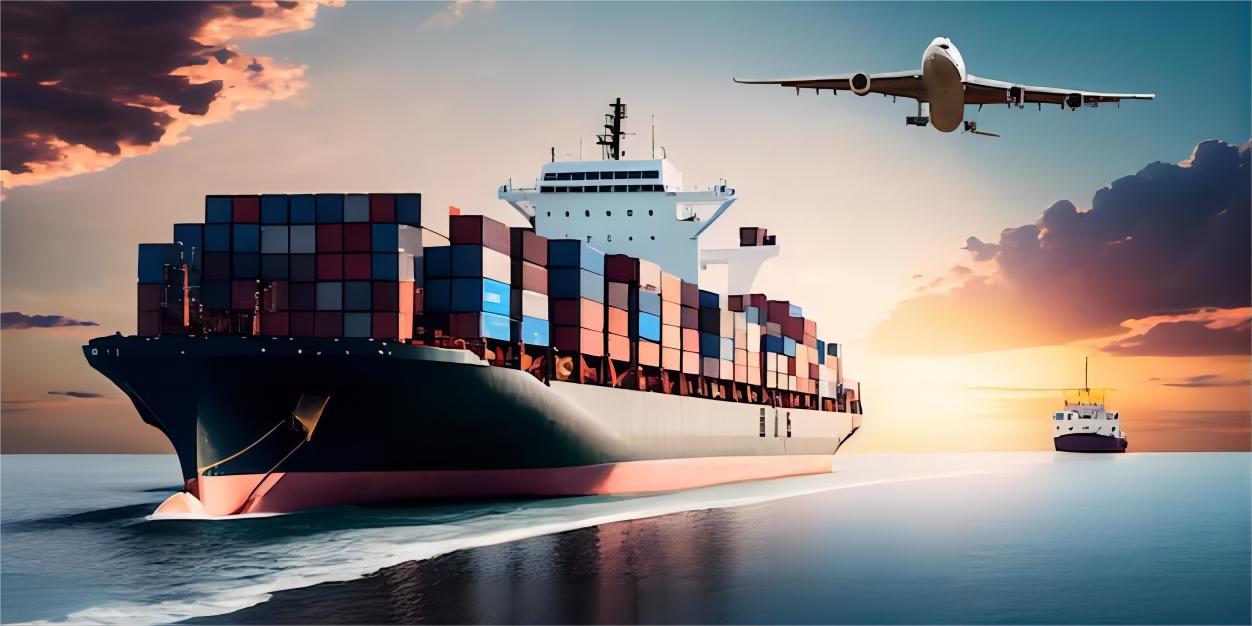
Which Option Should You Choose? Decision Framework
❖Making the right choice depends on your specific priorities regarding budget, speed, and cargo type. If your primary goal is cost reduction and you have ample lead time, sea freight is the undisputed winner for large shipments.
Speed priority dictates the use of air freight or express services to meet tight deadlines or handle urgent stockouts. Meanwhile, if you need a balance of speed and cost, rail freight provides an excellent alternative for mid-sized consignments.
Cargo type considerations also play a role; hazardous materials or oversized machinery may be restricted on planes and are better suited for sea transport. Conversely, fragile electronics benefit from the smoother handling and shorter transit times of air cargo.
Volume thresholds often determine when to switch methods. For instance, once a shipment exceeds 100kg, air freight becomes more economical than express courier, and once it exceeds 1 CBM, sea or rail becomes viable.
How to Manage Amazon FBA Shipping from China to UK?
❖Successful e-commerce sellers rely on efficient Amazon FBA logistics to keep their products in stock. Shipping directly from Chinese factories to UK fulfillment centers requires strict adherence to Amazon’s labeling and packaging standards.
Freight forwarders specialized in FBA can handle the entire process, including customs clearance and final mile delivery to warehouses in Tilbury or Manchester. Furthermore, choosing a specialized service ensures that your goods are not rejected upon arrival due to compliance issues.
Shipping costs from China to UK for FBA are often quoted as ‘all-in’ rates, which include freight, duties, and taxes. This simplifies budgeting for sellers and prevents unexpected expenses from eroding profit margins.
Additionally, utilizing sea-to-door or rail-to-door services can provide a seamless experience for FBA sellers. These end-to-end solutions allow you to focus on marketing while logistics experts manage the movement of your inventory.
What Are the Real-World Costs? Case Studies
❖Reviewing actual shipment data provides a realistic expectation of the current logistics landscape. Below are three distinct scenarios based on Q1 2026 market rates for different cargo types and methods.
Case Study 1: Large Scale Furniture Import. Route: Shanghai to Felixstowe. Cargo: Household furniture, 68 CBM. Container: 40GP. Shipping Details: Direct sea freight via major carrier. Cost Breakdown: Ocean Freight $3,400, Origin Charges $350, Destination Charges $450, Customs $200. Total Landed Cost: $4,400. Timeline: 34 days door-to-door. Key Insight: FCL provided the lowest cost per unit for this bulky cargo.
Case Study 2: Urgent Electronics Restock. Route: Shenzhen to London Heathrow. Cargo: Consumer electronics, 1.2 CBM, 450 kg. Method: Air freight. Shipping Details: Premium air service. Cost Breakdown: Freight $2,160 ($4.80/kg), Handling $150, Customs $120. Total Landed Cost: $2,430. Timeline: 6 days door-to-door. Key Insight: High value-to-weight ratio justified the air freight expense for rapid market entry.
Case Study 3: Seasonal Fashion Apparel. Route: Xi’an to London Gateway. Cargo: Summer clothing, 12 CBM. Method: Rail freight LCL. Shipping Details: Transshipment via Duisburg. Cost Breakdown: Rail Freight $1,920 ($160/CBM), Origin Fees $280, UK Port Fees $350. Total Landed Cost: $2,550. Timeline: 21 days door-to-door. Key Insight: Rail saved 14 days compared to sea, ensuring the collection hit shelves on time.
Understanding UK Customs and Import Duties
❖Importing goods into the UK requires a thorough understanding of the customs landscape to avoid delays and penalties. All shipments must be accompanied by accurate documentation, including a commercial invoice, packing list, and bill of lading.
The UK Global Tariff applies to most goods originating from China, with rates varying depending on the HS Code of the product. Additionally, Value Added Tax (VAT) is typically charged at 20% on the total value of the goods plus shipping and insurance costs.
Importers should also consider the benefits of using a professional door to door service that includes customs brokerage. This ensures that all paperwork is filed correctly and that any applicable trade preferences are utilized to minimize duty payments.
Regarding the EORI number, every UK business must have one to import goods commercially. Consequently, ensuring your registration is active before your shipment departs China will prevent costly storage fees at the UK port of entry.
Final Thoughts on China to UK Logistics
To summarize, finding the best shipping rates from China to UK involves analyzing your cargo needs against current market conditions. While sea freight remains the most cost-effective for large volumes, rail and air freight offer valuable alternatives for speed and reliability. By understanding the factors that influence costs and utilizing professional freight forwarding services, you can streamline your supply chain and ensure timely delivery of your goods. Stay proactive in your logistics planning to navigate the 2026 shipping landscape successfully and maintain a competitive edge in the UK market.

Ready to streamline your logistics?
Optimizing your shipping rates from China to UK is a strategic move that can significantly enhance your business competitiveness in 2026. Whether you require the speed of air freight or the volume capacity of sea freight, our team is ready to provide you with a tailored logistics solution. Contact Top China Freight today to receive a personalized quote and expert guidance on your next shipment. Send Inquiry
Request Quote