
Shipping Cost from China to UAE: 2026 Pricing and Logistics Guide
Determining the accurate shipping cost from China to UAE is a fundamental step for any business engaged in international trade within the Middle East. Navigating the complexities of global logistics requires a deep understanding of freight variables, seasonal demand, and carrier availability. By partnering with an experienced freight forwarder like Top China Freight, importers can streamline their operations and secure the most competitive rates in the current market. This comprehensive guide explores the various factors influencing transportation expenses and provides actionable insights for optimizing your 2026 shipping budget.
✦
What Factors Influence the Shipping Cost from China to UAE?
Several critical variables determine the final shipping cost from China to UAE in the 2026 market. Primarily, the weight and volume of your cargo play the most significant roles in calculating freight charges. For instance, air freight is typically billed by chargeable weight, while sea freight focuses on the space occupied within a container. Furthermore, fuel surcharges remain a volatile component of the total price, often fluctuating based on global energy trends and carrier policies.
Seasonality also impacts the pricing structure significantly throughout the year. During peak periods such as the months leading up to the Chinese New Year or the year-end shopping season, demand for container space surges. Consequently, freight rates can increase by 20 percent or more as capacity becomes limited. In addition, the choice of departure and arrival ports influences the local handling fees and drayage costs associated with the shipment.
Logistics trends in 2026 suggest that port efficiency and digitalization have helped stabilize some operational expenses. However, geopolitical factors and maritime regulations continue to introduce unexpected adjustments to the base freight rates. Importers must stay informed about these shifts to maintain accurate financial forecasting for their supply chain activities.
Comparing Sea Freight and Air Freight Rates for 2026
Choosing between different transportation modes requires a careful balance of speed and budget. Specifically, air freight offers the fastest transit times, making it ideal for high-value or time-sensitive goods. While the cost per kilogram is higher than other methods, the reduction in inventory holding costs and faster market entry often justifies the investment for electronics or fashion items.
On the other hand, sea freight remains the most economical choice for large-scale shipments and bulky commodities. As of early 2026, ocean freight rates have stabilized, providing a cost-effective solution for businesses moving furniture, machinery, or construction materials. Moreover, the environmental impact per ton of cargo is significantly lower when utilizing maritime transport compared to aviation.
Transitioning between these modes depends on your specific delivery schedule and the nature of the products being imported. Many companies now adopt a hybrid approach, using sea freight for their base stock and air freight for urgent replenishment orders. This strategy allows for greater flexibility while keeping the overall shipping cost from China to UAE within a manageable range.
| Method | Average Cost | Transit Time | Best For |
|---|---|---|---|
| Air Freight | $3.50 – $6.50 per kg | 3 – 7 Days | High-value, Urgent |
| Sea Freight (FCL) | $1,200 – $3,200 per Box | 18 – 25 Days | Bulk, Heavy Goods |
| Sea Freight (LCL) | $40 – $90 per CBM | 22 – 30 Days | Smaller Volumes |
| Express Courier | $6.00 – $10.00 per kg | 2 – 4 Days | Samples, Documents |
Understanding FCL vs. LCL: Which is More Cost-Effective?
Full Container Load (FCL) and Less than Container Load (LCL) are the two primary options for ocean transport. When you opt for FCL, you pay for the exclusive use of an entire 20-foot or 40-foot container. This method is generally faster and more secure because the container is sealed at the origin and remains unopened until it reaches its destination. Additionally, the cost per unit of volume is typically lower when the container is utilized to its maximum capacity.
Conversely, LCL involves sharing container space with other shippers, which is a practical solution for smaller volumes that do not justify a full container. While LCL offers lower absolute costs for small shipments, the price per cubic meter is often higher due to the additional handling and consolidation required at the warehouse. Furthermore, transit times for LCL may be slightly longer as the carrier must wait for the container to be fully loaded with multiple shipments.
Choosing the right option depends on your specific volume thresholds. Generally, if your shipment exceeds 15 cubic meters, switching from LCL to a 20GP container becomes more economical. Analyzing these thresholds helps in minimizing the shipping cost from China to UAE by selecting the most efficient loading method for your specific cargo size.
| Container Type | Dimensions (L x W x H) | Max Weight | Price Range |
|---|---|---|---|
| 20ft General Purpose | 5.9m x 2.35m x 2.39m | 28,000 kg | $1,200 – $1,800 |
| 40ft General Purpose | 12.0m x 2.35m x 2.39m | 26,000 kg | $2,200 – $2,800 |
| 40ft High Cube | 12.0m x 2.35m x 2.69m | 28,500 kg | $2,400 – $3,200 |
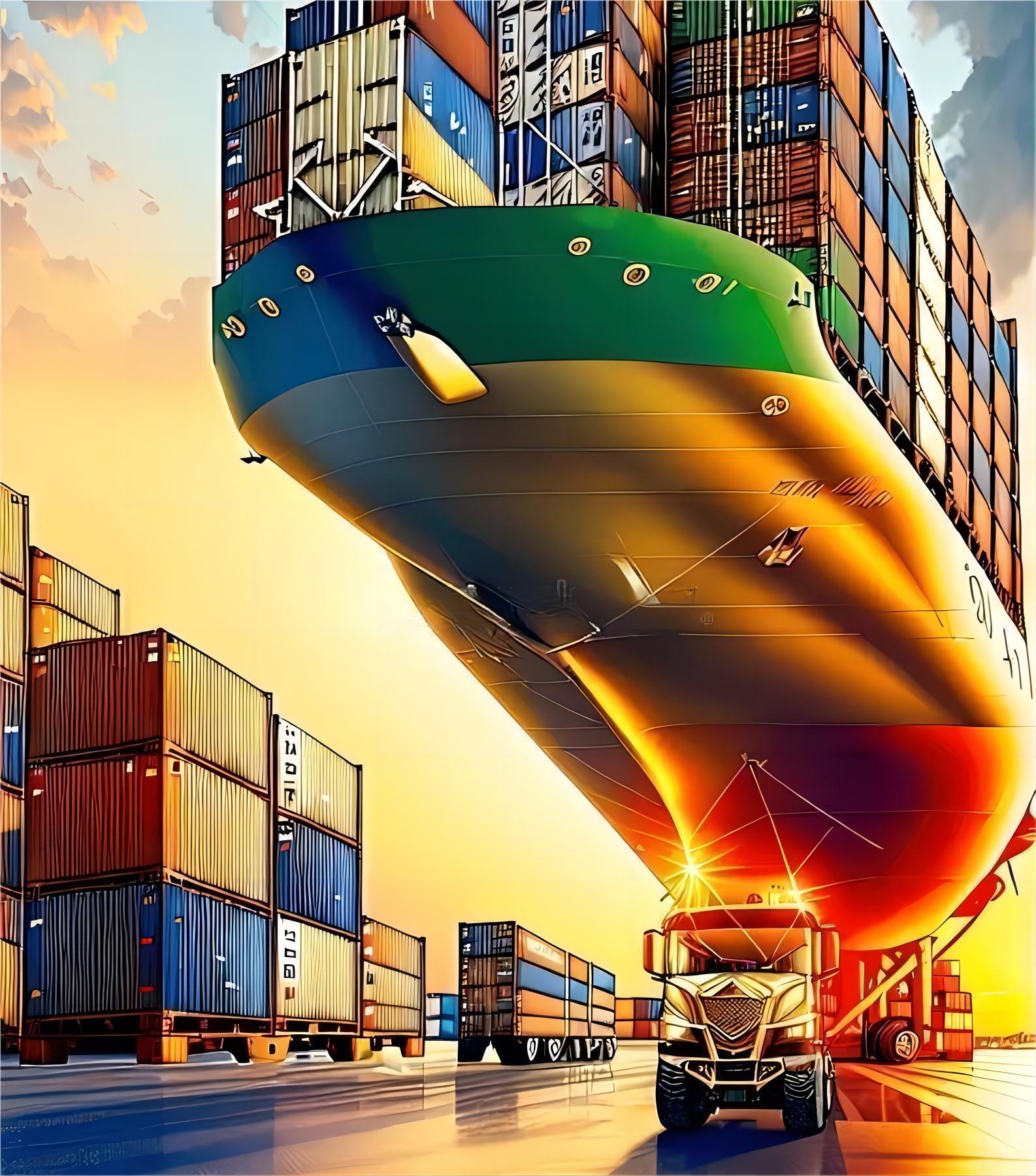
How Does Sea Freight Compare to Other Shipping Options?
Evaluating sea freight against its alternatives is essential for optimizing your logistics strategy. While maritime transport is the backbone of global trade, other methods like express services or sea-air hybrids offer unique advantages. Specifically, sea-air solutions involve shipping goods by sea to a hub like Singapore or Colombo and then flying them to the UAE. This approach offers a middle ground, providing faster delivery than pure sea freight at a significantly lower cost than pure air freight.
In contrast, express service providers like DHL or FedEx offer door-to-door convenience with minimal administrative burden for the shipper. These services are highly efficient for small parcels but become prohibitively expensive for larger shipments. Therefore, understanding the trade-offs between cost, speed, and reliability is crucial when selecting your primary shipping method.
Market data from early 2026 indicates that sea freight remains the dominant choice for over 85 percent of the volume moving from China to the UAE. However, the rise of e-commerce has increased the demand for faster, more integrated solutions. Businesses must weigh these options carefully to ensure their shipping cost from China to UAE aligns with their customer service expectations and profit margins.
| Shipping Method | Cost Range | Transit Time | Best For | Limitations |
|---|---|---|---|---|
| Sea Freight | Low ($) | 18-28 Days | Bulk/Large Cargo | Slowest speed |
| Air Freight | High ($$$) | 3-7 Days | Urgent/Fragile | Weight limits |
| Express | Premium ($$$$) | 2-4 Days | Samples/Small items | Very expensive |
| Sea-Air Hybrid | Medium ($$) | 12-15 Days | Balanced needs | Complex routing |
Which Option Should You Choose?
Selecting the optimal shipping method requires a clear decision framework based on your business priorities. If your primary goal is to minimize the shipping cost from China to UAE, sea freight is the undisputed winner for any shipment larger than 2 cubic meters. Specifically, FCL should be your choice if you have enough volume to fill at least 70 percent of a container. This ensures you get the best value for the fixed ocean freight rate.
Alternatively, if speed is the priority due to a stock-out or a product launch, air freight is the necessary choice. For cargo between 100kg and 500kg, air freight often provides a better balance of speed and cost than LCL sea freight when you factor in the total landed cost. In addition, businesses selling on platforms like Amazon should consider specialized Amazon FBA shipping services that handle the specific labeling and delivery requirements of UAE fulfillment centers.
Cargo type also dictates the method; hazardous materials or extremely heavy industrial parts may have restricted options. Always consult with a logistics expert to determine if your goods require specialized handling or temperature-controlled environments. Ultimately, the best choice is the one that meets your deadline while protecting your bottom line.
Door to Door Shipping: Hidden Costs and Benefits
Investing in door to door services simplifies the entire logistics chain by consolidating all steps under a single provider. This service typically includes pickup from the manufacturer in China, export customs clearance, international transport, and final delivery to your warehouse in Dubai or Abu Dhabi. While the upfront quote may seem higher, it often eliminates hidden fees that arise when managing multiple vendors.
Hidden costs in traditional shipping often include terminal handling charges, documentation fees, and unexpected storage costs at the port. By choosing an all-in-one solution, you gain better visibility into your total landed cost from the outset. Moreover, the streamlined communication reduces the risk of delays caused by paperwork errors between different agents.
Importers should verify what exactly is included in their door-to-door quote to avoid surprises. Specifically, check if the price covers UAE import duties and value-added tax (VAT). Transitioning to a comprehensive service model allows your team to focus on sales and marketing rather than managing complex logistics documentation.
Customs Duties and Taxes When Importing to the UAE
Understanding the regulatory environment is vital for calculating the total shipping cost from China to UAE accurately. The UAE generally applies a 5 percent customs duty on most imported goods, calculated based on the CIF (Cost, Insurance, and Freight) value. However, certain items may be exempt or subject to higher excise taxes, such as sweetened beverages or tobacco products. Additionally, a 5 percent Value Added Tax (VAT) is applicable to most commercial imports.
Proper documentation is the key to avoiding costly delays and penalties at the border. You must provide a commercial invoice, packing list, certificate of origin, and a bill of lading or airway bill. Furthermore, certain products like pharmaceuticals or electronics may require specific permits from UAE government ministries. Ensuring all paperwork is compliant with local laws prevents your cargo from being held in storage, which can incur significant daily fees.
Working with a professional who understands customs brokerage can significantly reduce the risk of clearance issues. These experts stay updated on the latest changes in UAE trade regulations and can help you classify your goods correctly using the Harmonized System (HS) codes. Consequently, you can avoid overpaying duties and ensure a smooth flow of goods through the port of entry.
| Document Name | Purpose | Mandatory | Provider |
|---|---|---|---|
| Commercial Invoice | Value Declaration | Yes | Supplier |
| Packing List | Cargo Details | Yes | Supplier |
| Bill of Lading | Title of Goods | Yes | Carrier |
| Certificate of Origin | Verify Source | Yes | Manufacturer |
Real-World Case Studies: China to UAE Logistics
Examining actual shipping scenarios provides a realistic perspective on the current market. These examples reflect typical costs and timelines experienced by businesses in early 2026. Note that rates fluctuate based on fuel costs, carrier capacity, and seasonal demand. Contact us for a current quote tailored to your specific shipment.
Case Study 1: Furniture Import Route: Foshan, China to Jebel Ali, UAE Cargo: Home Furniture, 65 CBM Container: 40HQ (Full Container Load) Shipping Details: – Carrier: Major Ocean Carrier – Port of Loading: Nansha, Guangzhou – Port of Discharge: Jebel Ali, Dubai – Route Type: Direct Cost Breakdown: – Ocean Freight: $2,850 – Origin Charges: $350 – Destination Charges: $450 – Customs & Duties: $1,200 (Estimated) – Total Landed Cost: $4,850 Timeline: – Booking to Loading: 4 days – Sea Transit: 20 days – Customs Clearance: 2 days – Total Door-to-Door: 26 days Key Insight: Using a 40HQ container maximized the volume efficiency, resulting in a low cost per item for the importer.
Case Study 2: Electronics Shipment Route: Shenzhen, China to Dubai International Airport Cargo: Smart Home Devices, 420 kg Method: Air Freight Shipping Details: – Carrier: Commercial Airline Cargo – Port of Loading: Shenzhen (SZX) – Port of Discharge: Dubai (DXB) – Route Type: Direct Cost Breakdown: – Air Freight: $1,932 ($4.60/kg) – Origin Charges: $120 – Destination Charges: $180 – Customs & Duties: $950 (Estimated) – Total Landed Cost: $3,182 Timeline: – Booking to Loading: 2 days – Air Transit: 1 day – Customs Clearance: 1 day – Total Door-to-Door: 4 days Key Insight: Speed was critical for this high-demand product launch, making air freight the most strategic choice despite the higher cost.

Practical Tips to Lower Your Shipping Cost from China to UAE
Reducing your logistics expenses requires a proactive approach and strategic planning. One effective method is to consolidate multiple small orders into a single larger shipment. By doing so, you can often move from LCL to FCL pricing, which significantly lowers the cost per cubic meter. Additionally, optimizing your packaging to reduce wasted space can help you fit more products into the same container or lower your air freight chargeable weight.
Negotiating long-term contracts with freight forwarders can also provide more stable and competitive pricing. If you have consistent shipping volumes, carriers are more likely to offer discounted rates in exchange for your loyalty. Furthermore, planning your shipments well in advance allows you to avoid the premium prices associated with last-minute bookings during peak seasons.
Finally, compare quotes from at least three different providers to ensure you are receiving the best market rate. However, do not base your decision solely on the lowest price; consider the reliability and service quality of the forwarder. A slightly higher initial shipping cost from China to UAE may save you money in the long run by preventing delays and cargo damage.
Final Thoughts on UAE Shipping Strategies
Managing the shipping cost from China to UAE effectively is a combination of choosing the right transportation mode, understanding customs requirements, and timing your shipments strategically. Whether you prioritize the speed of air freight or the economy of sea freight, staying informed about market trends is essential for success in 2026.
By applying the insights from this guide and partnering with reliable logistics experts, you can navigate the complexities of international trade with confidence. Remember that the cheapest option is not always the most efficient, and a balanced approach will yield the best results for your business growth.