

Shipping Cost from China to Netherlands: 2026 Pricing Guide
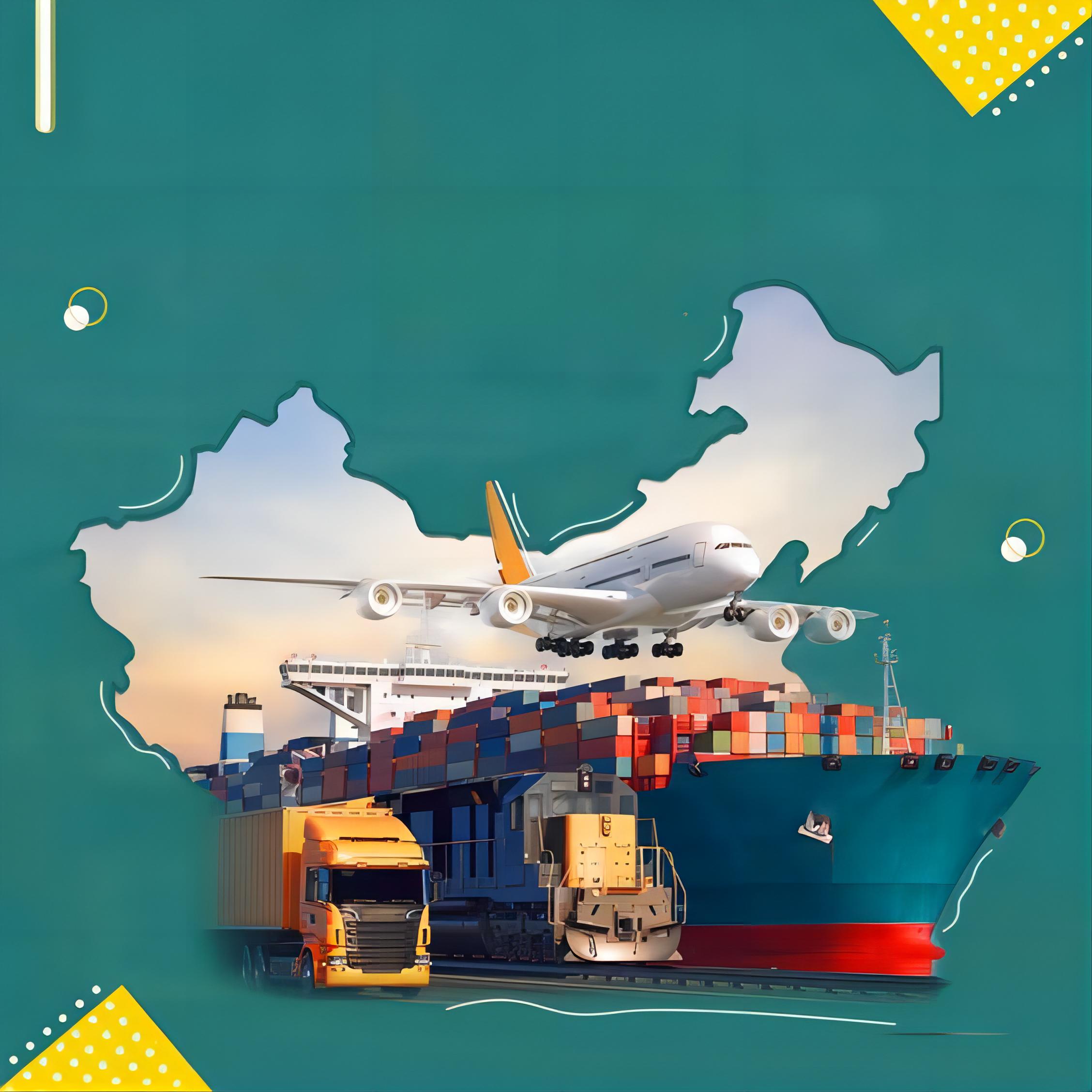
Navigating the complexities of international logistics requires a clear understanding of the current shipping cost from China to Netherlands. Many businesses struggle with fluctuating rates and hidden fees that impact their bottom line. At Top China Freight, we provide transparent solutions to help you manage your supply chain efficiently while ensuring your goods arrive safely in the Dutch market.
How Does Sea Freight Compare to Other Shipping Options?
Choosing the right transportation mode depends heavily on your budget and urgency requirements. Consequently, sea freight remains the most popular choice for bulk shipments due to its cost-effectiveness over long distances. Moreover, the 2026 market shows a stabilization in ocean rates compared to the volatility seen in previous years.
Alternatively, air freight offers unmatched speed for high-value or perishable items. While the expense is significantly higher, the reduced transit time can be vital for maintaining inventory levels. Furthermore, rail freight has emerged as a reliable middle ground for those seeking a balance between speed and expenditure.
Evaluating these methods requires looking at the total landed cost rather than just the base freight rate. Indeed, port charges and local delivery fees can vary significantly between Rotterdam and other entry points. Therefore, a comprehensive comparison is essential for making an informed decision.
| Shipping Method | Cost Range (2026) | Transit Time | Best For |
|---|---|---|---|
| Sea Freight (FCL) | $3,000 – $4,200 | 30-40 Days | Bulk Cargo |
| Air Freight | $5.50 – $9.00/kg | 3-7 Days | Urgent Goods |
| Rail Freight | $1,800 – $2,600 | 15-22 Days | Mid-size loads |
| Express Courier | $8.00 – $12.00/kg | 2-5 Days | Small Samples |
What Factors Influence the Shipping Cost from China to Netherlands?
Market demand plays a primary role in determining the price you pay for logistics services. Specifically, the peak season between August and October often sees rates increase by 15-25% due to holiday preparations. Additionally, fuel surcharges fluctuate based on global oil prices, impacting both air and sea transport.
Container availability is another critical factor that can drive prices up or down unexpectedly. If there is a shortage of empty containers in major Chinese hubs like Ningbo or Shanghai, costs will naturally rise. Because of this, booking your shipment at least 3-4 weeks in advance is highly recommended.
Route choices also affect the final price significantly. For instance, direct routes to Rotterdam are often more expensive than transshipment options via Singapore or Piraeus. However, transshipment can add 5-7 days to your schedule, creating a trade-off between time and money.
Understanding Sea Freight Costs: FCL vs LCL
Importers must choose between Full Container Load (FCL) and Less than Container Load (LCL) when using sea freight services. FCL is generally more economical if you have enough cargo to fill at least 70% of a 20GP or 40HQ container. Consequently, you pay a flat rate for the entire space regardless of the weight.
LCL is the preferred option for smaller shipments that do not require a whole container. In this scenario, you pay based on the volume in cubic meters (CBM). Nevertheless, LCL shipments often incur higher warehouse handling fees at the destination port compared to FCL.
Calculating which option is better involves comparing the total cost per unit of your product. For shipments under 15 CBM, LCL is typically cheaper, but once you exceed that threshold, FCL becomes more attractive. Note: Freight rates are subject to change based on fuel costs, carrier capacity, and seasonal demand. Contact us for a current quote tailored to your specific shipment.
| Container Type | Average Cost (2026) | Capacity (CBM) | Max Weight |
|---|---|---|---|
| 20GP Container | $1,800 – $2,500 | 28-30 CBM | 18,000 kg |
| 40GP Container | $2,800 – $3,800 | 56-58 CBM | 26,000 kg |
| 40HQ Container | $3,000 – $4,200 | 68-70 CBM | 26,000 kg |
Why Choose Air Freight for Your Dutch Imports?
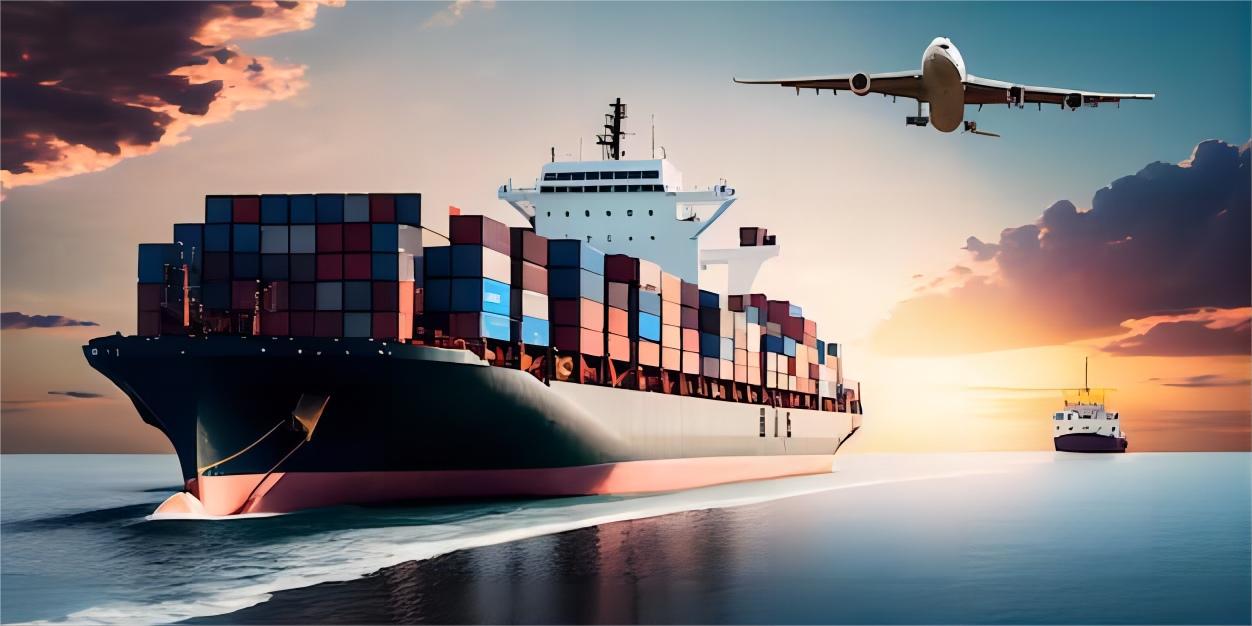
Speed is the most significant advantage when opting for air freight from China to the Netherlands. Most shipments arrive at Schiphol Airport within 3 to 7 days, including customs processing time. Consequently, this method is ideal for electronics, fashion items, and seasonal products that need to hit the shelves quickly.
Cost structures for air transport are based on either actual weight or volumetric weight, whichever is higher. Therefore, bulky but light items can be surprisingly expensive to ship by plane. Additionally, airlines frequently adjust their rates based on cargo space availability and seasonal trends.
Safety and security are also enhanced when using air transport. Because the transit time is shorter, there is less risk of damage or theft during the journey. Furthermore, the streamlined handling processes at major airports ensure that your high-value goods are treated with care.
The Rise of Rail Freight on the New Silk Road
Recently, rail freight has become a powerful alternative for businesses looking to save time without the high cost of air travel. Trains traveling from Xi’an or Chengdu to Tilburg or Rotterdam offer a transit time of 15-22 days. As a result, it is nearly twice as fast as sea freight while remaining much cheaper than air.
Stability in pricing is a major benefit of the rail route. Unlike ocean freight, which can fluctuate weekly, rail rates tend to remain more consistent throughout the year. Moreover, the environmental impact of rail transport is lower than that of air freight, appealing to eco-conscious brands.
Logistics providers have improved the infrastructure along the rail corridors significantly by 2026. This means better tracking capabilities and fewer delays at border crossings like Malaszewicze. Consequently, rail is now a staple in many modern supply chain strategies for Europe.
Navigating Customs Brokerage and Import Duties
Clearing customs in the Netherlands requires meticulous documentation to avoid costly delays and penalties. Utilizing a professional customs brokerage service can streamline this process significantly. Specifically, you will need a commercial invoice, packing list, and a Bill of Lading or Air Waybill.
Import duties and Value Added Tax (VAT) are calculated based on the HS code of your products. In the Netherlands, the standard VAT rate is 21%, which is applied to the CIF (Cost, Insurance, Freight) value of the goods. Additionally, some products may be subject to anti-dumping duties if they originate from specific Chinese industries.
Proper classification of your goods is essential for accurate budgeting. If you misclassify an item, you might face unexpected charges upon arrival at the port. Therefore, consulting with an expert before shipping can save you thousands of dollars in unforeseen expenses.
Case Studies: Real-World Shipping Scenarios
Case Study 1: Electronics from Ningbo. Route: Ningbo, China to Rotterdam, Netherlands. Cargo: Consumer Electronics, 68 CBM, 18000 kg. Container: 40HQ. Shipping Details: Carrier: COSCO. Port of Loading: Ningbo. Port of Discharge: Rotterdam. Route Type: Direct. Cost Breakdown: Ocean Freight: $3,250. Origin Charges: $450. Destination Charges: $550. Customs & Duties: $1,200. Total Landed Cost: $5,450. Timeline: Booking to Loading: 5 days. Sea Transit: 32 days. Customs Clearance: 2 days. Total Door-to-Door: 39 days. Key Insight: Early booking during the off-peak season saved the client 15% on freight costs.
Case Study 2: Fashion Apparel from Shanghai. Route: Shanghai, China to Amsterdam, Netherlands. Cargo: High-end clothing, 1200 kg, 6 CBM. Shipping Method: Air Freight. Shipping Details: Carrier: KLM Cargo. Port of Loading: Shanghai Pudong. Port of Discharge: Amsterdam Schiphol. Route Type: Direct. Cost Breakdown: Air Freight: $6,600. Origin Charges: $300. Destination Charges: $400. Customs & Duties: $2,100. Total Landed Cost: $9,400. Timeline: Booking to Loading: 2 days. Air Transit: 1 day. Customs Clearance: 1 day. Total Door-to-Door: 4 days. Key Insight: Using air freight allowed the brand to restock a best-selling item during a major Dutch sales event.
Case Study 3: Furniture from Chengdu via Rail. Route: Chengdu, China to Tilburg, Netherlands. Cargo: Home Furniture, 15 CBM, 4500 kg. Container: LCL. Shipping Details: Service: China-Europe Railway Express. Port of Loading: Chengdu Rail Terminal. Port of Discharge: Tilburg Terminal. Route Type: Trans-Siberian. Cost Breakdown: Rail Freight: $2,150. Origin Charges: $350. Destination Charges: $450. Customs & Duties: $900. Total Landed Cost: $3,850. Timeline: Booking to Loading: 4 days. Rail Transit: 18 days. Customs Clearance: 2 days. Total Door-to-Door: 24 days. Key Insight: Rail provided the perfect balance for furniture which was too heavy for air but too urgent for sea.
Which Shipping Option Should You Choose?
Determining the best method depends on your specific business priorities and cargo characteristics. If your primary goal is to minimize the shipping cost from China to Netherlands, sea freight is undoubtedly the winner. This is especially true for large volumes where the cost per unit becomes very low.
Speed should be your priority if you are dealing with tight deadlines or fragile inventory. In such cases, air freight or express services are the most reliable choices. For those selling on platforms like Amazon, utilizing Amazon FBA shipping services can help manage the strict delivery windows required by the marketplace.
Hybrid solutions can also be effective for complex supply chains. For example, you might ship 80% of your stock via sea to save money and 20% via air to ensure immediate availability. Consequently, this strategy mitigates the risk of stockouts while keeping your overall logistics budget under control.
Strategies to Reduce Your Shipping Cost from China to Netherlands
Consolidating your shipments is one of the most effective ways to lower your expenses. By combining multiple smaller orders into a single LCL or FCL shipment, you can reduce the per-unit handling fees. Moreover, negotiating long-term contracts with freight forwarders can provide access to better rates than spot market pricing.
Optimizing your packaging is another simple yet powerful cost-saving measure. Reducing the dimensions of your boxes can lower your volumetric weight, which is particularly beneficial for air and rail freight. Additionally, using lightweight but durable materials can decrease the total weight of your cargo.
Choosing the right Incoterms is also crucial for cost management. Terms like FOB (Free on Board) allow you to have more control over the shipping process and costs compared to CIF (Cost, Insurance, and Freight). Therefore, working with a knowledgeable partner can help you select the most advantageous terms for your specific situation.
Final Thoughts on Shipping to the Netherlands
Successfully managing the shipping cost from China to Netherlands requires a strategic approach and up-to-date market knowledge. By understanding the differences between sea, air, and rail freight, you can choose the method that best aligns with your business goals. Furthermore, paying attention to customs requirements and packaging optimization can lead to significant long-term savings.
As we move through 2026, staying flexible and informed will be the key to navigating the ever-changing logistics landscape. Whether you are a small business or a large enterprise, the right shipping partner can make all the difference in your international success. Start planning your next shipment today to ensure the best possible rates and transit times.
Need a tailored shipping solution?
Ready to optimize your supply chain and reduce your shipping cost from China to Netherlands? Contact our expert team today for a personalized quote and professional guidance.