

Mastering Customs Clearance from China to Italy in 2026
Navigating the complexities of customs clearance from China to Italy requires a strategic approach to ensure your goods arrive without delay. By partnering with Top China Freight, businesses can simplify their international shipping processes and avoid common regulatory pitfalls. This comprehensive guide explores the essential documentation, tax requirements, and logistics trends shaping the Italy-China trade corridor in 2026.
✦
What is the Process of Customs Clearance from China to Italy?
The process begins long before the cargo arrives at the Italian border. Furthermore, importers must ensure all paperwork is precisely aligned with both Chinese export laws and European Union import regulations. Consequently, any discrepancy in the commercial invoice or packing list can lead to significant delays at the Port of Genoa or Trieste.
Choosing a professional customs brokerage service is often the most effective way to manage this complexity. These experts handle the submission of the Single Administrative Document (SAD) through the Italian Customs Agency (Agenzia delle Dogane). Moreover, they ensure that the correct Harmonized System (HS) codes are applied to your specific products.
Specifically, the process involves the electronic declaration of goods, followed by a potential physical inspection or document review. If the customs authorities are satisfied with the valuation and classification, they will issue a release note. Subsequently, the importer must pay the calculated Value Added Tax (VAT) and any applicable customs duties before the goods are cleared for final delivery.
Essential Documentation for Italian Customs Compliance
Documentation serves as the foundation of successful international trade between China and Italy. Therefore, maintaining an organized record of all shipping files is mandatory for every business. Without the correct forms, your shipment might be held in a bonded warehouse, incurring high storage fees.
The primary document required is the Commercial Invoice, which must detail the buyer, seller, and a clear description of the goods. Additionally, the Packing List provides specific information regarding the weight, dimensions, and packaging type for each item. These documents must match the information provided on the Bill of Lading or Air Waybill exactly.
For Italian imports, an Economic Operator Registration and Identification (EORI) number is essential. This unique identifier is used by customs authorities across the EU to track shipments. Furthermore, some products may require a Certificate of Origin or specific CE marking certifications to prove compliance with European safety standards.
| Document Name | Required By | Purpose | Status |
|---|---|---|---|
| Commercial Invoice | Customs Authority | Valuation and tax assessment | Mandatory |
| Packing List | Port Authorities | Physical verification of cargo | Mandatory |
| EORI Number | EU Customs | Business identification | Mandatory |
| Bill of Lading | Carrier/Customs | Title of goods and contract | Mandatory |
How Does Sea Freight Compare to Other Shipping Options?
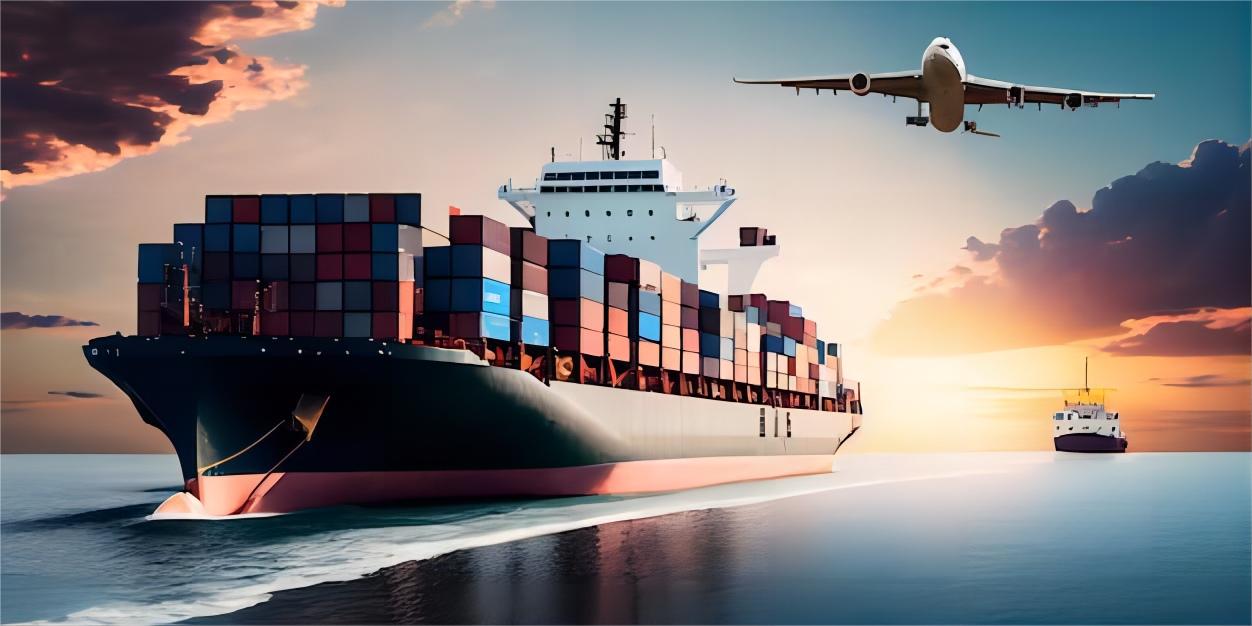
When planning your logistics strategy, evaluating the trade-offs between different transport modes is critical. For instance, sea freight remains the most popular choice for high-volume shipments due to its cost-effectiveness. However, it is also the slowest method, typically taking over a month to reach Italy from Chinese ports.
In contrast, air freight offers unparalleled speed for urgent or high-value cargo. While the costs are significantly higher, the reduced transit time can be vital for seasonal products or emergency supplies. Consequently, businesses must balance their budget constraints against their delivery schedule requirements.
For those seeking a middle ground, rail freight via the New Silk Road has become a stable alternative in 2026. It provides a faster transit than the sea route while remaining more affordable than air transport. This method is particularly effective for shipments originating in inland Chinese cities like Chengdu or Xi’an.
| Shipping Method | Cost Range (Est.) | Transit Time | Best For |
|---|---|---|---|
| Sea Freight (FCL) | $3,200 – $4,500 | 30-40 Days | Bulk goods and large volume |
| Air Freight | $5.50 – $9.00/kg | 4-7 Days | Urgent and high-value items |
| Rail Freight | $2,500 – $3,800 | 18-24 Days | Balanced cost and speed |
| Express Service | $8.50 – $12.00/kg | 3-5 Days | Small parcels and samples |
Calculating Import Duties and VAT for 2026
Importing goods into Italy involves paying both customs duties and Value Added Tax (VAT). Currently, the standard VAT rate in Italy is 22%, which is applied to the landed cost of the goods. This landed cost includes the product value, shipping insurance, and the freight charges to the EU border.
Customs duties vary significantly based on the product classification under the Integrated Tariff of the European Communities (TARIC). For example, electronics might have a 0% duty rate, whereas textiles could face duties exceeding 12%. Therefore, verifying your HS code before shipping is essential for accurate financial planning.
Moreover, anti-dumping duties may apply to specific Chinese products such as steel or bicycles. These additional taxes are designed to protect local European industries from perceived unfair pricing. Consequently, importers should consult with their logistics provider to identify any potential extra costs that could impact their profit margins.
Transit Times: What to Expect in the Current Market
As of early 2026, transit times from China to Italy have stabilized following previous global disruptions. Specifically, direct sea routes from Shanghai to La Spezia or Venice generally take between 32 and 38 days. However, transshipment through major hubs like Piraeus might add a few extra days to the schedule.
Air cargo transit times remain consistent, with most shipments arriving in Milan or Rome within a week. This timeframe includes the time needed for export clearance in China and import processing in Italy. Nevertheless, peak seasons like the weeks leading up to the Lunar New Year can result in space shortages and minor delays.
Rail transit times have improved due to better infrastructure along the trans-Eurasian corridors. Most trains now reach northern Italian rail terminals in approximately 20 days. Consequently, many manufacturers are shifting their mid-range cargo to rail to maintain a leaner supply chain.
| Port of Loading | Port of Discharge | Transit (Sea) | Transit (Rail) |
|---|---|---|---|
| Shenzhen | Genoa | 30-33 Days | 22 Days |
| Ningbo | Trieste | 34-36 Days | 24 Days |
| Shanghai | Naples | 35-38 Days | 25 Days |
| Qingdao | Venice | 36-40 Days | 26 Days |
Real Case Studies: Successful Shipments to Italy
Reviewing real-world examples can provide valuable insights into the logistical requirements of the China-Italy route. These cases highlight how different businesses choose their shipping methods based on specific cargo needs and budget constraints. Indeed, seeing the cost breakdown helps in setting realistic expectations for your own imports.
Below are two detailed scenarios based on typical market rates and transit times observed in early 2026. These examples illustrate the importance of planning for both freight costs and the various fees associated with customs clearance from China to Italy.
Case Study 1: Electronics from Shenzhen to Milan
Box Case Study 1: High-Value Electronics Dispatch
Route: Shenzhen, China to Milan, Italy
Cargo: Consumer electronics, 5 CBM, 1200 kg
Method: LCL Sea Freight with door to door delivery
Shipping Details:
– Carrier: Major Ocean Carrier
– Port of Loading: Shenzhen
– Port of Discharge: Genoa
Cost Breakdown:
– Ocean Freight: $1,250
– Origin Charges: $280
– Destination Charges: $450
– Customs Duties (Estimated): $0 (HS Code dependent)
– Total Landed Cost: $1,980 (excluding VAT)
Timeline:
– Booking to Loading: 3 days
– Sea Transit: 32 days
– Customs Clearance: 2 days
– Total Door-to-Door: 40 days
Key Insight: Using a consolidated LCL service allowed the importer to maintain stock levels without the high cost of air freight.
Case Study 2: Fashion Apparel from Ningbo to Rome
Box Case Study 2: Seasonal Fashion Rush
Route: Ningbo, China to Rome, Italy
Cargo: Garments, 2 CBM, 400 kg
Method: Air Freight
Shipping Details:
– Carrier: Direct Air Cargo
– Loading Airport: Ningbo Lishe (NGB)
– Discharge Airport: Rome Fiumicino (FCO)
Cost Breakdown:
– Air Freight: $2,800
– Origin/Handling: $150
– Destination/Customs: $220
– Duties (Estimated): $340 (12 percent rate)
– Total Landed Cost: $3,510 (excluding VAT)
Timeline:
– Booking to Loading: 2 days
– Air Transit: 1 day
– Customs Clearance: 1 day
– Total Door-to-Door: 6 days
Key Insight: Air freight was chosen to meet a strict product launch deadline, justifying the higher logistics spend through faster market entry.
Which Option Should You Choose? Decision Framework
Selecting the right shipping strategy depends on several variables including your budget, time sensitivity, and cargo volume. If your primary goal is to minimize costs, sea freight is the logical choice for shipments larger than 2 cubic meters. Conversely, if you are shipping small samples or documents, express services are far more efficient.
Budget priority: Choose Sea Freight (FCL) for full containers to get the lowest per-unit cost. For smaller loads, LCL is appropriate but be aware of higher handling fees at the destination. Meanwhile, if speed is your absolute priority, air freight is the only viable solution to ensure your goods arrive within a business week.
Consider a hybrid approach if you have a large inventory but need a small portion immediately. Specifically, you can send 10% of your stock via air freight to satisfy immediate demand while the remaining 90% travels by sea. This strategy optimizes both your cash flow and your supply chain responsiveness.

Avoiding Common Customs Delays and Penalties
Delays at customs are often the result of preventable errors in paperwork or compliance. For example, failing to include the correct EORI number on the declaration will cause an immediate hold on the shipment. Furthermore, inaccurate valuation of goods to avoid taxes is a serious offense that can lead to heavy fines and even seizure of cargo.
To prevent these issues, always double-check that the HS codes used for your products are current and accurate. Many importers make the mistake of using generic codes that do not precisely describe their items. Consequently, customs officers may flag the shipment for an inspection, which can add days or weeks to the delivery time.
Additionally, ensure that all wooden packaging material, such as pallets, complies with ISPM 15 standards. This requires the wood to be heat-treated or fumigated to prevent the spread of pests. If the pallets lack the required stamp, Italian authorities may refuse entry to the entire shipment, forcing a costly return to China.
Final Thoughts on Shipping to Italy
Successfully handling customs clearance from China to Italy requires a combination of diligent preparation and professional expertise. By understanding the documentation requirements and choosing the right shipping method, you can significantly reduce transit times and costs. Furthermore, staying informed about 2026 market trends allows you to adapt your logistics strategy to changing conditions.
Whether you choose sea, air, or rail, the key to success lies in accuracy and compliance. Partnering with a reliable freight forwarder ensures that every step of the process is managed effectively, from the factory floor in China to the final destination in Italy. Start planning your next shipment today to take advantage of the growing trade opportunities between these two nations.
