

Option 1: Sea Freight from China to Belgium: 2026 Shipping Guide | Option 2: Best Sea Freight Rates China to Belgium: 20
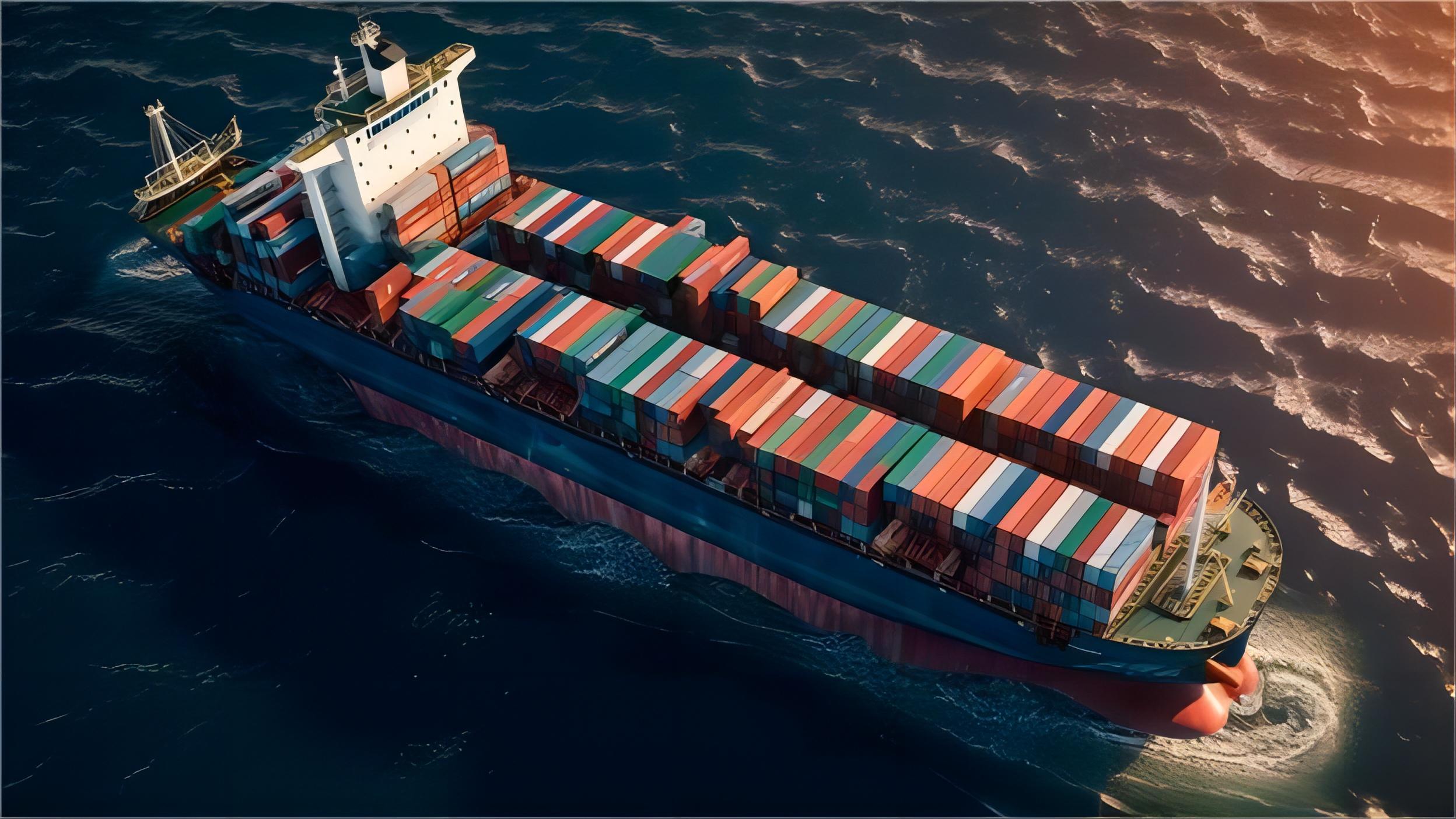
Navigating sea freight from China to Belgium requires a deep understanding of modern logistics trends and efficient route planning. As global trade continues to evolve in 2026, businesses must partner with reliable experts like Top China Freight to manage their international supply chains effectively. This guide provides comprehensive insights into maritime transport options, helping you reduce costs while maintaining a consistent delivery schedule for your Belgian imports. We address common pain points such as rising fuel surcharges and port congestion to ensure your cargo arrives safely and on time.

Understanding Sea Freight from China to Belgium in 2026
Shipping goods via sea freight remains the most cost-effective method for transporting large volumes of cargo across long distances. Consequently, many Belgian enterprises rely on this mode of transport to maintain their inventory levels without incurring the high costs associated with air travel.
Furthermore, the maritime route between major Chinese ports and the Port of Antwerp has seen significant infrastructure improvements over the last year. These developments have stabilized transit times despite previous global logistics challenges that occurred in 2025. Moreover, modern container ships now offer better tracking capabilities, giving you more visibility into your shipment’s progress.
Therefore, selecting sea freight is a strategic choice for companies focusing on long-term sustainability and budget optimization. Specifically, the high capacity of ocean vessels allows for economies of scale that other transport modes simply cannot match. In addition, the environmental impact per ton of cargo is significantly lower when compared to air transportation.
Notably, the 2026 market indicates a stabilization in freight rates after the volatility seen in previous quarters. However, importers should stay informed about seasonal fluctuations and carrier capacity shifts to avoid unexpected delays. By planning your shipments in advance, you can secure better rates and ensure space on the most efficient vessels.
How Does Sea Freight Compare to Other Shipping Options?
Comparing different transportation modes is essential for identifying the best fit for your specific business needs. While sea freight is ideal for bulk goods, other options like rail freight provide a middle ground between speed and cost. Indeed, the Iron Silk Road has become a viable alternative for shipments that are too urgent for the ocean but not profitable enough for the air.
Additionally, air freight remains the fastest choice for high-value or perishable items, though it comes at a premium price. Consequently, businesses often use a mix of these services to balance their logistics budgets. For instance, you might use sea freight for your core inventory and air freight for emergency restocks.
Meanwhile, the choice between these methods depends heavily on your cargo volume and delivery deadlines. To illustrate this, we have provided a detailed comparison of the primary shipping methods available for the China-to-Belgium route in 2026.
| Shipping Method | Cost Range (2026) | Transit Time | Best For |
|---|---|---|---|
| Sea Freight (FCL) | $2,100 – $3,500 | 30-40 Days | Bulk goods and large volumes |
| Rail Freight | $4,500 – $6,500 | 18-22 Days | Medium urgency shipments |
| Air Freight | $5.50 – $9.00/kg | 5-8 Days | High-value or urgent cargo |
| Express Service | $9.00 – $14.00/kg | 3-5 Days | Small parcels and samples |
Which Option Should You Choose? Decision Framework
Deciding on the right shipping method requires a clear analysis of your priorities and constraints. If your primary goal is budget conservation, sea freight is almost always the superior choice for shipments exceeding 2 cubic meters. Conversely, if you are facing a stockout situation, the higher cost of rail or air may be justified to maintain customer satisfaction.
Budget priority dictates that you should consolidate shipments whenever possible to take advantage of Full Container Load (FCL) rates. On the other hand, speed priority suggests that a hybrid sea-air solution might provide the necessary agility without the full expense of direct air transport. Furthermore, consider the nature of your cargo; hazardous materials or oversized items often have limited options and may require specialized sea freight handling.
Volume thresholds also play a critical role in this decision-making process. For shipments under 15 CBM, Less than Container Load (LCL) is typically more economical. However, once you surpass the 15 CBM mark, the cost of a 20-foot FCL container often becomes more competitive due to reduced handling fees and simplified logistics.
Major Ports and Logistics Hubs in China and Belgium
Shipping to Europe via Belgium usually involves the Port of Antwerp-Bruges, which is one of the largest and most efficient maritime hubs in the world. This port serves as a gateway to the entire European hinterland, offering excellent rail and road connections to Germany, France, and the Netherlands. Subsequently, choosing the right port of loading in China is equally important for optimizing your transit time.
Shanghai and Ningbo-Zhoushan are the primary departure points for Belgian-bound cargo due to their massive capacity and frequent sailing schedules. Additionally, the port of Shenzhen serves the southern manufacturing hubs, providing direct routes to Zeebrugge for automotive and electronics shipments. Each of these ports has unique advantages regarding local drayage costs and available carrier services.
Specifically, the Port of Antwerp has invested heavily in sustainable infrastructure and automated terminal operations in 2026. These advancements result in faster vessel turnaround times and more efficient cargo handling. As a result, importers can expect fewer bottlenecks during the unloading process compared to other major European ports.
| China Port | Belgium Port | Avg. Transit Time | Service Frequency |
|---|---|---|---|
| Shanghai | Antwerp | 32 Days | Daily |
| Ningbo | Antwerp | 34 Days | 5-6 times weekly |
| Shenzhen | Zeebrugge | 30 Days | 3-4 times weekly |
| Qingdao | Antwerp | 38 Days | 2-3 times weekly |
FCL vs LCL: Selecting the Right Container Service
Full Container Load (FCL) shipping involves renting an entire 20-foot or 40-foot container for your exclusive use. This method is generally faster and more secure because the container remains sealed from the point of origin to the final destination. Moreover, FCL is often the most economical choice for large shipments, as you pay a flat rate for the entire space regardless of how much you fill.
Less than Container Load (LCL) allows you to share container space with other shippers, making it ideal for smaller volumes. Although LCL offers flexibility, it typically involves longer transit times due to the consolidation and deconsolidation processes at each end. Furthermore, LCL rates are calculated per cubic meter, which can become expensive as your volume increases.
Ultimately, the choice depends on your specific inventory needs and shipping frequency. If you require consistent, smaller deliveries to manage warehouse space, LCL provides the necessary agility. In contrast, FCL is better suited for high-volume traders who can fill a container and want to minimize the risk of damage during handling.
Navigating Customs Clearance and Documentation in Belgium
Clearing customs in Belgium requires meticulous attention to detail and a thorough understanding of EU import regulations. Utilizing a professional customs brokerage service can significantly reduce the risk of delays or fines. Indeed, the Belgian customs authorities are known for their efficiency, but they strictly enforce rules regarding product safety, environmental standards, and intellectual property.
Essential documents include the Bill of Lading, Commercial Invoice, and Packing List. Additionally, you may need a Certificate of Origin or specific permits depending on the type of goods you are importing. For example, electronics often require CE marking documentation to prove compliance with European safety standards. Consequently, ensuring all paperwork is accurate and complete before the vessel arrives is vital for a smooth process.
Notably, the EU’s new digital customs initiatives in 2026 have streamlined many filing procedures. Importers who utilize integrated logistics platforms can now submit their declarations electronically, leading to faster release times. Nevertheless, unexpected inspections can still occur, so it is wise to factor a few extra days into your delivery schedule for potential customs queries.
Calculating the Total Cost of Sea Freight to Belgium
Understanding the various components of shipping costs is crucial for accurate budgeting and price setting. The base ocean freight rate is just one part of the total landed cost, which also includes port charges, fuel surcharges, and local delivery fees. Furthermore, seasonal demand can cause rates to spike during peak periods like the run-up to the winter holidays.
Ocean freight rates in early 2026 for a 40HQ container from Shanghai to Antwerp typically range between $3,000 and $4,200. However, you must also account for Origin Terminal Handling Charges (OTHC) and Destination Terminal Handling Charges (DTHC), which can add several hundred dollars to your bill. Additionally, marine insurance is a highly recommended expense to protect your investment against unforeseen events at sea.
Import duties and Value Added Tax (VAT) represent significant additional costs that are calculated based on the CIF (Cost, Insurance, and Freight) value of your goods. Specifically, Belgium’s standard VAT rate is 21%, though certain items may qualify for reduced rates. By working with an experienced freight forwarder, you can obtain a detailed cost breakdown that covers every step of the journey.
Real-World Case Studies: China to Belgium Logistics
Case Study 1: Shanghai to Antwerp Electronics Shipment. A Belgian retailer imported 25 CBM of consumer electronics using a 40GP container. By choosing a direct route, they achieved a sea transit time of 32 days with a total landed cost of $4,850, including customs and local delivery. This successful shipment was attributed to early booking and accurate documentation.
Case Study 2: Shenzhen to Zeebrugge Furniture Delivery. A furniture wholesaler utilized door to door services for a 20GP container of high-end office chairs. Despite a minor delay due to weather in the Indian Ocean, the cargo arrived in 35 days. The total cost was $3,900, and the seamless coordination between the Chinese supplier and Belgian warehouse minimized local handling issues.
Case Study 3: Ningbo to Antwerp via Amazon FBA. An e-commerce seller shipped 8 CBM of home goods via LCL. The shipment was consolidated in Ningbo and deconsolidated in Antwerp before being trucked to a regional Amazon fulfillment center. The total transit time was 42 days, and the LCL method saved the seller over $1,200 compared to a half-empty FCL container.

Future Trends in the China-Belgium Maritime Route
Sustainability is becoming a dominant theme in the maritime industry as we move through 2026. Many shipping lines are now deploying vessels powered by liquefied natural gas (LNG) or methanol to reduce carbon emissions. Consequently, businesses that prioritize green logistics may find new opportunities for partnerships and carbon credits. Furthermore, the integration of artificial intelligence in port management is further reducing vessel wait times.
Blockchain technology is also gaining traction for securing the supply chain and simplifying the transfer of ownership documents. This innovation promises to reduce the administrative burden on importers and exporters alike. Moreover, the continued development of the Antwerp-Bruges port merger is creating a more resilient and versatile hub for global trade. Therefore, staying informed about these technological shifts will be essential for maintaining a competitive edge in the Belgian market.
Conclusion
Successfully managing sea freight from China to Belgium requires a combination of strategic planning, market knowledge, and reliable partnerships. By understanding the nuances of FCL and LCL services, navigating customs requirements, and staying updated on 2026 market trends, you can ensure your cargo arrives efficiently. Furthermore, leveraging the strengths of major ports like Antwerp and Shanghai allows you to tap into the most robust logistics networks available today.
While challenges such as fluctuating rates and seasonal peaks will always exist, a proactive approach can mitigate these risks effectively. Remember to consider all costs, from ocean freight to local duties, to maintain a healthy bottom line for your business. Ultimately, sea freight remains the backbone of the China-Belgium trade route, offering unmatched capacity and value for modern importers.
Start Your Shipment
Ready to optimize your supply chain from China to Belgium? Contact Top China Freight today for a customized sea freight quote and expert logistics advice. Visit our website to learn more about our comprehensive shipping solutions and start saving on your 2026 shipping costs. Send Inquiry: https://Top China Freight.com/
Frequently Asked Questions
What is the average transit time for sea freight from China to Belgium?
How much does it cost to ship a 40ft container to Belgium in 2026?
Is LCL or FCL better for my shipment to Belgium?
What are the main ports in Belgium for receiving Chinese cargo?
What documents are required for Belgian customs clearance?
Are there any hidden costs in sea freight to Belgium?
How can I track my shipment from China to Belgium?
Does sea freight from China to Belgium include insurance?