

Shipping Rates from China to Poland: 2026 Freight Cost Guide
Shipping rates from China to Poland represent a significant variable for businesses managing international trade routes in 2026. Navigating the complexities of global logistics requires a strategic approach and a partnership with a reliable provider like Top China Freight to maintain profitability. This guide explores current market trends, provides detailed cost breakdowns, and offers actionable strategies to optimize your supply chain between these two vital economic regions.
What Factors Influence Shipping Rates from China to Poland in 2026?
Fuel price fluctuations continue to play a dominant role in determining the final quote for international shipments. Consequently, carriers often adjust bunker adjustment factors (BAF) on a monthly basis to reflect the current cost of energy.
Seasonal demand cycles also impact the market significantly, particularly during the pre-Lunar New Year rush and the autumn peak season. During these periods, space becomes limited and prices typically rise by 20 percent or more.
Port congestion and infrastructure availability in major hubs like Ningbo or Gdansk can create unexpected surcharges. Furthermore, currency exchange rate volatility between the USD, CNY, and PLN adds another layer of complexity to financial planning.
Customs regulations and trade policies within the European Union frequently evolve, affecting total landed costs. Therefore, staying informed about the latest tariff updates is essential for maintaining accurate budget projections.
Sea Freight Solutions: FCL and LCL Cost Analysis
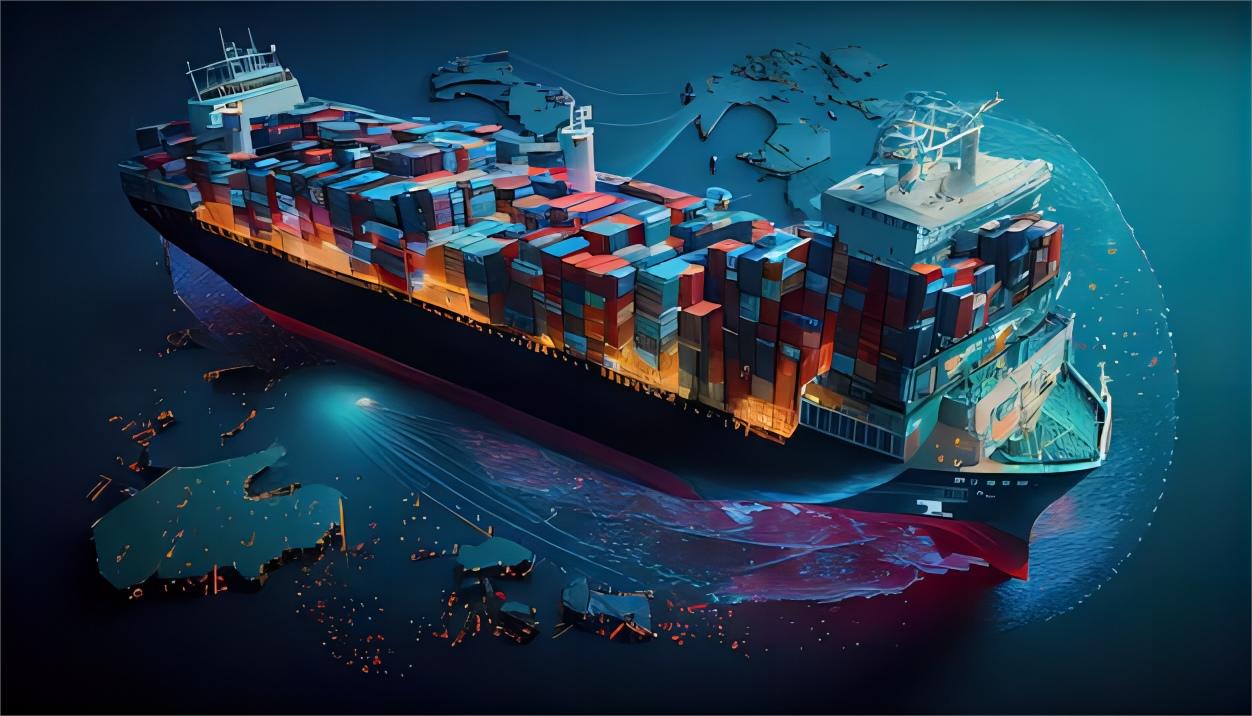
Ocean transport remains the most economical method for moving large volumes of goods across long distances. Specifically, sea freight offers a balance between cost-efficiency and massive capacity for industrial cargo.
Full Container Load (FCL) is ideal for businesses that can fill an entire 20-foot or 40-foot container. This method provides better security and faster handling since the container remains sealed from the point of origin to the destination.
Less than Container Load (LCL) allows smaller shippers to share container space, paying only for the volume they occupy. While this reduces the entry cost for small businesses, it often involves longer transit times due to the consolidation and deconsolidation processes.
Note: Freight rates are subject to change based on fuel costs, carrier capacity, and seasonal demand. Contact us for a current quote tailored to your specific shipment.
| Container Type | Estimated Cost (USD) | Transit Time | Best For |
|---|---|---|---|
| 20GP Container | $1,900 – $2,600 | 32 – 40 Days | Heavy machinery |
| 40HQ Container | $3,200 – $4,400 | 32 – 40 Days | Voluminous goods |
| LCL (per CBM) | $60 – $95 | 40 – 50 Days | Small shipments |
Air Freight Rates: Speed vs Investment
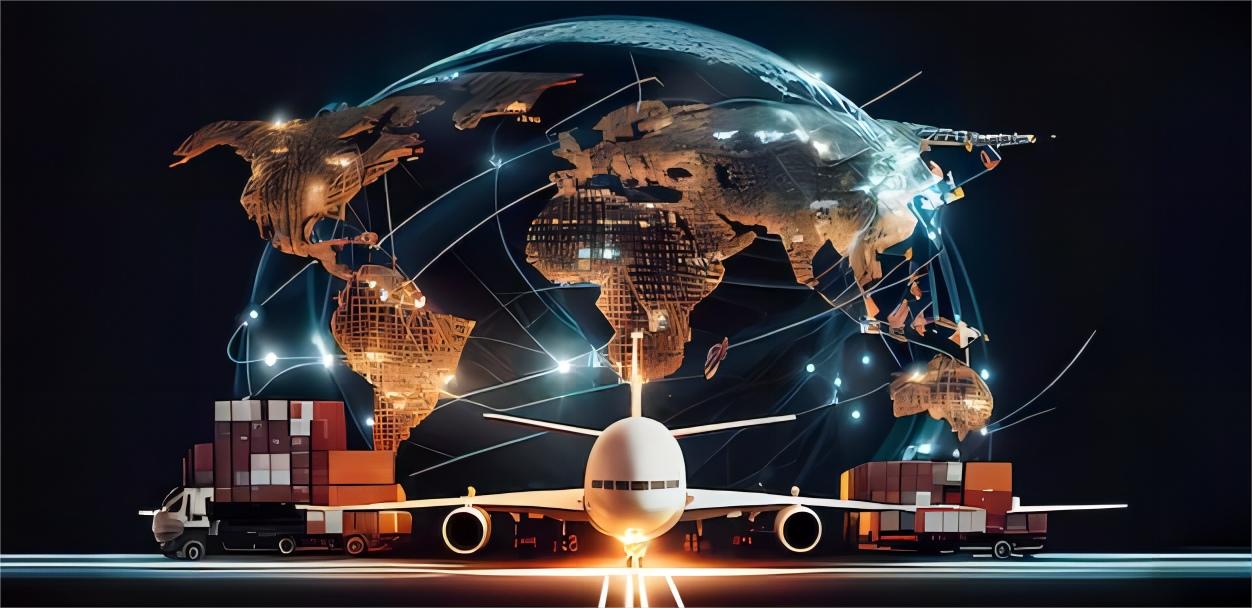
When time is the primary constraint, air freight provides the fastest connection between Chinese manufacturing hubs and Polish markets. In 2026, air cargo remains the preferred choice for high-value electronics, pharmaceuticals, and urgent components.
Pricing for air transport is calculated based on chargeable weight, which considers both actual weight and volumetric dimensions. Consequently, lightweight but bulky items may incur higher charges than small, heavy packages.
Moreover, express services can deliver goods door-to-door in as little as 3 to 5 business days. This speed helps businesses respond quickly to market trends or resolve critical supply chain disruptions.
| Weight Bracket | Rate per KG (USD) | Transit Time | Service Level |
|---|---|---|---|
| 100kg – 300kg | $4.50 – $6.20 | 5 – 7 Days | Standard Air |
| 301kg – 500kg | $3.80 – $5.40 | 5 – 7 Days | Standard Air |
| 500kg+ | $3.20 – $4.80 | 4 – 6 Days | Priority Air |
Rail Freight: The Strategic Middle Ground
The New Silk Road has revolutionized logistics by offering rail freight as a viable alternative to sea and air. It is roughly twice as fast as sea freight while costing significantly less than air transport.
Poland serves as a primary gateway for rail cargo entering the European Union, with the terminal at Malaszewicze acting as a critical hub. Indeed, many businesses use rail to maintain a steady flow of inventory without the high costs of flying goods.
Additionally, rail transport is considered more environmentally friendly than air freight, aligning with modern corporate sustainability goals. However, rail capacity can be affected by geopolitical stability along the transit corridor.
How Does Rail Freight Compare to Other Shipping Options?
Choosing the right shipping method requires a careful analysis of your budget, timeline, and cargo characteristics. While sea freight is the cheapest, the long transit times can tie up capital in inventory for over a month.
In contrast, air freight offers unmatched speed but can consume a significant portion of your profit margins. Rail freight bridges this gap, providing a balanced solution for many mid-range commodities.
Hybrid solutions, such as sea-air or rail-road combinations, are also becoming more popular. These strategies allow logistics managers to optimize specific segments of the journey for better cost-to-speed ratios.
| Shipping Method | Cost Range | Transit Time | Best For |
|---|---|---|---|
| Sea Freight | Lowest | 30 – 45 Days | Bulk / Non-urgent |
| Rail Freight | Moderate | 15 – 22 Days | Consistent supply |
| Air Freight | Highest | 3 – 7 Days | High-value / Urgent |
| Express | Premium | 2 – 5 Days | Samples / Documents |

Real-World Case Studies for Poland Shipments
Case Study 1: Electronics Distribution. Route: Shenzhen to Warsaw. Cargo: Consumer electronics, 15 CBM, 2,800 kg. Method: Rail Freight. Cost: $4,200. Transit Time: 18 days door-to-door. Key Insight: Choosing rail allowed the client to meet a product launch deadline while saving 60 percent compared to air freight.
Case Study 2: Industrial Components. Route: Ningbo to Gdynia. Cargo: Steel valves, 1x20GP container. Method: Sea Freight (FCL). Cost: $2,150. Transit Time: 38 days. Key Insight: Utilizing a direct sea route minimized handling risks and provided the lowest possible landed cost for heavy industrial parts.
Case Study 3: Urgent Fashion Samples. Route: Shanghai to Krakow. Cargo: Apparel samples, 45 kg. Method: Express Service. Cost: $480. Transit Time: 4 days. Key Insight: Express courier was the only viable option to ensure samples arrived in time for a seasonal trade show.
Navigating Customs Clearance and Documentation
Successful importation into Poland requires meticulous attention to documentation to avoid costly delays at the border. Engaging a professional customs brokerage service ensures that all paperwork complies with Polish and EU regulations.
Essential documents include the commercial invoice, packing list, bill of lading, and the EORI number for the Polish importer. Furthermore, certain goods may require specific certificates, such as CE marking for electronics or phytosanitary certificates for agricultural products.
Import duties and Value Added Tax (VAT) are calculated based on the CIF (Cost, Insurance, and Freight) value of the goods. Consequently, accurate valuation is vital to prevent penalties or overpayment of taxes during the clearance process.
Effective Strategies to Reduce Your Shipping Costs
Consolidating multiple smaller shipments into a single FCL can lead to substantial savings on per-unit transport costs. Additionally, optimizing your packaging to reduce wasted volume can lower your chargeable weight for both air and LCL sea freight.
Negotiating long-term contracts with freight forwarders can provide price stability in a volatile market. Moreover, planning your production schedule to avoid peak shipping seasons will help you secure lower off-peak rates.
Comparing quotes from multiple carriers is another essential step in finding the most competitive shipping rates from China to Poland. Always ensure that the quotes are all-inclusive to avoid hidden surcharges upon arrival.
Which Option Should You Choose for Your Business?
If your primary goal is to minimize expenditure and you have flexible lead times, sea freight is the clear winner for your shipping from China to Europe. This method is particularly effective for heavy or bulky items that do not require immediate shelf placement.
For businesses dealing with perishable goods or high-tech components with short lifecycles, air freight is often a necessary investment. The speed of delivery ensures that products remain relevant and reach customers before the competition.
Rail freight remains the optimal choice for companies that need a reliable, mid-speed solution for regular inventory replenishment. It offers the predictability needed for modern just-in-time manufacturing processes without the extreme costs associated with air transport.
Final Thoughts on Shipping to Poland
Understanding the various factors that influence shipping rates from China to Poland is the first step toward building a resilient supply chain. Whether you prioritize speed, cost, or a balance of both, there is a logistics solution that fits your specific business model.
By staying informed about market trends and leveraging the right shipping methods, you can effectively manage your international transport budget. Remember that the cheapest option is not always the best if it leads to delays or damaged cargo.
Partnering with experienced professionals will ensure that your goods move smoothly across borders, allowing you to focus on growing your business in the competitive Polish market.

Ready to streamline your logistics?
Optimizing your shipping rates from China to Poland requires local expertise and a global network. Contact Top China Freight today to receive a customized logistics solution and a competitive quote for your next shipment. Our team is ready to help you navigate the complexities of 2026 international trade with ease and efficiency. Visit our website to start your inquiry.
Frequently Asked Questions
How long does it take to ship from China to Poland by sea?
Sea freight typically takes between 32 and 45 days. This depends on the specific ports used, such as Ningbo to Gdynia, and whether the route is direct or involves transshipment.
What is the cheapest way to ship small packages to Poland?
For small shipments under 150kg, air express or LCL sea freight are often the most cost-effective. LCL is cheaper for larger volumes, while express is better for very small, urgent items.
Are there direct rail connections from China to Poland?
Yes, several direct rail lines connect cities like Chengdu, Xi’an, and Suzhou to Polish hubs like Malaszewicze and Lodz. This journey usually takes 15 to 22 days.
Do I need to pay import VAT in Poland?
Yes, most goods imported from China to Poland are subject to a standard VAT rate of 23 percent. This is calculated based on the total landed cost of the shipment.
How is air freight cost calculated?
Air freight is billed based on chargeable weight. This is either the actual weight or the volumetric weight (Length x Width x Height / 6000), whichever is higher.
Can I ship hazardous materials from China to Poland?
Yes, but hazardous cargo requires specialized handling, specific documentation, and often incurs higher shipping rates. It is essential to declare these goods accurately during the booking process.
What are the main ports of entry in Poland?
The primary sea ports are Gdansk and Gdynia. For rail, Malaszewicze is the main entry point, while Warsaw Chopin Airport handles the majority of air cargo.
How can I track my shipment from China?
Most freight forwarders provide a tracking number or a digital platform where you can monitor the status of your container or package in real-time throughout its journey.