


Customs Clearance from China to Poland: 2026 Logistics Guide
Navigating the complexities of customs clearance from China to Poland is essential for businesses looking to maintain a seamless international supply chain. As trade volumes between Asia and Central Europe continue to expand in 2026, working with a reliable partner like Top China Freight ensures your cargo meets all regulatory requirements without unnecessary delays. This comprehensive guide explores the essential documentation, tax structures, and logistics strategies needed to manage your imports effectively in the current market landscape.
What is Customs Clearance from China to Poland?
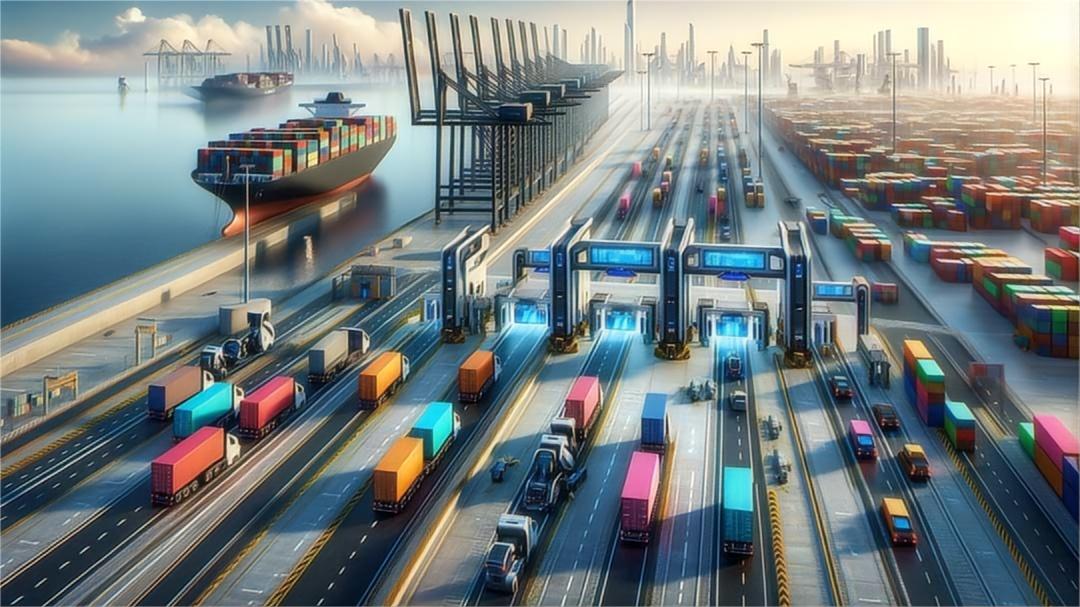
Customs clearance involves the official permission granted by Polish authorities to bring goods into the European Union territory from a non-EU country like China. This process requires the submission of specific legal documents and the payment of relevant taxes to ensure all cargo complies with national and EU safety standards. Furthermore, the Polish National Revenue Administration monitors these entries to prevent the import of restricted items and to collect necessary revenue for the state.
Importers must understand that Poland serves as a major gateway for the entire European market due to its strategic location. Consequently, the efficiency of your customs clearance from China to Poland directly impacts your ability to distribute products across the continent. Specifically, most goods entering Poland will undergo verification of their Harmonized System codes to determine the exact duty rates applicable to the shipment.
Understanding the local regulations is vital because any discrepancy in paperwork can lead to significant financial penalties or cargo seizures. Therefore, businesses often seek professional assistance to navigate the administrative hurdles of the Polish customs system. Meanwhile, staying updated on the 2026 trade policies between the EU and China remains a priority for successful long-term operations.
Key Documentation for Polish Customs Compliance
Documentation acts as the backbone of the entire import process, providing the necessary evidence of value, origin, and safety. Every shipment requires a commercial invoice that clearly states the buyer, seller, and a detailed description of the goods being transported. Additionally, a packing list is mandatory to help customs officers verify the contents of each container or pallet during physical inspections.
Poland requires all commercial importers to possess a valid Economic Operators Registration and Identification number, commonly known as an EORI number. This unique identifier is used throughout the European Union for all customs-related activities and communications. Moreover, the Bill of Lading or Air Waybill serves as the contract of carriage and must be presented to prove ownership of the cargo upon arrival.
Specific products might require additional certifications such as CE marking for electronics or phytosanitary certificates for agricultural items. For those using customs brokerage services, the power of attorney document is also necessary to allow a third party to act on your behalf. Consequently, preparing these documents well in advance of the ship’s arrival is the best way to prevent terminal storage charges.
| Document Name | Purpose | Required By | Timing |
|---|---|---|---|
| Commercial Invoice | Value & Transaction Proof | Customs / Tax Office | At Booking |
| Packing List | Cargo Verification | Port Authorities | At Loading |
| EORI Number | Importer Identification | EU Customs | Before Shipping |
| Certificate of Origin | Preferential Duty Rates | Customs Office | During Clearance |
How Does Rail Freight Compare to Other Shipping Options?
Rail transport has emerged as a powerhouse for Polish imports, primarily due to the New Silk Road connecting major Chinese hubs to the Malaszewicze terminal. While rail freight offers a middle ground between speed and cost, it is particularly effective for heavy industrial goods and high-value consumer electronics. Indeed, the transit time is significantly shorter than sea transport while being much more affordable than air solutions.
Comparing these methods requires a careful analysis of your specific business needs and budget constraints. For instance, sea freight remains the most economical choice for massive volumes, but it leaves your capital tied up in inventory for over a month. On the other hand, air freight provides the fastest delivery for urgent restocks, though the high carbon footprint and cost are significant drawbacks.
Hybrid solutions such as sea-rail or sea-air are also gaining popularity in 2026 as businesses seek to balance efficiency and sustainability. Consequently, many Polish companies now diversify their logistics portfolios to mitigate risks associated with port congestion or rail track maintenance. Therefore, choosing the right method depends on your cargo volume, required delivery speed, and the current market rates.
| Shipping Method | Cost Range | Transit Time | Best For |
|---|---|---|---|
| Sea Freight (FCL) | $2,200 – $3,800 | 30 – 40 Days | Bulk & Large Goods |
| Rail Freight | $1,500 – $2,800 | 14 – 22 Days | Mid-size Shipments |
| Air Freight | $5.50 – $9.00/kg | 3 – 7 Days | Urgent & High-Value |
| Express Service | $8.00 – $12.00/kg | 2 – 5 Days | Small Parcels/Samples |
Estimating Import Duties and VAT in Poland
Calculating the total landed cost of your goods requires a deep understanding of the Polish tax system. Specifically, the standard Value Added Tax in Poland is 23 percent, which is applied to the sum of the customs value, the duty amount, and the shipping costs. However, certain categories like books or medical supplies may qualify for reduced VAT rates of 5 percent or 8 percent.
Duty rates are determined by the HS code of the product and can range from 0 percent for many electronics to over 15 percent for certain textiles and bicycles. In addition, anti-dumping duties may apply to specific Chinese products if the EU determines they are being sold below fair market value. As a result, performing a thorough HS code audit before finalizing your purchase is essential for accurate budgeting.
Importers can often utilize the deferred VAT scheme if they meet certain criteria, which helps significantly with company cash flow. Meanwhile, ensuring your commercial invoice accurately reflects the transaction value is critical to avoid audits from the tax authorities. Consequently, any attempt to undervalue goods can lead to severe penalties and a permanent flag on your EORI profile.
Navigating the Shipping Routes to Europe
Shipping routes from China to Europe have stabilized in early 2026, though seasonal fluctuations still occur during the peak months of August through October. Most sea shipments depart from major ports like Shanghai, Ningbo, or Shenzhen and arrive at the Port of Gdynia or Gdansk. Additionally, some cargo is routed through large European hubs like Hamburg or Rotterdam before being trucked into Poland.
Direct rail connections from Xi’an or Chengdu to Warsaw have become increasingly reliable, offering a door-to-door solution that bypasses coastal port congestion. Furthermore, the development of infrastructure at the border between Belarus and Poland has improved the throughput of the Northern Corridor. Indeed, these rail links have become a lifeline for automotive and machinery sectors that require predictable delivery schedules.
Air cargo typically arrives at Warsaw Chopin Airport, which handles the majority of Poland’s international air freight. Choosing air freight is often the preferred strategy for high-tech components that need to reach the assembly line within days. Therefore, understanding the strengths of each port and terminal allows you to optimize your supply chain for both cost and speed.
Case Studies: Successful Shipments to Poland
Case Study 1: Electronics from Shenzhen to Warsaw. Route: Shenzhen -> Xi’an -> Malaszewicze -> Warsaw. Cargo: Smart home devices, 15 CBM, 3,200 kg. Method: Rail Freight (LCL). Cost Breakdown: Rail Freight $1,850, Origin Charges $250, Destination Charges $300, Total Landed Cost $2,400. Timeline: Booking to Loading 3 days, Rail Transit 16 days, Customs Clearance 2 days, Total 21 days. Key Insight: Using rail instead of air saved the client 60 percent in costs while maintaining a 3-week delivery window.
Case Study 2: Furniture from Ningbo to Gdynia. Route: Ningbo -> Gdynia (Direct). Cargo: Office furniture, 1x40HQ Container. Method: Sea Freight (FCL). Cost Breakdown: Ocean Freight $3,400, Origin Charges $400, Destination Charges $550, Total Landed Cost $4,350. Timeline: Booking to Loading 5 days, Sea Transit 35 days, Customs Clearance 3 days, Total 43 days. Key Insight: Planning 2 months in advance allowed the importer to lock in lower ocean rates before the Q3 peak season.
Note: Freight rates are subject to change based on fuel costs, carrier capacity, and seasonal demand. Contact us for a current quote tailored to your specific shipment.
Which Option Should You Choose for Your Business?
Budget priority dictates a move toward sea freight, especially for non-urgent shipments exceeding 15 cubic meters. If your primary concern is speed, air freight remains the only viable option for deliveries under 10 days. However, for the majority of consumer goods, rail freight offers the best balance of transit time and shipping expenditure.
Volume thresholds often determine when to switch from LCL to FCL shipping. For instance, once your shipment exceeds 15-20 CBM, booking a full 20GP container usually becomes more cost-effective than paying per cubic meter for shared space. Additionally, consider the nature of your cargo; fragile items often fare better in rail or air transport due to less handling compared to sea port operations.
Strategic planning involves looking at your entire annual volume rather than individual shipments. By consolidating smaller orders into a single container, you can significantly reduce the per-unit cost of customs clearance from China to Poland. Consequently, a well-thought-out logistics strategy will provide your business with a competitive advantage in the Polish market.
Final Thoughts on Polish Import Logistics
Successfully managing customs clearance from China to Poland requires a blend of regulatory knowledge, meticulous documentation, and strategic shipping choices. As we move through 2026, the integration of digital customs platforms and improved rail infrastructure continues to make this trade route more efficient for global businesses.
Reliability in your logistics chain is built on choosing the right partners and staying informed about changing tax laws and duty structures. By focusing on compliance and cost-optimization, you can ensure your goods reach the Polish market on time and within budget, fueling your business growth in Central Europe.
Need a tailored shipping solution?
Streamline your international trade today by partnering with experts who understand the nuances of the Polish market. Our team provides tailored logistics solutions that ensure your customs clearance from China to Poland is handled with precision and speed. Contact Top China Freight now to receive a competitive quote and optimize your supply chain for 2026.
Frequently Asked Questions
How long does customs clearance take in Poland?
Typically, the process takes between 1 and 3 business days if all documentation is correct. However, physical inspections or missing paperwork can extend this timeline to a week or more.
What is the VAT rate for imports into Poland?
The standard VAT rate for most commercial goods imported into Poland is 23 percent. Some specific categories like food or medical products may qualify for lower rates of 5 or 8 percent.
Do I need a Polish company to import from China?
No, you do not need a Polish company, but you must have a valid EU EORI number. Non-EU companies usually need a fiscal representative to handle VAT and customs formalities within Poland.
What is an EORI number and why is it required?
The EORI number is a unique identification code used by EU customs authorities to track shipments. It is mandatory for all businesses importing or exporting goods between Poland and non-EU countries.
Can I clear customs in another EU country before the goods reach Poland?
Yes, this is common with sea freight arriving in Hamburg or Rotterdam. The goods can be cleared there and then transported to Poland under a T1 transit document or as EU-cleared cargo.
What are the most common reasons for customs delays?
Delays usually stem from incorrect HS code classification, undervalued invoices, or missing certificates of origin. Ensuring all paperwork matches the physical cargo is the best way to avoid these issues.
Is rail freight safer than sea freight for customs?
Both methods are safe, but rail freight often involves fewer handling stages at major transshipment hubs. This can sometimes lead to a more straightforward inspection process at the border terminals.