

Shipping Rates From China to Saudi Arabia: 2026 Logistics Guide
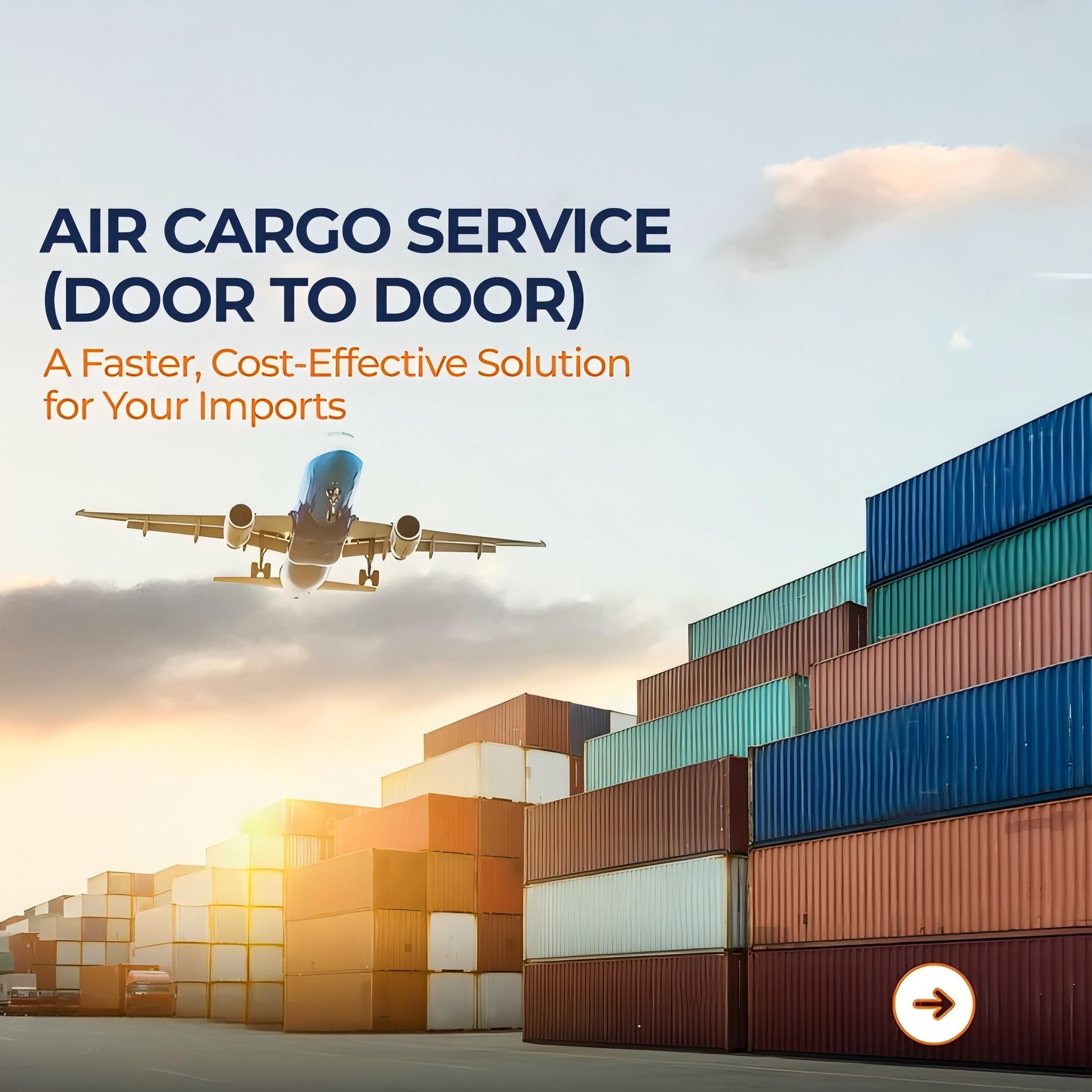
Navigating the complex world of international logistics requires up-to-date data and reliable partnerships. Business owners frequently search for competitive shipping rates from China to Saudi Arabia to keep their supply chains efficient and cost-effective. Consequently, understanding the 2026 market trends is essential for anyone importing goods into the Kingdom. This guide breaks down the latest costs, transit times, and strategies to help you optimize your shipping budget while ensuring timely delivery to major Saudi cities like Riyadh, Jeddah, and Dammam.

What Factors Influence Shipping Rates From China to Saudi Arabia?
Several variables determine the final price you pay for transporting goods across these major trade routes. Fuel surcharges, seasonal demand, and carrier capacity play significant roles in the price fluctuations we see in early 2026. Moreover, the weight and volume of your cargo are the most direct cost drivers in any freight quote.
Market data suggests that port congestion and labor availability at major hubs like Ningbo or Shanghai can also impact your expenses. For instance, peak seasons such as the months leading up to Ramadan often see a 20 percent spike in demand. Therefore, planning your shipments well in advance is a crucial strategy for cost containment.
Currency exchange rates and local port fees in Saudi Arabia further complicate the pricing structure. Additionally, the type of goods you are shipping might require specialized handling or temperature control, which adds to the base rate. In fact, electronics and hazardous materials often incur extra surcharges due to safety regulations.
How Does Sea Freight Compare to Other Shipping Options?
Choosing the right transport mode depends heavily on your specific business needs and budget constraints. While sea freight offers the lowest cost per unit for high-volume shipments, it requires the longest transit times. In contrast, air freight provides speed but at a significantly higher price point, making it suitable only for high-value or urgent cargo.
Moreover, express services offer a premium door-to-door experience that simplifies the customs process for smaller packages. Nevertheless, most importers find that a balanced approach using multiple methods works best for a diverse inventory. For example, you might use sea freight for your core stock and air freight for emergency replenishments.
Hybrid solutions like sea-air combinations have also gained traction in 2026 as a middle-ground alternative. These services typically involve shipping goods by sea to a regional hub like Dubai and then flying them into Saudi Arabia. Consequently, you can save approximately 30 percent compared to pure air freight while cutting sea transit time in half.
| Shipping Method | Cost Range | Transit Time | Best For |
|---|---|---|---|
| Sea Freight (FCL) | $1,800 – $3,500 | 22 – 35 Days | Large Bulk Orders |
| Air Freight | $4.50 – $9.00/kg | 3 – 7 Days | High Value Goods |
| Express Service | $8.00 – $15.00/kg | 2 – 4 Days | Small Samples |
| Sea-Air Hybrid | $2.50 – $5.00/kg | 12 – 18 Days | Mid-range Urgency |

Sea Freight Solutions and 2026 Pricing Trends
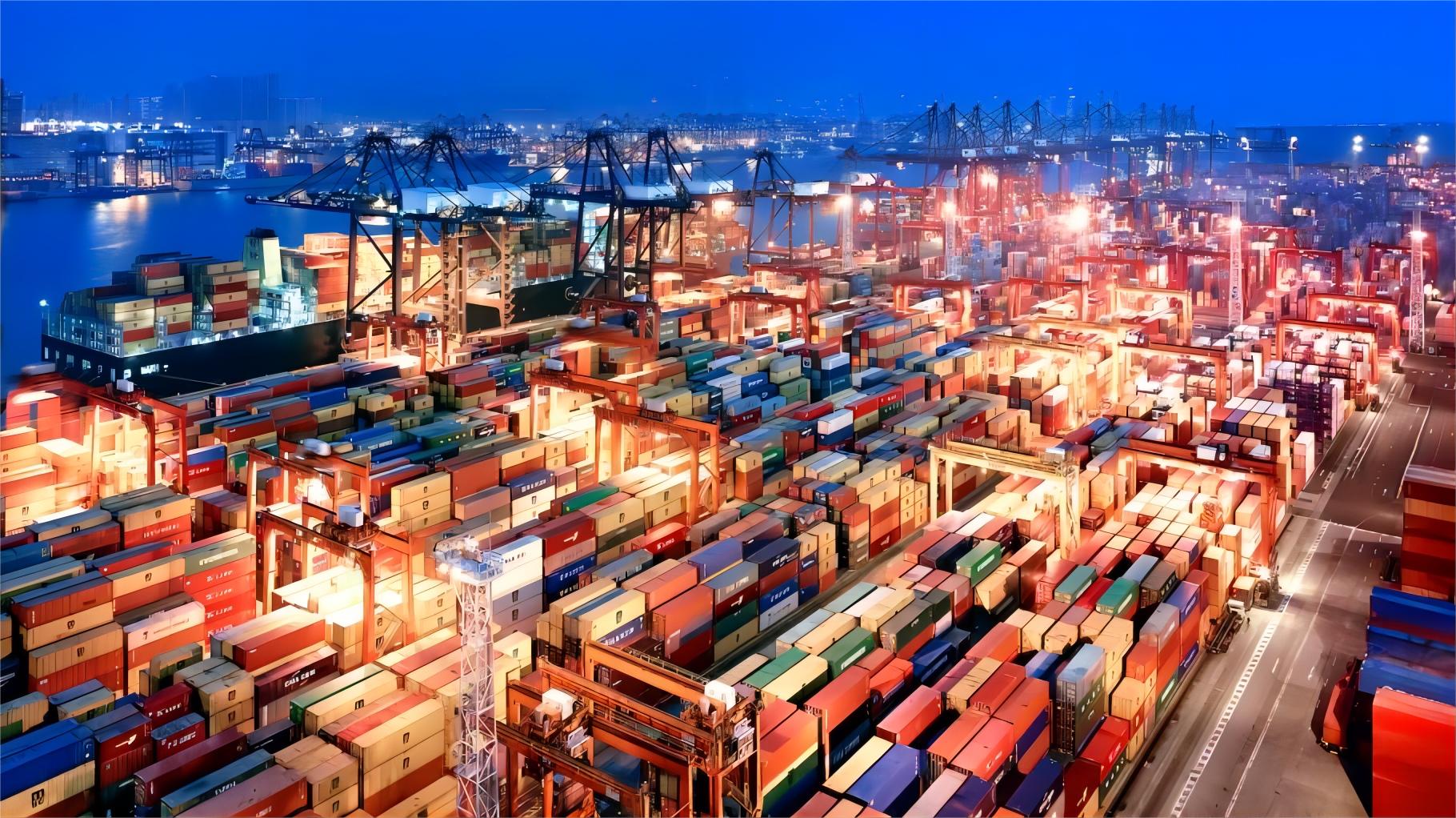
Ocean transport remains the backbone of trade between China and the Middle East due to its massive capacity. You can choose between Full Container Load (FCL) and Less than Container Load (LCL) based on your shipment volume. Indeed, sea freight is usually the most economical choice for shipments exceeding 15 cubic meters.
Typical rates as of early 2026 for a 20-foot container range between $1,800 and $2,400 depending on the origin port. Meanwhile, 40-foot high cube containers are currently pricing between $3,000 and $4,200. These rates have stabilized following the logistical disruptions seen in 2025, providing more predictability for supply chain managers.
LCL shipping is an excellent alternative if you do not have enough cargo to fill an entire container. In this scenario, you only pay for the space you occupy, with rates currently averaging $60 to $90 per cubic meter. However, keep in mind that LCL shipments often require more time for consolidation and deconsolidation at the ports.
Air Freight Options for Rapid Delivery to Saudi Arabia
Speed is the primary advantage when you opt for air freight services from major Chinese hubs. This method is particularly beneficial for fashion retailers, pharmaceutical companies, and tech firms that need to minimize time-to-market. Furthermore, air transport offers enhanced security and lower insurance premiums compared to ocean routes.
Current market rates for air cargo from Shanghai to Riyadh fluctuate between $5.00 and $8.50 per kilogram for shipments over 100 kilograms. Smaller shipments may face higher per-kilo rates due to minimum weight requirements. Additionally, you must account for fuel and security surcharges which can change on a weekly basis.
Direct flights to King Khalid International Airport or King Abdulaziz International Airport are the fastest options available. On the other hand, choosing a flight with a layover in Guangzhou or Doha can often reduce your costs by 10 to 15 percent. Consequently, you should evaluate whether the extra two days of transit are worth the financial savings.
Real-World Case Studies for 2026 Shipments
Analyzing actual shipping scenarios helps illustrate how different factors impact the final landed cost. These examples reflect the current 2026 market conditions and common logistical challenges faced by importers.
+———————————————————+ | Case Study 1: Large Scale Electronics Import | | Route: Shenzhen, China to Jeddah, Saudi Arabia | | Cargo: Consumer Electronics, 65 CBM, 12,000 kg | | Container: 40HQ (Full Container Load) | | | | Shipping Details: | | – Carrier: Major Ocean Carrier | | – Port of Loading: Shenzhen | | – Port of Discharge: Jeddah | | – Route Type: Direct | | | | Cost Breakdown: | | – Ocean Freight: $3,250 | | – Origin Charges: $350 | | – Destination Charges: $480 | | – Customs and Duties: $1,200 | | – Total Landed Cost: $5,280 | | | | Timeline: | | – Booking to Loading: 4 days | | – Sea Transit: 24 days | | – Customs Clearance: 3 days | | – Total Door-to-Door: 31 days | | | | Key Insight: Direct routing saved 6 days compared to | | transshipment via Singapore during peak season. | +———————————————————+
+———————————————————+ | Case Study 2: Urgent Spare Parts Delivery | | Route: Shanghai, China to Riyadh, Saudi Arabia | | Cargo: Automotive Spare Parts, 1.2 CBM, 250 kg | | Method: Standard Air Freight | | | | Shipping Details: | | – Service: Airport to Airport | | – Port of Loading: Shanghai Pudong (PVG) | | – Port of Discharge: Riyadh (RUH) | | – Route Type: Indirect via Dubai | | | | Cost Breakdown: | | – Air Freight: $1,375 ($5.50/kg) | | – Fuel and Security: $210 | | – Handling Fees: $120 | | – Total Landed Cost: $1,705 | | | | Timeline: | | – Booking to Loading: 2 days | | – Air Transit: 3 days | | – Customs Clearance: 2 days | | – Total Door-to-Door: 7 days | | | | Key Insight: Using an indirect flight saved 15% on | | freight costs without compromising the deadline. | +———————————————————+
Customs Brokerage and Import Regulations
Navigating the Saudi Zakat, Tax and Customs Authority (ZATCA) requirements is a vital step in the shipping process. Without proper documentation, your goods could face lengthy delays or expensive storage fees at the port. Therefore, partnering with a specialist in customs brokerage is highly recommended for first-time importers.
Essential documents include a commercial invoice, packing list, certificate of origin, and a bill of lading. Additionally, many products require a SASO (Saudi Standards, Metrology and Quality Organization) certificate of conformity to enter the country. In fact, failing to provide these documents electronically through the FASAH system can lead to immediate rejection of the cargo.
Import taxes in Saudi Arabia generally range from 5 to 15 percent depending on the HS code of the product. Moreover, a standard Value Added Tax (VAT) of 15 percent applies to most imported goods. Consequently, you must include these taxes in your initial budget to avoid unexpected financial strain during the clearance phase.
Which Option Should You Choose?
Determining the best shipping strategy requires a clear understanding of your priorities regarding time and money. If your primary goal is to minimize express service costs for small parcels, air freight is the logical choice. However, for bulk inventory, sea freight remains the only viable way to maintain a competitive retail price.
Businesses should consider the volume threshold when switching between methods. For instance, once a shipment exceeds 100 kilograms, traditional air freight usually becomes cheaper than express couriers. Similarly, when a shipment reaches 15 cubic meters, booking a full 20-foot container is often more economical than paying for multiple LCL spaces.
Cargo type also dictates the method, as fragile or perishable items often require the speed and stability of air transport. In contrast, heavy machinery and raw materials are best suited for the heavy-lift capabilities of ocean vessels. Ultimately, the best choice often involves a mix of methods tailored to your specific product lifecycle.
| Priority | Recommended Method | Average Cost | Typical Transit |
|---|---|---|---|
| Lowest Budget | Sea Freight LCL | $70/CBM | 30-35 Days |
| Maximum Speed | Air Freight Direct | $8.00/kg | 3-5 Days |
| Ease of Use | Door to Door DDP | Varies | 25-30 Days |
| High Volume | Sea Freight FCL | $2,500/Container | 25-28 Days |
Maximizing Efficiency with Door to Door Services
Modern importers are increasingly turning to door to door solutions to simplify their operations. This service handles every aspect of the journey, from the factory floor in China to your warehouse in Saudi Arabia. Consequently, you can focus on sales and marketing while the logistics provider manages the complex details of international transit.
DDP (Delivered Duty Paid) shipping is a specific type of door-to-door service where the seller or forwarder handles all taxes and duties. This option is particularly popular for e-commerce sellers who want to avoid the administrative burden of Saudi customs. Furthermore, it provides a single, all-inclusive price that makes financial planning much simpler.
Although the per-unit cost of DDP might be slightly higher than standard freight, the time saved is often worth the investment. Indeed, avoiding a single customs delay can save your business thousands of dollars in lost sales. Therefore, evaluating the total value of your time is essential when comparing these premium service levels.
Final Thoughts on 2026 Saudi Freight Trends
To summarize, staying competitive in the Saudi market requires a proactive approach to logistics and a deep understanding of shipping rates from China to Saudi Arabia. While sea freight remains the most cost-effective solution for large volumes, air freight and hybrid options provide the necessary speed for urgent demands. By monitoring 2026 market trends and choosing the right service level, you can ensure your goods arrive safely and affordably.
Remember that freight rates are subject to change based on fuel costs, carrier capacity, and seasonal demand. Always seek updated quotes and consider the total landed cost rather than just the base freight rate. With the right strategy, your international trade operations will flourish throughout the coming year.

Need a tailored shipping solution?
Optimizing your shipping rates from China to Saudi Arabia is the key to a profitable import business in 2026. Our team of logistics experts is ready to provide you with a customized quote that meets your specific needs and budget. Contact Top China Freight today to streamline your supply chain and secure the most competitive rates in the market. Send Inquiry to get started with a professional shipping consultation.