

Global Freight Forwarding from China with Customs and Fulfillment
Navigating the complexities of international trade requires a robust strategy for global freight forwarding from china with customs and fulfillment to ensure your goods move seamlessly from factory floor to final destination. Many businesses struggle with fragmented supply chains, where delays at ports or documentation errors lead to mounting costs and lost revenue. By partnering with Top China Freight, you gain access to an integrated network designed to mitigate these risks and optimize your transit schedules. Whether you are scaling an e-commerce brand or managing large-scale industrial imports, our comprehensive approach minimizes administrative friction and maximizes operational efficiency. We handle the intricacies of cross-border movement so you can focus on growing your core business. Published by Top China Freight logistics research team.
What Is global freight forwarding from china with customs and fulfillment and Who Is It For?
Global freight forwarding from china with customs and fulfillment represents a comprehensive logistics solution that combines international transportation with local regulatory compliance and inventory management. This service is specifically designed for high-growth e-commerce sellers, retail distributors, and manufacturing enterprises that require a unified approach to their supply chain. Instead of managing multiple vendors for drayage, brokerage, and warehousing, clients utilize a single point of contact to orchestrate the entire lifecycle of their cargo.
Furthermore, this model is ideal for companies that prioritize speed and accuracy in their import processes. By integrating customs brokerage directly into the forwarding process, businesses avoid the common pitfalls of detention and demurrage fees caused by misfiled paperwork or regulatory non-compliance. Additionally, the fulfillment aspect allows for the seamless transition of goods from terminal arrival to final delivery, ensuring that inventory is ready for sale or distribution without unnecessary delays in the middle mile.
Consequently, this holistic service is essential for organizations looking to scale their operations while maintaining strict control over landed costs. It is particularly beneficial for businesses importing sensitive goods that require careful handling and precise documentation, such as electronics, apparel, or specialized machinery. By aligning your shipping strategy with a professional forwarder, you can effectively navigate the complexities of international trade regulations while maintaining a competitive edge in your target market.
Logistics Mode Comparison
| Method | Suitability | Cost Level | Transit Speed |
|---|---|---|---|
| Sea Freight | Bulk/FCL | Low | Slow |
| Air Freight | Urgent/Small | High | Fast |
| Express | Samples/E-com | Premium | Immediate |
Transport Mode Selection and Route Gateway Logic for global freight forwarding from china with customs and fulfillment
Selecting the right transport mode is a critical decision that influences both your budget and your delivery timeline. For large-scale shipments, sea freight remains the most cost-effective option, offering significant economies of scale for full container loads. However, if your business requires faster inventory turnover, air freight provides a reliable, albeit more expensive, alternative that drastically reduces transit times for time-sensitive cargo.
Moreover, the choice of gateway ports in China—such as Shanghai, Ningbo, or Shenzhen—significantly impacts your total logistics performance. Each major port offers different advantages in terms of carrier availability, frequency of sailings, and proximity to your supplier’s factory. Our logistics experts analyze your specific origin and destination to recommend the most efficient routing, ensuring that your cargo moves through the most capable terminals to avoid seasonal congestion.
Additionally, for companies managing smaller volumes or urgent retail restocks, utilizing express service options can bridge the gap between air and sea. This approach is particularly effective when dealing with high-value goods that require rapid market entry. By carefully balancing your volume needs against your target delivery dates, you can develop a flexible transport strategy that adapts to market fluctuations and shifting consumer demand.
FCL vs LCL and Cargo Configuration Breakdown
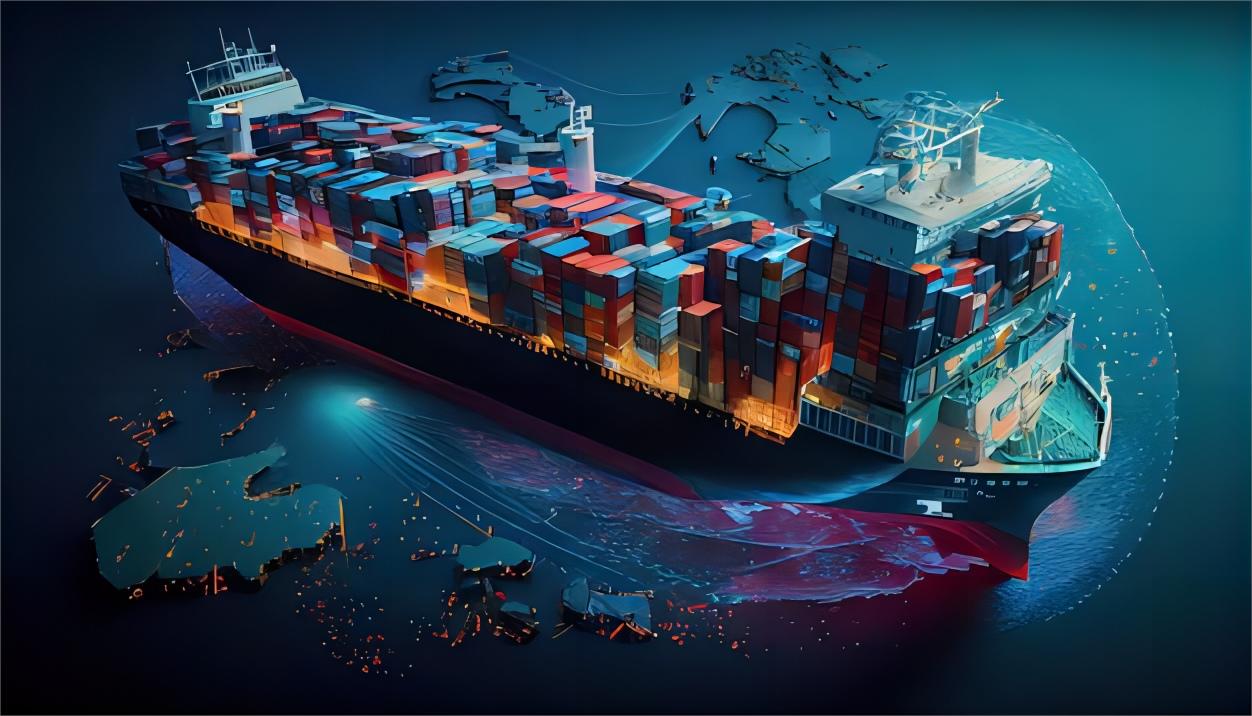
Deciding between Full Container Load (FCL) and Less than Container Load (LCL) is a pivotal step in optimizing your shipping costs. FCL is generally recommended for larger shipments, as it offers the security of a dedicated container and faster handling at both origin and destination ports. Conversely, LCL allows smaller businesses to share container space, which significantly reduces the cost per cubic meter for smaller cargo volumes.
In addition, the configuration of your cargo plays a significant role in how it is handled throughout the supply chain. Properly palletized and labeled goods ensure that your freight remains stable during transit and moves quickly through customs inspection processes. Furthermore, utilizing standardized container sizes—such as 20GP, 40GP, or 40HQ—helps you maximize your space utilization and minimize the risk of damage during ocean transit.
Ultimately, the goal is to align your cargo volume with the appropriate shipping method to avoid paying for unused space while ensuring your goods are protected. We work closely with clients to assess their specific packing requirements, providing guidance on how to consolidate shipments or optimize load patterns. By focusing on efficient cargo configuration, you can significantly reduce your logistics overhead and improve the overall reliability of your shipping operations.
Transit-Time Architecture and Port-to-Port Delivery Matrix
Understanding transit architecture is vital for maintaining a consistent supply chain, especially when coordinating global freight forwarding from china with customs and fulfillment. Transit times are influenced by a variety of factors, including carrier schedules, port handling times, and the specific route taken between your origin and destination. For instance, direct routes typically offer the fastest transit, while transshipment services may provide better cost efficiency at the expense of a longer delivery window.
Furthermore, our team utilizes advanced tracking systems to provide real-time updates on your cargo’s status throughout its journey. This transparency allows you to adjust your internal inventory planning and communicate accurate delivery expectations to your customers. Additionally, we account for potential buffer times in our logistics planning, ensuring that minor delays in vessel departures or port processing do not result in significant disruptions to your downstream operations.
Moreover, by analyzing historical data and current shipping lane performance, we help you set realistic expectations for your logistics calendar. Whether you are shipping to North America, Europe, or Australia, having a clear understanding of the transit matrix allows you to optimize your replenishment cycles and maintain a steady flow of goods into your warehouse.
Estimated Transit Time Matrix
| Destination | Sea Freight | Air Freight | Express |
|---|---|---|---|
| North America | 20-30 Days | 3-7 Days | 2-4 Days |
| Europe | 28-35 Days | 5-8 Days | 3-5 Days |
| Australia | 15-20 Days | 4-7 Days | 3-5 Days |
Landed Cost Anatomy and Destination Port Surcharges
Calculating the true landed cost of your goods is essential for maintaining healthy profit margins. Beyond the base freight rate, you must account for various destination port surcharges, including terminal handling charges, documentation fees, and local drayage costs. By taking a proactive approach to cost analysis, you can identify hidden expenses that often inflate the total cost of your imports unexpectedly.
In addition, our team provides detailed cost breakdowns for every shipment, ensuring that you have full visibility into your supply chain spending. We help you navigate the complexities of fuel surcharges and currency exchange fluctuations, which can impact your rates on a month-to-month basis. Furthermore, by consolidating your logistics services, you gain access to volume-based pricing and more favorable contract terms with major carriers and local providers.
Consequently, managing your landed costs effectively requires a combination of strategic planning and ongoing market analysis. We encourage our clients to review their total cost of ownership regularly, considering not just the shipping rates but also the impact of transit times and inventory holding costs. By focusing on the entire financial picture, you can make more informed decisions regarding your sourcing and distribution strategies.
Customs Clearance, Regulatory Compliance, and Required Documents
Navigating customs clearance is perhaps the most critical component of global freight forwarding from china with customs and fulfillment. Regulatory compliance ensures that your goods meet all import requirements, preventing costly seizures or delays at the border. Our dedicated customs brokerage experts manage the submission of all necessary documentation, including commercial invoices, packing lists, and certificates of origin, to ensure a smooth transition through local authorities.
Moreover, staying updated on changing trade policies and tariff structures is vital for long-term success. We assist you in correctly classifying your goods using the appropriate HS codes, which directly impacts the duty and tax rates you will pay. Additionally, by providing pre-clearance services, we can often initiate the customs documentation process before your vessel even arrives at the discharge port, significantly reducing the time your cargo spends in port storage.
Ultimately, accurate and timely documentation is the foundation of a successful import operation. We maintain rigorous standards for data integrity and compliance, ensuring that every shipment adheres to the specific regulations of your destination country. By entrusting your customs needs to experienced professionals, you can mitigate the risk of fines and delays, allowing your supply chain to operate with maximum predictability and efficiency.
Essential Customs Documentation Checklist
| Document | Purpose | Responsible Party |
|---|---|---|
| Commercial Invoice | Valuation/Tax | Exporter |
| Packing List | Cargo Inventory | Exporter |
| Bill of Lading | Proof of Ownership | Carrier |
| Customs Entry | Legal Declaration | Broker |
Seasonality, Carrier GRI, and Peak Disruption Management
Logistics markets are inherently cyclical, with seasonal patterns often driving significant fluctuations in both pricing and capacity. During peak seasons, such as the period leading up to major holidays, freight rates can increase dramatically as demand outstrips available vessel space. We help our clients prepare for these surges by planning their shipping schedules well in advance and securing space allocations during off-peak windows.
In addition, General Rate Increases (GRI) implemented by carriers can have a significant impact on your shipping budget. We monitor these market shifts closely and provide our clients with timely updates, allowing you to adjust your procurement and replenishment cycles to minimize the impact of rate hikes. Furthermore, we maintain strong relationships with diverse carrier networks to ensure that we always have alternative routing options available when specific routes become congested.
Moreover, proactive disruption management is the hallmark of a resilient supply chain. Whether dealing with port labor strikes, severe weather events, or geopolitical instability, having a contingency plan is essential. By working with a forwarder who understands the nuances of the global market, you can navigate these challenges with confidence, ensuring that your business remains operational even in the face of significant logistical headwinds.
Strategic Decision Framework: Choosing Your Ideal Shipping Route
Choosing the ideal shipping route involves evaluating your specific business priorities against the available logistical options. If your primary goal is budget preservation, ocean freight remains the superior choice, provided you can accommodate the longer transit times. Conversely, if your business model relies on high-speed inventory turnover, investing in air freight or premium express solutions is often the most strategic path to growth.
Furthermore, consider the nature of your cargo when making these decisions. Perishable or high-value, small-volume goods are almost always better suited for air or express delivery, while durable, bulk commodities thrive on the economies of scale offered by sea freight. Our decision framework helps you categorize your shipments by value, urgency, and volume, allowing you to tailor your shipping strategy to the unique needs of each product line.
Finally, always evaluate the trade-offs between direct routes and transshipment options. Direct routes provide speed and reduce the risk of cargo mishandling, while transshipment can offer significant cost savings. By applying this strategic framework to your logistics planning, you can optimize your shipping costs and transit times, ultimately building a more robust and responsive supply chain that supports your long-term commercial objectives.
Summary
In summary, successful global freight forwarding from china with customs and fulfillment requires a strategic approach that integrates transportation, regulatory compliance, and inventory management. By leveraging professional expertise and a clear understanding of shipping dynamics, you can optimize your supply chain, reduce landed costs, and improve delivery reliability.
Whether you are just starting your import journey or looking to scale your existing operations, partnering with an experienced provider ensures that your goods arrive on time and in full compliance with all trade regulations. Take control of your logistics today and build a stronger, more efficient path for your business growth.
Start Your Shipment
To receive a tailored logistics plan, please send us your shipment details, including the gross weight, total CBM, packaging type, HS codes, and your specific origin and destination terminals.
Request Quote