

Shipping from China to Australia: Customs Clearance Support Guide 2026
Navigating the complexities of international trade requires reliable expertise, which is why importers often turn to Top China Freight for seamless logistics solutions. If you are currently shipping from China to Australia, customs clearance support is the most critical factor in ensuring your cargo reaches its destination without costly delays. Many businesses struggle with Australian Border Force regulations, but understanding the process early saves both time and capital.
Understanding Customs Clearance for Australia Imports
Importing goods into Australia involves strict adherence to the Department of Agriculture, Fisheries and Forestry and the Australian Border Force. You must ensure all commercial invoices, packing lists, and bills of lading are accurate to avoid penalties. Furthermore, utilizing professional customs brokerage services can significantly reduce the risk of quarantine holds.
Additionally, businesses should verify if their goods require specific permits or are subject to anti-dumping duties. Being proactive with your paperwork is the best strategy to maintain a smooth supply chain. For those managing complex logistics, our door to door shipping options can simplify the entire import cycle.
Shipping Methods: Sea vs Air Freight
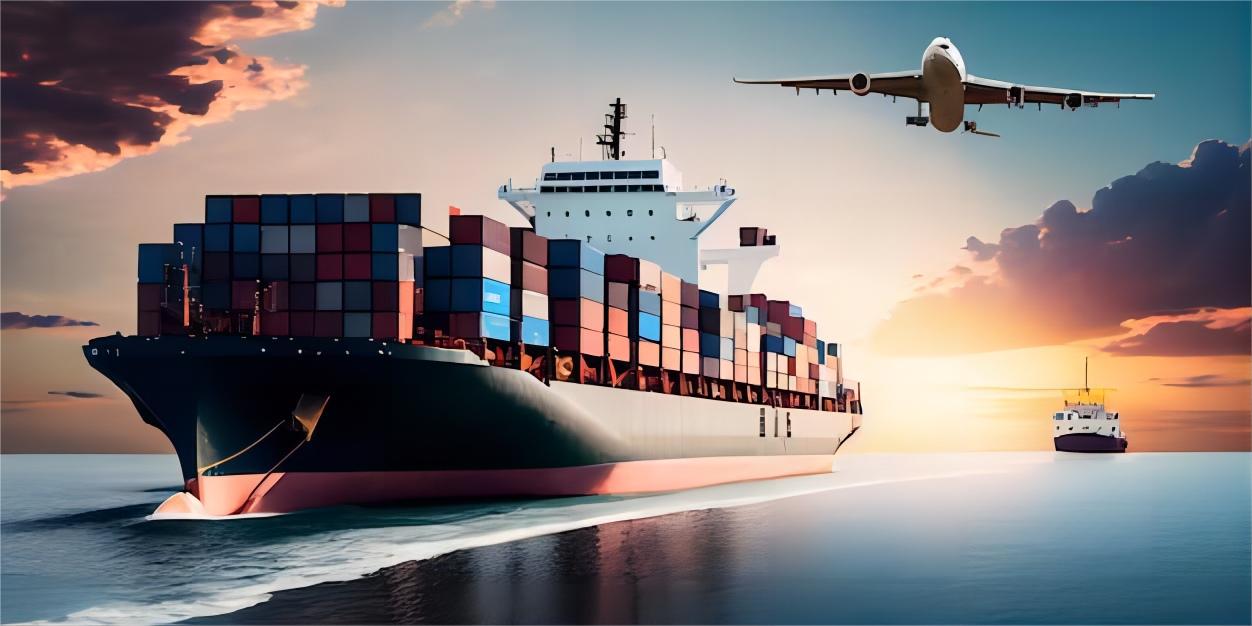
Choosing the right transport mode depends on your budget and delivery deadlines. If you are moving high-volume goods, sea freight remains the most cost-effective solution for long-term inventory planning. Conversely, if your items are time-sensitive or high-value, air freight provides the rapid transit times required to keep your business competitive.
We also offer specialized express service options for urgent small parcels that need to clear customs quickly. As of 2026, freight rates have stabilized, allowing for more predictable budgeting across these primary transport channels.
| Method | Cost | Transit Time | Best For |
|---|---|---|---|
| Sea Freight | Low | 12-18 days | Bulk cargo |
| Air Freight | High | 3-7 days | Urgent goods |
| Express | Premium | 2-4 days | Small parcels |
How Does Sea Freight Compare to Other Shipping Options?
Sea freight is the backbone of trade between China and Australia, offering the best balance for most importers. However, air freight is superior for seasonal stock that must hit shelves immediately. By comparing these methods, you can optimize your shipping strategy based on the specific needs of your cargo.
Moreover, hybrid solutions allow you to balance speed and cost effectively. For example, using sea freight for your core inventory while reserving air freight for replenishment orders creates an agile supply chain. Always consider the total landed cost, including duties and taxes, when evaluating these alternatives.
| Option | Cost Range | Transit Time | Limitation |
|---|---|---|---|
| Sea (FCL) | Moderate | 15 days | Container load needed |
| Sea (LCL) | Low | 20 days | Longer handling |
| Air | High | 5 days | Expensive for bulk |

Essential Customs Documentation Checklist
Accurate documentation is the foundation of successful customs clearance. You must prepare the Commercial Invoice, Packing List, and Certificate of Origin well in advance. Furthermore, ensure that your supplier provides a clear description of goods to prevent classification errors during the inspection process.
In addition, keep a record of all duty payments and freight invoices for your audit trail. Working with an experienced agent ensures that your documentation complies with the latest 2026 import standards, preventing unnecessary cargo inspections at the Australian border.
Summary of Shipping from China to Australia
Successfully managing shipping from China to Australia with customs clearance support requires a combination of proper planning, accurate documentation, and the right logistics partner. By leveraging professional services, you can mitigate risks and focus on growing your business operations.
Whether you choose sea or air freight, staying informed about current shipping trends and regulatory changes is essential for long-term success. Reach out to our team today to ensure your supply chain remains efficient and compliant throughout 2026.
Need a tailored shipping solution?
Are you ready to streamline your logistics? Contact our expert team today to get a customized quote and professional customs clearance support for your next shipment. Visit Top China Freight to start your inquiry.