

Can Rail Freight Avoid September Ocean Delays: Strategic 2026 Logistics Guide
As September approaches, shippers face the perennial challenge of peak season congestion, prompting the question: can rail freight avoid September ocean delays effectively? While ocean lanes struggle with berth availability and container shortages, Top China Freight provides the necessary oversight to pivot cargo to stable overland routes. This guide analyzes the feasibility of Eurasian rail networks, detailing how strategic booking and documentation management can bypass the volatility of traditional maritime schedules. We explore the critical checkpoints required to maintain supply chain continuity during this high-demand period.

Key Takeaways
Eurasian rail transit times average 16–22 days, compared to 35–45 days for ocean freight during peak congestion.
A standard 40HQ container holds approximately 68–76 CBM; aim for 65–70 CBM for optimal rail block-train utilization.
Rail documentation requires the CIM/SMGS consignment note, which must be cross-referenced with the commercial invoice and packing list 7–10 days before departure.
Winter and seasonal congestion at Alashankou or Khorgos border crossings can add 3–5 days of dwell time to the total lead time.
When Does Rail Freight Beat Ocean or Air on Can Rail Freight Avoid September?
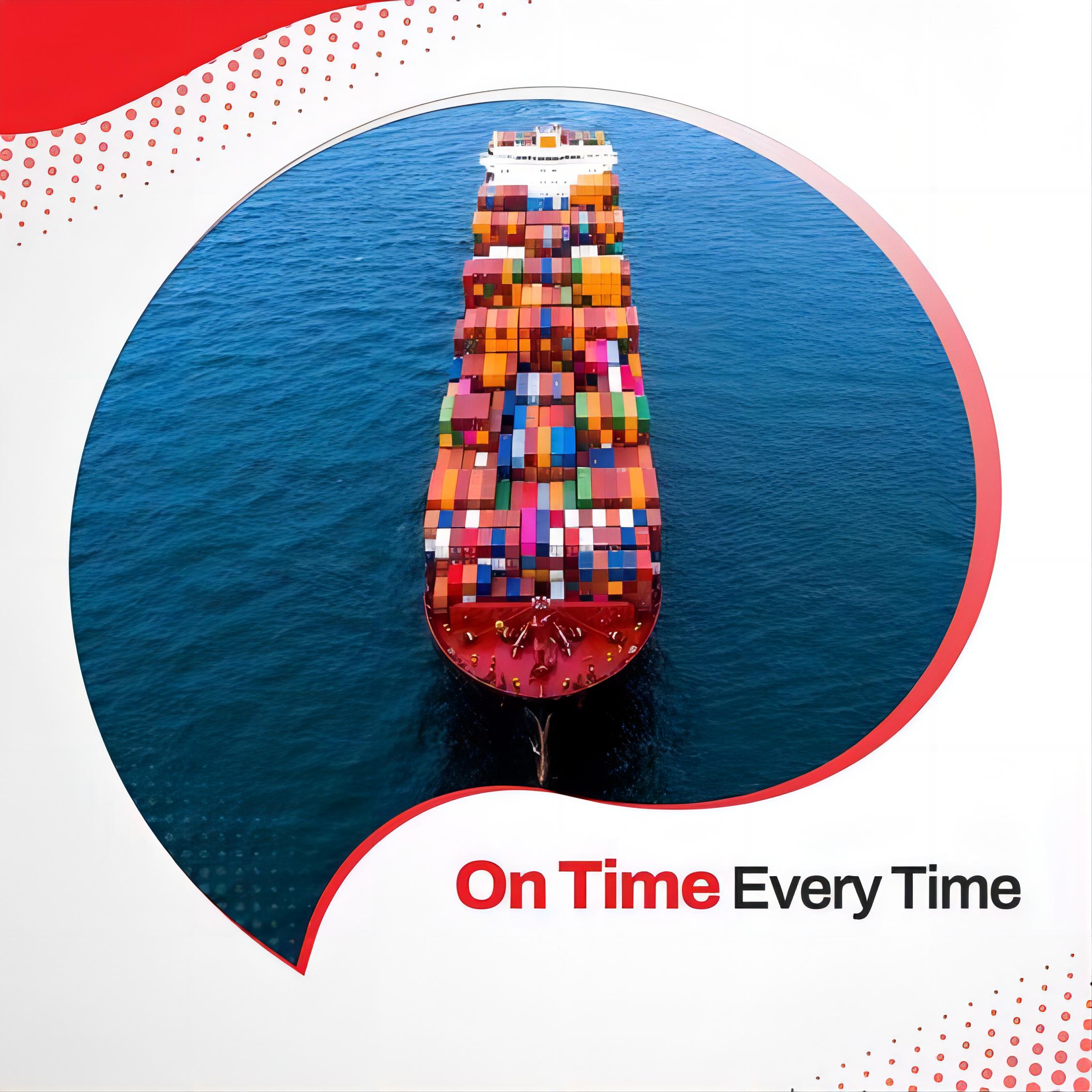
Rail freight serves as a critical middle-ground solution when ocean delays threaten inventory turnover and air freight costs become prohibitive. During the September peak season, ocean carriers often impose blank sailings and prioritize high-margin cargo, leaving mid-tier importers vulnerable to significant transit spikes. Rail offers a predictable, fixed-schedule alternative that avoids the unpredictability of maritime berths while maintaining a higher volume capacity than air freight.
Choosing rail is strategically sound when your cargo-ready date aligns with established block-train departures from hubs like Chongqing or Xi’an. By bypassing the primary maritime bottlenecks, rail provides a consistent transit window that allows for more accurate replenishment planning for European distribution centers. Importers must weigh the higher cost of rail against the potential stock-out costs associated with delayed ocean arrivals, ensuring that the landed cost remains competitive.
The decision to shift to rail should be made at least four weeks prior to the cargo-ready date to secure platform space. Our team monitors capacity windows across major corridors, ensuring your shipment is not only booked but also prioritized against competing freight. By utilizing professional rail freight services, you can gain better control over your supply chain velocity during the most volatile months of the year.
Field note: Focus on fixed-schedule availability at Shanghai/Ningbo.
Common mistake: Waiting until the last minute to book rail space.
Risk alert: Capacity can tighten rapidly in early September.
Critical Checklist: Rail Documents, Gauge Change, and Winter Risks for Can Rail Freight Avoid September
Navigating the administrative requirements for rail freight is significantly different from ocean processes. The primary document, the CIM/SMGS consignment note, acts as the contract of carriage and must be perfectly aligned with your commercial invoice and packing list. Any discrepancies in HS codes or weights can lead to immediate holds at the border, disrupting the entire train’s schedule and resulting in costly re-documentation fees for the shipper.
The transition between different rail gauges at border crossings like Alashankou or Khorgos remains a sensitive point in the transit process. While this is primarily handled by the rail operator, the accuracy of your declaration directly impacts the speed of these transfers. Winter risks, including potential snow delays and equipment freezing, necessitate robust packaging to protect sensitive cargo from extreme temperature fluctuations experienced during the transit through Central Asia.
Maintaining a detailed checklist is essential for mitigating these risks. Ensure that your logistics partner has verified all documentation against the specific requirements of the transit countries. By proactively managing the document flow, you minimize the likelihood of customs interventions that are common during the high-pressure peak season, keeping your goods moving toward the final destination without unnecessary terminal dwell.
| Equipment Type | Internal Volume (CBM) | Max Payload (kg / lbs) | Optimal Commodity Fit |
|---|---|---|---|
| 20ft Standard (20GP) | 28–30 CBM (26 usable) | 21,800 kg / 48,000 lbs | Dense machinery / metals on block-train strings |
| 40ft Standard (40GP) | 58–60 CBM (54 usable) | 26,500 kg / 58,400 lbs | Palletized general cargo on gauge-change lanes |
| 40ft High Cube (40HQ) | 68–76 CBM (68 usable) | 26,500 kg / 58,400 lbs | Light bulky SKUs (furniture, textiles) on China–Europe rail |
| 45ft High Cube (45HQ) | 85–86 CBM (78 usable) | 27,500 kg / 60,600 lbs | High-cube retail where corridor equipment accepts 45ft |
Field note: CIM/SMGS accuracy determines border clearance speed.
Common mistake: Ignoring the impact of temperature changes on sensitive goods.
Risk alert: Inaccurate HS codes cause mandatory border inspections.
Critical Checklist: Rail Capacity Windows and Winter Risks

Rail capacity is not as elastic as ocean capacity, making pre-booking a fundamental requirement for successful transit. As you approach September, block-train operators often reach full utilization weeks in advance, making it essential to secure your space early. Understanding the seasonal impact of winter on rail operations is equally important, as extreme weather can influence the operational speed of the train and the efficiency of the transload terminals.
Shippers should coordinate with their forwarder to identify the specific capacity windows for their chosen hub. Whether shipping from Chengdu or Zhengzhou, the availability of 40HQ containers is subject to local demand and the return flow of equipment. Managing the timing of your cargo-ready date relative to these block-train departure schedules is the most effective way to optimize your supply chain and avoid the pitfalls of seasonal congestion.
Reviewing your freight strategy in the context of rail capacity helps in anticipating potential delays. We recommend building a buffer into your delivery schedules to account for the border crossing dwell times that may increase during peak months. By maintaining clear communication regarding your cargo profile, you can ensure that your rail booking is optimized for the current corridor conditions and seasonal demand.
| Leg or Milestone | Expected Days | Risk Focus | Action Item |
|---|---|---|---|
| Major Chinese Ports Intake | 2–3 Days | Equipment Shortage | Early Booking |
| Border Handoff | 3–5 Days | Gauge Change Dwell | Doc Accuracy |
| Transit Duration | 12–15 Days | Weather/Congestion | Monitoring |
| Terminal Release | 1–2 Days | Trucking Availability | Pre-Clearance |
Field note: Secure space 4 weeks in advance.
Common mistake: Assuming rail capacity is always available.
Risk alert: Winter weather in Central Asia can impact transit speeds.
What Documents Does China Rail Export Require?
Exporting via rail from China requires a precise set of documents to ensure compliance with international rail standards. The Commercial Invoice, Packing List, and the CIM/SMGS consignment note form the backbone of the export file. These documents must be submitted to the rail operator and the customs authorities in a specific sequence to facilitate a smooth transit across the multiple jurisdictions that the train will traverse before reaching its destination.
Accuracy is the priority when preparing these documents, as any error can lead to a rejection of the rail consignment note, forcing the container to be pulled from the train. This creates a cascade of delays, as you will then need to wait for the next available departure slot. Our comprehensive freight services include document review to ensure that all data is consistent and formatted correctly for the specific rail route being utilized.
Beyond the standard commercial documents, ensure that you have the necessary export licenses or certificates if your commodity requires them. Coordination with your supplier is key, as they are responsible for providing the initial data that feeds into these filings. By establishing a standard operating procedure for document submission, you can significantly reduce the risk of administrative errors that could otherwise lead to lost time and increased costs during the peak season.
Field note: Ensure HS codes match between all documents.
Common mistake: Missing weight details on the packing list.
Risk alert: Inconsistent data leads to train offloading.
How Are Rail Rates and Capacity Typically Structured?
Rail freight rates are typically structured based on the specific block-train service and the distance from the Major Chinese Ports to the destination terminal. Unlike ocean freight, which is often subject to fluctuating bunker adjustment factors and general rate increases, rail rates tend to be more stable, though they do spike during peak season due to high demand. The cost is usually all-inclusive, covering the rail haulage, terminal handling, and the necessary documentation processing for the transit.
Capacity is managed through block-train allocations, where the rail operator provides a fixed number of slots to freight forwarders. These allocations dictate the price and the reliability of the service. As an importer, your access to this capacity is dependent on your relationship with your logistics provider and their volume commitments with the rail operators. During peak months, secondary market rates for rail space can increase, making early lock-in essential for budget predictability.
When evaluating quotes, ensure that you understand what is included in the rate and what might be considered an accessorial. Terminal handling charges at both ends and potential storage fees if your goods are not picked up promptly upon arrival are often separate. By utilizing professional consultation, you can ensure that your rail freight contract includes all necessary components to avoid unexpected costs that could impact your landed cost analysis.
Field note: Rates are often all-in but check for terminal extras.
Common mistake: Overlooking destination storage fees.
Risk alert: Peak demand leads to spot-rate volatility.
What Risks Affect Rail Schedules (congestion, gauge change, winter)?
The primary risks affecting rail schedules involve terminal congestion and the technical requirements of crossing borders with different gauges. While the rail infrastructure is designed for efficiency, the sheer volume of cargo moving during the September peak can create bottlenecks at major hubs. These delays are often compounded by the need to transfer containers between trains, a process that is highly dependent on the availability of cranes and shunting equipment at the border.
Winter conditions introduce another layer of risk, particularly as trains traverse regions with extreme temperature drops. Heavy snowfall and ice can slow down rail operations, leading to potential delays in the arrival of your goods. While these risks are inherent to the overland route, they are generally more predictable than the sudden port closures or blank sailings that disrupt ocean freight, allowing for better contingency planning if you are aware of the current conditions.
Mitigation strategies involve constant communication with your forwarder to track your shipment’s progress through each major terminal. By having access to real-time status updates, you can prepare your destination team for the arrival of your goods. Our logistics expertise ensures that we are monitoring these corridor risks continuously, providing you with the transparency needed to make informed decisions if a delay occurs.
| Document / Filing | Submission Window | Responsible Party | Clearance Impact |
|---|---|---|---|
| Customs Import Declaration | Prior to cargo discharge | Licensed Broker / Consignee | Terminal demurrage |
| Commercial Invoice & Packing List | Before vessel departure | Shipper / Exporter | Documentation hold |
| Master / House Bill of Lading | Post-departure confirmation | Freight Forwarder | Release freeze |
| Certificate of Origin (if req) | Prior to import duty assessment | Chamber of Commerce | Loss of tariff relief |
Field note: Monitor border dwell times closely.
Common mistake: Failing to account for border transload times.
Risk alert: Winter storms can cause multi-day delays.
How Should You Stage Cargo for Rail Booking Cutoffs?
Staging cargo for rail booking requires a coordinated effort between your factory, the consolidation warehouse, and the rail operator. Cargo must be ready for pickup and loading well before the booking cut-off date to ensure that all documentation can be processed and the container can be gated in at the rail hub. If your goods arrive late, they will miss the assigned train, and your cargo may sit at the hub incurring storage fees until the next departure.
The packing of the container is also critical for rail, as the forces exerted on the contents can be different from those experienced in ocean transit. Proper bracing and blocking are essential to prevent shifting during the long journey. By ensuring your freight operations team follows strict loading protocols, you protect your cargo from damage and minimize the risk of having a container rejected by the rail operator during the gate-in process.
Establishing a clear communication channel between your suppliers and your forwarder is the best way to ensure that booking cut-offs are met. Your forwarder should provide you with a detailed schedule that includes cargo-ready dates, documentation deadlines, and the expected rail departure. By adhering to this timeline, you create a reliable flow of goods that is immune to the last-minute chaos that often characterizes peak season ocean freight.
Field note: Ensure cargo is ready 48 hours before cutoff.
Common mistake: Poor bracing leading to rejected containers.
Risk alert: Missing the cutoff results in significant delays.
What Is the Step-by-Step Rail Booking SOP?
The rail booking SOP begins with a thorough feasibility assessment of your corridor, ensuring that the chosen hub and destination terminal are fully operational. Once the route is confirmed, the process involves securing capacity, preparing the CIM/SMGS documentation, and coordinating the pickup of your goods. This structured approach is designed to eliminate ambiguity and ensure that your shipment remains on schedule from the point of origin to the final destination.
Once the container is loaded and gated in, the transit phase involves constant monitoring of the train’s progress through the various hubs and border crossings. Our team tracks the container’s movement, providing you with updates on any potential delays or congestion. This level of oversight is crucial for managing your inventory and preparing your distribution centers for the timely arrival of the goods, especially during the busy September period.
The final steps of the SOP involve the release of the container at the destination terminal and the arrangement of last-mile delivery. By having your customs clearance completed prior to the train’s arrival, you ensure that the container can be drayed to your facility immediately upon release. This seamless transition is the hallmark of a well-executed rail freight strategy and demonstrates the value of professional logistics coordination.
Field note: Pre-clearance is essential for rapid terminal release.
Common mistake: Neglecting to coordinate drayage before arrival.
Risk alert: Failure to clear customs causes terminal storage fees.
Decision Framework
By volume: Sub-container / LCL-equivalent lots may ride consolidated rail blocks; full 40HQ-scale loads should lock dedicated rail capacity early on peak China–Europe strings.
By speed: Urgent windows under ~7–10 days still favor air; mid-speed replenishment fits rail when ocean is too slow and air is too expensive on Eurasian-feasible lanes.
By cargo profile: Oversized or gauge-sensitive cargo needs flat-rack / open-top planning at Shanghai/Ningbo; standard cartons still require CIM/SMGS-ready packing lists and seal discipline.
Real-World Corridor Case Studies
A shipper tendered containerized freight on a standard FCL program with verified gross mass and aligned commercial invoice data before gate-in. The forwarder tracked mainhaul milestones so destination release stayed inside negotiated free time.
Rail Execution Checklist for Can Rail Freight Avoid September
Successfully navigating the September peak season requires a disciplined approach to rail freight booking and execution. By prioritizing early capacity locks, accurate CIM/SMGS documentation, and proactive monitoring of border dwell times, you can effectively avoid the ocean delays that plague the industry during this high-demand period. Remember that rail is a strategic tool for reliability, not just a backup option for when ocean fails.
Keep ocean and air as explicit backups, but focus your primary supply chain strategy on the consistency of the Eurasian rail corridor. By maintaining clear communication with your logistics provider and ensuring your cargo is ready for the cut-off dates, you can secure your supply chain against the volatility of the global freight market.
Process and Checkpoints
Corridor & Hub Feasibility
Confirm Eurasian/overland feasibility; name origin rail hub and destination terminal.
Capacity & Cut-off Lock
Reserve block-train / platform space before cargo-ready and documentation cut-offs.
CIM/SMGS & Export Pack
Issue rail consignment note data with invoice, packing list, and HS alignment.
Border / Gauge Handoff
Plan Alashankou/Khorgos gauge change and transit filings.
In-Transit Exception Watch
Monitor congestion, winter holds, and schedule recovery options vs ocean/air.
Terminal Release & Last Mile
Clear destination rail terminal, arrange trucking, and capture POD.
Confirm the right route for your shipment
Need a China rail freight plan? Share Major Chinese Ports, destination terminal, cargo-ready date, CBM/weight, and whether you need door delivery after rail release.
Request a route reviewFrequently Asked Questions
Which export documentation must align before US AES or origin customs release?
Commercial invoice, packing list, HS codes, and Incoterms should match the physical load before AES filing and port gate-in.
What triggers a customs exam and who pays related fees?
Random or risk-based selection; importers typically pay exam, demurrage, and broker coordination fees.
How long do China–Europe rail block-train transits typically take door-to-door?
Many strings run roughly 15–22 days rail mainhaul, with total door times depending on border and last-mile legs.
How is chargeable weight calculated for air freight using the 1:167 ratio?
Airlines bill the greater of actual kg or volumetric kg (CBM × 167). Light bulky cargo often pays on volume.
Which FBA prep steps must happen at a 3PL before the carrier books the FC appointment?
FNSKU labeling, carton weight checks, poly-bagging where required, and palletization for floor-loaded containers should finish before ISA booking.
Which label wins at the Amazon FC receiving dock — FNSKU or manufacturer barcode?
Amazon typically requires FNSKU (or compliant labeling rules for the program) at inbound receiving.
Rates and surcharges fluctuate; request an itemized quote.
Informational only; not binding legal/tax/customs advice.
Benchmarks reflect standard 2026 practice for this corridor.