
Air Cargo China to Europe: Your Guide to Fast Shipping
Navigating international logistics can be complex, especially when time is of the essence. For businesses seeking rapid and reliable transportation of goods, Top China Freight offers premier air cargo services from China to Europe. This comprehensive guide will explore everything you need to know about optimizing your supply chain with efficient air freight solutions.
Why Choose Air Cargo from China to Europe?
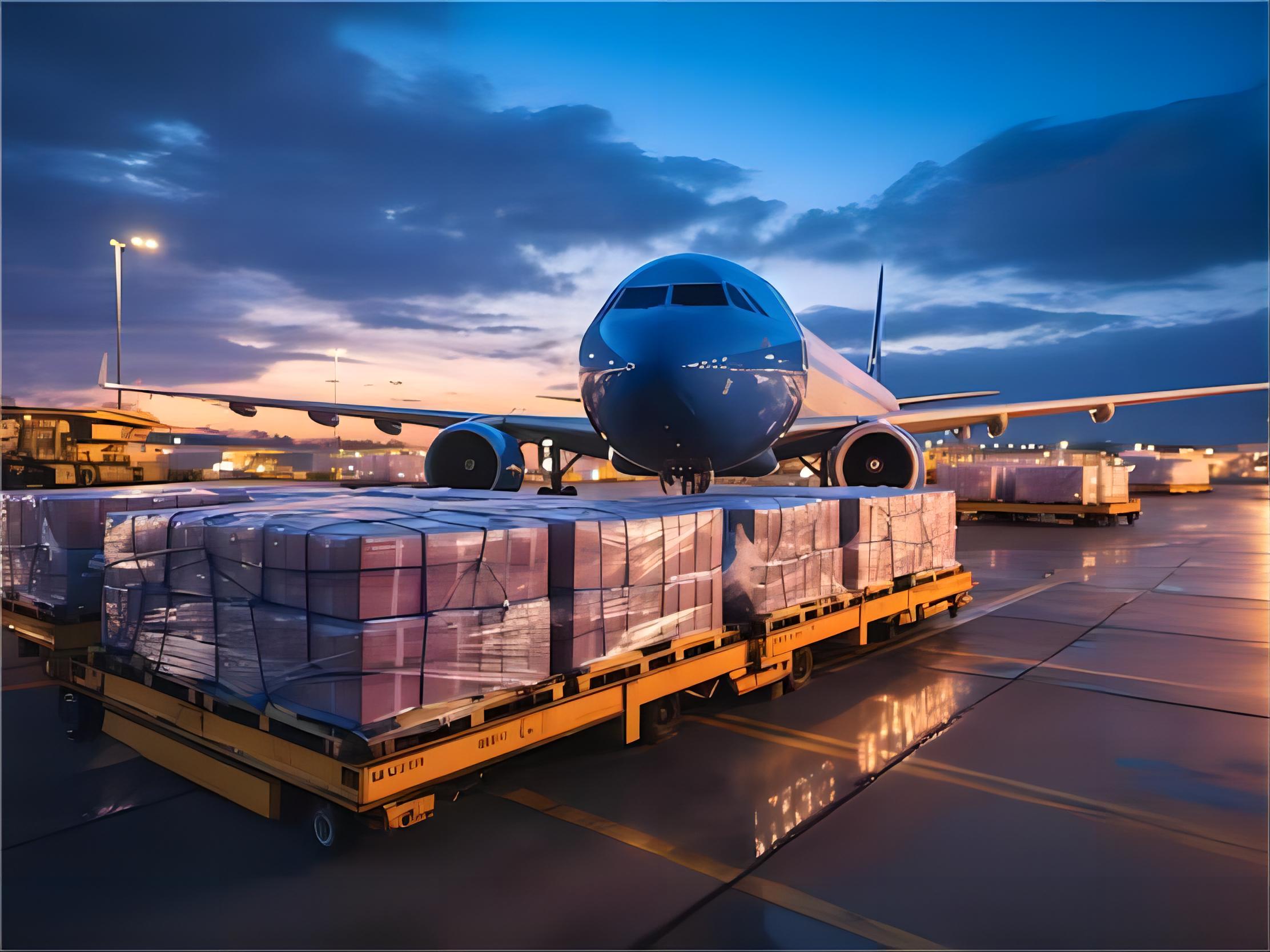
Indeed, air cargo from China to Europe provides unparalleled speed for urgent shipments. This method is crucial when dealing with time-sensitive products or tight delivery schedules. Consequently, many businesses prioritize air freight for its rapid transit capabilities.
Furthermore, air freight offers enhanced security and reliability compared to other modes of transport. Reduced handling minimizes the risk of damage or theft. Therefore, it is an excellent choice for high-value or delicate goods requiring careful handling and prompt delivery.
Moreover, air cargo streamlines inventory management by allowing for just-in-time delivery. This approach helps reduce warehousing costs and capital tied up in stock. Ultimately, it supports a more agile and responsive supply chain management strategy.
Key Factors Influencing Air Cargo China to Europe Costs
Several factors determine the cost of air cargo from China to Europe. Primarily, these include the weight and volume of your shipment. Generally, freight rates are calculated based on either the gross weight or the volumetric weight, whichever is greater.
Additionally, fuel surcharges, security fees, and terminal handling charges significantly impact the overall shipping costs. These surcharges fluctuate with global oil prices and airline policies. Therefore, understanding these components is vital for accurate budgeting.
Furthermore, the choice of airline, the specific route, and the urgency of delivery also play a role. Direct flights are often more expensive but offer faster transit times. Conversely, indirect routes might be cheaper but involve longer delivery schedules, impacting your overall logistics trends.
Understanding Air Freight Transit Times from China to Europe
Typically, air freight transit time from China to Europe ranges from 3 to 7 days. This timeframe covers airport-to-airport movement. However, the total door-to-door delivery schedule can extend to 7-10 days, depending on customs clearance and final delivery logistics.
In addition, direct flights to major European hubs like Frankfurt, Amsterdam, or London offer the fastest routes. Consequently, these routes usually have shorter transit times. Meanwhile, shipments to less central locations may require additional domestic transport.
Moreover, customs clearance procedures at both origin and destination can affect the overall timeline. Efficient customs brokerage is essential to avoid delays. Therefore, proper documentation and compliance are paramount for smooth import/export operations.
The Air Cargo Shipping Process: Step-by-Step
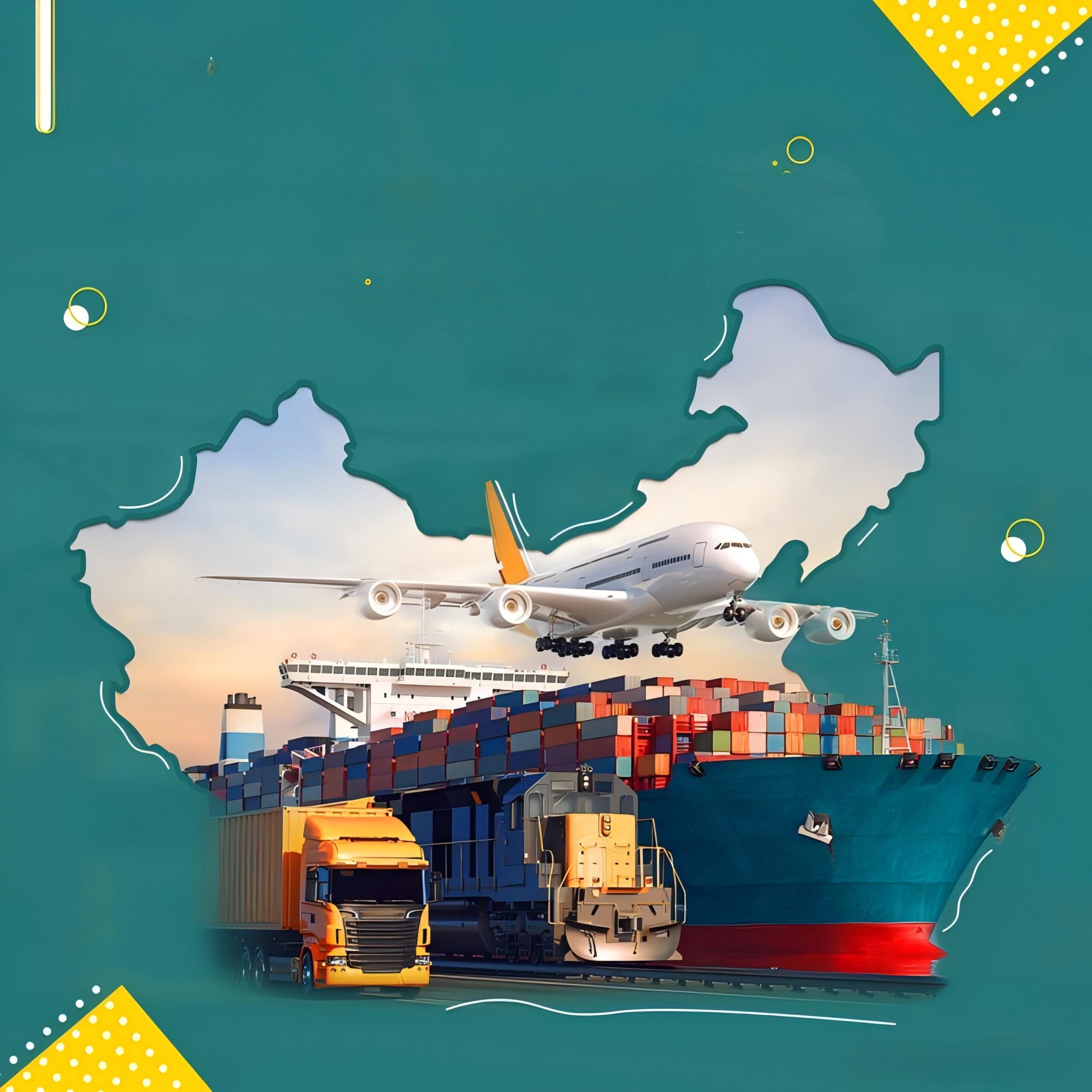
Without a doubt, initiating air cargo from China to Europe involves several critical steps. Firstly, you need to obtain a detailed quote based on your cargo’s dimensions and desired transit time. This quotation will outline all associated freight rates and fees.
Secondly, preparing your documentation accurately is crucial. This includes commercial invoices, packing lists, and any necessary permits or licenses. Consequently, errors in paperwork can lead to significant customs delays.
Subsequently, your goods are picked up and transported to the origin airport for cargo handling. They undergo security checks and consolidation if part of a larger shipment. Finally, after flight departure and arrival, customs clearance and last-mile delivery complete the process. Many businesses opt for door to door services for seamless execution.
How Does Air Cargo Compare to Other Shipping Options?
Indeed, selecting the optimal shipping method for your goods from China to Europe is a critical business decision. Factors such as cost, speed, cargo type, and volume thresholds all play significant roles. Air cargo excels in speed but comes at a higher price point.
On the other hand, sea freight offers the most economical solution for large volumes and non-urgent shipments. Rail freight presents a balanced option, faster than sea but slower than air, often at a moderate cost. Finally, express service provides ultra-fast delivery for small, critical packages.
Therefore, understanding the trade-offs between these modes is essential for effective supply chain management. Each method serves a specific purpose in the import/export landscape. Furthermore, hybrid solutions can sometimes offer the best of both worlds.
| Shipping Method | Cost Range (Approx.) | Transit Time | Best For | Limitations |
|---|---|---|---|---|
| Air Freight | High ($5-10/kg) | 3-7 days | Urgent, high-value, perishable goods, electronics shipping from China to Europe | High cost, weight/volume restrictions |
| Sea Freight (FCL/LCL) | Low ($0.5-2/kg) | 28-45 days | Bulky, heavy, non-urgent goods, large volume shipments | Slow, potential for port congestion |
| Rail Freight | Medium ($2-4/kg) | 15-25 days | Mid-range urgency, heavier cargo than air, e-commerce logistics China Europe | Limited routes, capacity constraints |
| Express Service | Very High ($10-20+/kg) | 1-3 days | Documents, samples, small urgent packages, e-commerce direct delivery | Very high cost, strict weight/size limits |
Which Option Should You Choose?
Ultimately, your choice depends on your specific business needs. If budget is your priority, especially for high volume, sea freight is typically recommended. This method offers the lowest per-unit cost.
Conversely, if speed is paramount, particularly for urgent shipments or high-value goods, then air cargo is the clear winner. For example, shipping electronics from China to Europe often benefits from air freight’s speed and security. Moreover, for small, time-critical parcels, an express service offers unparalleled swiftness.
Furthermore, for cargo types that are not extremely urgent but still require reasonable transit times, rail freight offers a viable middle ground. Consider volume thresholds as well; LCL (Less than Container Load) sea freight is economical for smaller sea shipments, while air freight is more cost-effective for smaller, lighter packages than a full air cargo container. Hybrid solutions, like sea-air combinations, can also reduce costs while improving speed over pure sea routes.
Optimizing Your Air Cargo Shipments to Europe
To maximize efficiency and minimize the cost of air cargo from China to Europe, several strategies can be employed. Firstly, consider cargo consolidation for smaller shipments. This combines multiple consignments into one larger shipment, potentially reducing per-unit costs.
Secondly, proper packaging and labeling are critical for safe transit and efficient cargo handling. Robust packaging protects your goods, while accurate labeling prevents misdirection. Consequently, this attention to detail can prevent costly delays and damages.
Furthermore, carefully selecting Incoterms (International Commercial Terms) defines responsibilities and costs between buyer and seller. Choosing the right Incoterm, such as FOB or EXW, can significantly impact your total shipping costs and control. Therefore, expert advice on Incoterms is invaluable.
Case Studies: Real-World Air Cargo Solutions
These examples illustrate the practical application of air cargo solutions for diverse business needs. Each scenario highlights how strategic choices in air cargo from China to Europe can lead to successful outcomes, managing both cost and transit time effectively.
Note: Freight rates are subject to change based on fuel costs, carrier capacity, and seasonal demand. Contact us for a current quote tailored to your specific shipment. Typical rates as of early 2025.
Case Study 1: Urgent Electronics Delivery
| Detail | Description |
|---|---|
| Route | Shenzhen, China Frankfurt, Germany |
| Cargo | High-value consumer electronics, 3.5 CBM, 450 kg |
| Container | LCL 3.5 CBM (air freight) |
| Shipping Details | |
| – Carrier/Service | Major airline (e.g., Lufthansa Cargo) |
| – Port of Loading | Shenzhen Bao’an International Airport (SZX) |
| – Port of Discharge | Frankfurt Airport (FRA) |
| – Route Type | Direct |
| Cost Breakdown (Estimated) | |
| – Air Freight | $2,700 (approx. $6/kg) |
| – Origin Charges | $250 |
| – Destination Charges | $300 |
| – Customs & Duties (estimated) | $500 |
| – Total Landed Cost | $3,750 |
| Timeline | |
| – Booking to Loading | 2 days |
| – Air Transit | 1 day |
| – Customs Clearance | 1 day |
| – Total Door-to-Door | 5 days |
| Key Insight | Speed was critical for a product launch. Air cargo facilitated rapid market entry, even with higher shipping costs. |
Case Study 2: Medical Supplies for European Distributor
| Detail | Description |
|---|---|
| Route | Shanghai, China Amsterdam, Netherlands |
| Cargo | Specialized medical equipment, 8 CBM, 1200 kg |
| Container | LCL 8 CBM (air freight) |
| Shipping Details | |
| – Carrier/Service | Major airline (e.g., KLM Cargo) |
| – Port of Loading | Shanghai Pudong International Airport (PVG) |
| – Port of Discharge | Amsterdam Airport Schiphol (AMS) |
| – Route Type | Direct |
| Cost Breakdown (Estimated) | |
| – Air Freight | $6,600 (approx. $5.5/kg) |
| – Origin Charges | $400 |
| – Destination Charges | $500 |
| – Customs & Duties (estimated) | $1,000 |
| – Total Landed Cost | $8,500 |
| Timeline | |
| – Booking to Loading | 3 days |
| – Air Transit | 2 days |
| – Customs Clearance | 2 days |
| – Total Door-to-Door | 8 days |
| Key Insight | Reliability and temperature control were crucial. Air freight ensured safe and timely delivery of sensitive goods, supporting critical healthcare supply chains. |
Case Study 3: Fashion Apparel for Seasonal Sales
| Detail | Description |
|---|---|
| Route | Guangzhou, China Paris, France |
| Cargo | Seasonal fashion apparel, 5 CBM, 600 kg |
| Container | LCL 5 CBM (air freight) |
| Shipping Details | |
| – Carrier/Service | Major airline (e.g., Air France Cargo) |
| – Port of Loading | Guangzhou Baiyun International Airport (CAN) |
| – Port of Discharge | Paris Charles de Gaulle Airport (CDG) |
| – Route Type | Direct |
| Cost Breakdown (Estimated) | |
| – Air Freight | $3,300 (approx. $5.5/kg) |
| – Origin Charges | $300 |
| – Destination Charges | $400 |
| – Customs & Duties (estimated) | $600 |
| – Total Landed Cost | $4,600 |
| Timeline | |
| – Booking to Loading | 2 days |
| – Air Transit | 1 day |
| – Customs Clearance | 1 day |
| – Total Door-to-Door | 6 days |
| Key Insight | Timeliness for seasonal inventory was paramount. Air cargo allowed the client to meet peak sales periods, maximizing revenue despite higher shipping costs. Based on Q3 2024 market rates. |
Choosing the Right Air Cargo Service Provider
Selecting a reputable freight forwarder is paramount for successful air cargo from China to Europe. Look for providers with extensive experience in international logistics. Their expertise ensures smooth operations and compliance with complex regulations.
A strong global network and established relationships with major airlines are also crucial. This ensures access to competitive freight rates and reliable capacity. Moreover, a good forwarder will offer comprehensive services, including warehousing and Amazon FBA logistics if needed.
Furthermore, transparent communication and proactive problem-solving are hallmarks of a professional service. They should provide real-time tracking and updates on your shipment’s progress. Ultimately, choosing the right partner simplifies your import/export process significantly.
Market Context and Future Trends for Air Cargo China to Europe
As of Q1 2025, air freight rates from China to Europe have largely stabilized after the Red Sea disruptions of 2024, although some volatility remains. Industry benchmarks suggest a return to more predictable pricing, albeit still higher than pre-pandemic levels. This reflects ongoing adjustments in global supply chains.
Seasonal patterns consistently influence air cargo pricing. Rates typically increase 15-25% during August-October peak season, driven by holiday demand and new product launches. Therefore, planning shipments outside these windows can offer cost savings. Market data suggests proactive booking is key.
Indeed, future trends indicate a growing emphasis on sustainability and digitalization within air cargo. Airlines are investing in more fuel-efficient aircraft, and digital platforms are enhancing transparency and efficiency in booking and tracking. These innovations will further shape the landscape of air cargo from China to Europe.
Navigating Air Cargo from China to Europe with Confidence
In conclusion, air cargo from China to Europe remains the fastest and most reliable option for time-sensitive and high-value goods. Understanding the cost factors, transit times, and the shipping process empowers businesses to make informed decisions. Furthermore, leveraging expert freight forwarding services ensures a seamless experience.
By carefully considering your priorities—whether it is speed, cost, or cargo type—you can optimize your supply chain effectively. Ultimately, a well-executed air cargo strategy is crucial for maintaining competitive advantage and meeting customer demands in the European market. Partner with experienced professionals to ensure your air cargo China to Europe shipments arrive on time and within budget.
Get Your Shipping Quote Today
Ready to streamline your urgent shipments from China to Europe? Contact our experts today for a personalized air cargo solution. We provide competitive freight rates and reliable service tailored to your business needs.
Request Quote