
Air Cargo China to Singapore: Your Ultimate Shipping Guide
Navigating international logistics can be complex, especially when seeking rapid and reliable transportation for your goods. Consequently, understanding the intricacies of air cargo China to Singapore is crucial for businesses aiming for speed and efficiency in their supply chain. This comprehensive guide will therefore equip you with the knowledge needed to streamline your import/export operations and ensure your shipments arrive on time.
Understanding Air Cargo China to Singapore
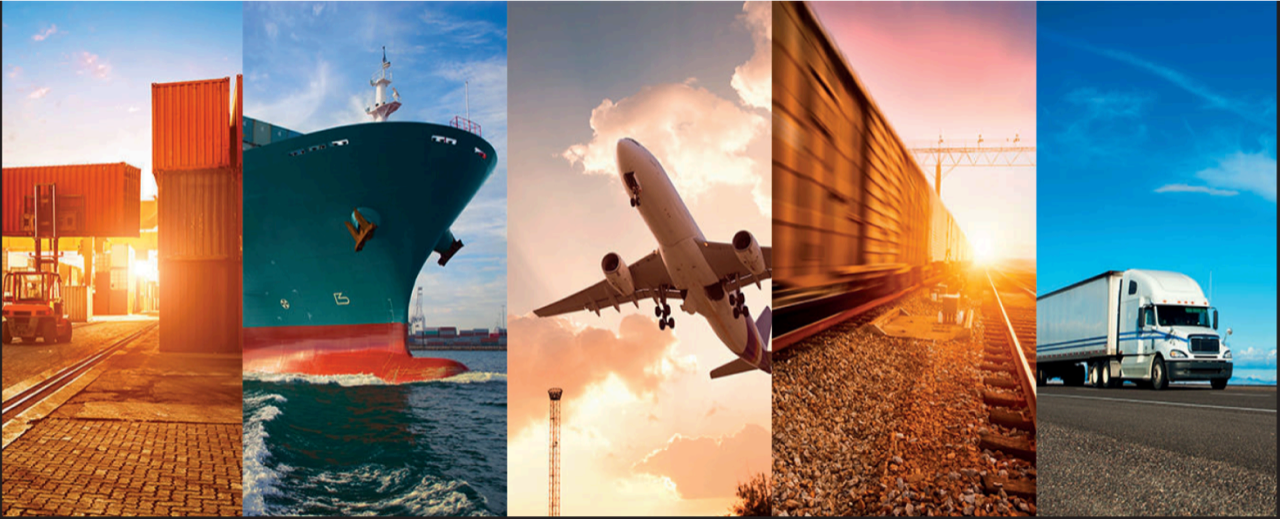
Presently, the trade route between China and Singapore is bustling, driven by diverse industries ranging from electronics to fashion. Therefore, many businesses prioritize speed over cost, making air freight services an indispensable component of their logistics strategy. This method ensures that time-sensitive or high-value products reach their destination swiftly, minimizing potential delays and maintaining market competitiveness.
Indeed, air cargo offers unparalleled speed compared to other shipping methods. For instance, goods can travel from major Chinese manufacturing hubs to Singapore in a matter of days, which is vital for perishable goods, urgent components, or rapidly evolving product lines. Furthermore, the robust security measures at airports significantly reduce the risk of theft or damage, providing peace of mind for valuable shipments.
Why Choose Air Freight?
Primarily, the decision to opt for air freight hinges on several critical factors. Firstly, speed is the most apparent advantage, allowing for just-in-time inventory management and quick market entry. Secondly, air cargo boasts a high level of reliability and predictability, with scheduled flights and fewer unforeseen delays compared to other modes.
Moreover, air freight often provides enhanced security for sensitive or high-value items due to strict airport protocols and reduced handling points. Additionally, it offers greater flexibility for urgent shipments, enabling last-minute changes or expedited services. Consequently, for businesses where time is of the essence, air cargo remains the preferred choice for shipping goods from China to Singapore.
Key Considerations for Importers
Before committing to air cargo, importers must consider several practical aspects. For instance, the volumetric weight of your shipment can significantly impact costs, as airlines charge based on either actual weight or volumetric weight, whichever is greater. Therefore, understanding packaging dimensions is crucial for accurate cost estimation.
Furthermore, proper documentation is paramount to avoid customs delays, including commercial invoices, packing lists, and certificates of origin. Additionally, choosing a reputable freight forwarder with extensive experience on the China-Singapore route is essential for navigating complex logistics seamlessly. These considerations collectively ensure a smooth and efficient shipping process.
How Does Air Cargo China to Singapore Work?
Generally, the process of shipping air cargo from China to Singapore involves a series of coordinated steps, each critical for successful delivery. Understanding this workflow helps businesses anticipate requirements and manage expectations effectively. Consequently, working with an experienced freight forwarder can significantly simplify these procedures.
Ultimately, the journey begins with careful planning and preparation, extending through to final delivery. This end-to-end process ensures that goods are handled efficiently and comply with all international shipping regulations. Therefore, a clear grasp of each stage is indispensable for any importer.
The Air Freight Process Step-by-Step
Initially, the process begins with booking your shipment with a freight forwarder, providing details such as cargo type, weight, dimensions, and desired transit time. Subsequently, your goods are picked up from the supplier’s location in China and transported to the origin airport, often consolidated with other shipments.
Upon arrival at the airport, cargo undergoes security checks and documentation verification before being loaded onto an aircraft. After a short flight, the shipment arrives at Singapore Changi Airport (SIN), where it proceeds through customs clearance. Finally, once cleared, the cargo is either collected by the consignee or delivered directly to their doorstep by the freight forwarder, completing the door-to-door service.
Essential Documentation
Crucially, accurate and complete documentation is the backbone of any international air cargo shipment. Without proper paperwork, your goods risk significant delays at customs, incurring additional storage and handling fees. Therefore, meticulous preparation of these documents is non-negotiable.
Moreover, different types of cargo may require specific permits or licenses, further emphasizing the need for thorough checking. Working closely with your freight forwarder or a customs brokerage service can help ensure all necessary documents are in order before shipment.
| Document Type | Purpose | Key Information |
|---|---|---|
| Commercial Invoice | Proof of sale, customs valuation | Shipper/Consignee details, item description, value, Incoterms |
| Packing List | Details content of each package | Dimensions, weight, quantity per package, marks & numbers |
| Air Waybill (AWB) | Contract of carriage | Flight details, origin/destination, cargo description, charges |
| Certificate of Origin | Confirms country of manufacture | Country of origin, often required for duties/tariffs |
Air Freight Costs from China to Singapore
Determining the exact cost for air cargo from China to Singapore involves evaluating a range of variables. Consequently, freight rates are dynamic, influenced by market conditions, fuel prices, and carrier capacity. Therefore, understanding these contributing factors is key to budgeting effectively for your shipments.
Moreover, beyond the base freight rate, several surcharges and fees typically apply. These can accumulate, significantly impacting the total landed cost of your goods. Hence, requesting a detailed quote that itemizes all potential charges is always advisable.
Factors Influencing Air Freight Rates
Specifically, air freight rates are primarily dictated by the weight and volume of the cargo, with charges often based on the higher of the two (volumetric vs. actual weight). Additionally, the specific origin and destination airports, along with the urgency of the shipment, play a significant role. For example, express services naturally incur higher costs.
Furthermore, fuel surcharges, security fees, and handling charges at both ends contribute to the overall freight costs. Seasonal demand, particularly during peak periods like Chinese New Year or holiday seasons, can also lead to increased pricing. Ultimately, the type of goods, including any special handling requirements for hazardous materials, also influences the final rate.
Typical Cost Breakdown
A standard air freight quote usually comprises several components. Firstly, the air freight charge itself covers the transportation from airport to airport. Subsequently, fuel surcharges and security surcharges are added, reflecting operational costs and security measures. Moreover, terminal handling charges (THC) at both the origin and destination airports account for the loading and unloading of cargo.
Additionally, customs clearance fees, insurance premiums, and local delivery charges to the final destination in Singapore are included. For example, a shipment of 100 kg might cost anywhere from $400 to $800, depending on the service level and current market conditions. Notably, these are estimates, and actual freight rates are subject to change based on fuel costs, carrier capacity, and seasonal demand. Contact us for a current quote tailored to your specific shipment.
Transit Times for Air Cargo China to Singapore
One of the primary reasons businesses choose air cargo is the rapid transit time it offers. Consequently, goods can typically move from China to Singapore within a few days, providing a significant advantage for time-sensitive supply chains. However, the exact duration can vary based on several operational factors.
Moreover, understanding the nuances of transit times, including potential delays and service options, helps in planning inventory and delivery schedules. Therefore, realistic expectations regarding delivery windows are crucial for effective logistics management.
Standard vs. Express Services
Generally, air freight services come in different tiers, primarily distinguished by their speed and cost. Standard air cargo service, often consolidated, might take 3-7 business days for delivery from China to Singapore. This option balances cost-effectiveness with reasonable speed, suitable for many routine shipments.
Conversely, express service offers the fastest transit times, typically 1-3 business days. This premium option is ideal for highly urgent or critical shipments where every hour counts. While significantly faster, express services come with a higher price tag, reflecting the expedited handling and dedicated capacity.
Impact of Peak Seasons and Delays
Indeed, transit times are not always constant; they can be affected by various external factors. For example, peak shipping seasons, such as before major holidays like Chinese New Year or during the year-end shopping rush (Q4), often lead to increased demand and potential delays. During these periods, capacity becomes tighter, and transit times might extend by a day or two.
Furthermore, unforeseen circumstances like severe weather conditions, airline operational issues, or port congestion can also cause disruptions. Therefore, building a buffer into your delivery schedule is a prudent strategy, especially for critical shipments. Staying informed about current market conditions helps mitigate these risks.
How Does Air Cargo Compare to Other Shipping Options?
When planning international shipments from China to Singapore, businesses must carefully weigh the advantages and disadvantages of different transportation methods. Consequently, while air cargo offers speed, other options like sea freight provide different benefits, primarily cost savings for larger volumes. Therefore, a comprehensive comparison is essential for making informed decisions.
Ultimately, the best shipping method depends on your specific cargo, budget constraints, and urgency requirements. Understanding the trade-offs between speed, cost, and capacity will guide you toward the most suitable logistics solution for your supply chain needs.
| Shipping Method | Cost Range (per kg/CBM) | Transit Time (China to Singapore) | Best For | Limitations |
|---|---|---|---|---|
| Air Freight (Standard) | $4 – $8/kg | 3 – 7 days | Time-sensitive, high-value, small/medium size | Higher cost, weight/volume restrictions |
| Air Freight (Express) | $8 – $15+/kg | 1 – 3 days | Urgent, critical, very high-value shipments | Premium cost, strict weight/volume limits |
| Sea Freight (LCL) | $50 – $100/CBM | 7 – 14 days | Cost-effective for smaller, non-urgent goods | Slower, more handling, potential delays |
| Sea Freight (FCL) | $300 – $600/20GP (port-to-port) | 7 – 14 days | Large volumes, heavy, bulk goods | Slower, fixed capacity, demurrage/detention fees |
Air Freight vs. Sea Freight
Primarily, the choice between air freight and sea freight is a classic logistics dilemma, each offering distinct advantages. Air freight excels in speed, delivering goods from China to Singapore in 1-7 days, making it ideal for time-critical, high-value, or perishable items. However, this speed comes at a significantly higher cost, often priced per kilogram.
Conversely, sea freight is far more economical for large, heavy, or bulky shipments, with transit times typically ranging from 7-14 days for direct routes from major Chinese ports to Singapore. While slower, it offers substantially lower shipping costs and greater capacity, suitable for non-urgent goods or those with longer lead times. For instance, a 1CBM shipment via air might cost $400-$800, while via sea (LCL) it could be $100-$200, excluding local charges.
Which Option Should You Choose?
Deciding on the optimal shipping method involves a strategic evaluation of several key factors. If speed is your absolute top priority and your goods are high-value or time-sensitive, air cargo is undoubtedly the superior choice. This is particularly true for electronics, pharmaceuticals, or fashion items with short product lifecycles.
However, if your budget is the primary concern and transit time is less critical, sea freight offers a more cost-effective solution, especially for bulk commodities, raw materials, or durable consumer goods. For cargo volumes exceeding 2 CBM or 200 kg, sea freight often becomes significantly more economical. For instance, a 5 CBM shipment would be prohibitively expensive by air but manageable by sea.
Navigating Customs and Regulations
Successfully clearing customs is a critical hurdle for any international shipment, and air cargo from China to Singapore is no exception. Consequently, Singapore has strict import regulations, and adherence to these rules is paramount to avoid penalties and delays. Therefore, proper preparation and understanding of local requirements are essential.
Moreover, engaging with a knowledgeable freight forwarder or customs broker can significantly simplify this complex process. They possess the expertise to ensure all declarations are accurate and all duties and taxes are correctly calculated and paid, facilitating a smooth entry for your goods.
Import Duties and Taxes in Singapore
Generally, most goods imported into Singapore are subject to a Goods and Services Tax (GST) of 9% (as of 2024), levied on the CIF (Cost, Insurance, Freight) value plus any duties. However, Singapore maintains a largely duty-free import regime for most products, which simplifies the process for many categories of goods. Nevertheless, certain items, such as alcohol, tobacco, motor vehicles, and petroleum products, are subject to specific customs duties.
Furthermore, it is crucial for importers to classify their goods correctly using the Harmonized System (HS) codes. Incorrect classification can lead to incorrect duty assessments or even fines. Therefore, consulting the Singapore Customs website or a professional customs broker is highly recommended to ensure compliance and accurate cost estimation for your air cargo China to Singapore.
Prohibited and Restricted Goods
Singapore has a stringent list of prohibited and restricted items to protect public safety, health, and national security. For instance, prohibited goods, such as chewing gum (except for medical purposes), controlled drugs, and certain endangered wildlife products, cannot be imported under any circumstances. Attempting to import these can result in severe penalties.
Conversely, restricted goods can be imported only with specific permits or licenses from relevant authorities. Examples include certain medicines, firearms, and telecommunication equipment. Thus, it is vital to check the Singapore Customs website thoroughly for the latest list of prohibited and restricted items before planning your air cargo shipment from China to Singapore to avoid any costly mistakes.
Optimizing Your Air Cargo Shipments
Maximizing efficiency and cost-effectiveness for your air cargo from China to Singapore requires strategic planning and smart execution. Consequently, understanding various optimization techniques can lead to significant savings in both time and money. Therefore, implementing these strategies is crucial for a streamlined supply chain.
Moreover, the right approach can transform potential logistical challenges into competitive advantages. By focusing on smart consolidation and expert freight forwarding, businesses can achieve superior performance in their international shipping endeavors.
Consolidation Strategies
For smaller shipments that don’t fill an entire aircraft pallet, cargo consolidation is an excellent cost-saving strategy. Instead of shipping individually, multiple smaller shipments from different senders are combined into one larger consignment. This allows businesses to share the cost of the air freight, significantly reducing per-unit expenses.
Furthermore, if you have multiple suppliers in different parts of China, a freight forwarder can collect goods from various locations, consolidate them at a central warehouse, and then ship them as a single air cargo unit to Singapore. This not only saves on freight costs but also simplifies customs clearance and reduces administrative burdens. However, it requires careful coordination and slightly longer lead times at the origin.
Choosing the Right Freight Forwarder
Selecting a reliable and experienced freight forwarder is arguably the most critical decision for successful air cargo operations. A good forwarder acts as your logistics partner, handling everything from pickup and documentation to customs clearance and final delivery. They possess the expertise to navigate complex international regulations and optimize routes.
Indeed, look for a forwarder with a proven track record on the China-Singapore route, strong relationships with airlines, and transparent pricing. At Top China Freight, we pride ourselves on delivering seamless, efficient, and cost-effective air cargo solutions, ensuring your goods reach Singapore safely and on schedule. Our dedicated team provides personalized service, managing every detail of your shipment with precision.
Real-World Air Cargo China to Singapore Case Studies
Understanding the practical application of air cargo services through real-world examples provides valuable insights for businesses. Consequently, these case studies highlight common scenarios, costs, and timelines, illustrating the benefits and challenges of shipping from China to Singapore. Therefore, analyzing these examples can help inform your own logistics decisions.
Ultimately, each scenario underscores the importance of choosing the right shipping method and a competent freight forwarder. These examples showcase how different cargo types and urgency levels necessitate tailored logistics approaches for optimal outcomes.
Case Study 1: High-Value Electronics
| Detail | Description |
|---|---|
| Route | Shenzhen, China -> Singapore |
| Cargo | 500 units of smartwatches, 0.8 CBM, 120 kg |
| Shipping Method | Air Freight (Standard) |
| Carrier/Service | Major airline cargo service |
| Port of Loading | Shenzhen Bao’an International Airport (SZX) |
| Port of Discharge | Singapore Changi Airport (SIN) |
| Route Type | Direct |
| Air Freight Cost | $540 (approx. $4.5/kg) |
| Origin Charges | $80 (THC, documentation) |
| Destination Charges | $100 (THC, customs clearance) |
| Customs & Duties (est.) | $65 (9% GST on CIF value) |
| Total Landed Cost | $785 |
| Booking to Loading | 2 days |
| Air Transit | 2 days |
| Customs Clearance | 1 day |
| Total Door-to-Door | 5 days |
| Key Insight | Based on Q3 2024 market rates, air freight was chosen for speed to meet a product launch deadline, justifying the higher cost for rapid market entry. |
Case Study 2: Urgent Fashion Apparel
| Detail | Description |
|---|---|
| Route | Guangzhou, China -> Singapore |
| Cargo | 200 kg of seasonal clothing samples, 1.5 CBM |
| Shipping Method | Air Freight (Express) |
| Carrier/Service | Express courier cargo |
| Port of Loading | Guangzhou Baiyun International Airport (CAN) |
| Port of Discharge | Singapore Changi Airport (SIN) |
| Route Type | Direct |
| Air Freight Cost | $1800 (approx. $9/kg) |
| Origin Charges | $100 (pickup, documentation) |
| Destination Charges | $150 (delivery, customs processing) |
| Customs & Duties (est.) | $180 (9% GST) |
| Total Landed Cost | $2230 |
| Booking to Loading | 1 day |
| Air Transit | 1 day |
| Customs Clearance | 0.5 day (pre-clearance) |
| Total Door-to-Door | 2.5 days |
| Key Insight | Typical rates as of early 2025 show express service ensures samples arrive quickly for upcoming fashion shows, despite the premium cost. Pre-clearance minimized customs delays. |
Case Study 3: Specialized Industrial Components
| Detail | Description |
|---|---|
| Route | Shanghai, China -> Singapore |
| Cargo | 10 sensitive machine parts, 0.5 CBM, 80 kg |
| Shipping Method | Air Freight (Consolidated) |
| Carrier/Service | Consolidated cargo service |
| Port of Loading | Shanghai Pudong International Airport (PVG) |
| Port of Discharge | Singapore Changi Airport (SIN) |
| Route Type | Direct |
| Air Freight Cost | $360 (approx. $4.5/kg) |
| Origin Charges | $70 (consolidation, documentation) |
| Destination Charges | $90 (deconsolidation, customs handling) |
| Customs & Duties (est.) | $45 (9% GST) |
| Total Landed Cost | $565 |
| Booking to Loading | 3 days |
| Air Transit | 3 days |
| Customs Clearance | 1 day |
| Total Door-to-Door | 7 days |
| Key Insight | Market data suggests consolidated air freight was chosen for cost-efficiency for non-critical but moderately time-sensitive parts. The longer lead time for consolidation was acceptable. |
Market Trends and Future Outlook
The air cargo market between China and Singapore is constantly evolving, shaped by global economic shifts, technological advancements, and geopolitical factors. Consequently, staying informed about these trends is vital for businesses to adapt their logistics strategies effectively. Therefore, understanding the market dynamics can lead to more resilient supply chains.
Moreover, future developments in logistics technology and infrastructure promise further enhancements in speed, efficiency, and transparency. These advancements will undoubtedly redefine how goods are transported, offering new opportunities for optimization.
Current Freight Market Conditions
As of early 2025, freight rates from China to Singapore have largely stabilized after periods of volatility experienced in previous years. However, certain factors, such as fluctuating fuel prices and occasional capacity adjustments by airlines, still influence rates. Industry benchmarks indicate a steady demand for air cargo, particularly for high-tech and e-commerce goods.
Furthermore, seasonal peaks, such as the lead-up to major festivals and year-end sales, continue to put pressure on capacity and rates. Businesses should anticipate potential rate increases of 10-20% during these busy periods. Accordingly, booking in advance or exploring flexible shipping options can help mitigate these effects.

Technological Advancements in Logistics
Innovations in logistics technology are rapidly transforming the air cargo industry. For example, the adoption of AI and machine learning for predictive analytics helps optimize routes, forecast demand, and manage inventory more efficiently. Similarly, blockchain technology is enhancing transparency and security in documentation and tracking processes.
Additionally, advancements in cargo handling automation and drone technology for last-mile delivery are on the horizon, promising even faster and more precise delivery schedules. These developments contribute to a more robust and responsive supply chain, ultimately benefiting businesses relying on air cargo China to Singapore for their operations.
Conclusion: Mastering Air Cargo China to Singapore
In conclusion, successfully managing air cargo from China to Singapore requires a thorough understanding of costs, transit times, documentation, and market dynamics. By carefully evaluating your specific needs and leveraging the expertise of a reliable freight forwarder, you can ensure your goods are delivered efficiently and securely. This strategic approach ultimately contributes to a resilient and competitive supply chain.
Furthermore, continuous monitoring of market trends and embracing technological advancements will keep your logistics operations optimized. Whether prioritizing speed or balancing cost, making informed decisions is key to mastering the complexities of international air freight.
Start Your Shipment
Ready to streamline your air cargo China to Singapore shipments? Contact us today for a personalized quote and expert guidance. Our team is committed to providing efficient, reliable, and cost-effective logistics solutions tailored to your unique business needs.
Request Quote