
Air Freight China to Netherlands: Your Ultimate Shipping Guide
Are you looking to efficiently transport goods from China to the Netherlands? Understanding the nuances of air freight China to Netherlands is crucial for businesses aiming for speed and reliability. This guide will provide essential insights into optimizing your supply chain and ensuring timely deliveries. We will explore costs, transit times, and critical considerations for seamless international shipping.

Why Choose Air Freight from China to the Netherlands?
Choosing air freight for your shipments from China to the Netherlands offers significant advantages, particularly concerning speed and reliability. This method is ideal for time-sensitive goods, high-value items, or products with a short shelf life. Furthermore, it often provides enhanced security and reduced handling, minimizing the risk of damage.
However, air freight typically comes with a higher price tag compared to sea freight. Therefore, businesses must carefully weigh the urgency of their shipment against the associated costs. Understanding these trade-offs is key to making informed logistics decisions for your supply chain.
Many companies prioritize air cargo to meet tight deadlines or respond quickly to market demands. Consequently, it plays a vital role in modern global trade, especially for industries like e-commerce, pharmaceuticals, and high-tech manufacturing. Ultimately, the decision depends on specific business needs and product characteristics.
Understanding Air Freight Costs and Factors
Air freight costs from China to the Netherlands depend on several critical factors. These include the cargo’s weight and volume, the specific origin and destination airports, and the urgency of the shipment. Fuel surcharges, security fees, and customs duties also significantly influence the final price.
Furthermore, current market conditions, carrier capacity, and seasonal demand can cause substantial fluctuations in freight rates. For instance, peak seasons like the run-up to holidays often see increased prices. Therefore, it is advisable to obtain a detailed quote that accounts for all these variables.
Additional charges might include terminal handling fees, warehousing, and insurance. Consequently, a comprehensive understanding of the cost breakdown is essential for budgeting and avoiding unexpected expenses. Customs brokerage services can also impact overall costs.
Key Cost Components
Several components contribute to the total air freight cost. The air cargo rate is usually calculated based on chargeable weight, which is the greater of the actual weight or volumetric weight. This ensures fair pricing for both heavy and bulky items.
Other charges encompass fuel surcharges (FSC), security surcharges (SSC), and air waybill fees. Moreover, destination handling charges (DHC) and customs clearance fees are applied upon arrival in the Netherlands. These fees vary by airport and service provider.
Additionally, optional services such as cargo insurance, special handling for hazardous materials, or temperature-controlled transport will add to the overall expense. Therefore, a clear quotation detailing each charge is invaluable for financial planning.
How Does Air Freight Compare to Other Shipping Options?
When shipping from China to the Netherlands, air freight is just one of several viable options. Each method offers distinct advantages and disadvantages regarding cost, transit time, and suitability for different cargo types. Consequently, choosing the right mode of transport requires careful consideration of your specific needs.
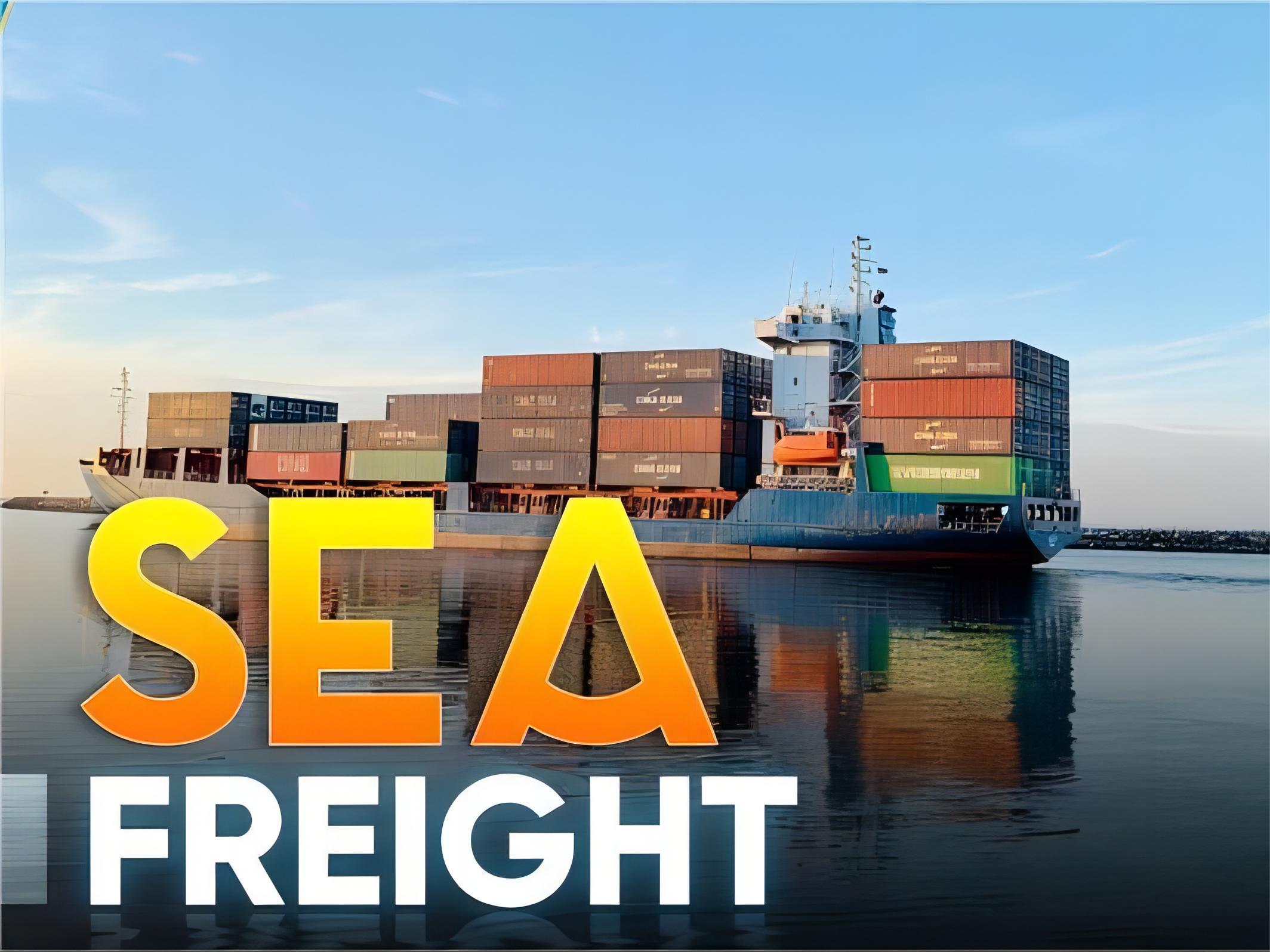
For instance, while air freight provides unmatched speed, sea freight is considerably more economical for larger volumes and less time-sensitive goods. On the other hand, express services offer even faster door-to-door delivery for smaller parcels. Understanding these differences is paramount.
This comparison helps businesses make strategic decisions that balance speed, cost, and capacity. Ultimately, the best choice depends on the nature of the goods, budget constraints, and delivery deadlines. We aim to provide a clear overview to assist your decision-making process.
| Shipping Method | Cost Range (Approx.) | Transit Time (Approx.) | Best For | Limitations |
|---|---|---|---|---|
| Air Freight | $4 – $8 per kg | 3-7 days | Time-sensitive, high-value, small to medium shipments | Higher cost, weight/volume restrictions |
| Sea Freight (FCL/LCL) | $0.5 – $2 per kg (LCL), $3,000 – $5,000 per 40HQ | 28-35 days | Large volumes, heavy, non-urgent goods | Slow transit, potential port congestion |
| Rail Freight | $2 – $4 per kg | 18-25 days | Mid-range urgency, heavier cargo than air, specific routes | Limited routes, less flexible than air/sea |
| Express Service | $8 – $15 per kg | 1-3 days | Small parcels, documents, urgent samples | Very high cost for larger items, strict weight limits |

Optimizing Transit Times and Delivery Schedules
Optimizing transit times for air freight from China to the Netherlands involves strategic planning and understanding logistics trends. Direct flights generally offer the fastest routes, minimizing layovers and potential delays. However, these might come at a premium price.
Moreover, choosing a reliable freight forwarder with established networks can significantly reduce unexpected holdups. They possess the expertise to navigate complex customs procedures and handle cargo efficiently. Consequently, this leads to smoother, faster deliveries.
Consider consolidating shipments if you have multiple smaller packages destined for the same region. This approach can optimize space and potentially reduce costs while maintaining reasonable transit times. Ultimately, proactive communication with your logistics partner is key to managing expectations and ensuring timely arrival.
Factors Affecting Transit Time
Several factors influence the total transit time for air cargo. These include the specific origin and destination airports, flight availability, and potential customs clearance delays. For example, major international hubs generally offer more frequent flights.
Weather conditions can also impact flight schedules, leading to unforeseen delays. Furthermore, the efficiency of ground handling at both departure and arrival airports plays a crucial role in overall speed. This includes cargo loading, unloading, and transfer processes.
Lastly, the completeness and accuracy of documentation are paramount. Any discrepancies can cause significant hold-ups during customs inspections. Therefore, ensuring all paperwork is in order before shipment is a critical step in streamlining the process.
Expedited vs. Standard Air Freight
Air freight typically offers two main service levels: expedited and standard. Expedited services prioritize your cargo, often utilizing direct flights and guaranteed space, resulting in the fastest possible delivery times. This option is ideal for extremely urgent shipments.
Standard air freight, conversely, offers a more economical solution with slightly longer transit times. It might involve more layovers or less immediate loading onto the next available flight. Nevertheless, it remains significantly faster than sea freight.
Choosing between these options depends entirely on your budget and the urgency of your goods. While expedited service minimizes transit risk, standard air freight provides a cost-effective balance of speed and price. Consult your forwarder for the best fit for your specific door-to-door needs.
Essential Documentation and Customs Clearance
Navigating customs clearance for air freight from China to the Netherlands requires meticulous attention to documentation. Accurate and complete paperwork is fundamental to avoid delays and penalties. Missing or incorrect documents can significantly prolong transit times.
The primary documents include the Commercial Invoice, Packing List, Air Waybill (AWB), and Certificate of Origin. Each document serves a specific purpose in verifying the shipment’s contents, value, and origin. Consequently, preparing these correctly is a top priority.
Furthermore, depending on the type of goods, additional permits or licenses might be required. For example, certain electronics, medical devices, or food products have specific import regulations in the Netherlands. Therefore, understanding these requirements upfront is crucial for smooth processing.
Key Documents Required
The Commercial Invoice details the transaction between the exporter and importer, including product descriptions, quantities, and values. The Packing List provides a detailed account of the contents within each package, aiding in inspection and inventory management.
The Air Waybill (AWB) acts as a contract between the shipper and the carrier, containing information about the goods, routing, and consignee. It also serves as a receipt for the goods. This document is non-negotiable, unlike a Bill of Lading for sea freight.
Additionally, a Certificate of Origin verifies where the goods were manufactured, which can be essential for determining applicable tariffs and trade agreements. Always ensure all details match across documents to prevent customs issues and expedite cargo handling.
Customs Duties and Taxes
Importers into the Netherlands (part of the EU) are subject to customs duties and Value Added Tax (VAT). These charges are calculated based on the Harmonized System (HS) code of the goods and their declared value. Understanding these obligations is vital for accurate landed cost calculations.
Duty rates vary widely by product category, while the standard VAT rate in the Netherlands is 21%. However, some goods may qualify for reduced rates or exemptions under specific trade agreements. Therefore, proper classification of your goods is essential.
Moreover, incorrect valuation or classification can lead to fines, delays, or even seizure of goods. Utilizing a professional customs broker can significantly streamline this process and ensure compliance with all Dutch and EU regulations. Learn more about customs brokerage here.
Case Studies: Air Freight Success Stories
Real-world examples demonstrate the effectiveness and efficiency of air freight from China to the Netherlands. These case studies highlight how businesses leverage air cargo for various needs, from urgent product launches to managing critical supply chain components. They illustrate practical applications of air freight solutions.
Each scenario presents unique challenges and specific requirements, showcasing the versatility of air transport. Consequently, understanding these examples can help you identify similar opportunities or anticipate potential issues in your own shipping endeavors. We aim to provide valuable insights into successful logistics management.
Case Study 1: Urgent Electronics Components
| Detail | Description |
|---|---|
| Route | Shenzhen, China Amsterdam (AMS), Netherlands |
| Cargo | High-value electronic components, 1.5 CBM, 250 kg |
| Shipping Method | Expedited Air Freight |
| Shipping Details | Carrier: Major airline, Port of Loading: Shenzhen Bao’an (SZX), Port of Discharge: Amsterdam Schiphol (AMS), Route Type: Direct |
| Cost Breakdown | Air Freight: $1,875 (7.5/kg), Origin Charges: $150, Destination Charges: $120, Customs & Duties (est): $300, Total Landed Cost: $2,445 |
| Timeline | Booking to Loading: 1 day, Air Transit: 2 days, Customs Clearance: 1 day, Total Door-to-Door: 4 days |
| Key Insight | Crucial for avoiding production line shutdown. Speed justified the higher cost. Based on Q1 2025 market rates. |
Case Study 2: Fashion Apparel for Seasonal Launch
| Detail | Description |
|---|---|
| Route | Shanghai, China Rotterdam (RTM), Netherlands |
| Cargo | Fashion apparel samples, 3 CBM, 400 kg |
| Shipping Method | Standard Air Freight |
| Shipping Details | Carrier: Major airline, Port of Loading: Shanghai Pudong (PVG), Port of Discharge: Amsterdam Schiphol (AMS), Route Type: Transshipment via Dubai |
| Cost Breakdown | Air Freight: $2,400 (6/kg), Origin Charges: $200, Destination Charges: $180, Customs & Duties (est): $450, Total Landed Cost: $3,230 |
| Timeline | Booking to Loading: 2 days, Air Transit: 4 days, Customs Clearance: 1 day, Total Door-to-Door: 7 days |
| Key Insight | Cost-effective for a seasonal launch where a few extra days were acceptable. Typical rates as of early 2025. |
Choosing the Right Air Freight Service Provider
Selecting a reputable air freight service provider is paramount for a smooth shipping experience from China to the Netherlands. Look for companies with extensive experience, a strong global network, and transparent communication. A reliable partner can make all the difference.
Consider their track record, customer reviews, and their ability to handle your specific cargo type. Furthermore, inquire about their insurance options and their contingency plans for unexpected delays or issues. This due diligence ensures peace of mind.
Ultimately, a good freight forwarder acts as an extension of your business, managing complex logistics on your behalf. They can offer tailored solutions, including express service options, and provide valuable advice on optimizing your shipping strategy. Air freight expertise is crucial.
Key Considerations for Selection
Evaluate a provider’s network coverage, especially their presence in both China and the Netherlands. This ensures seamless coordination at both ends of the supply chain. A strong network can also offer more flexible routing options.
Assess their technological capabilities, such as online tracking systems and digital documentation. These tools provide real-time visibility into your shipment’s status and streamline administrative tasks. Efficient technology enhances overall service quality.
Moreover, consider their customer support responsiveness and their ability to provide proactive updates. Effective communication is essential, especially when dealing with international shipments. A dedicated point of contact can resolve issues quickly and efficiently.
Risk Management and Cargo Insurance
Managing risks associated with air freight from China to the Netherlands is a critical aspect of logistics planning. While air transport is generally safe, unforeseen events like accidents, theft, or damage can occur. Therefore, comprehensive risk mitigation strategies are essential.
Cargo insurance is a vital component of this strategy, protecting your financial interests against potential losses. It covers various risks, from physical damage to total loss during transit. Consequently, it provides crucial security for your valuable goods.
Furthermore, understanding carrier liabilities is important. However, carrier liability is often limited, making separate cargo insurance a wise investment. Always discuss insurance options with your freight forwarder to ensure adequate coverage for your specific shipment.
Decision Framework: Which Option Should You Choose?
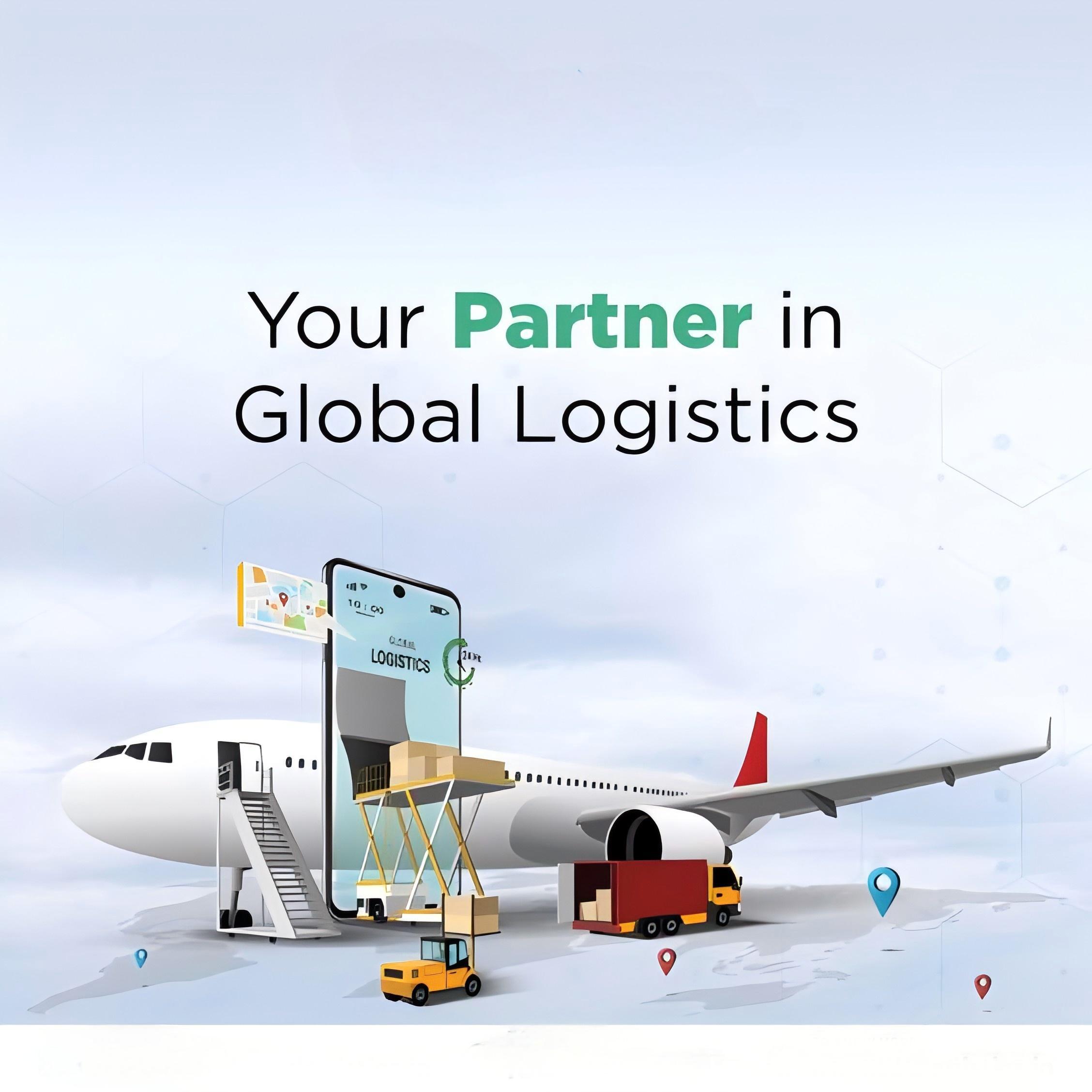
Deciding on the best shipping method from China to the Netherlands requires a clear understanding of your priorities. Various factors, including budget, urgency, and cargo characteristics, influence this choice. A structured decision framework can guide you effectively.
Consider your supply chain goals and how each transport method aligns with them. For example, if speed is paramount, air freight is generally the best option. However, if cost efficiency for large volumes is the main concern, sea freight will be more suitable.
Ultimately, the goal is to balance these competing priorities to achieve the most efficient and cost-effective logistics solution for your business. This framework helps in making informed and strategic shipping decisions.
Budget Priority
If budget is your primary concern, especially for large, heavy, or non-urgent shipments, sea freight is typically the most economical choice. For example, LCL (Less than Container Load) options are cost-effective for smaller volumes that don’t fill an entire container. This approach significantly reduces per-unit shipping costs.
However, if you need a balance of cost and speed for moderate-sized goods, standard air freight offers a good compromise. It’s more expensive than sea freight but much faster. Rail freight also presents a viable, cost-efficient alternative for specific routes into Europe, though not directly to the Netherlands for all origins.
For very small, extremely urgent items, express courier services are the fastest but most expensive. Always compare detailed quotes across different modes to find the true cost-benefit ratio for your specific cargo. Consider all-inclusive pricing to avoid hidden fees.
Speed Priority
When speed is the absolute top priority, air freight is unrivaled. It significantly reduces transit times, making it ideal for perishable goods, urgent samples, or just-in-time inventory management. Expedited air services can deliver goods within days.
For extremely time-sensitive documents or very small, high-value items, express service couriers offer the quickest door-to-door delivery. These services often provide next-day or second-day delivery options, albeit at a premium price. They are perfect for critical components.
Even within air freight, opting for direct flights over transshipment routes can shave off valuable time. While this might increase costs slightly, the gains in delivery speed can be crucial for meeting tight deadlines or responding to market demands quickly. Evaluate the trade-off carefully.
Cargo Type Considerations
The nature of your cargo heavily influences the most appropriate shipping method. High-value, fragile, or perishable goods often benefit most from air freight due to its speed, security, and controlled environments. This minimizes exposure to risks and spoilage.
For bulky, heavy, or low-value commodities, sea freight is generally the most practical and cost-effective solution. Containers provide robust protection for large volumes, and the extended transit time is less critical for these types of goods. Consider Amazon FBA if shipping directly to warehouses.
Hazardous materials or oversized cargo may have specific regulations and limitations for air transport. Always consult with your freight forwarder about specific handling requirements and necessary permits for such items. Special handling might be required across all transport modes.
Conclusion: Streamlining Your Air Freight from China to the Netherlands
Navigating the complexities of air freight China to Netherlands demands a strategic approach and a reliable logistics partner. Understanding the cost factors, transit times, and documentation requirements is paramount for successful international shipping. By carefully evaluating your priorities, you can choose the most suitable shipping method.
Whether you prioritize speed, cost-effectiveness, or specific cargo handling, a well-informed decision will optimize your supply chain. Utilizing expert freight forwarding services ensures compliance, minimizes risks, and enhances overall efficiency. Ultimately, a streamlined logistics process contributes significantly to your business success.
Get Your Shipping Quote Today
Ready to optimize your air freight China to Netherlands shipments? Contact us today for a personalized quote and expert guidance. Our team is dedicated to providing efficient, reliable, and cost-effective logistics solutions tailored to your unique business needs. Get started now and streamline your supply chain.
Request Quote