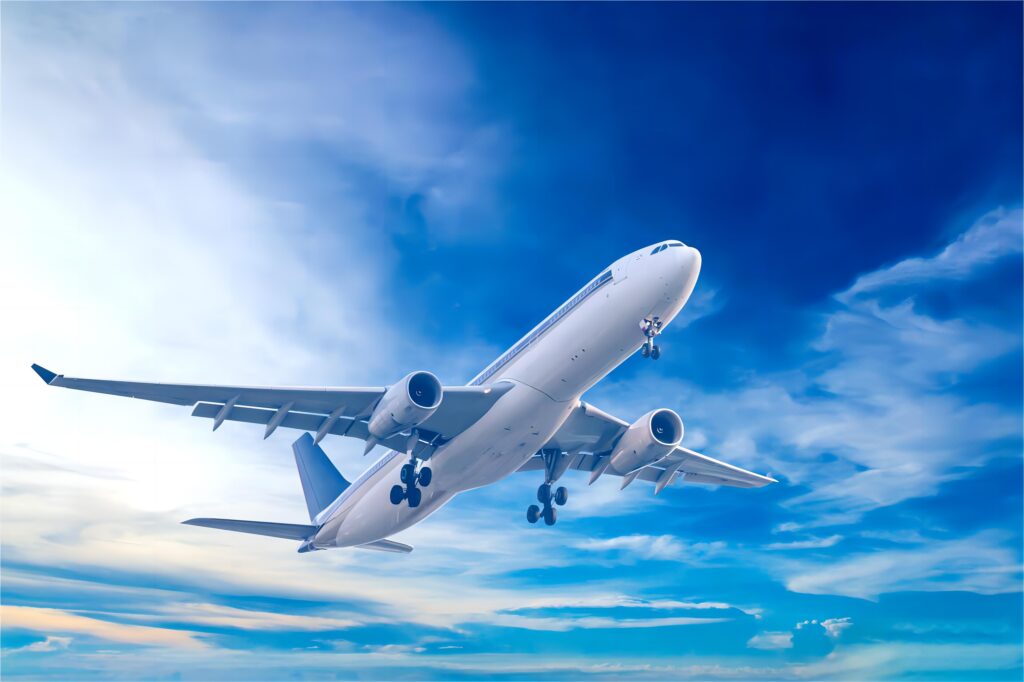
For importers and exporters, air freight from China to Australia offers the fastest and most secure way to move goods between two of the world’s strongest trading partners. While sea freight is cheaper, air cargoensures speed, reliability, and reduced risk—making it ideal for urgent or high-value shipments.
This guide explains costs, transit times, customs procedures, and practical tips to help businesses manage their shipping effectively.
1. What Is the Cost of Air Freight from China to Australia?
Air freight costs are based on chargeable weight (actual vs. volumetric weight), route, and season.
Weight Bracket
Average Rate (USD/kg)
Business Tip
45 – 100 kg
$5.00 – $6.50
Best for small urgent shipments
100 – 300 kg
$4.50 – $5.80
Economical mid-range volumes
300+ kg
$4.00 – $5.50
Lower unit costs for bulk loads
👉 Rates rise during Chinese New Year, Golden Week, and Christmas season. Advance booking saves costs.
2. How Long Does Shipping Take?
Direct flights (Shanghai, Guangzhou → Sydney, Melbourne): 1–3 days
Transit flights (via Singapore, Hong Kong): 4–6 days
7. What Cargo Types Benefit Most from Air Freight?
Electronics & semiconductors
Fashion & luxury goods
Perishable items (food, pharmaceuticals, flowers)
Urgent automotive & industrial parts
These goods demand speed, care, and security—strengths of air freight.
8. Hidden Costs to Consider
Beyond freight charges, importers should budget for:
Airline fuel surcharges
Airport handling fees
10% GST & customs duties
Cargo insurance premiums
9. How to Reduce Air Freight Costs
Consolidate shipments with other consignments
Ship during off-peak seasons
Use indirect flights when deadlines allow
Negotiate long-term contracts with forwarders
10. Key Contract Terms to Check
Liability limits (airlines usually cap at ~$20/kg)
Delivery commitments and penalties
Insurance clauses
Force majeure & delay handling
Reading terms carefully protects against financial surprises.
11.Conclusion
Air freight from China to Australia is the fastest and most reliable logistics choice for businesses moving time-sensitive cargo. While more expensive than sea freight, its speed, reliability, and lower risk of damage make it indispensable for urgent or high-value shipments.
By partnering with an experienced air freight forwarder, businesses can streamline shipping, reduce costs, and stay compliant with customs requirements.
Request a Quote
Need a tailored solution for your shipping from China? Let TJ China Freight Forwarder assist you with reliable, cost-effective service.