
Amazon FBA Shipping China to Australia: Your Complete Guide
Starting an Amazon FBA business involves navigating complex international logistics, especially when sourcing products from China for the Australian market. This journey can present numerous challenges, from understanding varying shipping costs to managing customs clearance and ensuring timely delivery. Fortunately, with the right knowledge and a reliable partner like Top China Freight, you can streamline your Amazon FBA shipping China to Australia operations, transforming potential hurdles into a smooth, profitable process.
Understanding Amazon FBA Shipping China to Australia
Embarking on international trade for your Amazon FBA business requires a clear understanding of the entire process. Therefore, focusing on efficient upstream shipping from suppliers in China directly to Australian FBA warehouses becomes paramount.
What is Amazon FBA?
Essentially, Amazon FBA (Fulfillment by Amazon) allows sellers to store products in Amazon’s fulfillment centers. Amazon then handles picking, packing, shipping, customer service, and returns. This service significantly simplifies logistics for sellers.
Choosing FBA means leveraging Amazon’s robust logistics network. This frees up sellers to concentrate on product development and marketing. Moreover, FBA products often qualify for Amazon Prime, offering faster shipping to customers.
Why Source from China for Australia?
China remains a global manufacturing powerhouse, providing unparalleled opportunities for product sourcing. Due to its extensive industrial capabilities, businesses find a wide range of products at competitive prices. This economic advantage directly impacts profit margins for Amazon sellers.
Additionally, Chinese manufacturers often possess capacity for large-scale production, catering to growing demand. Efficiently managing the supply chain from China to Australia is therefore key to capitalizing on these benefits.
Key Factors in Amazon FBA Shipping from China to Australia
Several critical elements dictate the success of your Amazon FBA shipping from China to Australia. Understanding these factors is crucial for making informed decisions and avoiding costly delays. Therefore, careful consideration optimizes your logistics strategy.
The interplay between shipping costs, transit times, and customs directly impacts your overall landed cost and delivery schedule. Overlooking any aspect can lead to unexpected expenses. Consequently, a holistic approach to planning is essential.
Shipping Costs and Freight Rates
Accurate shipping costs are paramount for financial planning. Freight rates from China to Australia vary based on method, volume, weight, and market conditions. Sea freight is generally more economical for larger shipments.
Factors like fuel surcharges and seasonal demand influence rates. Always obtain detailed quotes breaking down all charges. This ensures transparency and helps budget for Amazon FBA shipments.
Understanding Incoterms like FOB or EXW is vital. These terms define responsibility for costs and risks. Consequently, they directly impact your total shipping expenditure.
Transit Times and Delivery Schedules
The time goods take from China to Australian FBA warehouses impacts inventory management. Transit times vary significantly by shipping method. Faster methods naturally incur higher costs.
Sea freight typically takes 12-18 days port-to-port, plus clearance and trucking. Air freight delivers in 3-7 days. Planning your delivery schedule around these times is crucial for optimal stock levels.
Unforeseen delays like port congestion or customs inspections can extend timelines. Building a buffer into your schedule is prudent. This mitigates risks from unpredictable delays.
Customs Clearance and Documentation
Navigating Australian customs regulations is essential. Proper documentation, including invoices and bills of lading, is critical for smooth clearance. Discrepancies lead to delays and penalties.
Understanding import duties and taxes (like GST) is vital for accurate cost calculation. An experienced customs brokerage service manages these complexities. This ensures compliance and avoids border issues.
Specific product types may require additional permits. Working with a knowledgeable freight forwarder ensures all necessary paperwork is prepared. This avoids potential issues.
How Does Amazon FBA Shipping China to Australia Compare?
Choosing the right transportation method is paramount for Amazon FBA shipping China to Australia. Each option offers distinct advantages and disadvantages regarding speed, cost, and capacity. Therefore, evaluating your specific needs is essential for optimal decision-making.
Understanding these trade-offs helps balance budget constraints with delivery urgency. Considering cargo volume, product value, and inventory turnover is crucial. This comprehensive comparison clarifies the best fit for your business.
| Shipping Method | Cost Range (per kg/CBM) | Transit Time (China to Australia) | Best For | Limitations |
|---|---|---|---|---|
| Sea Freight (LCL) | $50-80/CBM | 20-30 days (door-to-door) | Large, heavy, non-urgent, cost-sensitive goods | Long transit times, potential port delays |
| Sea Freight (FCL) | $1,200-2,000/container (40HQ) | 20-28 days (door-to-door) | Very large volumes, dedicated container needed | Long transit times, requires full container volume |
| Air Freight | $4-8/kg (volume dependent) | 5-10 days (door-to-door) | Urgent, high-value, smaller shipments | High cost, weight/volume restrictions |
| Express Shipping | $8-15/kg | 2-5 days (door-to-door) | Samples, very small, urgent, high-value items | Extremely high cost, not suitable for bulk FBA |
Sea Freight: The Backbone for FBA
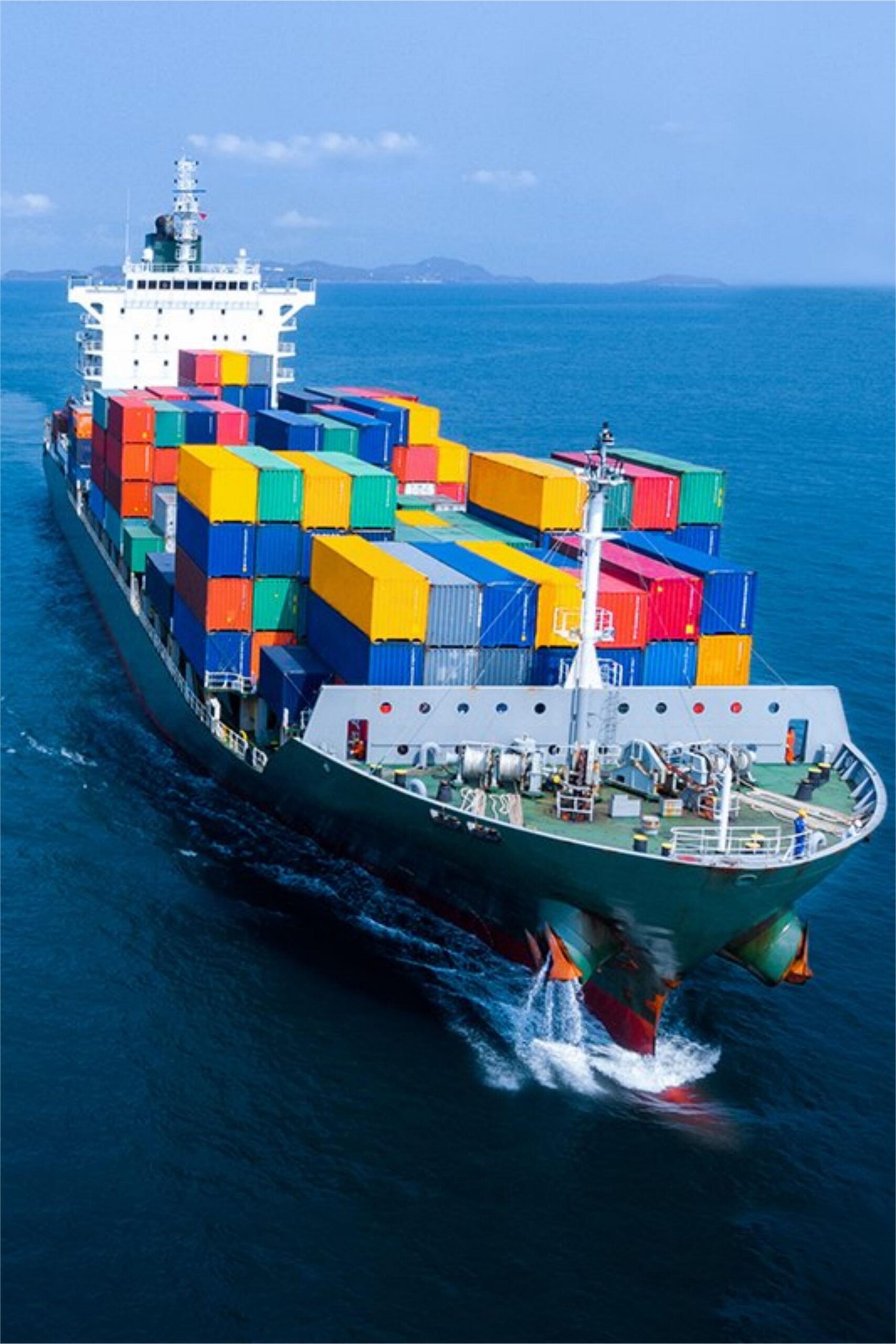
Without a doubt, sea freight is the most cost-effective solution for large volume Amazon FBA shipments. It’s ideal for non-urgent, heavy, or bulky goods, boosting profit margins.
However, sea freight comes with longer transit times, typically 12-18 days port-to-port. Plan inventory well in advance. It’s suitable for both Full Container Load (FCL) and Less than Container Load (LCL) options.
Air Freight: Speed for Urgent Shipments
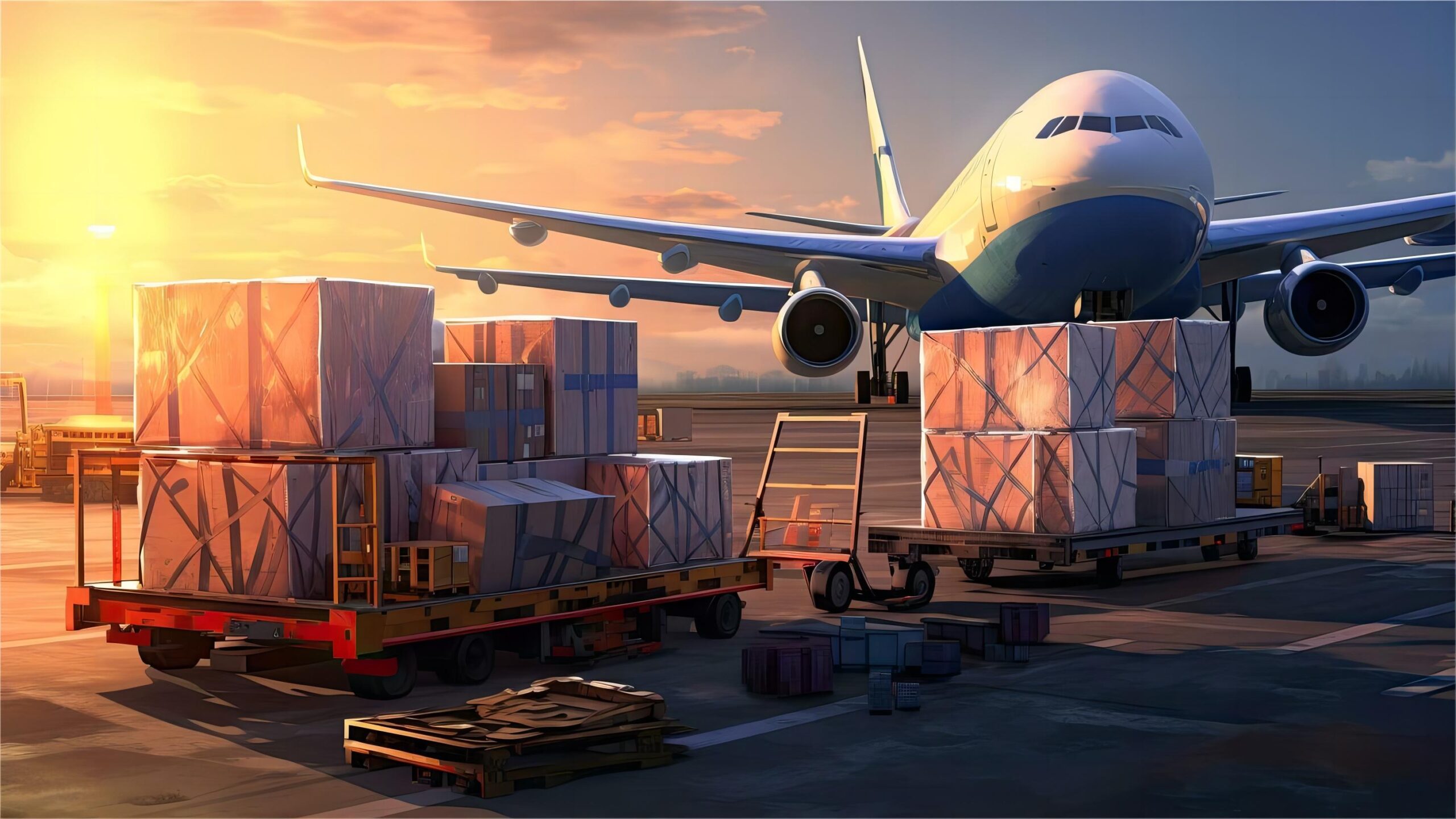
Conversely, air freight provides significantly faster transit times, usually 3-7 days. This method is perfect for high-value goods or urgent restocks. Speed often justifies the higher expense.
Nevertheless, air freight costs considerably more per kilogram. It is generally reserved for smaller, lighter, and more time-sensitive shipments. Sellers often combine sea and air freight strategically.
Express Shipping: For Small, Time-Sensitive Goods
For very small, lightweight, and extremely time-sensitive packages, express courier services are an option. These services offer door-to-door delivery within 2-5 days. Accordingly, they provide the fastest service available.
However, express shipping is the most expensive option per unit. It’s not typically suitable for bulk Amazon FBA shipments due to prohibitive costs. Nonetheless, it can be useful for sending samples or initial small batches.
Which Amazon FBA Shipping Option Should You Choose?
Selecting the optimal shipping method for your Amazon FBA shipments from China to Australia depends on a careful assessment of several factors. Ultimately, your decision should align with your business priorities and inventory strategy. Therefore, consider these key criteria before finalizing your logistics plan.
Indeed, balancing speed, cost, and cargo characteristics is crucial for maximizing profitability and customer satisfaction. Making an informed choice can significantly impact your supply chain efficiency. Consequently, this leads to better inventory management and reduced overheads.
Prioritizing Budget
If cost-effectiveness is your primary concern, sea freight is almost always the best choice. For example, a 40HQ container from China to Australia might cost around $1,400-$2,000 for ocean freight. This offers substantial savings compared to air options.
This method allows for higher profit margins on your products, especially for bulky or heavy items. However, remember to factor in the longer lead times when planning your inventory. Consequently, early ordering and careful forecasting are essential for budget-focused strategies.
Prioritizing Speed
For urgent restocks, new product launches requiring quick market entry, or high-value items with tight deadlines, air freight is indispensable. While more expensive, the speed of delivery can prevent stockouts and capitalize on market trends. This can justify the higher shipping costs.
Moreover, express services offer unparalleled speed for very small, critical shipments. Although costly, they guarantee rapid delivery, often within a few days. Therefore, strategic use of air or express options can be a competitive advantage.
Cargo Type and Volume Thresholds
The nature and volume of your cargo heavily influence the ideal shipping method. For instance, if your shipment is less than 15 CBM, Less than Container Load (LCL) sea freight often proves more economical than a full container. This allows smaller businesses to leverage sea shipping benefits.
Conversely, if you have enough goods to fill a 20GP, 40GP, or 40HQ container, Full Container Load (FCL) sea freight becomes the most cost-efficient option. Furthermore, fragile or specialized goods might require specific handling. This could influence the choice between air and sea based on transit conditions and cargo handling procedures.
Step-by-Step Guide to Amazon FBA Shipping Process
Moving products from a Chinese factory to an Australian Amazon FBA warehouse involves distinct stages. Each step requires careful attention and coordination. Consequently, a systematic approach minimizes errors and ensures a smooth supply chain.
Understanding this end-to-end process empowers you to manage expectations and collaborate effectively. From initial supplier contact to final delivery, meticulous planning is key. This guide outlines essential phases of Amazon FBA shipping China to Australia.
Supplier Coordination and Quality Control
Begin with your Chinese supplier, ensuring they understand Amazon’s packaging and labeling. Conduct thorough quality control inspections before shipment. This prevents receiving defective goods at FBA.
Clear communication regarding production timelines and readiness for pickup is vital. Delays here can ripple through the logistics chain. Proactive supplier management is critical.
Packaging and Labeling for FBA
Amazon has strict guidelines for product packaging and labeling, including FNSKU and shipping labels. Incorrect labeling leads to FBA center refusal or inventory delays. Strict adherence is mandatory.
Freight forwarders or FBA prep centers in China often assist with these services. This ensures compliance before goods leave the factory. Outsourcing this step saves hassle and rework.

Freight Forwarder Selection
Choosing a reliable freight forwarder is paramount. Look for expertise in door-to-door Amazon FBA shipping China to Australia. They should offer comprehensive services: origin handling, international transport, customs, and last-mile delivery.
A good freight forwarder acts as your logistics partner, providing transparency and communication. Their expertise reduces stress and improves efficiency. Always compare quotes and services for the best fit.
Customs and Import Duties
Upon arrival in Australia, your shipment undergoes customs clearance. This includes paying import duties and GST. An experienced freight forwarder or customs broker handles the declaration process.
Understanding HS codes is crucial for accurate duty calculation. Consider DDP (Delivered Duty Paid) service; the forwarder handles all customs fees, simplifying delivery to FBA.
Last-Mile Delivery to Amazon FBA Warehouses
The final stage is transporting goods from the Australian port/airport to the designated Amazon FBA center. Amazon has strict appointment scheduling and delivery requirements. Coordinate with carriers understanding these protocols.
Many freight forwarders offer integrated last-mile delivery services. This ensures smooth, on-schedule arrival. This final leg is crucial for quick inventory processing and sales potential.
Real-World Amazon FBA Shipping China to Australia Case Studies
Examining actual shipping scenarios offers valuable insights into Amazon FBA shipping China to Australia. These examples highlight various strategies catering to different business needs. Understanding these cases can therefore inform your own logistics planning.
Each case study demonstrates practical applications of discussed principles. They illustrate typical costs, transit times, and challenges for Amazon sellers. Based on Q4 2024 market rates, these provide realistic perspectives on international freight.
Case Study 1: Large Volume, Cost-Effective Sea Freight
A client shipped bulky outdoor furniture to Sydney FBA, prioritizing cost-efficiency over speed. Utilizing a full container load maximized space and minimized per-unit costs. This was crucial for their high-volume product.
Careful inventory forecasting prevented stockouts despite longer transit times. This strategy is ideal for businesses with predictable demand and sufficient lead time.
| Detail | Description |
|---|---|
| Route | Shanghai, China -> Sydney, Australia |
| Cargo | Outdoor Furniture, 30 CBM, 4500 kg |
| Container | 1 x 40GP |
| Shipping Details | Carrier: COSCO, Port of Loading: Shanghai, Port of Discharge: Sydney, Route Type: Direct |
| Cost Breakdown – Ocean Freight | $1,650 |
| Cost Breakdown – Origin Charges (THC, documentation) | $450 |
| Cost Breakdown – Destination Charges | $550 |
| Cost Breakdown – Customs & Duties (estimated) | $1,200 |
| Cost Breakdown – Total Landed Cost (excl. product cost) | $3,850 |
| Timeline – Booking to Loading | 5 days |
| Timeline – Sea Transit | 16 days |
| Timeline – Customs Clearance | 3 days |
| Timeline – Total Door-to-Door | 28 days |
| Key Insight | Optimal for bulk, non-urgent goods; requires proactive inventory management. |
Case Study 2: Urgent Restock via Air Freight
A client faced a stockout for a popular electronic gadget in Melbourne. Speed was critical to avoid lost sales. Air freight was chosen despite higher costs to quickly replenish inventory.
This rapid strategy allowed immediate sales resumption, justifying the expense by preventing significant revenue loss. It exemplifies the value of flexible logistics for high-demand products.
| Detail | Description |
|---|---|
| Route | Guangzhou, China -> Melbourne, Australia |
| Cargo | Electronic Gadgets, 1.5 CBM, 250 kg |
| Container | Air Cargo |
| Shipping Details | Carrier: Major airline, Airport of Loading: Guangzhou (CAN), Airport of Discharge: Melbourne (MEL), Route Type: Direct |
| Cost Breakdown – Air Freight | $1,500 ($6/kg) |
| Cost Breakdown – Origin Charges (handling, documentation) | $200 |
| Cost Breakdown – Destination Charges | $300 |
| Cost Breakdown – Customs & Duties (estimated) | $500 |
| Cost Breakdown – Total Landed Cost (excl. product cost) | $2,500 |
| Timeline – Booking to Loading | 2 days |
| Timeline – Air Transit | 4 days |
| Timeline – Customs Clearance | 1 day |
| Timeline – Total Door-to-Door | 8 days |
| Key Insight | Essential for urgent, high-demand, or time-sensitive products to prevent stockouts. |
Market Context and Pricing Disclaimer
Current market conditions significantly influence freight rates from China to Australia. As of early 2025, rates have generally stabilized, however, they remain susceptible to global events and seasonal demand. Consequently, proactive planning is always recommended.
Industry average for this route indicates that rates can fluctuate 15-25% during peak seasons, typically from August to October. Port congestion and fuel surcharges also play a significant role in final costs. Therefore, staying informed about logistics trends is essential for budgeting.
Note: Freight rates are subject to change based on fuel costs, carrier capacity, and seasonal demand. Contact us for a current quote tailored to your specific shipment.
Mastering Amazon FBA Shipping China to Australia
In conclusion, successful Amazon FBA shipping from China to Australia hinges on strategic planning and an understanding of logistics intricacies. By carefully selecting shipping methods, managing costs, and navigating customs, sellers can ensure efficient and profitable operations. Partnering with a knowledgeable freight forwarder is invaluable.
Indeed, whether prioritizing speed or cost, a well-executed supply chain is critical for Amazon FBA success. This comprehensive approach ensures your products reach Australian FBA warehouses seamlessly, driving growth for your business. Therefore, informed decisions pave the way for a thriving Amazon presence.
Get Your Shipping Quote Today
Ready to optimize your Amazon FBA shipping China to Australia? Navigating complex international logistics can be challenging, but with expert guidance, it becomes simple. Contact Top China Freight today for a personalized quote and streamline your supply chain for success.
Request Quote