


Amazon FBA Shipping China to Dubai: The Complete 2025 Logistics Guide
Expanding your e-commerce reach requires a reliable strategy for Amazon FBA shipping China to Dubai to ensure consistent stock levels and customer satisfaction. Many sellers struggle with the complexities of international logistics, but partnering with a professional like Top China Freight simplifies the entire process. This guide provides actionable insights into navigating the shipping corridor between Chinese manufacturing hubs and Dubai fulfillment centers.
What are the Best Methods for Amazon FBA Shipping China to Dubai?
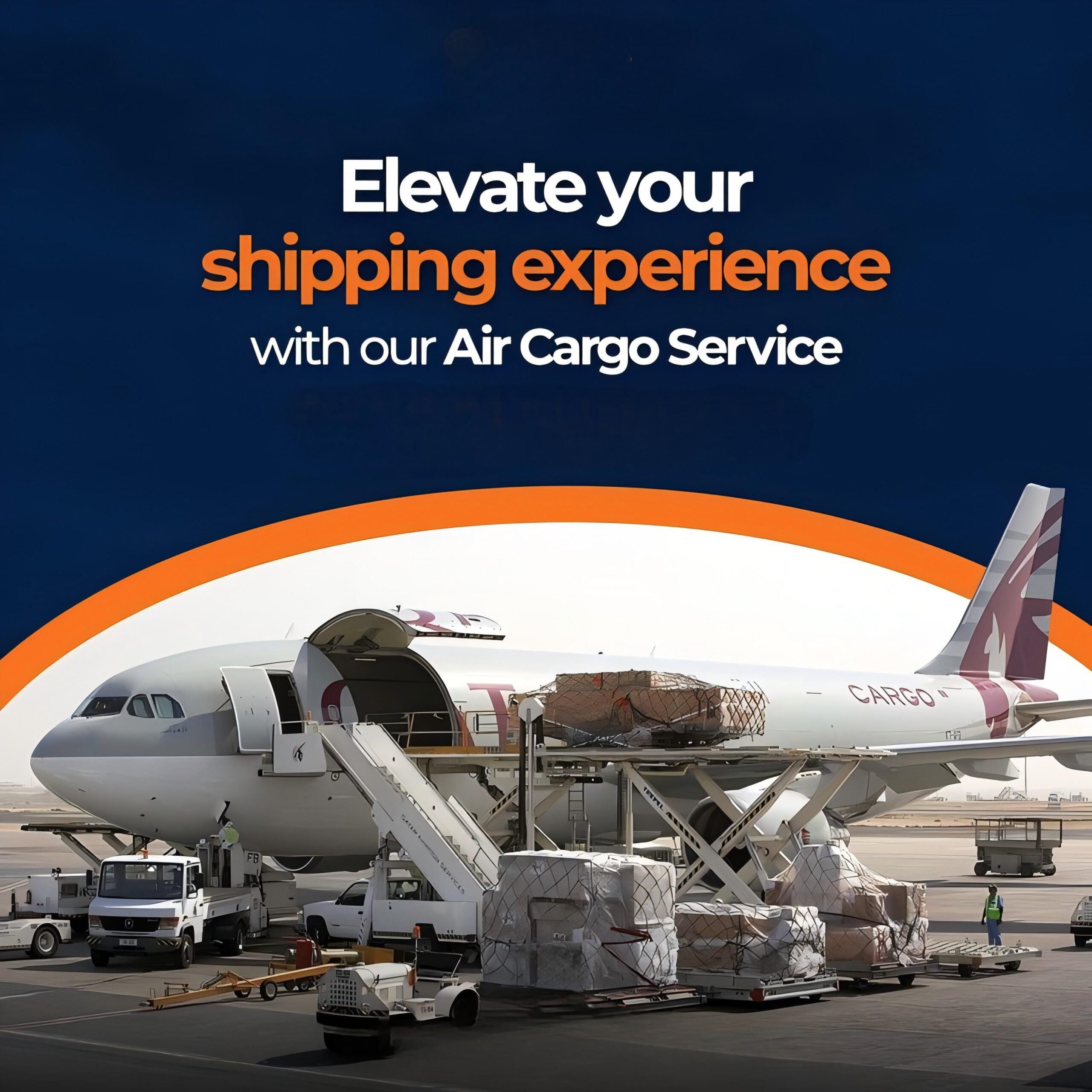
Selecting the right transportation mode is the most critical decision for your profit margins and delivery speed. Most sellers utilize air freight when they need to restock inventory quickly during peak shopping seasons in the UAE.

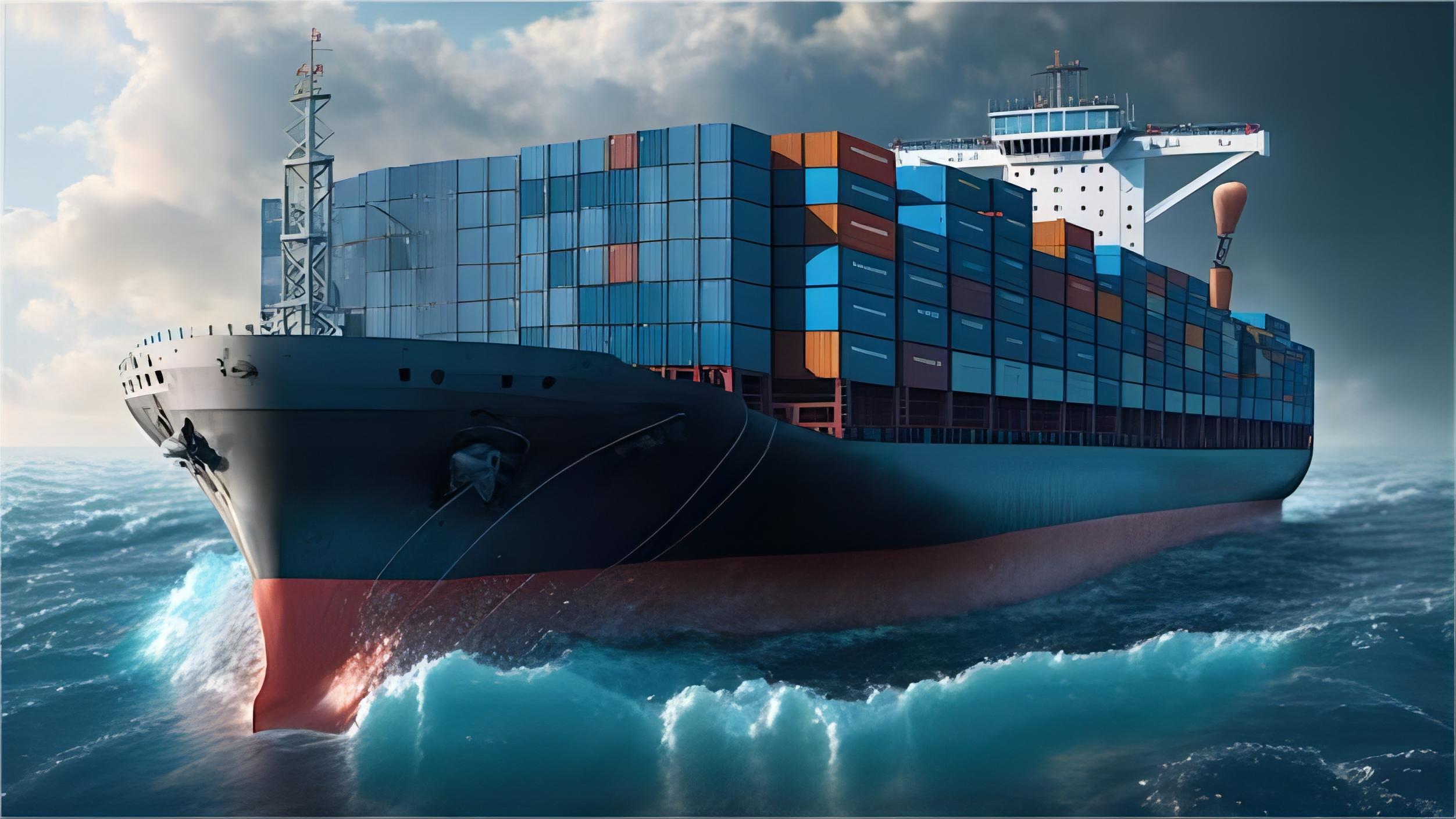
Alternatively, sea freight serves as the backbone for high-volume shipments where cost reduction is the primary objective. Consequently, choosing between speed and budget depends on your specific product lifecycle and current stock levels.
Moreover, express services offer a premium solution for smaller parcels or urgent samples that require immediate delivery. Each method has distinct advantages that impact your overall landed cost and supply chain efficiency.
Furthermore, understanding the nuances of each service allows you to pivot your strategy as market conditions change. Indeed, a balanced approach often yields the best results for growing Amazon businesses.
How Does Sea Freight Compare to Other Shipping Options?
When evaluating sea freight, it is essential to compare it against faster but more expensive alternatives. While sea transport is significantly slower, it offers the lowest price per unit for bulky items like furniture or large electronics.
On the other hand, air freight provides a rapid transit time that helps maintain high IPI scores on Amazon Seller Central. Therefore, a direct comparison of costs and timelines is necessary for effective inventory planning.
Additionally, many sellers now consider hybrid sea-air solutions to balance the trade-offs between the two primary modes. This strategy can save up to 40 percent compared to pure air freight while remaining faster than traditional ocean routes.
Nevertheless, the choice often comes down to the volume of your cargo and your tolerance for longer lead times. Market data suggests that sea freight remains the preferred choice for over 80 percent of global trade volume.
| Shipping Method | Cost Range | Transit Time | Best For |
|---|---|---|---|
| Air Freight | 4.50 to 7.00 USD per kg | 3 to 7 Days | Urgent Restocks |
| Sea Freight (FCL) | 1800 to 2800 USD per 20GP | 18 to 25 Days | Large Volumes |
| Sea Freight (LCL) | 40 to 90 USD per CBM | 22 to 30 Days | Medium Shipments |
| Express Shipping | 8.00 to 12.00 USD per kg | 2 to 4 Days | Small Samples |
Which Option Should You Choose for Your Dubai FBA Business?
Determining the ideal shipping method requires a clear framework based on your business priorities and cargo characteristics. If your primary goal is budget priority, we recommend sea freight for any shipment exceeding 2 cubic meters.
In contrast, if speed priority is your main concern due to an out-of-stock situation, air freight is the only viable path. Consequently, you must weigh the cost of lost sales against the higher freight rates of air transport.
Cargo type considerations also play a major role, as hazardous materials or extremely heavy items may face restrictions or surcharges on aircraft. For instance, lithium batteries often require specialized handling that is more manageable via ocean carriers.
Volume thresholds are equally important; for example, shipments under 100kg are often more economical via express service due to lower administrative fees. Once you surpass 300kg, the price gap between express and standard air freight begins to widen significantly.
Understanding Amazon FBA Requirements and Customs in Dubai
Navigating the regulatory landscape in the UAE is a vital step for any international seller. You must ensure that your Amazon FBA shipment complies with local labeling laws and packaging standards.
Furthermore, hiring a professional customs brokerage service can prevent costly delays at the Port of Jebel Ali or Dubai World Central. Without a doubt, accurate documentation is the most important factor in a smooth clearance process.
Typical documents required include a commercial invoice, packing list, and a certificate of origin. Additionally, certain products like cosmetics or electronics may require specific approvals from UAE regulatory bodies.
Indeed, failing to provide the correct paperwork can lead to storage fees and even the destruction of your inventory. Therefore, proactive preparation is the hallmark of a successful Amazon seller.
Case Study 1: Urgent Air Freight for Electronics
Route: Shenzhen, China to Dubai, UAE. Cargo: 500kg of high-end consumer electronics. Shipping Method: Air Freight. Total Landed Cost: 3,200 USD. Sea Transit: N/A (5 days total door-to-door).
The seller faced an unexpected surge in demand during the Dubai Shopping Festival. Consequently, they opted for a premium air service to avoid stockouts. Based on Q4 2024 market rates, the shipment arrived in just 5 days, allowing the seller to capture peak sales traffic.
Key Insight: Using air freight for high-margin items during peak seasons protects your search ranking and customer loyalty. Although the freight cost was higher, the return on investment justified the expense.
Case Study 2: Bulk Furniture via Sea Freight
Route: Ningbo, China to Jebel Ali, Dubai. Cargo: 28 CBM (Full 20GP Container) of office furniture. Shipping Method: Sea Freight FCL. Total Landed Cost: 2,450 USD. Sea Transit: 22 days.
This seller prioritized cost-efficiency for a new product launch. By using a full container, they achieved the lowest possible price per unit. Typical rates as of early 2025 suggest that FCL remains the most stable option for large-scale imports.
Key Insight: Planning inventory 2 months in advance allowed this seller to utilize sea freight and maximize their profit margins. Proper scheduling is essential when dealing with 20-30 day transit times.
Alternative Strategies for Cost-Saving and Efficiency
Beyond standard air and sea options, savvy sellers often employ alternative strategies to optimize their supply chain. For example, using door to door services can reduce the administrative burden and hidden fees associated with multiple logistics providers.
Another effective strategy involves consolidating multiple small orders into a single LCL shipment to share costs with other importers. Furthermore, many sellers are exploring sea-air hybrid models where goods move by sea to a hub like Singapore before flying to Dubai.
Moreover, implementing a robust FBA prep strategy in China can significantly reduce your costs compared to using UAE-based prep centers. This includes labeling, kitting, and quality control inspections before the goods ever leave the factory floor.
Consequently, these small optimizations can lead to significant savings over the course of a fiscal year. Industry average for this route suggests that optimized supply chains can save up to 15 percent on total logistics spend.
Industry Trends and Market Outlook for 2025
As of Q1 2025, freight rates from China to Dubai have stabilized following the global disruptions of previous years. However, seasonal patterns still play a major role in pricing, with rates typically increasing 15-25 percent during the August to October peak season.
Additionally, the shift towards sustainable logistics is influencing carrier choices and port operations in both China and the UAE. Meanwhile, digital tracking technologies are becoming a standard requirement for Amazon sellers who need real-time visibility.
Indeed, the integration of AI in route optimization is helping carriers reduce transit times and fuel consumption. Therefore, staying informed about these trends is crucial for maintaining a competitive edge in the Dubai marketplace.
Note: Freight rates are subject to change based on fuel costs, carrier capacity, and seasonal demand. Contact us for a current quote tailored to your specific shipment.
Final Thoughts on Shipping to Dubai FBA
Successfully managing Amazon FBA shipping China to Dubai requires a strategic blend of speed, cost-efficiency, and regulatory compliance. By understanding the differences between air and sea freight, you can make informed decisions that protect your margins.
Furthermore, leveraging the expertise of a professional freight forwarder simplifies the complexities of customs and documentation. Whether you are a new seller or an established brand, optimizing your logistics is the key to long-term success in the vibrant UAE e-commerce market.
Ready to streamline your logistics?
Streamline your Amazon FBA shipping China to Dubai today with expert logistics support. Contact Top China Freight for a customized quote and ensure your inventory reaches the UAE on time and within budget. Visit our website to start your inquiry now. Send Inquiry: Visit https://Top China Freight.com/
Request Quote