
Amazon Logistics China to Australia: Your Complete Guide
Navigating Amazon logistics China to Australia can be challenging. From shipping methods to customs, a streamlined process is crucial for success. This guide offers insights and strategies to optimize your supply chain.
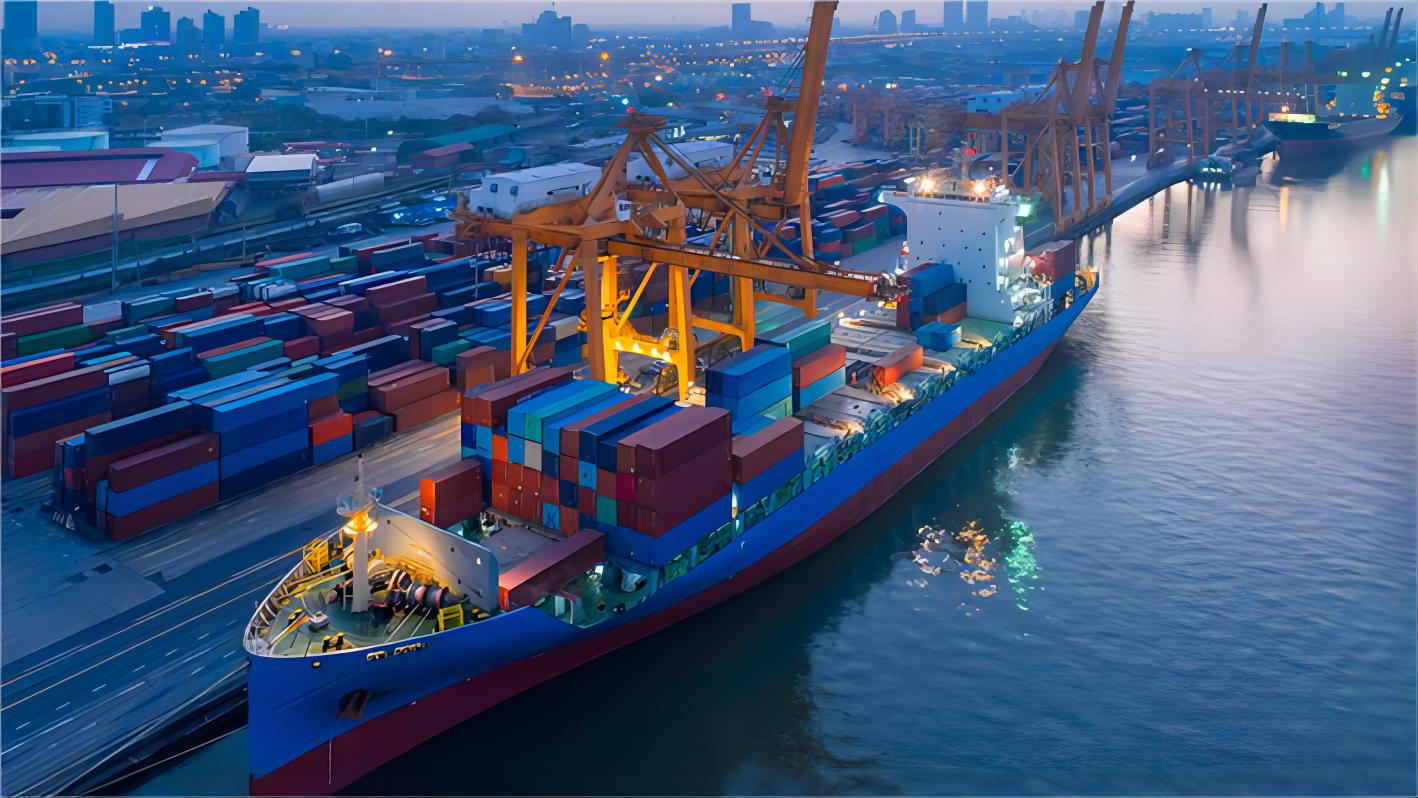
Understanding Amazon Logistics China to Australia
Expanding your Amazon business into Australia from China demands careful planning. Managing your supply chain from manufacturing to Amazon FBA warehouses is paramount. This process involves numerous steps and considerations.
Efficient shipping from China to Australia ensures products reach customers promptly. Businesses must understand international freight intricacies like rates and transit times. Well-managed logistics impacts profitability and customer satisfaction.
Key Shipping Methods for Amazon FBA from China to Australia
Selecting the right shipping method is critical for both cost and delivery schedule. Your choice depends on cargo size, urgency, and budget. Understanding each option’s pros and cons is essential for optimizing your Amazon FBA strategy.
Sea Freight: The Cost-Effective Choice
For larger, non-urgent inventory, sea freight is the most economical option. It minimizes shipping costs per unit, ideal for bulk. Transit times range from 12 to 25 days.
Sea freight offers flexibility with Full Container Load (FCL) and Less than Container Load (LCL). FCL suits high-volume goods. Conversely, LCL allows smaller shipments to share container space, viable for moderate inventory.
Air Freight: Speed for Urgent Shipments
When speed is paramount for high-value items or product launches, air freight is preferred. Though more expensive, it drastically reduces transit time. Shipments often arrive in Australia within 3 to 8 days, including customs.
Air freight is priced by weight and volume, less suitable for bulky cargo. Businesses use it for initial stock or urgent replenishments. Balancing speed against higher shipping costs is crucial.
Express Shipping: When Every Day Counts
For small, urgent deliveries, express services like DHL or FedEx provide rapid door-to-door delivery. These offer the fastest transit, often 2-5 days from China to Australia. This method is convenient for direct FBA injection.
Express shipping has the highest cost per kilogram. It is reserved for lightweight, high-margin products or critical emergency stock. Many businesses use express for samples or urgent top-ups.
How Do Shipping Options Compare for Amazon Logistics China to Australia?
Choosing the right shipping method for your Amazon FBA inventory is strategic. It impacts profitability, inventory management, and customer satisfaction. Understanding each option’s trade-offs is essential.
Below is a comparison of primary shipping methods from China to Australia. This analysis considers shipping costs, transit times, and cargo suitability. Always consider your specific business needs.
| Shipping Method | Cost Range (per kg/CBM) | Transit Time (days) | Best For | Limitations |
|---|---|---|---|---|
| Sea Freight (LCL) | $50-80/CBM | 18-25 | Bulk, non-urgent, heavy/large items | Longer transit, potential delays |
| Sea Freight (FCL) | $1,200-2,000/container (40HQ) | 12-18 | Very large volumes, stable inventory | Requires full container, longer lead time |
| Air Freight | $4-8/kg | 5-8 | Urgent, high-value, medium-sized goods | High cost, weight/volume restrictions |
| Express Shipping | $8-15/kg | 2-5 | Samples, small packages, highly urgent | Very high cost, strict weight/size limits |
Which Option Should You Choose?
Your ideal solution depends on priorities. If budget is key, sea freight is unbeatable for bulk. If speed is paramount, air freight or express are superior. Cargo type matters: bulky goods by sea, small high-value items by air. Hybrid solutions can also balance needs.
Navigating Customs and Compliance for Amazon Australia
Importing goods into Australia for Amazon FBA requires diligent customs adherence. Oversight leads to delays, penalties, and increased costs. Understanding import duties, taxes, and prohibited items is crucial.
Engaging a reliable customs brokerage service is invaluable. Experts ensure correct documentation, streamlining clearance. They stay updated on trade policies, preventing unexpected issues.
Essential Documentation Checklist
Proper documentation is the backbone of international shipping. Missing paperwork can halt your shipment. Ensure all necessary documents are accurately completed and available. This proactive approach minimizes delays and ensures compliance.
| Document | Purpose | Notes |
|---|---|---|
| Commercial Invoice | Details of goods, value, seller/buyer | Accurate valuation for duties/taxes |
| Packing List | Contents of each package/container | Matches commercial invoice, details weights/dimensions |
| Bill of Lading (Sea) / Air Waybill (Air) | Contract of carriage, title to goods | Proof of shipment and ownership |
| Certificate of Origin | Confirms country of manufacture | May impact tariffs or free trade agreements |
| Import Permit (if required) | Authorization for restricted goods | Certain products (e.g., food, medical) require this |
Optimizing Your Amazon FBA Supply Chain: China to Australia
Effective supply chain management maximizes profitability and minimizes stockouts for your Amazon business. This encompasses supplier coordination to inventory placement. A holistic approach to your Amazon FBA strategy is recommended.
Consolidate multiple supplier shipments into a single, larger consignment. This reduces overall shipping costs and administrative overhead. Professional FBA prep services in China ensure products meet Amazon’s packaging and labeling requirements.
Consolidation and FBA Prep Services
Consolidating goods from various suppliers into one shipment is a smart financial move. You leverage economies of scale instead of paying for multiple small shipments. This strategy is effective for businesses sourcing different product lines.
Professional FBA prep services handle critical tasks like labeling, poly-bagging, and bundling. They ensure each item complies with Amazon’s specific requirements. This prevents costly rejections or delays, saving time and resources.
Real-World Case Studies: Amazon Logistics China to Australia
Examining actual shipping scenarios offers insights into logistics strategies. These case studies highlight how businesses managed Amazon logistics China to Australia challenges. They showcase diverse approaches to cost, speed, and cargo types.
Based on Q3 2024 market rates, these examples illustrate typical costs and transit times. However, freight rates fluctuate based on fuel costs, carrier capacity, and seasonal demand. Contact us for a current, tailored quote.
Case Study 1: High-Volume Sea Freight for Seasonal Goods
A client needed to ship large volumes of seasonal outdoor equipment for the Australian summer. Cost-efficiency with reasonable lead time was key. FCL sea freight was chosen for effective inventory management.
| Detail | Description |
|---|---|
| Route | Ningbo, China -> Sydney, Australia |
| Cargo | Outdoor portable grills, 55 CBM, 10,000 kg |
| Container | 1 x 40HQ |
| Shipping Details | Carrier: COSCO, Port of Loading: Ningbo, Port of Discharge: Sydney, Route Type: Direct |
| Cost Breakdown | Ocean Freight: $1,800, Origin Charges: $350, Destination Charges: $400, Customs & Duties (estimated): $550, Total Landed Cost: $3,100 |
| Timeline | Booking to Loading: 7 days, Sea Transit: 15 days, Customs Clearance: 3 days, Total Door-to-Door: 25 days |
| Key Insight | Cost-effective for bulk, requiring advance planning for seasonal demand. |

Case Study 2: Urgent Air Freight for New Product Launch
Another client launched smart home devices on Amazon Australia, requiring rapid delivery for early market share. Speed was critical despite higher costs. Air freight ensured a timely launch, avoiding missed initial sales.
| Detail | Description |
|---|---|
| Route | Shanghai, China -> Melbourne, Australia |
| Cargo | Smart home devices, 2 CBM, 250 kg |
| Container | Air Cargo |
| Shipping Details | Carrier: Cathay Pacific Cargo, Port of Loading: Shanghai Pudong, Port of Discharge: Melbourne, Route Type: Direct |
| Cost Breakdown | Air Freight: $1,500, Origin Charges: $150, Destination Charges: $100, Customs & Duties (estimated): $200, Total Landed Cost: $1,950 |
| Timeline | Booking to Loading: 2 days, Air Transit: 3 days, Customs Clearance: 1 day, Total Door-to-Door: 6 days |
| Key Insight | High speed enables quick market entry, capitalizing on launch windows. |
Case Study 3: LCL Consolidation for Multiple SKUs
A smaller e-commerce business imports various electronic accessories from different suppliers. They needed to combine these smaller orders into one manageable shipment. LCL sea freight with consolidation services proved ideal.
| Detail | Description |
|---|---|
| Route | Shenzhen, China -> Brisbane, Australia |
| Cargo | Electronic accessories (multiple SKUs), 8 CBM, 1,200 kg |
| Container | LCL Shipment |
| Shipping Details | Carrier: Maersk (consolidated), Port of Loading: Shenzhen, Port of Discharge: Brisbane, Route Type: Transshipment via Singapore |
| Cost Breakdown | Ocean Freight: $640 (8 CBM @ $80/CBM), Origin Charges: $120, Destination Charges: $150, Customs & Duties (estimated): $180, Total Landed Cost: $1,090 |
| Timeline | Booking to Loading: 5 days, Sea Transit: 20 days, Customs Clearance: 2 days, Total Door-to-Door: 27 days |
| Key Insight | Consolidation saves costs for smaller, diverse shipments, but may add days for transshipment. |
Cost-Saving Strategies and Market Insights
Optimizing your shipping costs from China to Australia for Amazon is crucial for competitive pricing. Understanding freight rate factors allows proactive planning. Strategies include optimizing packaging, negotiating rates, and planning around peak seasons.
Consider Incoterms used with suppliers. FOB (Free On Board) gives more control over main freight cost, potentially yielding better rates. EXW (Ex Works) means you handle all costs from the factory, requiring comprehensive logistics planning.
Market Trends and Pricing Factors
Freight rates are dynamic, influenced by global and regional factors. As of early 2025, market data suggests stabilization in sea freight rates after recent disruptions, though volatility persists. Stay informed about logistics trends.
Seasonal patterns significantly impact shipping costs and transit times. Rates typically increase 15-25% during peak seasons like Chinese New Year or Q4. Planning inventory accordingly mitigates surcharges. Fuel costs, port congestion, and carrier capacity also affect rates.
Mastering Your Amazon Logistics China to Australia
Effectively managing your <a href=”https://Top China Freight.com/shipping-from-china-to-australia/”>Amazon logistics China to Australia</a> is fundamental to e-commerce success. By selecting methods, navigating customs, and optimizing your supply chain, ensure timely, cost-efficient delivery to Amazon FBA warehouses. A robust logistics strategy empowers your business.
Remember to consider all variables: freight rates, transit times, customs compliance, and FBA prep. Partnering with an experienced freight forwarder provides expertise and support. This ensures products reach their destination seamlessly, allowing you to focus on growth.
Need a tailored shipping solution?
Ready to streamline your Amazon logistics from China to Australia? Get a free, no-obligation quote today and discover how our expert solutions can optimize your supply chain. Visit Top China Freight to secure your competitive edge.