
Amazon Logistics China to Japan: Your FBA Shipping Guide
“Navigating international shipping can be complex, especially when dealing with e-commerce giants like Amazon. For sellers eyeing the lucrative Japanese market, optimizing Amazon logistics from China to Japan is absolutely crucial. This comprehensive guide will therefore explore efficient strategies, cost considerations, and essential insights to streamline your FBA shipments.”
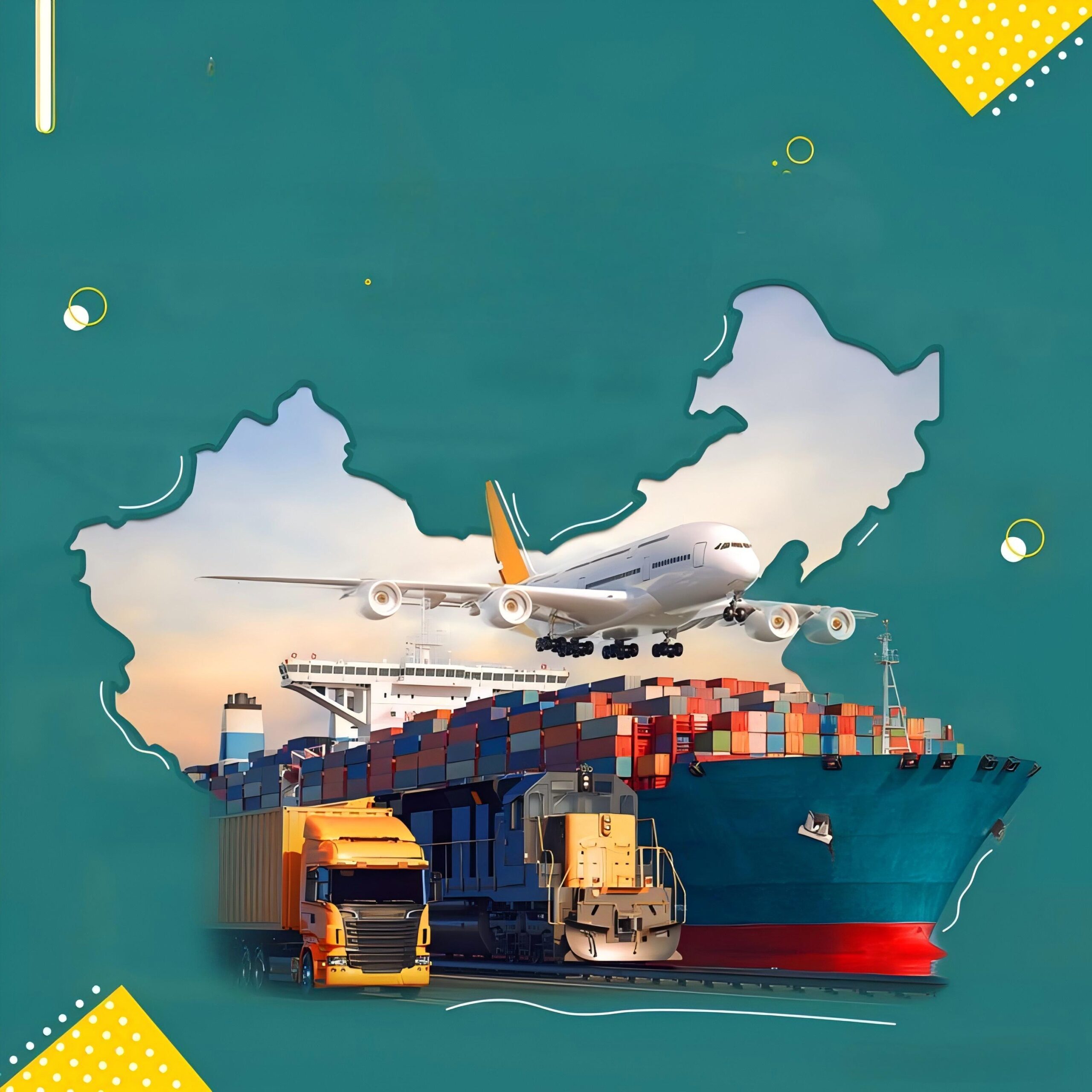
Understanding Amazon Logistics from China to Japan
❖Selling on Amazon Japan presents significant opportunities for businesses sourcing products from China. However, success largely depends on a robust and efficient supply chain. Consequently, understanding the nuances of cross-border shipping is paramount for maintaining profitability and customer satisfaction.
This involves more than just moving goods; it encompasses careful planning, selecting appropriate shipping methods, and managing all import regulations. Furthermore, efficient Amazon FBA preparation in China is a critical step to avoid delays and extra costs upon arrival in Japan.
Key Shipping Methods from China to Japan for Amazon Sellers
❖When shipping goods for Amazon FBA from China to Japan, several primary transportation methods are available. Each method presents distinct advantages and disadvantages concerning speed, cost, and capacity. Therefore, selecting the right option depends heavily on your specific business needs and product characteristics.
Air Freight: Speed and Efficiency
Air freight is undeniably the fastest option for getting products from China to Japan. Typically, transit times range from 3 to 7 days, making it ideal for high-value, time-sensitive, or smaller shipments. However, this speed comes at a higher cost compared to sea freight.
For example, if you are launching new products or restocking popular items quickly, air freight can significantly reduce lead times. It is particularly suitable for electronics, fashion items, and other goods where market trends change rapidly. Many sellers also use it for initial stock to get products listed quickly.
Sea Freight: Cost-Effectiveness for Bulk
For larger volumes and less urgent shipments, sea freight offers the most economical solution. While transit times are longer, usually 10 to 20 days, the cost savings can be substantial, especially for heavy or bulky items. This method is the backbone of many Amazon sellers’ supply chains.
You can choose between Full Container Load (FCL) or Less than Container Load (LCL) depending on your shipment size. LCL is ideal for smaller shipments that don’t fill an entire container, consequently allowing you to share container space and costs with other shippers. Conversely, FCL provides dedicated container space, offering better security and faster loading/unloading.
Express Shipping: Urgent Deliveries
Express services, provided by carriers like DHL, FedEx, and UPS, combine aspects of air freight with integrated logistics solutions. These services often include expedited customs clearance and door-to-door delivery, making them incredibly convenient. Often, they are the fastest way to ship, with transit times as low as 1-3 days.
Although express shipping is generally more expensive than standard air freight, it offers unparalleled speed and reliability for critical, small-to-medium sized packages. It is frequently utilized for samples, urgent replenishments, or high-value, lightweight items where every day counts. Many businesses leverage express service for urgent stock-outs.
Navigating Customs and Documentation for Japan Imports
❖Successful customs brokerage is a critical component of shipping from China to Japan for Amazon sellers. Japan has strict import regulations, and proper documentation is essential to avoid delays and penalties. Therefore, understanding these requirements upfront can save significant time and money.
Key documents generally include a commercial invoice, packing list, bill of lading (for sea freight) or air waybill (for air freight), and a certificate of origin. Depending on the product, additional licenses or permits may be necessary, especially for food, cosmetics, or electronics. Moreover, accurate product classification (HS codes) is vital for correct duty and tax calculations.
Engaging a reputable freight forwarder with experience in Japan customs is highly recommended. They can guide you through the process, ensure compliance, and handle all necessary declarations. This proactive approach helps in managing import duties China to Japan Amazon efficiently, preventing unexpected charges and clearance issues.
| Document Type | Purpose | Key Information |
|---|---|---|
| Commercial Invoice | Valuation for customs, duty calculation | Seller/Buyer details, product description, quantity, unit price, total value |
| Packing List | Details of shipment contents | Itemized list of goods, quantity, weight, dimensions, package marks |
| Bill of Lading / Air Waybill | Contract of carriage, title to goods | Shipper, consignee, carrier, ports, number of packages, weight |
| Certificate of Origin | Proves country of manufacture | Country where goods were produced, often needed for preferential tariffs |
How Does Shipping from China to Japan Compare to Other Options?
❖Choosing the right shipping method for your Amazon FBA business involves weighing multiple factors. While speed is often tempting, cost-effectiveness and cargo type are equally important. Consequently, a detailed comparison helps in making an informed decision for your supply chain solutions China Japan.
Understanding the trade-offs between different methods is crucial for managing your budget and delivery schedule. Furthermore, considering potential market fluctuations and seasonal peaks can influence your choice, as freight rates can vary significantly. Always aim for a balance that supports your overall business strategy.
| Shipping Method | Cost Range (per kg) | Transit Time (days) | Best For | Limitations |
|---|---|---|---|---|
| Air Freight | $4.00 – $8.00+ | 3-7 | Urgent, high-value, small/medium parcels | High cost, weight/volume restrictions |
| Sea Freight (LCL) | $0.50 – $1.50 | 10-20 | Cost-effective, larger volumes, non-urgent | Longer transit, potential delays, minimum volume |
| Sea Freight (FCL) | $0.30 – $1.00 | 10-20 | Very large volumes, consistent supply | High upfront cost, not suitable for small batches |
| Express Shipping | $8.00 – $15.00+ | 1-3 | Samples, emergency restocks, small packages | Highest cost, strict size/weight limits |
Optimizing Your Supply Chain: Alternative Strategies and Hybrid Solutions
❖Effective door-to-door shipping China to Japan Amazon often involves more than just selecting a single transport mode. Smart sellers frequently employ alternative strategies and hybrid solutions to optimize their supply chain. This approach can significantly impact overall shipping costs and transit time.
For instance, combining fast initial air shipments for product launches with subsequent bulk sea freight for sustained inventory can balance speed and cost. This strategy helps in quickly capturing market share while maintaining healthy profit margins. Additionally, exploring different ports of origin in China and destination in Japan can sometimes yield better rates or faster transit, depending on carrier availability.
Cost-Saving Strategies and Trade-offs
To minimize the cost of shipping from China to Japan FBA, consider consolidating multiple smaller orders into larger LCL or FCL shipments. This reduces per-unit shipping expenses substantially. However, it requires careful inventory management to avoid stock-outs during longer sea transit times.
Another strategy involves negotiating favorable freight rates with your freight forwarder, especially for consistent volume. Be mindful that cheaper rates might sometimes mean longer transit times or fewer service inclusions. Always balance cost savings with your required delivery schedule and reliability expectations.
Hybrid Solutions for Flexibility
Hybrid solutions, such as ‘sea-air’ combinations, are not directly applicable for China to Japan due to the short sea route. However, the concept of staged delivery remains relevant. For instance, sending a portion of your inventory via air freight to quickly replenish Amazon FBA warehouses while the bulk shipment follows by sea freight provides flexibility.
This approach helps manage inventory levels effectively, preventing both overstocking and stock-outs. It also allows businesses to respond quickly to unexpected surges in demand or supply chain disruptions. Such strategic planning is key to robust Amazon logistics from China to Japan.
Real-World Scenarios: Case Studies in Amazon FBA Shipping
❖Examining real-world examples helps illustrate the practical application of different shipping strategies. These case studies highlight typical challenges and successful approaches for Amazon FBA shipments from China to Japan. Based on Q3 2024 market rates, these scenarios offer valuable insights.
Understanding the specific details of cargo type, volume, and chosen shipping method can inform your own logistics decisions. Each scenario underscores the importance of tailored solutions for optimal cost and transit time.
Case Study 1: High-Value Electronics via Air Freight
This case study demonstrates the effectiveness of air freight for time-sensitive, high-value goods where speed is paramount. The slightly higher cost is justified by rapid market entry and reduced inventory holding costs.
Key Insight: Air freight minimized time-to-market for a new product, giving a competitive edge despite higher per-unit shipping costs. This approach is excellent for managing Amazon inventory China Japan for fast-moving items.
| Detail | Value |
|---|---|
| Route | Shenzhen, China -> Tokyo, Japan |
| Cargo | Smartwatches, 2 CBM, 250 kg |
| Container | Air Cargo |
| Shipping Details | |
| – Carrier/Service | Major air cargo carrier |
| – Port of Loading | Shenzhen Bao’an International Airport (SZX) |
| – Port of Discharge | Narita International Airport (NRT) |
| – Route Type | Direct |
| Cost Breakdown (Estimated) | |
| – Air Freight | $1,500 |
| – Origin Charges (handling, documentation) | $150 |
| – Destination Charges (customs, handling) | $200 |
| – Customs & Duties (estimated) | $350 |
| – Total Landed Cost | $2,200 |
| Timeline | |
| – Booking to Loading | 2 days |
| – Air Transit | 3 days |
| – Customs Clearance | 1 day |
| – Total Door-to-Door | 6 days |

Case Study 2: Bulk Consumer Goods via Sea Freight
This example illustrates the cost benefits of sea freight for bulk consumer goods. While slower, the significant savings on shipping costs make it the preferred choice for regular, high-volume replenishment. This is a common method for how to ship from China to Japan Amazon.
Key Insight: Sea freight was chosen for its cost-effectiveness for bulk items, allowing for competitive pricing on Amazon Japan. Careful planning was essential to manage the longer transit time effectively.
| Detail | Value |
|---|---|
| Route | Ningbo, China -> Osaka, Japan |
| Cargo | Household textiles, 15 CBM, 2,500 kg |
| Container | LCL 15 CBM |
| Shipping Details | |
| – Carrier/Service | Major ocean carrier (e.g., COSCO) |
| – Port of Loading | Ningbo Port |
| – Port of Discharge | Osaka Port |
| – Route Type | Direct |
| Cost Breakdown (Estimated) | |
| – Ocean Freight | $1,050 |
| – Origin Charges (THC, documentation) | $250 |
| – Destination Charges (THC, documentation) | $350 |
| – Customs & Duties (estimated) | $700 |
| – Total Landed Cost | $2,350 |
| Timeline | |
| – Booking to Loading | 4 days |
| – Sea Transit | 12 days |
| – Customs Clearance | 3 days |
| – Total Door-to-Door | 19 days |
Key Factors Influencing Door-to-Door Costs and Transit Times
❖Several critical factors impact the overall cost and transit time for door-to-door shipping China to Japan Amazon. Understanding these elements helps in accurately budgeting and planning your logistics. Moreover, proactive management of these factors can prevent unexpected expenses and delays.
Firstly, the chosen shipping method (air, sea, express) is the most significant determinant. Secondly, cargo volume and weight directly influence freight rates. Larger, heavier shipments generally benefit from sea freight, whereas smaller, lighter items might lean towards air or express for speed. Finally, the specific origin and destination cities can affect inland transportation costs and overall delivery schedule.
Which Option Should You Choose for Your Amazon FBA Shipments?
❖Deciding on the optimal shipping strategy for your Amazon FBA business from China to Japan requires a careful evaluation of your priorities. There is no single ‘best’ method; rather, the most suitable choice aligns with your specific business goals. Therefore, consider the following criteria when making your selection.
Always remember that market data suggests freight rates are subject to change based on fuel costs, carrier capacity, and seasonal demand. Typical rates as of early 2025 reflect a stable market, but peak seasons (e.g., Q4) can see rates increase by 15-25%. Contact us for a current quote tailored to your specific shipment.
Budget Priority
If minimizing costs is your primary concern, especially for bulk items or consistent inventory, sea freight (LCL or FCL) is the recommended option. It offers the lowest per-unit cost, allowing for higher profit margins. However, be prepared for longer transit times and plan your inventory accordingly.
Speed Priority
For urgent shipments, new product launches, or fast-moving inventory that requires quick replenishment, air freight or express shipping is ideal. While more expensive, the reduced transit time can provide a significant competitive advantage and prevent stock-outs. This is crucial for maintaining high Amazon seller ratings.
Cargo Type Considerations
High-value, fragile, or perishable goods often benefit from air freight due to faster handling and reduced exposure to transit risks. Conversely, durable, non-perishable, and bulky items are well-suited for sea freight. Always ensure proper packaging regardless of the chosen method.
Volume Thresholds for Switching Methods
For shipments under 1-2 CBM, express or air freight might be competitive, considering the minimum charges for LCL. As volume increases (e.g., 2-15 CBM), LCL sea freight becomes increasingly economical. For volumes exceeding 15 CBM, FCL sea freight typically offers the best value. Regularly reassess your volume to optimize your shipping strategy.

Final Thoughts on Amazon Logistics China to Japan
Mastering <a href=”https://Top China Freight.com/services/amazon-fba/”>Amazon logistics from China to Japan</a> is essential for sustained success in the Japanese e-commerce market. By carefully considering shipping methods, understanding customs requirements, and leveraging strategic insights, you can create an efficient and cost-effective supply chain. Ultimately, informed decisions about your freight strategy will directly impact your profitability and competitive edge.
Whether you prioritize speed, cost, or a balance of both, a reliable freight forwarder can provide invaluable support. Partnering with experienced professionals ensures smooth operations and compliance, allowing you to focus on growing your Amazon business. Therefore, continuously evaluating and adapting your shipping methods is key to long-term success.
Ready to streamline your logistics?
Ready to optimize your Amazon logistics from China to Japan? Contact our experts today for a personalized quote and streamline your FBA shipping process. Let us help you navigate the complexities of international freight with ease.
Request Quote