
Amazon Warehouse China to Australia: Your Shipping Guide
Shipping products from an Amazon warehouse in China to Australia requires careful planning and execution. Understanding the logistics involved, from freight options to customs clearance, is crucial for businesses aiming for seamless international trade. This comprehensive guide will help you optimize your supply chain and ensure timely delivery, leveraging expert insights from Top China Freight.
What Are the Primary Shipping Methods from China to Australia?
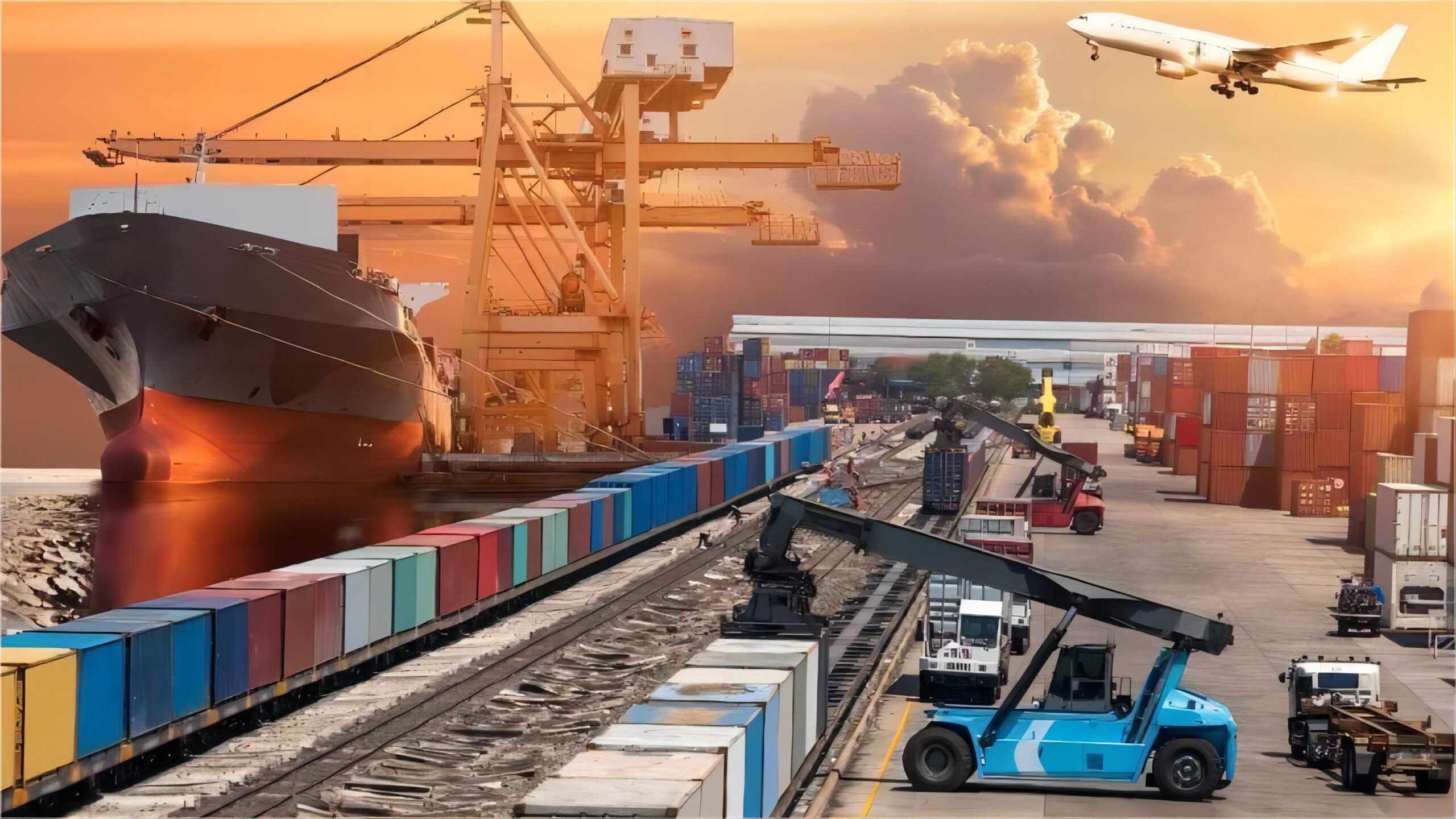
When importing from an Amazon warehouse in China to Australia, businesses primarily choose between sea freight, air freight, and express courier services. Each method offers distinct advantages regarding cost, speed, and cargo capacity. Your decision will largely depend on the urgency, budget, and volume of your shipment.
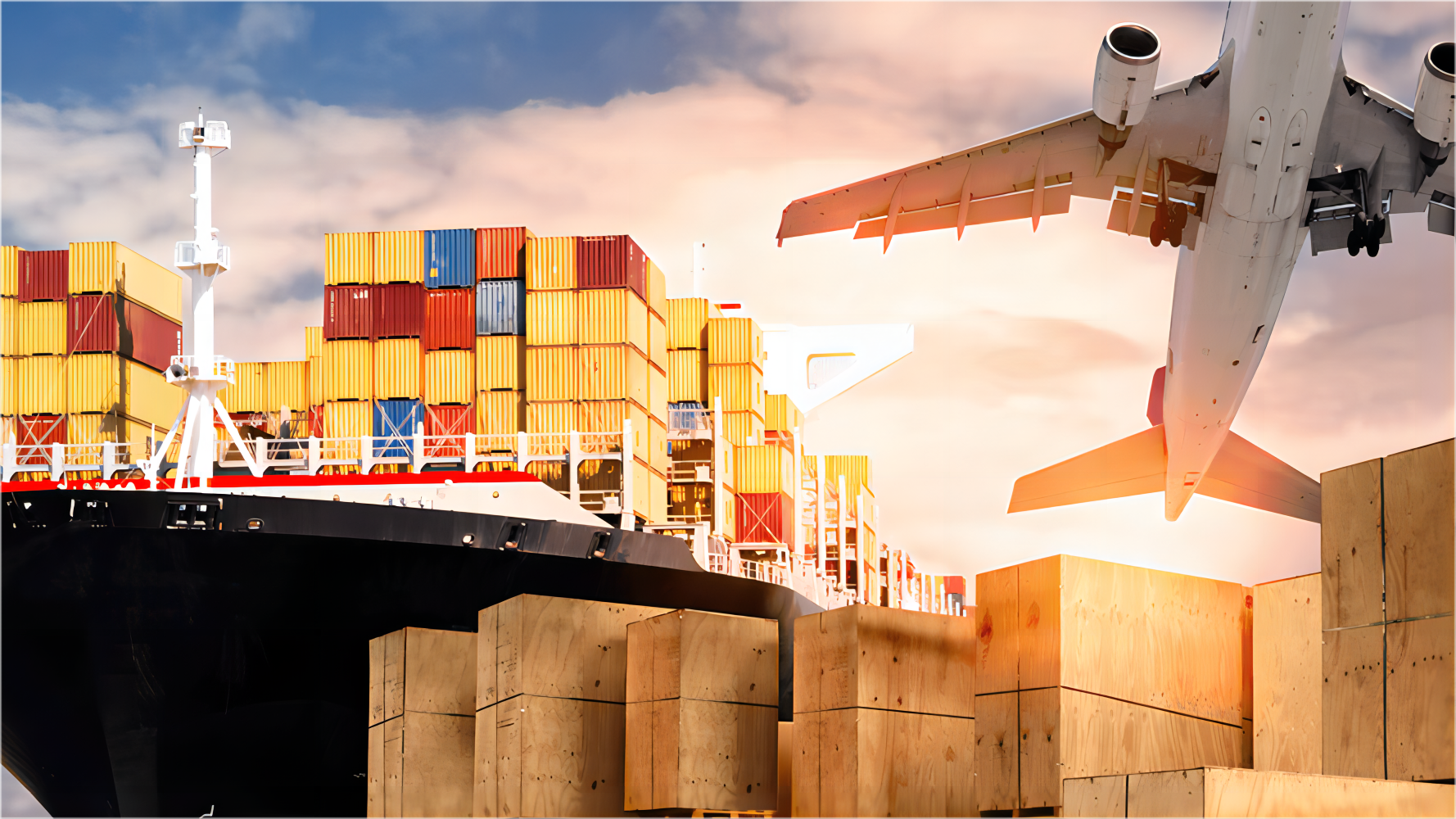
For instance, large volumes or heavy goods are typically more cost-effective via sea freight, while urgent or high-value items often benefit from the speed of air freight. Express services provide a balance of speed and convenience for smaller, time-sensitive parcels. Understanding these options is the first step in optimizing your logistics strategy.
| Shipping Method | Cost Range (per kg/CBM) | Transit Time | Best For | Limitations |
|---|---|---|---|---|
| Sea Freight (LCL/FCL) | $50-80/CBM (LCL), $1,200-2,000 (40HQ) | 12-25 days | Large, heavy, non-urgent shipments | Slower transit, port-to-port focus |
| Air Freight | $4-8/kg | 3-7 days | Urgent, high-value, smaller shipments | High cost, weight/size restrictions |
| Express Courier (DHL, UPS, FedEx) | $8-15/kg | 2-5 days | Small parcels, samples, e-commerce direct | Highest cost, strict size/weight limits |
How Does Amazon FBA Shipping from China to Australia Work?
Shipping directly to Amazon FBA warehouses in Australia involves specific procedures and compliance requirements. First, your products must meet Amazon’s strict packaging, labeling, and documentation standards. Consequently, proper preparation at the origin warehouse in China is paramount to avoid delays.
Moreover, you’ll need a reliable freight forwarder experienced in Amazon FBA logistics. They can manage everything from quality control and labeling to customs clearance and final delivery to Amazon’s distribution centers. This door-to-door service simplifies the process significantly for sellers.
What are the Key Factors Influencing Shipping Costs?
Several critical factors determine the overall shipping costs from an Amazon warehouse in China to Australia. These include the chosen shipping method, the volume and weight of your cargo, and the specific origin and destination ports. Furthermore, market conditions, such as fuel prices and carrier capacity, play a significant role.
Additionally, ancillary charges like terminal handling fees, customs duties, taxes, and insurance contribute to the total landed cost. Therefore, obtaining a detailed quote that itemizes all these expenses is essential for accurate budgeting and cost optimization. Current market rates as of early 2025 show fluctuations.
Navigating Customs Clearance and Australian Import Regulations
Customs clearance is a critical step when importing goods from China to Australia. Australian Border Force (ABF) regulations require accurate documentation, including commercial invoices, packing lists, and bills of lading. Consequently, any discrepancies can lead to significant delays and additional costs.
Moreover, certain products may require specific import permits or undergo quarantine inspections, especially agricultural goods or foodstuffs. Engaging a knowledgeable customs brokerage service is highly recommended. They ensure compliance and expedite the clearance process, preventing unforeseen issues.
Optimizing Transit Times and Delivery Schedules
Minimizing transit time is often a priority for businesses, especially for fast-moving consumer goods or seasonal products. While air freight offers the quickest delivery, sea freight remains a popular choice for its cost-effectiveness, despite longer durations. Planning ahead and choosing the right method are key.
Furthermore, optimizing your delivery schedule involves understanding peak seasons and potential port congestion. For example, Chinese New Year or holiday shopping periods can cause significant delays. Utilizing a freight forwarder with strong local connections can help mitigate these challenges and improve your overall supply chain efficiency.
For urgent smaller shipments, an express service can bridge the gap between air and sea freight, offering faster delivery than standard air cargo but at a higher cost.
Case Studies: Real-World Amazon Warehouse China to Australia Shipments
Examining real-world scenarios provides valuable insights into the complexities and solutions for shipping from an Amazon warehouse in China to Australia. These examples highlight different approaches based on cargo type, urgency, and budget. They showcase how strategic choices impact the overall logistics outcome.
Case Study 1: E-commerce Seller Shipping Apparel to Amazon FBA
This case involves a small e-commerce business importing fashion apparel from a supplier near a China Amazon warehouse to an Amazon FBA center in Sydney. The priority was a balance of cost and reasonable transit time for seasonal inventory.
| Detail | Description |
|---|---|
| Route | Guangzhou, China -> Sydney, Australia |
| Cargo | Apparel (T-shirts, dresses), 12 CBM, 950 kg |
| Container | LCL (Less than Container Load) |
| Shipping Details | Major carrier (e.g., COSCO), Port of Loading: Guangzhou, Port of Discharge: Sydney, Route Type: Direct |
| Cost Breakdown | Ocean Freight: $780, Origin Charges: $250, Destination Charges: $320, Customs & Duties (estimated): $450, Total Landed Cost: $1,800 (Based on Q3 2024 market rates) |
| Timeline | Booking to Loading: 5 days, Sea Transit: 18 days, Customs Clearance: 3 days, Total Door-to-Door: 26 days |
| Key Insight | LCL provided cost efficiency for medium volume. Pre-labeling at origin warehouse saved time and reduced FBA prep fees. |
Case Study 2: Electronics Importer Needing Fast Delivery
An electronics distributor required a quick replenishment of high-demand gadgets for the upcoming holiday season, shipping from Shenzhen to Melbourne. Speed was paramount, justifying a higher freight cost.
| Detail | Description |
|---|---|
| Route | Shenzhen, China -> Melbourne, Australia |
| Cargo | Consumer electronics, 3 CBM, 250 kg |
| Container | Air Cargo (General) |
| Shipping Details | Major airline (e.g., Cathay Cargo), Airport of Origin: Shenzhen (SZX), Airport of Destination: Melbourne (MEL), Route Type: Direct |
| Cost Breakdown | Air Freight: $1,750, Origin Charges: $180, Destination Charges: $220, Customs & Duties (estimated): $300, Total Landed Cost: $2,450 (Typical rates as of early 2025) |
| Timeline | Booking to Loading: 2 days, Air Transit: 4 days, Customs Clearance: 1 day, Total Door-to-Door: 7 days |
| Key Insight | Air freight ensured product availability for peak sales. Pre-cleared customs documentation was crucial for rapid delivery. |
Case Study 3: Large Volume of Home Goods for Retailer
A large retail chain imported a full container of home goods, including furniture and decor, from Shanghai to Brisbane. Cost-effectiveness for the significant volume was the main driver.
| Detail | Description |
|---|---|
| Route | Shanghai, China -> Brisbane, Australia |
| Cargo | Furniture & home decor, 60 CBM, 10,000 kg |
| Container | 40HQ (Full Container Load) |
| Shipping Details | Major carrier (e.g., Maersk), Port of Loading: Shanghai, Port of Discharge: Brisbane, Route Type: Transshipment via Singapore |
| Cost Breakdown | Ocean Freight: $1,850, Origin Charges: $400, Destination Charges: $550, Customs & Duties (estimated): $800, Total Landed Cost: $3,600 (Based on Q4 2024 market rates) |
| Timeline | Booking to Loading: 7 days, Sea Transit: 22 days, Customs Clearance: 4 days, Total Door-to-Door: 33 days |
| Key Insight | FCL offered the lowest unit cost for high volume. Transshipment routes, while slightly longer, can sometimes offer better rates during peak seasons. |
Which Shipping Option Should You Choose for Your Amazon Warehouse China to Australia Shipments?
Selecting the optimal shipping method depends entirely on your specific business needs and priorities. Consider your budget, the urgency of your shipment, and the nature of your cargo. Each choice involves trade-offs that directly impact your supply chain and profitability.
For example, if budget is your top priority, door-to-door sea freight for large volumes is typically the most economical. Conversely, if speed is paramount, air freight or express services are indispensable, despite their higher cost. Evaluating these factors objectively will lead to the best decision.
Budget Priority
If minimizing costs is your primary concern, sea freight, particularly LCL for smaller volumes or FCL for larger shipments, is the most economical choice. However, be prepared for longer transit times. This method is suitable for inventory replenishment that isn’t time-critical. Always consider all-inclusive freight rates.
Speed Priority
For urgent shipments, high-value goods, or time-sensitive product launches, air freight or express courier services are recommended. While more expensive, they drastically reduce transit times. Moreover, this option is ideal for avoiding stockouts or capitalizing on seasonal demand. Ensure proper documentation for rapid customs clearance.
Cargo Type and Volume Thresholds
The nature and quantity of your goods also dictate the best shipping method. Heavy, bulky items (e.g., furniture) are best suited for sea freight. Light, compact, or fragile electronics might benefit more from air freight due to better handling and security. For shipments exceeding 15 CBM, FCL sea freight often becomes more cost-effective than LCL. Conversely, small parcels under 100 kg are usually best sent via express services.
Hybrid Solutions and Cost-Saving Strategies
Consider hybrid solutions like sea-air combinations for a balance of speed and cost, though this is less common for China-Australia. For instance, shipping by sea to a closer hub and then airfreighting to Australia. Additionally, consolidating multiple smaller shipments into one larger LCL cargo can significantly reduce per-unit costs. Always compare direct routes versus transshipment options; while transshipment can add transit days, it sometimes offers lower rates during peak seasons. Negotiating with your freight forwarder for volume discounts can also yield savings.
Mastering Your Amazon Warehouse China to Australia Supply Chain
Successfully managing shipments from an Amazon warehouse in China to Australia requires a deep understanding of logistics, customs, and market dynamics. By carefully selecting the right shipping method, preparing thoroughly for customs, and partnering with an experienced freight forwarder, businesses can achieve efficient and cost-effective operations.
Ultimately, optimizing your supply chain for Amazon warehouse China to Australia routes will enhance your competitive edge and ensure customer satisfaction. Always stay informed about market conditions and regulatory changes to maintain a seamless import process. Note: Freight rates are subject to change based on fuel costs, carrier capacity, and seasonal demand. Contact us for a current quote tailored to your specific shipment.

Get Your Shipping Quote Today
Ready to streamline your Amazon warehouse China to Australia shipping? Contact us today for a personalized consultation and a competitive quote. Our experts are here to guide you through every step of the process, ensuring efficient and cost-effective delivery.
Request Quote