
Amazon Warehouse China to Canada: Your Complete Shipping Guide
Shipping goods from an Amazon warehouse in China to Canada involves complex logistics. Many businesses face challenges with customs, transit times, and freight costs. This comprehensive guide provides solutions to streamline your supply chain and ensure efficient delivery for your Canadian customers. Top China Freight specializes in managing these intricate routes.

Why is Shipping from Amazon Warehouse China to Canada a Key Challenge?
Sending products from an Amazon warehouse in China to Canada presents unique logistical hurdles. Businesses frequently encounter issues related to extensive transit times and fluctuating freight rates. Understanding these complexities is the first step toward a successful supply chain.
Moreover, the sheer volume of goods moving through Amazon’s vast network requires meticulous planning. Navigating international regulations and ensuring timely delivery to Canadian Amazon fulfillment centers demands specialized expertise. This process becomes even more critical for FBA sellers aiming for seamless operations.

Understanding Your Shipping Options from China to Canada
When importing from China to Canada, several shipping methods are available, each with distinct advantages and disadvantages. Choosing the right option depends heavily on your budget, urgency, and cargo characteristics. Considering all factors is essential for optimal decision-making.
For instance, whether you prioritize cost savings or rapid delivery will dictate your choice between sea, air, or express freight. Each mode plays a crucial role in different supply chain scenarios. Therefore, a careful evaluation of each method is paramount.
| Shipping Method | Cost Range (per kg/CBM) | Transit Time (days) | Best For | Limitations |
|---|---|---|---|---|
| Sea Freight (LCL) | $60-$90/CBM | 25-45 | Large, heavy, non-urgent goods | Long transit times |
| Sea Freight (FCL) | $2,500-$6,500/container | 20-35 | Bulk goods, full container loads | Long transit times, port congestion |
| Air Freight | $5-$10/kg | 3-7 | Time-sensitive, high-value, urgent stock | High cost, weight/volume restrictions |
| Express Shipping | $7-$15/kg | 2-5 | Samples, small packages, urgent documents | Very high cost for larger shipments |
Sea Freight (FCL & LCL)
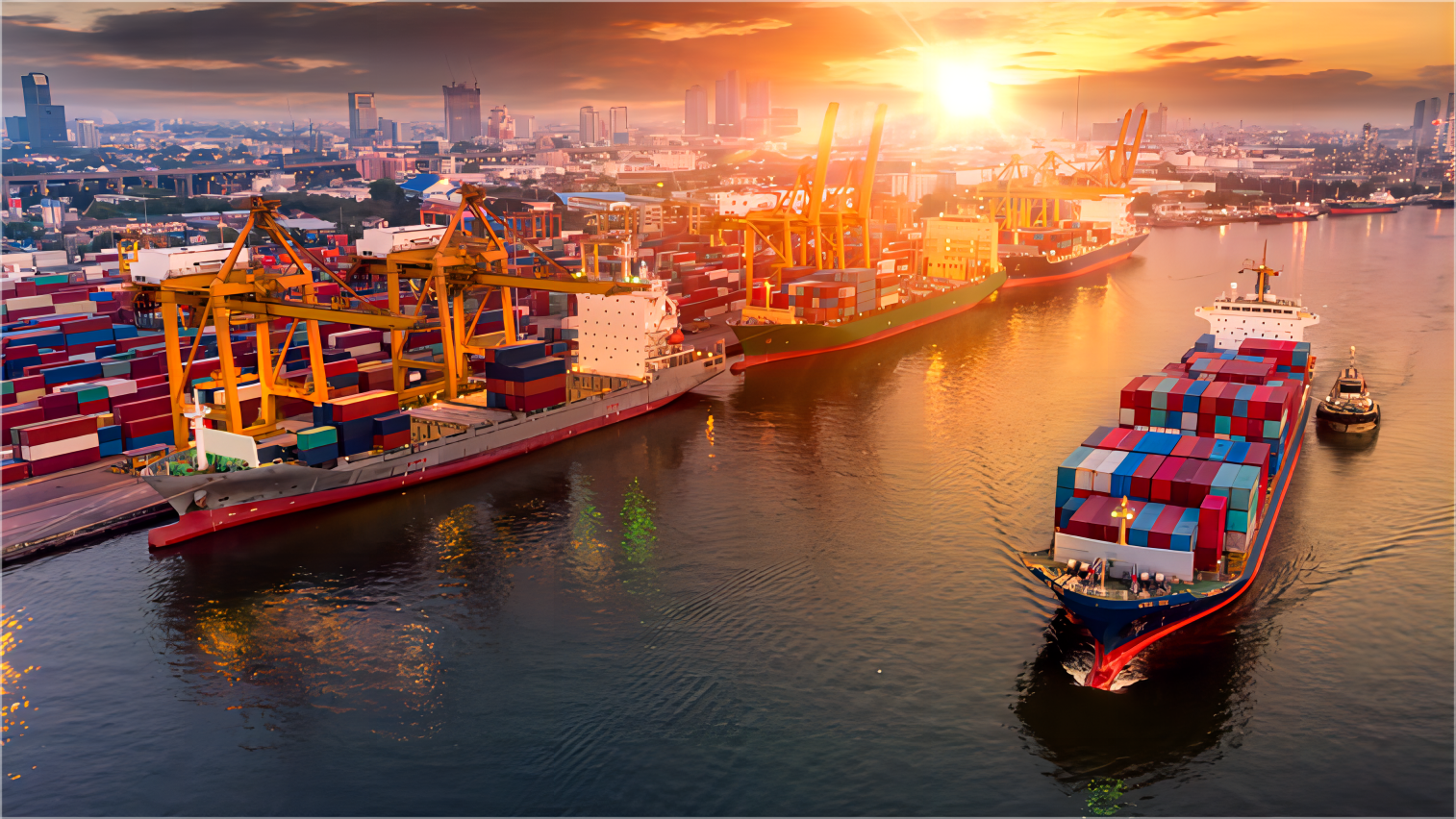
Sea freight remains the most economical option for large or heavy shipments from China to Canada. It is ideal for non-urgent bulk goods and offers significant cost savings per unit. However, transit times are considerably longer compared to air shipping.
Full Container Load (FCL) suits businesses with enough cargo to fill an entire container, offering dedicated space and faster processing. Less than Container Load (LCL) is perfect for smaller volumes, where your goods share container space with others. Learn more about sea freight solutions.
Air Freight
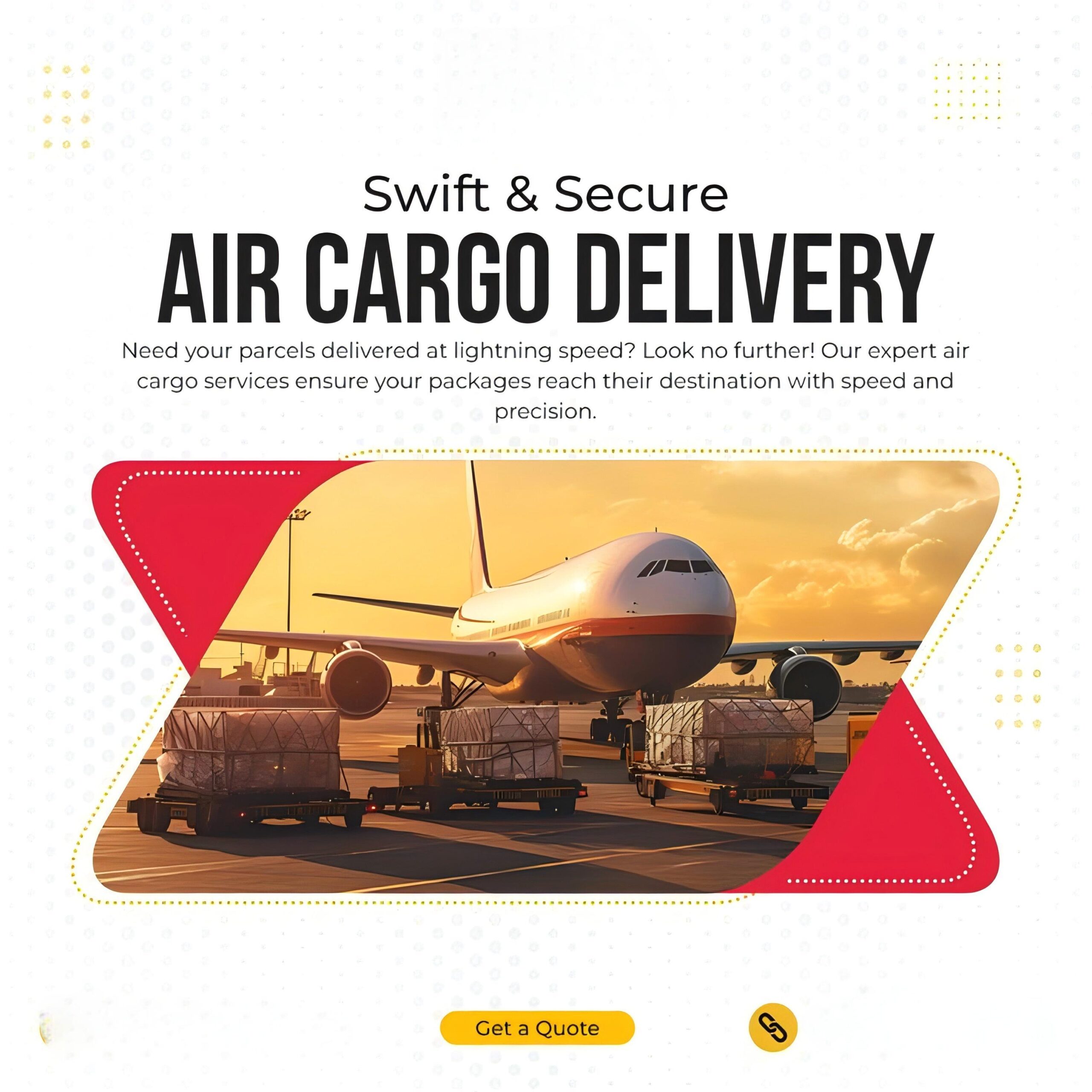
Air freight offers significantly faster transit times, making it suitable for high-value, time-sensitive, or perishable goods. While more expensive than sea freight, it ensures quick delivery to meet urgent market demands or replenish fast-selling inventory. Speed is its primary advantage.
This method is particularly beneficial for products with a short shelf life or for initial stock launches. Despite higher air freight costs, the speed can often justify the investment by reducing inventory holding times and improving cash flow.
Express Shipping
Express services, provided by carriers like DHL, FedEx, and UPS, offer the fastest door-to-door delivery for smaller, lighter packages. They typically handle customs clearance efficiently and provide detailed tracking information. This method is often chosen for samples or urgent small orders.
Although per-kilogram costs are the highest, the convenience and speed are unmatched for specific shipment types. Businesses often utilize express service for critical components or immediate customer orders. Consequently, it supports agile supply chain strategies.
Rail Freight for North American Logistics
While direct rail freight from China to Canada is not a primary route, rail plays a crucial role in North American logistics. Goods often arrive via sea freight at West Coast ports like Vancouver, then transition to rail for onward movement across Canada. This hybrid approach optimizes transit time and cost.
For shipments destined for central or eastern Canada, a sea-rail combination can be more efficient than direct sea freight to East Coast ports. This strategy leverages the speed of rail for inland distribution across North America. Explore options for rail freight as part of your comprehensive logistics plan.
Navigating Customs and Compliance for Canada-Bound Shipments
Importing goods into Canada from an Amazon warehouse in China requires strict adherence to Canadian customs regulations. Proper documentation and classification are essential to avoid delays and penalties. Understanding Canada import duties from China is a critical aspect of planning.
Furthermore, certain products may require specific permits or licenses before entry. Working with experienced customs brokers can significantly streamline this process. They ensure all declarations are accurate and compliant with Canadian Border Services Agency (CBSA) requirements. Our customs brokerage services can assist.
| Document | Purpose | Requirement |
|---|---|---|
| Commercial Invoice | Proof of sale, value declaration | Required for all commercial shipments |
| Packing List | Details cargo content, weight, dimensions | Helps customs verify shipment contents |
| Bill of Lading/Air Waybill | Contract of carriage, title to goods | Essential for tracking and release |
| Certificate of Origin | Identifies country of manufacture | May be required for preferential tariffs |
| Import Permits/Licenses | For controlled goods (e.g., electronics, food) | Specific to product type, obtained beforehand |
Optimizing Your Amazon FBA Logistics from China to Canada
For Amazon FBA sellers, efficient logistics from China to Canada is paramount for maintaining stock levels and customer satisfaction. Adhering to Amazon’s strict packaging, labeling, and delivery appointment requirements is non-negotiable. Proper Amazon FBA prep services in China can prevent costly issues.
Choosing a freight forwarder with specific FBA experience can make a significant difference. They understand the nuances of shipping to Amazon fulfillment centers in Canada, ensuring your inventory arrives prepared and on time. This specialized knowledge directly impacts your seller performance. Consider our dedicated Amazon FBA services.
Real-World Case Studies: Amazon Warehouse China to Canada
Examining actual shipping scenarios provides valuable insights into the complexities and solutions for moving goods from China to Canada. These case studies highlight diverse challenges and successful strategies. They demonstrate the practical application of different shipping methods and logistical planning.
Case Study 1: Consolidating Multiple Suppliers for an FBA Seller
A Canadian Amazon FBA seller needed to ship a variety of electronic accessories from three different suppliers in Shenzhen. The total volume was 12 CBM, making LCL sea freight the most cost-effective choice. Consolidation was performed at our warehouse in Shenzhen.
| Detail | Description |
|---|---|
| Route | Shenzhen, China -> Vancouver, Canada (via rail to Toronto) |
| Cargo | Electronic accessories, 12 CBM, 2,500 kg |
| Container | LCL 12 CBM |
| Shipping Details | Carrier: Major LCL consolidator, Port of Loading: Shenzhen, Port of Discharge: Vancouver, Route Type: Transshipment via rail to Toronto |
| Cost Breakdown | Ocean Freight: $1,100, Origin Charges: $250, Destination Charges (Vancouver): $350, Rail Freight (Vancouver to Toronto): $600, Customs & Duties (estimated): $500, Total Landed Cost: $2,800 |
| Timeline | Booking to Loading: 5 days, Sea Transit: 16 days, Rail Transit: 5 days, Customs Clearance: 3 days, Total Door-to-Door: 29 days |
| Key Insight | Consolidating multiple suppliers into a single LCL shipment significantly reduced overall shipping costs compared to individual express shipments, optimizing the door-to-door supply chain. |
Case Study 2: Urgent Restock of Seasonal Apparel via Air Freight
An online retailer required an urgent restock of popular seasonal apparel for the upcoming winter season in Canada. Their existing stock was depleting faster than anticipated. Speed was the paramount concern to avoid lost sales.
| Detail | Description |
|---|---|
| Route | Shanghai, China -> Toronto, Canada |
| Cargo | Winter apparel, 3 CBM, 450 kg |
| Container | Air Cargo |
| Shipping Details | Carrier: Cathay Pacific Cargo, Port of Loading: Shanghai Pudong (PVG), Port of Discharge: Toronto Pearson (YYZ), Route Type: Direct |
| Cost Breakdown | Air Freight: $3,150 ($7/kg), Origin Charges: $180, Destination Charges: $220, Customs & Duties (estimated): $350, Total Landed Cost: $3,900 |
| Timeline | Booking to Loading: 2 days, Air Transit: 1 day, Customs Clearance: 1 day, Total Door-to-Door: 4 days |
| Key Insight | Despite the higher cost, air freight enabled the retailer to capture peak season sales, preventing significant revenue loss due to stockouts. This decision saved the season. |
Case Study 3: Large Volume Import of Furniture Components (FCL)
A furniture manufacturer in Montreal needed to import a large quantity of knockdown furniture components from their supplier in Ningbo. The volume justified a full 40HQ container. Cost efficiency and reliable delivery were key objectives.
| Detail | Description |
|---|---|
| Route | Ningbo, China -> Montreal, Canada |
| Cargo | Furniture components, 65 CBM, 15,000 kg |
| Container | 40HQ |
| Shipping Details | Carrier: Maersk, Port of Loading: Ningbo, Port of Discharge: Montreal, Route Type: Direct via Panama Canal |
| Cost Breakdown | Ocean Freight: $5,800, Origin Charges: $450, Destination Charges: $600, Customs & Duties (estimated): $1,200, Total Landed Cost: $8,050 |
| Timeline | Booking to Loading: 7 days, Sea Transit: 30 days, Customs Clearance: 4 days, Total Door-to-Door: 41 days |
| Key Insight | Utilizing a 40HQ container provided the best unit cost for this large volume, ensuring a stable supply chain for their manufacturing operations. The direct route minimized transshipment risks. |
Strategies for Reducing Shipping Costs and Transit Times
Optimizing your supply chain from Amazon warehouse China to Canada involves several strategic approaches. Proactive planning and smart selection of shipping methods are crucial. Small adjustments can lead to significant savings in both time and money.
Consider consolidating multiple smaller orders into a single, larger shipment whenever possible. This often reduces the per-unit shipping cost. Furthermore, negotiating freight rates with your forwarder and planning around peak seasons can yield better pricing. Employing these tactics can enhance your profit margins.
Consolidation and Cargo Optimization
Combining several smaller shipments into one larger consignment, especially for LCL sea freight, is highly effective. This reduces administrative fees and leverages economies of scale. Proper packaging and palletization also maximize container space.
Work closely with your freight forwarder to optimize cargo loading. They can advise on the best ways to pack and stack your goods. This ensures you pay for usable space, not wasted air. Therefore, careful planning is essential.
Seasonal Planning and Off-Peak Shipping
Freight rates typically fluctuate based on seasonal demand, with peak seasons (e.g., Q3-Q4 for holiday shopping) seeing higher prices. Planning your shipments during off-peak periods can lead to substantial cost savings. Always anticipate these trends.
Additionally, booking well in advance, even during peak times, can help secure better rates and ensure space availability. Market data suggests rates can increase 15-25% during August-October. Consequently, early booking is a wise strategy.
Leveraging Hybrid Solutions
For a balance between speed and cost, consider hybrid shipping solutions. For example, using sea freight to Canada’s West Coast, then rail for inland distribution, can be faster than all-sea to the East Coast. This ‘sea-rail’ option offers a compelling middle ground.
Similarly, for urgent but large shipments, a ‘sea-air’ combination might involve shipping by sea to a closer hub (e.g., Dubai), then air freight for the final leg. These tailored solutions can address specific supply chain needs effectively. Therefore, flexibility is key.
Which Shipping Option Should You Choose? A Decision Framework
Selecting the optimal shipping method for your Amazon warehouse China to Canada route requires a clear understanding of your priorities. A structured decision framework can guide you towards the most suitable choice. Evaluate your specific needs against available options.
Consider your budget constraints, desired delivery speed, the nature of your cargo, and the volume of goods. Each factor plays a crucial role in determining the most efficient and cost-effective shipping strategy. This framework helps in making informed logistical decisions.
| Priority | Recommended Method(s) | Considerations |
|---|---|---|
| Budget-Driven | Sea Freight (LCL/FCL) | Longer transit time (20-45 days), best for large volumes |
| Speed-Driven | Air Freight / Express Shipping | Higher cost, ideal for urgent or high-value goods (2-7 days) |
| Heavy/Bulky Cargo | Sea Freight (FCL) | Most cost-effective for goods over 2 CBM or 200 kg |
| Small/Light Packages | Express Shipping / Air Freight | Fastest for under 100 kg, higher per-kg cost |
| Seasonal/Time-Sensitive | Air Freight (or Sea-Rail combo) | Balances speed and cost, prevents stockouts |
| Flexible Delivery | Sea Freight (LCL) | Allows for consolidation and planning, cost-efficient for smaller batches |
Conclusion: Mastering Your Amazon Warehouse China to Canada Supply Chain
Successfully navigating the complexities of shipping from an Amazon warehouse in China to Canada requires strategic planning and expert partnership. By understanding your shipping options, managing customs, and optimizing your FBA logistics, you can achieve efficiency and cost-effectiveness. The right freight forwarder is indispensable.
Moreover, leveraging the insights from real-world case studies and employing smart cost-saving strategies will further enhance your operations. Ultimately, a well-managed supply chain ensures timely delivery and supports your business growth in the competitive Canadian market. Partner with experienced professionals to master your Amazon warehouse China to Canada logistics.
Need a tailored shipping solution?
Ready to optimize your Amazon warehouse China to Canada shipping? Contact Top China Freight today for a personalized consultation and a competitive quote. Our experts are prepared to streamline your logistics and ensure smooth delivery to your Canadian destinations. Get a quote now!