
Amazon Warehouse China to Germany: Your Ultimate Shipping Guide
Shipping products from an Amazon warehouse in China to Germany requires careful planning and execution. Consequently, many Amazon sellers face challenges navigating complex logistics, customs regulations, and varying transit times. This comprehensive guide, provided by Top China Freight, offers solutions to streamline your supply chain and ensure smooth deliveries to German FBA warehouses.

Understanding Amazon Warehouse Shipping from China to Germany
For Amazon sellers, shipping inventory from China directly to FBA warehouses in Germany is a critical process. This involves more than just moving goods; it means managing import duties, VAT, and specific Amazon FBA requirements. Furthermore, efficient logistics are essential to avoid stockouts and maintain competitive pricing in the European market.
Evidently, successful Amazon FBA shipping from China to Germany hinges on understanding the entire supply chain. From factory gate to final delivery, every step impacts your bottom line and customer satisfaction. Therefore, partnering with an experienced freight forwarder can significantly simplify these complex operations and ensure timely arrivals.
What Are Your Primary Shipping Options from China to Germany for Amazon FBA?
When considering how to transport goods from China to Germany for Amazon FBA, several methods are available. Each option presents distinct advantages and disadvantages concerning speed, cost, and capacity. Selecting the right mode of transport is crucial for optimizing your delivery schedule and overall logistics trends.
| Shipping Method | Cost Range (per kg) | Transit Time | Best For | Limitations |
|---|---|---|---|---|
| Sea Freight (LCL) | $0.20 – $0.50 | 28-35 days | Large, heavy, non-urgent goods | Slow, susceptible to port delays |
| Air Freight | $4.00 – $8.00+ | 3-7 days | Urgent, high-value, small volume | Expensive, weight/volume restrictions |
| Rail Freight | $1.00 – $2.50 | 15-20 days | Mid-range urgency/volume, balanced cost | Less flexible routes, capacity can be tight |
Sea Freight: Cost-Effective for Bulk Shipments
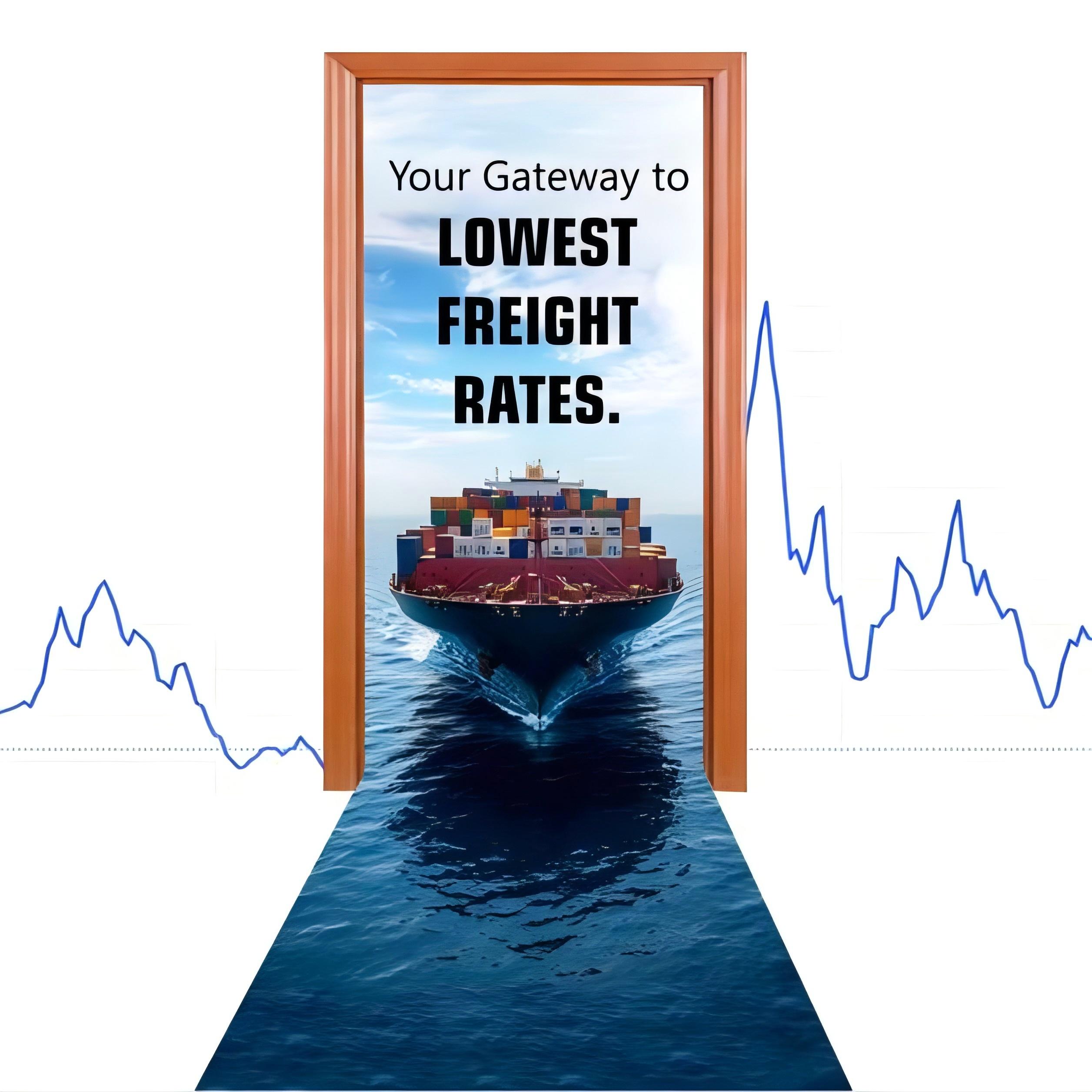
Sea freight remains the most economical option for large or heavy shipments, especially for non-urgent inventory. Typically, transit times range from 28 to 35 days from major Chinese ports to German ports like Hamburg or Bremerhaven. Additionally, it offers significant cost savings per unit, making it ideal for high-volume products.
However, ocean shipping requires longer lead times and careful planning for inventory management. You can choose between Full Container Load (FCL) or Less than Container Load (LCL) depending on your cargo volume. Consider sea freight for bulkier items or when cost is your main priority.
Air Freight: Speed and Reliability for Urgent Deliveries
For time-sensitive products or high-value goods, air freight offers the fastest transit times, usually between 3 to 7 days. This method ensures your products reach Amazon warehouses in Germany quickly, minimizing stockout risks. Consequently, it is an excellent choice for new product launches or urgent restocks.
Nevertheless, air freight comes at a significantly higher cost compared to sea or rail. Freight rates are calculated based on both weight and volumetric weight, so understanding your cargo’s dimensions is important. Opt for air freight when speed is paramount, despite the increased shipping costs.
Rail Freight: A Balanced Option for China to Germany
Rail freight has emerged as a popular middle-ground solution, offering a balance between speed and cost. Typically, shipments via rail take around 15 to 20 days, which is faster than sea freight but more affordable than air freight. This makes it suitable for a wide range of products and inventory cycles.
Operating via the New Silk Road, rail freight provides reliable schedules and reduced carbon footprints. It is particularly effective for shipments to landlocked regions within Europe, including many parts of Germany. Explore rail freight for a good compromise on transit time and shipping costs from China to Germany.
How Does Each Method Compare for Your Amazon Warehouse China to Germany Shipments?
Choosing the ideal shipping method for your Amazon FBA inventory involves evaluating several factors. Your budget priority, required speed, cargo type, and overall volume thresholds will guide this decision. Consequently, a strategic approach can significantly impact your profitability and customer satisfaction.
Furthermore, considering hybrid solutions or combining different methods for various product lines can optimize your logistics. For instance, sending fast-moving items via air and slower inventory via sea freight creates a balanced delivery schedule. This strategy helps manage inventory levels efficiently and reduces overall shipping costs from China to Germany.
Which Option Should You Choose?
Your decision for shipping from China to Germany for Amazon FBA should align with your business objectives. Carefully assess each factor to make an informed choice. This framework helps clarify the trade-offs between cost, speed, and reliability.
Ultimately, the best approach often involves flexibility and adapting to market conditions. For example, during peak seasons, faster but more expensive options might be necessary. Likewise, off-peak periods allow for more cost-effective sea or rail freight.
| Consideration | Recommendation | Why |
|---|---|---|
| Budget Priority | Sea Freight (LCL/FCL) | Lowest cost per unit, ideal for large volumes when time permits |
| Speed Priority | Air Freight / Express Service | Fastest delivery to meet urgent demand or new product launches |
| Cargo Type (e.g., bulky, fragile) | Sea Freight (FCL) / Specialized Handling | Greater protection and capacity for diverse goods |
| Volume Thresholds (e.g., >15 CBM) | FCL Sea Freight | More economical than LCL or air freight for full container loads |
Navigating Customs and Compliance for Germany Amazon FBA Imports
Importing goods into Germany from China for Amazon FBA involves strict customs procedures and regulations. Indeed, proper documentation and compliance are paramount to avoid delays and unexpected costs. Understanding import duties, VAT, and specific German customs requirements is therefore essential.
Every shipment must have accurate commercial invoices, packing lists, and bills of lading or air waybills. Moreover, an EORI number is required for all businesses importing into the EU. Engaging a reliable customs brokerage service is highly advisable to ensure smooth clearance and prevent potential penalties.
Optimizing Your Supply Chain: Key Strategies for Amazon Sellers
Effective supply chain optimization is crucial for maintaining a competitive edge in the Amazon marketplace. This means not only selecting the right shipping method but also managing other logistical elements seamlessly. Consequently, reducing transit time and improving delivery schedule reliability directly impacts your profitability.
For example, utilizing a comprehensive door-to-door service can simplify the entire process. This approach covers everything from factory pickup in China to final delivery at the Amazon warehouse in Germany. It minimizes your involvement and streamlines communication with multiple parties.
Choosing the Right Freight Forwarder
A reputable freight forwarder acts as your logistics partner, managing the complexities of international shipping. They should possess expertise in both China export and Germany import regulations, including Amazon FBA specific requirements. Seek a forwarder with a proven track record for shipping from China to Europe.
Furthermore, a good freight forwarder can offer value-added services such as cargo insurance, warehousing, and consolidation. They often have established relationships with carriers, which can lead to better freight rates and more reliable service. This partnership is vital for efficient Amazon warehouse China to Germany operations.
Amazon FBA Prep and Labeling
Adhering to Amazon’s stringent FBA preparation and labeling guidelines is non-negotiable. Improper packaging or labeling can lead to refusal of goods at the German Amazon warehouse, incurring additional costs and delays. Many freight forwarders offer comprehensive FBA prep services directly from China.
These services include inspection, bundling, poly-bagging, and applying FNSKU labels correctly. Outsourcing this step ensures compliance and saves you valuable time and resources. Ultimately, it prevents potential issues upon arrival at the Amazon fulfillment center.
Inventory Management and Delivery Schedules
Precise inventory management is key to avoiding both overstocking and stockouts. Therefore, align your production schedules in China with your chosen shipping method’s transit times and Amazon’s receiving capabilities. Utilize forecasting tools to predict demand and plan your shipments accordingly.
Maintaining flexible delivery schedules and having contingency plans for unforeseen delays is also wise. This proactive approach helps mitigate risks associated with international logistics trends. Consequently, it supports consistent product availability at your German Amazon warehouse.
Real-World Case Studies: China to Germany Amazon Warehouse Deliveries
Examining real-world scenarios provides practical insights into successful shipping strategies. These examples highlight how different businesses optimize their logistics for Amazon FBA. Each case study demonstrates tailored approaches based on cargo type, volume, and urgency.
Case Study 1: Large Volume, Cost-Effective Sea Freight
This case illustrates how a company successfully managed a large-scale import of home goods.
| Detail | Description | ||||
|---|---|---|---|---|---|
| Route | Ningbo, China -> Hamburg, Germany | ||||
| Cargo | Assorted Home Goods, 28 CBM, 15,000 kg | ||||
| Container | LCL 28 CBM | ||||
| Shipping Details | Major carrier, Port of Loading: Ningbo, Port of Discharge: Hamburg, Route Type: Transshipment via Singapore | ||||
| Cost Breakdown (Based on Q3 2024 market rates) | Ocean Freight: $1,250 | Origin Charges: $350 | Destination Charges: $280 | Customs & Duties (estimated): $1,800 | Total Landed Cost: $3,680 |
| Timeline | Booking to Loading: 7 days | Sea Transit: 32 days | Customs Clearance: 4 days | Total Door-to-Door: 43 days | |
| Key Insight | Optimized LCL consolidation provided significant cost savings for bulk, non-urgent inventory, despite longer transit times. |
Case Study 2: Time-Sensitive Air Freight for New Product Launch
Here, a tech gadget company prioritized speed for a critical product launch.
| Detail | Description | ||||
|---|---|---|---|---|---|
| Route | Shenzhen, China -> Frankfurt, Germany | ||||
| Cargo | New Electronic Gadgets, 1.5 CBM, 250 kg | ||||
| Container | Air Cargo (Volumetric Weight: 300 kg) | ||||
| Shipping Details | Major airline (e.g., Lufthansa Cargo), Airport of Loading: Shenzhen (SZX), Airport of Discharge: Frankfurt (FRA), Route Type: Direct Flight | ||||
| Cost Breakdown (Typical rates as of early 2025) | Air Freight: $1,650 | Origin Charges: $120 | Destination Charges: $80 | Customs & Duties (estimated): $300 | Total Landed Cost: $2,150 |
| Timeline | Booking to Loading: 2 days | Air Transit: 3 days | Customs Clearance: 1 day | Total Door-to-Door: 8 days | |
| Key Insight | Air freight enabled a rapid market entry, capitalizing on early demand despite higher per-unit shipping costs, crucial for a new product launch. |

Case Study 3: Balanced Rail Freight for Regular Inventory
This example demonstrates a consistent, reliable rail solution for a fashion apparel brand.
| Detail | Description | ||||
|---|---|---|---|---|---|
| Route | Chongqing, China -> Duisburg, Germany | ||||
| Cargo | Fashion Apparel, 10 CBM, 3,000 kg | ||||
| Container | LCL 10 CBM | ||||
| Shipping Details | China-Europe Railway Express, Rail Terminal of Loading: Chongqing, Rail Terminal of Discharge: Duisburg, Route Type: Direct Rail | ||||
| Cost Breakdown (Based on Q4 2024 market rates) | Rail Freight: $950 | Origin Charges: $200 | Destination Charges: $150 | Customs & Duties (estimated): $600 | Total Landed Cost: $1,900 |
| Timeline | Booking to Loading: 5 days | Rail Transit: 16 days | Customs Clearance: 3 days | Total Door-to-Door: 24 days | |
| Key Insight | Rail freight provided a reliable and cost-effective middle ground for consistent inventory replenishment, outperforming sea freight on speed and air freight on cost. |
What Are the Current Market Trends and Factors Affecting Freight Rates?
Freight rates from China to Germany, particularly for Amazon warehouse deliveries, are influenced by various global factors. As of Q1 2025, rates have generally stabilized following the significant disruptions in the Red Sea region during 2024. However, unexpected geopolitical events can still introduce volatility.
Furthermore, seasonal patterns play a crucial role; rates typically increase by 15-25% during the August-October peak season leading up to Black Friday and Christmas. Fuel costs, carrier capacity, and port congestion also directly impact overall shipping costs and delivery schedules. Therefore, staying informed about these logistics trends is vital for planning.
Note: Freight rates are subject to change based on fuel costs, carrier capacity, and seasonal demand. Contact us for a current quote tailored to your specific shipment.
Why Choose a Door-to-Door Service for Your Amazon Warehouse Shipments?
Opting for a door-to-door service significantly simplifies the entire shipping process for Amazon sellers. This comprehensive solution handles every stage, from collecting your goods at the supplier’s factory in China to delivering them directly to the designated Amazon warehouse in Germany. Ultimately, it minimizes your administrative burden and coordination efforts.
Moreover, a single point of contact enhances transparency and accountability throughout the journey. This integrated approach reduces the risk of miscommunication and potential delays that often arise from managing multiple logistics providers. Consequently, it offers peace of mind and allows you to focus on your core business operations, optimizing your supply chain efficiency.
Conclusion: Seamless Shipping for Your Amazon Warehouse China to Germany Needs
Navigating the complexities of shipping from an Amazon warehouse in China to Germany requires strategic planning and reliable partners. By understanding the nuances of sea, air, and rail freight, along with critical customs requirements, you can optimize your supply chain. Ultimately, choosing the right freight forwarder is paramount for success.
Indeed, efficient logistics ensure your products arrive at German FBA warehouses on time and within budget. This allows you to maintain consistent inventory, meet customer demand, and grow your Amazon business effectively. Therefore, invest in expert solutions for your China to Germany Amazon warehouse shipping needs.
Start Your Shipment
Ready to optimize your Amazon warehouse China to Germany shipping? Contact Top China Freight today for a personalized quote and expert guidance. We streamline your logistics, ensuring timely and cost-effective delivery to German FBA centers.
Request Quote