

Auto Parts Sea Freight China to Europe: The Complete 2025 Logistics Guide
Managing the complexities of auto parts sea freight china to europe requires a strategic approach to international logistics and supply chain coordination. For many businesses, Top China Freight offers the necessary expertise to streamline the movement of automotive components across global borders. This guide provides a detailed analysis of costs, transit times, and regulatory requirements to help you optimize your shipping strategy from major Chinese ports to European distribution centers.

Why Choose Auto Parts Sea Freight China to Europe?
Ocean transport remains the primary choice for the automotive industry due to its unparalleled capacity for heavy and bulky items. Consequently, manufacturers often rely on this method to move engines, transmissions, and body panels in large volumes. Moreover, the cost-effectiveness of maritime shipping allows businesses to maintain competitive pricing in the European market. Therefore, selecting the right freight strategy is vital for long-term profitability.
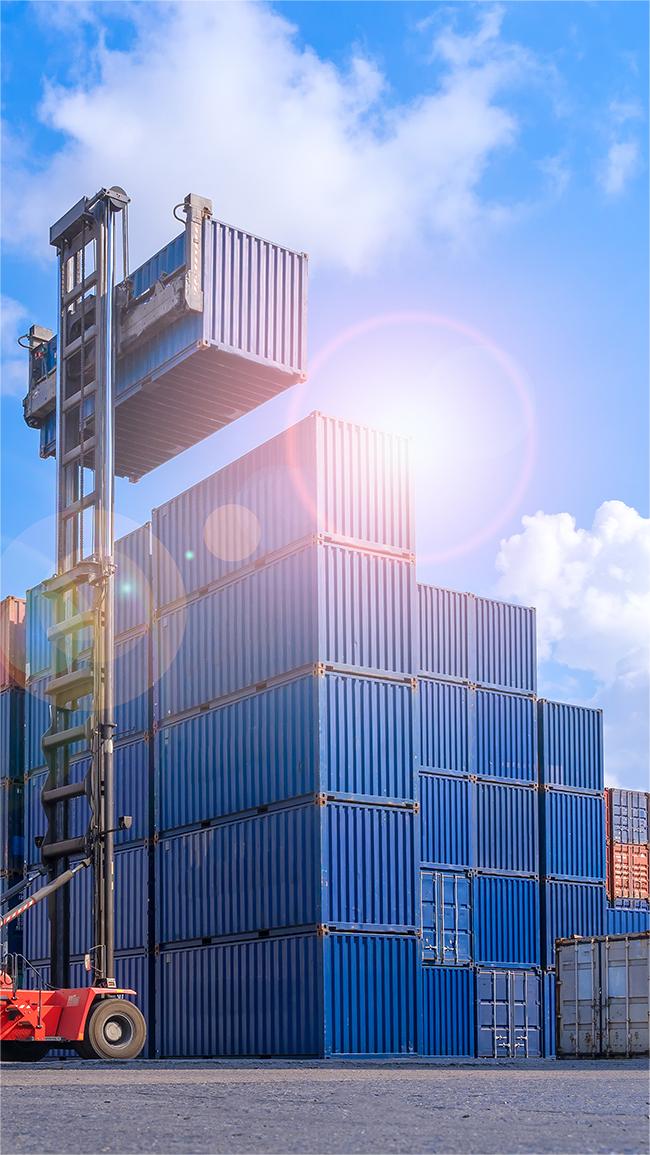
Stability in the supply chain is another significant advantage of choosing sea routes. While air freight offers speed, it often lacks the consistency required for massive inventory replenishments. Additionally, modern container ships provide advanced tracking technologies that allow importers to monitor their cargo in real-time. As a result, companies can better predict arrival dates and manage their warehouse staffing accordingly.
Choosing sea freight ensures that you can transport hazardous materials, such as lithium-ion batteries or specialized lubricants, which are often restricted on aircraft. Furthermore, the environmental impact per ton of cargo is significantly lower when compared to air transport. Indeed, many European corporations now prioritize sea shipping to meet their corporate sustainability goals. Without a doubt, this method provides the best balance between volume, cost, and safety.
How Does Auto Parts Sea Freight China to Europe Compare to Other Shipping Options?
Evaluating different transport modes is essential for determining the most efficient route for your specific cargo. While sea freight is the most economical, other options like rail or air might be necessary depending on your deadline. For example, urgent replacement parts for a production line might require the speed of air transport despite the higher costs. In contrast, routine stock refills are better suited for the ocean.
Rail freight has emerged as a popular middle ground for shipments between China and the European continent. Specifically, rail freight offers faster transit times than the sea while remaining more affordable than air. However, capacity on rail lines can be limited during peak seasons, leading to potential bottlenecks. Consequently, businesses must weigh the speed of rail against the massive volume capacity of ocean vessels.
Hybrid solutions, such as sea-air combinations, can also provide a strategic advantage for certain shipments. For instance, cargo can be shipped by sea to a hub like Dubai and then flown to Europe to save time. Nevertheless, for the majority of automotive aftermarket parts, direct sea shipping remains the gold standard for cost management. To summarize, the best choice depends on your budget, urgency, and the total volume of the parts being moved.
| Shipping Method | Cost Range | Transit Time | Best For | Limitations |
|---|---|---|---|---|
| Sea Freight | $2,000 – $4,500 | 30 – 45 Days | Bulk orders, heavy parts | Longest transit time |
| Rail Freight | $4,000 – $7,000 | 15 – 22 Days | Mid-size shipments | Limited rail capacity |
| Air Freight | $15,000 – $30,000 | 3 – 7 Days | Urgent/High-value | Very high cost |
| Sea-Air Hybrid | $8,000 – $12,000 | 15 – 20 Days | Balanced priority | Complex logistics |
Understanding Transit Times for Automotive Components
Transit times from China to Europe vary significantly based on the specific port of loading and the final destination in the EU. For example, shipments from Shanghai to Rotterdam typically take between 30 and 35 days under normal conditions. On the other hand, routes to Mediterranean ports like Genoa might be slightly shorter. Therefore, understanding the geography of your supply chain is crucial for accurate planning.
Weather conditions and seasonal demand often impact the reliability of delivery schedules. During the peak season from August to October, port congestion can add several days to the total journey. Additionally, unexpected events in major maritime corridors, such as the Suez Canal, can cause significant delays. Consequently, experienced importers always build a buffer of 5 to 10 days into their delivery estimates.
Direct routes are generally preferred for auto parts to minimize the risk of damage during transshipment. Although transshipment through hubs like Singapore can sometimes reduce costs, it often increases the total transit time. Furthermore, every time a container is handled, the potential for logistical errors rises. Accordingly, choosing a direct service is often the most reliable way to ensure your parts arrive on schedule.
| Origin Port | Destination Port | Average Transit | Route Type |
|---|---|---|---|
| Ningbo | Rotterdam | 32 Days | Direct |
| Shenzhen | Hamburg | 34 Days | Direct |
| Shanghai | Felixstowe | 38 Days | Transshipment |
| Qingdao | Antwerp | 36 Days | Direct |
Navigating Customs and Documentation for Auto Parts
Clearance procedures in Europe are stringent, particularly regarding the safety and compliance of automotive components. Specifically, many parts must meet E-mark certification or other regulatory standards to be legally sold within the EU. Therefore, utilizing a professional customs brokerage service is highly recommended to avoid costly delays. Moreover, incorrect documentation can lead to the seizure of goods or heavy fines.
Required paperwork typically includes the commercial invoice, packing list, and bill of lading. Additionally, a certificate of origin may be necessary to benefit from specific trade agreements or to verify the source of the parts. In contrast, failing to provide a detailed description of the goods can result in an intensive inspection by customs officers. Consequently, accuracy in your paperwork is the most effective way to ensure a smooth transition through the port.
Import duties and Value Added Tax (VAT) represent a significant portion of the total landed cost. Because different types of auto parts fall under various HS codes, the duty rates can fluctuate significantly. For instance, electronic components might have different tariffs than mechanical engine parts. Indeed, consulting with a logistics expert before shipping can help you accurately calculate these expenses and avoid financial surprises.
FCL vs. LCL: Which is Best for Your Auto Parts?
Deciding between Full Container Load (FCL) and Less than Container Load (LCL) depends largely on your shipment volume. For large orders of heavy components, FCL is usually the most efficient choice because you pay a flat rate for the entire container. Furthermore, FCL shipments are generally safer as the container remains sealed from the point of origin to the destination. As a result, the risk of damage from handling other people’s cargo is eliminated.
Smaller businesses often find LCL more suitable for their needs when shipping to Europe from China. This method allows you to share container space with other importers, paying only for the volume you actually use. However, LCL shipments often take longer because the freight forwarder must consolidate and de-consolidate the cargo. Therefore, you must balance the cost savings of LCL against the slightly longer transit times.
Logistics experts recommend switching from LCL to FCL once your shipment volume exceeds 15 cubic meters. At this threshold, the cost of a 20-foot container often becomes comparable to the per-cubic-meter rate of LCL. Additionally, FCL offers more flexibility in terms of loading and unloading schedules at your own warehouse. Without a doubt, analyzing your monthly shipping volumes will help you determine the most economical strategy for your business.
Cost-Saving Strategies for Automotive Logistics
Reducing expenses in your supply chain requires a proactive approach to carrier negotiations and route optimization. For example, booking your shipment at least 3 to 4 weeks in advance can help you secure lower freight rates. Additionally, consolidating multiple small orders into a single large shipment can significantly reduce per-unit costs. Consequently, effective inventory management directly correlates with lower logistics spending.
Utilizing door to door services can also simplify your operations and potentially reduce hidden fees. By having a single provider manage the entire journey, you eliminate the need to coordinate between multiple local truckers and port agents. Moreover, these comprehensive services often include insurance and basic customs handling in their package. Indeed, the convenience of a streamlined process often outweighs the minor premium charged for integrated logistics.
Negotiating with multiple freight forwarders allows you to compare quotes and leverage market competition. However, you should not choose a partner based on price alone, as service reliability is equally important. For instance, a cheaper carrier might have a higher rate of rolled cargo or frequent delays. Therefore, it is essential to partner with a forwarder that has a proven track record in the automotive sector. Ultimately, the goal is to find a balance between competitive pricing and dependable delivery.
Real-World Case Studies for Auto Parts Sea Freight China to Europe
Examining real-world examples provides valuable insight into the practical challenges and successes of international shipping. These cases reflect actual market conditions from late 2024 and early 2025. By reviewing these scenarios, you can better understand the timeline and cost structures involved in moving automotive goods across the globe.
Case Study 1: Large Scale Engine Component Distribution Route: Ningbo, China to Rotterdam, Netherlands Cargo: Aluminum cylinder heads, 65 CBM, 18,000 kg Container: 40HQ Full Container Load Shipping Details: – Carrier: COSCO Shipping – Port of Loading: Ningbo-Zhoushan – Port of Discharge: Rotterdam – Route Type: Direct Cost Breakdown (Q4 2024 Rates): – Ocean Freight: $3,450 – Origin Charges: $450 – Destination Charges: $550 – Customs & Duties (est): $1,200 – Total Landed Cost: $5,650 Timeline: – Booking to Loading: 5 days – Sea Transit: 31 days – Customs Clearance: 2 days – Total Door-to-Door: 38 days Key Insight: Booking 3 weeks early secured a rate 15% below the peak season average.
Case Study 2: Aftermarket Brake Component Logistics Route: Shenzhen, China to Hamburg, Germany Cargo: Brake pads and rotors, 8 CBM, 3,200 kg Container: LCL (Less than Container Load) Shipping Details: – Carrier: Major Consolidation Service – Port of Loading: Yantian (Shenzhen) – Port of Discharge: Hamburg – Route Type: Transshipment via Singapore Cost Breakdown (Early 2025 Rates): – Ocean Freight (LCL): $720 ($90/CBM) – Origin Charges: $280 – Destination Charges: $410 – Customs & Duties (est): $650 – Total Landed Cost: $2,060 Timeline: – Booking to Loading: 7 days – Sea Transit: 42 days – Customs Clearance: 3 days – Total Door-to-Door: 52 days Key Insight: LCL was significantly cheaper than a 20GP for this volume, despite the longer transit.
Note: Freight rates are subject to change based on fuel costs, carrier capacity, and seasonal demand. Contact us for a current quote tailored to your specific shipment.
Which Option Should You Choose for Your Auto Parts?
Selecting the ideal shipping method requires a careful evaluation of your business priorities and cargo characteristics. If your primary goal is to minimize expenditure, sea freight is the clear winner for almost all automotive components. However, if you are launching a new product and need to hit a strict market deadline, rail freight might offer the necessary speed. Furthermore, high-value electronics or critical repair parts often justify the expense of air freight.
Volume thresholds play a critical role in the decision-making process. For shipments under 10-12 CBM, LCL is generally the most economical path. In contrast, once you reach 15 CBM, a 20GP container becomes more cost-effective and provides better security. Additionally, for very large items like car frames or heavy machinery, specialized equipment like flat racks or open-top containers may be required. Consequently, you must consult with your forwarder to ensure the correct equipment is used.
Ultimately, the most successful importers use a mix of shipping methods to maintain a flexible supply chain. By using sea freight for 80% of your stock and keeping 20% in transit via rail or air, you can protect your business against unexpected spikes in demand. To summarize, a balanced approach allows you to optimize costs while ensuring that you never run out of critical inventory. Without a doubt, planning for diversity in your transport modes is a hallmark of professional logistics management.
Mastering Auto Parts Sea Freight China to Europe
Successfully navigating the world of auto parts sea freight china to europe requires a combination of strategic planning, accurate documentation, and the right logistics partnership. By understanding the differences between FCL and LCL, and monitoring transit times, businesses can significantly reduce their overhead while improving delivery reliability. Furthermore, staying informed about current market trends and customs regulations ensures that your shipments remain compliant and cost-effective.
Top China Freight is committed to providing the expertise and support needed to manage your automotive logistics from start to finish. Whether you are shipping bulk components or specialized aftermarket parts, our team offers tailored solutions to meet your unique needs. As the global automotive market continues to evolve, having a dependable freight strategy will be your greatest competitive advantage in the European market.
Ready to streamline your logistics?
Ready to optimize your automotive supply chain? Contact Top China Freight today for a customized quote on auto parts sea freight china to europe and experience seamless logistics. Send Inquiry
Request Quote