
Bags Air Freight from China: Your Ultimate Shipping Guide
Navigating international logistics, especially for products like bags, can be complex. When speed is paramount, Top China Freight offers robust solutions. This guide details everything you need to know about bags air freight from China, ensuring your shipments arrive efficiently.
What is Air Freight from China for Bags?
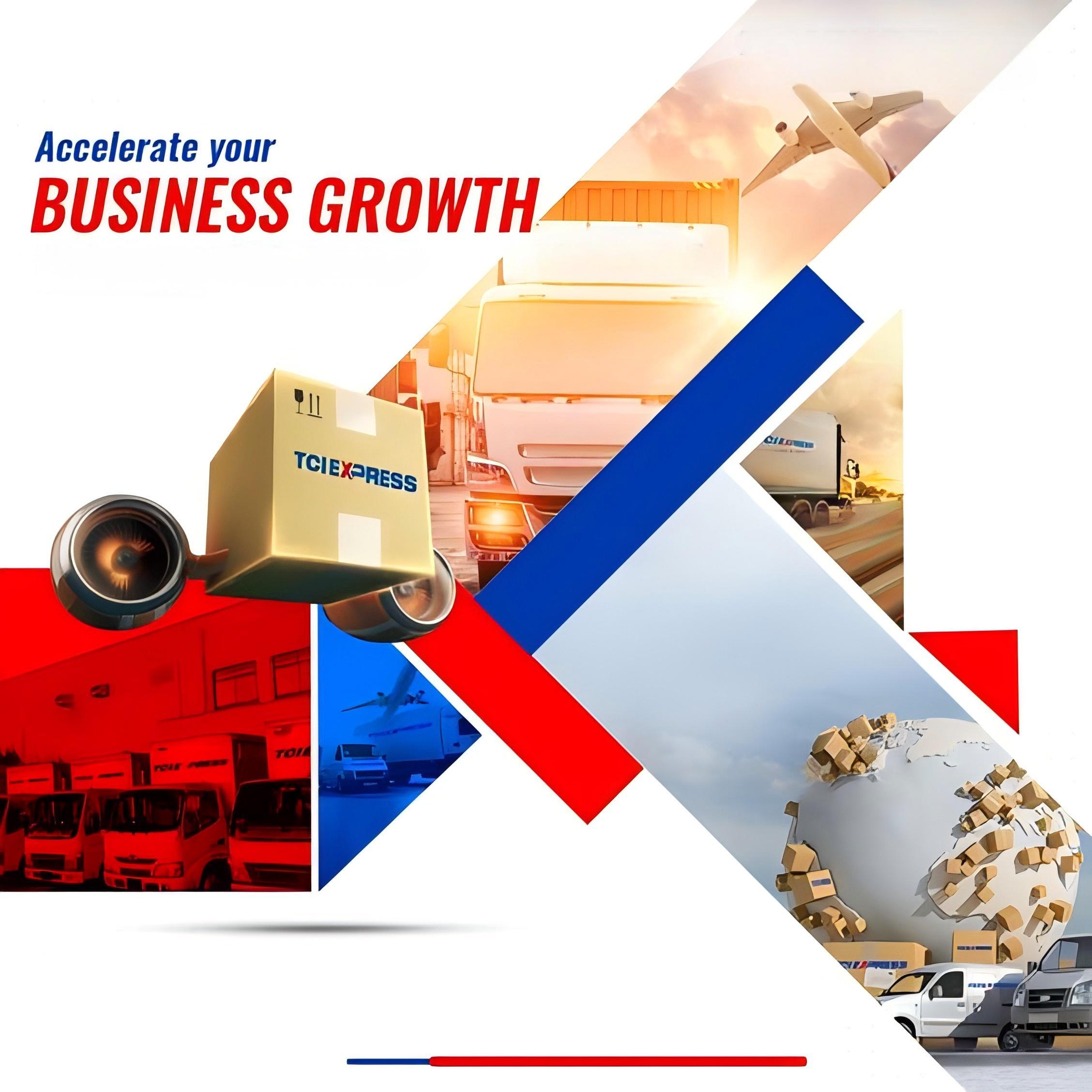
Air freight involves transporting goods by air cargo carrier. It is undeniably the fastest method for international shipping. Therefore, many businesses choose it for time-sensitive deliveries.
For bags air freight from China, this means your products can reach their destination globally in a matter of days. Consequently, it drastically reduces transit times compared to sea or rail options. This speed is crucial for fast-moving inventory.
Typically, air freight is preferred for high-value goods, urgent shipments, or smaller volume cargo. It ensures quick market entry and can significantly boost your supply chain responsiveness. Furthermore, it helps maintain customer satisfaction.
Why Choose Air Freight for Shipping Bags from China?
Several compelling reasons drive businesses to opt for air freight. Firstly, speed is the primary advantage. Your bags can be delivered across continents in just a few days, not weeks.
Moreover, air cargo offers enhanced security for your goods. Airports have stringent security measures, minimizing risks of theft or damage. Therefore, this provides greater peace of mind for valuable bag shipments.
Furthermore, air freight provides superior reliability and predictable delivery schedules. This consistency is vital for inventory management and meeting tight deadlines. Consequently, it helps avoid costly delays.
Finally, air freight allows for greater flexibility in terms of routes and destinations. With extensive global networks, you can reach virtually any major city worldwide. This broad reach is a significant benefit for expanding businesses.
How Does Bags Air Freight from China Work?
The process of air freighting bags from China involves several key steps. Understanding these stages is crucial for smooth international shipping operations. Initially, you will need to prepare your goods for shipment.
First, proper packaging is essential to protect your bags during transit. They must be securely packed to withstand handling and varying atmospheric pressures. Subsequently, documentation preparation is critical.
You will need commercial invoices, packing lists, and potentially certificates of origin. Your freight forwarder, like air freight services, will guide you through this. Indeed, accurate paperwork prevents customs delays.
After preparation, your bags are transported to the airport of origin in China. Here, they undergo security checks and consolidation with other cargo. Eventually, the shipment is loaded onto the aircraft.
Upon arrival at the destination airport, customs clearance procedures begin. This step requires precise documentation and adherence to import regulations. Following clearance, your bags are ready for final delivery. Many prefer door to door service for ultimate convenience.
Understanding Air Freight Costs for Bags from China
Calculating the cost of bags air freight from China involves several factors. These include the weight and volume of your shipment, the destination, and current fuel surcharges. Naturally, heavier or larger shipments incur higher costs.
Additionally, the urgency of your shipment can influence pricing. Express services, for example, typically cost more than standard air cargo. Therefore, planning ahead can sometimes offer cost savings.
Other charges may include terminal handling fees, customs clearance fees, and insurance. It is always wise to get a detailed quote that itemizes all potential expenses. This ensures transparency in your logistics planning.
Market conditions, such as peak seasons or global events, also impact freight rates. For instance, rates often increase during holidays like Chinese New Year. Consequently, understanding these fluctuations is vital for budgeting.
| Cost Factor | Description | Impact on Price |
|---|---|---|
| Chargeable Weight | Greater of actual weight or volumetric weight | Directly proportional to cost |
| Destination Airport | Distance and specific airport handling fees | Varies significantly by region |
| Fuel Surcharges | Fluctuating costs based on aviation fuel prices | Can change weekly/monthly |
| Security Surcharges | Costs for enhanced security screening | Standard fee per shipment |
| Customs & Duties | Import taxes and clearance fees at destination | Dependent on product value and country |
| Insurance | Protection against loss or damage during transit | Percentage of cargo value |

How Does Bags Air Freight Compare to Other Shipping Options?
When importing bags from China, air freight is one option among several. Comparing it to sea freight, rail freight, and express services reveals distinct advantages and disadvantages. Your choice ultimately depends on your priorities, such as speed, cost, and cargo volume.
Sea freight is generally the most economical for large, non-urgent shipments. However, transit times can range from 20 to 40 days. Conversely, air freight delivers in 3-7 days but at a higher cost.
Rail freight, primarily for shipments to Europe, offers a middle ground in terms of speed and cost. It is faster than sea freight but slower than air, typically taking 15-25 days. Nevertheless, it’s not applicable for all destinations like Australia.
Express services are the fastest, often delivering within 1-3 days. This premium service, like express shipping, is ideal for very small, urgent parcels. However, it’s usually the most expensive per kilogram.
Considering these alternatives helps businesses make informed decisions. Each method serves a different logistical need. Therefore, a strategic approach to your supply chain is essential.
| Shipping Method | Cost Range (per kg/CBM) | Transit Time (China to Global) | Best For | Limitations |
|---|---|---|---|---|
| Air Freight | High (e.g., $4-8/kg) | 3-7 days | Urgent, high-value, smaller shipments | Most expensive, volumetric weight rules |
| Sea Freight (FCL/LCL) | Low (e.g., $0.5-1.5/kg or $50-80/CBM) | 20-40 days | Large volume, non-urgent, heavy cargo | Slow, port congestion risks |
| Rail Freight (to Europe) | Medium (e.g., $2-4/kg) | 15-25 days | Mid-size, moderately urgent, Europe-bound | Limited routes, less flexible |
| Express Service | Very High (e.g., $7-15/kg) | 1-3 days | Small parcels, samples, extremely urgent | Very expensive for larger weights |

Which Option Should You Choose?
Your decision for shipping bags from China should align with your business objectives. Budget, speed, and cargo type are critical considerations. Each method offers unique trade-offs.
If budget is your top priority for large volumes, sea freight is typically the most cost-effective. However, be prepared for longer transit times.
For speed priority and high-value or urgent shipments, air freight is the clear winner. This ensures rapid market response and minimizes inventory holding costs.
When shipping to Europe, if you need a balance of cost and speed for moderate volumes, rail freight is an excellent alternative. It bridges the gap between sea and air.
Finally, for very small, time-critical samples or documents, express service is unmatched. It provides ultimate speed and convenience, albeit at a premium price point.
Optimizing Your Air Freight Strategy for Bags
To maximize efficiency and cost-effectiveness for bags air freight from China, consider several optimization strategies. Strategic planning can significantly impact your bottom line. Indeed, every detail matters.
Firstly, focus on accurate packaging and labeling. Proper dimensions and clear labels prevent delays and potential surcharges. This attention to detail streamlines cargo handling processes.
Moreover, consider cargo consolidation. If you have multiple small shipments, combining them into one larger air freight shipment can reduce per-unit costs. This is often handled by your freight forwarder.
Furthermore, work closely with a reliable freight forwarder. An experienced partner can navigate complex customs regulations and optimize routes. They can also offer valuable insights into logistics trends and potential cost savings.
Finally, always plan for customs brokerage in advance. Engaging a professional for customs brokerage ensures smooth clearance. This proactive approach minimizes unforeseen delays and associated costs at the destination.
Real-World Scenarios: Bags Air Freight from China
Examining actual case studies provides practical insights into bags air freight from China. These examples illustrate how different factors influence shipping outcomes. They also highlight common challenges and solutions.
Based on Q3 2024 market rates, air freight remains a popular choice for fast fashion and seasonal goods. Understanding these scenarios can help you prepare for your own imports. Therefore, careful consideration is advised.
Case Study 1: Luxury Handbags to North America
| Detail | Description |
|---|---|
| Route | Shanghai, China -> Los Angeles, USA |
| Cargo | Luxury Leather Handbags, 2.5 CBM, 450 kg |
| Container | LCL 2.5 CBM (Air Cargo Pallet) |
| Shipping Details | |
| – Carrier/Service | Major Air Cargo Carrier (e.g., Cathay Pacific Cargo) |
| – Airport of Loading | PVG (Shanghai Pudong International Airport) |
| – Airport of Discharge | LAX (Los Angeles International Airport) |
| – Route Type | Direct Flight |
| Cost Breakdown (Estimated Q3 2024) | |
| – Air Freight (chargeable weight) | $3,600 (approx. $8/kg for 450kg) |
| – Origin Charges (THC, documentation) | $180 |
| – Destination Charges (Handling, clearance) | $250 |
| – Customs & Duties (estimated) | $700 (based on 10% duty on $7000 value) |
| – Total Landed Cost | $4,730 |
| Timeline | |
| – Booking to Loading | 2 days |
| – Air Transit | 1 day |
| – Customs Clearance | 1 day |
| – Total Door-to-Door | 4-5 days (including pickup/delivery) |
| Key Insight | Speed was critical for a new collection launch. The direct flight minimized transit time, but the cost per kg was significant. Shipping to North America often prioritizes speed for high-value fashion items. |
Case Study 2: Backpacks for European Retailer
| Detail | Description |
|---|---|
| Route | Guangzhou, China -> Frankfurt, Germany |
| Cargo | School Backpacks, 5 CBM, 750 kg |
| Container | LCL 5 CBM (Air Cargo Pallet) |
| Shipping Details | |
| – Carrier/Service | Major Air Cargo Carrier (e.g., Lufthansa Cargo) |
| – Airport of Loading | CAN (Guangzhou Baiyun International Airport) |
| – Airport of Discharge | FRA (Frankfurt Airport) |
| – Route Type | Direct Flight |
| Cost Breakdown (Estimated Q3 2024) | |
| – Air Freight (chargeable weight) | $4,500 (approx. $6/kg for 750kg) |
| – Origin Charges (THC, documentation) | $220 |
| – Destination Charges (Handling, clearance) | $300 |
| – Customs & Duties (estimated) | $1,000 (based on 15% duty on $6500 value) |
| – Total Landed Cost | $6,020 |
| Timeline | |
| – Booking to Loading | 3 days |
| – Air Transit | 2 days |
| – Customs Clearance | 1-2 days |
| – Total Door-to-Door | 6-7 days |
| Key Insight | This shipment required a balance of speed and cost for a seasonal back-to-school launch. Air freight to Europe was chosen over sea freight to meet retail deadlines, accepting a higher freight rate for market timing. Note: Freight rates are subject to change based on fuel costs, carrier capacity, and seasonal demand. Contact us for a current quote tailored to your specific shipment. |
Conclusion: Master Your Bags Air Freight from China
Ultimately, choosing bags air freight from China offers significant advantages for businesses prioritizing speed and reliability. While it presents a higher cost compared to sea freight, the reduced transit times and enhanced security often justify the investment. This is particularly true for high-value or time-sensitive goods.
By understanding the process, optimizing your strategy, and partnering with a reputable freight forwarder, you can effectively manage your imports. Thus, you ensure your bags reach their destination efficiently and safely. A well-executed air freight plan is a cornerstone of a responsive supply chain.
Ready to streamline your logistics?
Ready to streamline your bags air freight from China? Do not hesitate to contact Top China Freight today. Request a personalized quote and discover how our expert logistics solutions can benefit your business. Let us help you achieve faster, more reliable deliveries.
Request Quote