
Bags Freight China to Europe: Your Ultimate Shipping Guide
Navigating the complexities of bags freight from China to Europe can be a daunting task for businesses. From understanding diverse shipping methods to managing customs regulations, a reliable logistics partner is essential. This comprehensive guide, brought to you by Top China Freight, explores everything needed for efficient shipping.
Understanding Bags Freight China to Europe
Shipping bags from China to Europe involves various considerations. Therefore, understanding logistics is paramount for successful international trade. Businesses must plan carefully to avoid delays and unexpected costs.
This route covers a vast distance, impacting transit times and available shipping modes. Consequently, choosing the right strategy directly affects your supply chain efficiency.
What Types of Bags are Shipped?
A wide array of bags is transported from China to Europe. This includes fashion accessories like handbags, wallets, and luggage. Moreover, industrial bags such as bulk sacks are also frequently shipped.
Furthermore, specialty bags like sports bags, backpacks, and promotional items constitute significant freight. Each type might necessitate specific handling or packaging, requiring proper classification.
Key Considerations for Your Shipment
Several factors influence the optimal shipping solution. Primarily, cargo volume and weight determine container utilization. Additionally, the urgency of delivery dictates method selection.
Budget constraints are another critical consideration for bags freight from China to Europe. Naturally, higher speed usually translates to higher costs. Lastly, the specific European destination port also plays a role in route planning.
Choosing the Right Shipping Method for Bags to Europe
Selecting an appropriate shipping method is crucial for bags freight from China to Europe. Various options cater to different needs, balancing speed, cost, and capacity. Consequently, informed decisions lead to optimized logistics.
Each method presents unique advantages and limitations. Therefore, a thorough evaluation of your specific requirements is highly recommended. This section outlines the primary choices available for cargo handling.
| Shipping Method | Cost-Effectiveness | Transit Time | Best For |
|---|---|---|---|
| Sea Freight | Low | 28-40 days | Large volumes, non-urgent |
| Rail Freight | Medium | 18-25 days | Balanced speed/cost, regular shipments |
| Air Freight | High | 5-10 days | Urgent, high-value, smaller shipments |
| Express Service | Very High | 2-5 days | Samples, small packages, extremely urgent |
Sea Freight: Cost-Effective for Bulk Bags
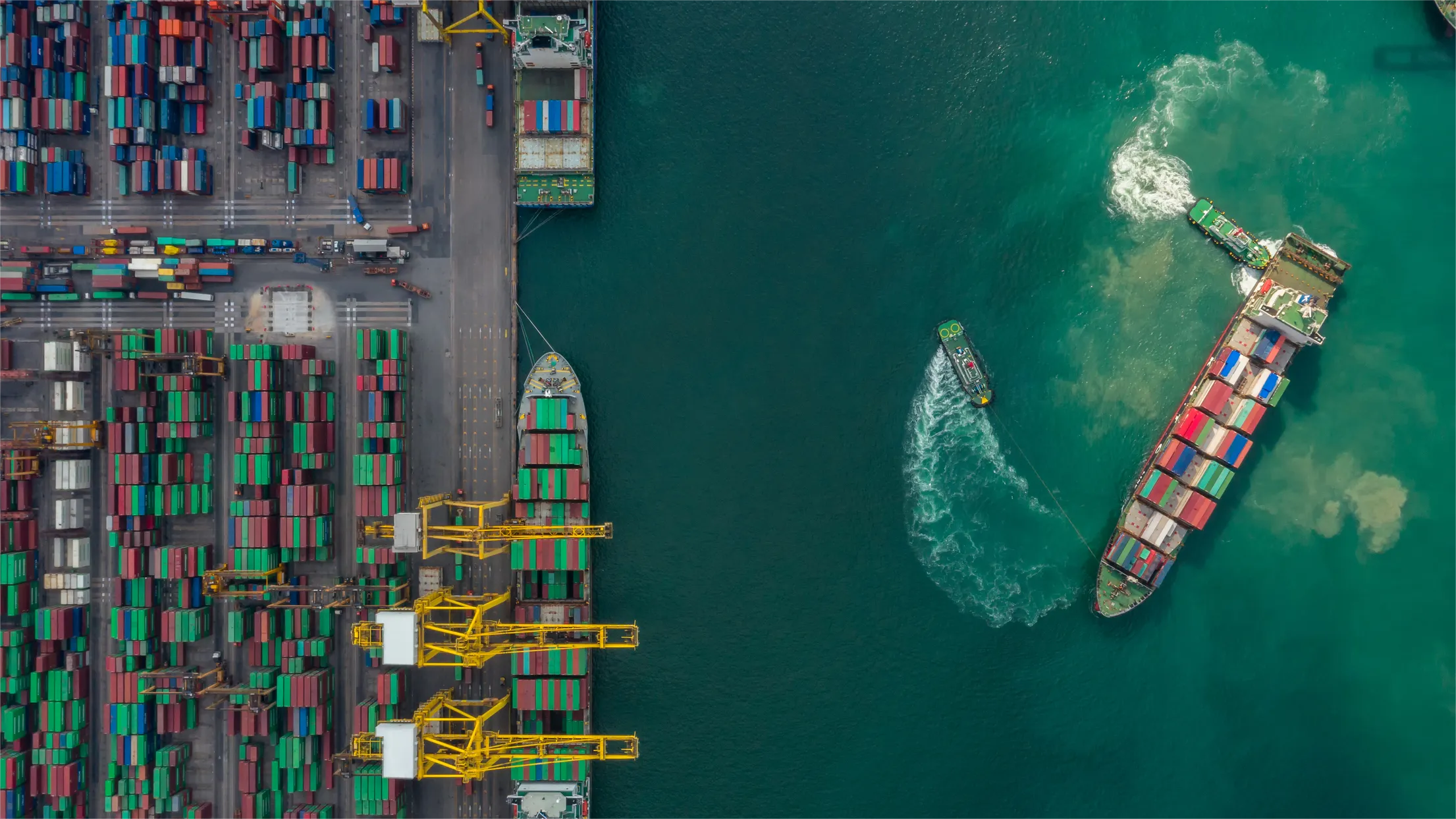
Sea freight is often the most economical choice for bags freight from China to Europe. It suits large volumes and less time-sensitive cargo. However, transit times are considerably longer, typically 28 to 40 days.
This method is ideal for bulk orders of canvas bags or luggage where cost savings are prioritized. Furthermore, it offers flexibility with both Full Container Load (FCL) and Less than Container Load (LCL) options, impacting overall shipping costs.
Air Freight: Speed for High-Value Handbags
For urgent or high-value shipments, air freight provides unparalleled speed. Transit times usually fall between 5 and 10 days. Naturally, this comes at a premium cost.
Consequently, air freight is preferred for luxury handbags or fashion accessories with tight deadlines. While expensive, it minimizes inventory holding costs and responds quickly to market demand, despite higher freight rates.
Rail Freight: A Balanced Option
Rail freight offers a compelling middle ground between sea and air. It provides faster transit than sea freight, typically 18-25 days, at a more competitive price than air. This makes it popular for bags freight from China to Europe.
Moreover, rail freight is often more environmentally friendly. It is an excellent option for regular, medium-urgency shipments, particularly to landlocked European destinations, positively impacting delivery schedule.
Express Shipping: Urgent Deliveries
For extremely urgent, small parcels, or document shipments, express service is the fastest option. Deliveries can take as little as 2-5 days door-to-door. This service is primarily handled by integrated courier companies.
Despite its speed, express shipping is generally the most expensive per kilogram. Therefore, it is best reserved for samples, prototypes, or emergency replenishment of small bag quantities, reflecting higher logistics trends.
How Does Bags Freight China to Europe Compare to Other Options?
When shipping bags freight from China to Europe, comparing various logistical approaches is essential. Each method presents distinct trade-offs in cost, speed, and suitability. Consequently, understanding these differences helps optimize your supply chain.
Beyond the primary transport modes, alternative strategies and hybrid solutions exist. These aim to provide flexibility and efficiency for diverse business needs. Furthermore, market conditions heavily influence these choices and overall freight rates.
| Shipping Method | Cost Range | Transit Time (days) | Best For | Limitations |
|---|---|---|---|---|
| Sea FCL (40HQ) | $3,000-4,200 (container) | 28-35 | Large, heavy, non-urgent bags | Slow, port congestion risk |
| Sea LCL (per CBM) | $50-80 (per CBM) | 30-40 | Smaller volumes (under 15 CBM) | Longer lead times, more handling |
| Rail | $150-250 (per CBM/100kg) | 18-25 | Medium volume, balanced cost/speed | Limited origin/destination stations |
| Air Cargo | $4-8 (per kg) | 5-10 | Urgent, high-value, samples | High cost, weight/volume restrictions |
| Express Courier | $8-15 (per kg) | 2-5 | Very urgent, small packages | Extremely high cost for bulk |
Decision Framework: Which Option Should You Choose?
Your ultimate choice for bags freight from China to Europe depends on specific priorities. Consider these factors carefully before committing to a shipping method. This framework guides your import/export decision-making process.
If budget is your primary concern, and you have large volumes of non-urgent bags, sea freight is generally the most economical. It provides the lowest per-unit cost, especially for FCL.
When speed is paramount, particularly for seasonal fashion items, air freight is indispensable. While more expensive, it significantly reduces lead times and improves delivery schedule.
For a balanced approach, offering a good compromise between cost and speed, rail freight is an excellent alternative. It is suitable for medium-urgency shipments, especially to central Europe.
Cargo type also dictates the method. Fragile luxury handbags might benefit from air freight’s careful handling. Conversely, durable bulk bags are well-suited for sea transport. Consider volume thresholds for switching methods.
Hybrid solutions, such as sea-air combinations, can also be explored. This involves shipping by sea to a hub then by air to Europe. It offers a quicker alternative to pure sea freight at a lower cost than pure air freight, showcasing evolving logistics trends.

Navigating Customs and Documentation for European Imports
Effective customs clearance is a critical component of bags freight from China to Europe. Proper documentation prevents delays and ensures compliance with EU import regulations. Consequently, meticulous preparation is non-negotiable.
Understanding specific requirements for different types of bags is vital. Working with experienced professionals, such as a customs brokerage service, can streamline this complex process and manage import/export complexities.
Essential Documents for Bags Freight
Key documents typically include the commercial invoice, packing list, and bill of lading or air waybill. Additionally, a certificate of origin may be required for certain trade agreements.
For specific bag materials or types, licenses or certifications might be necessary. For example, bags made from exotic leathers often require CITES permits. Verifying requirements beforehand is crucial for smooth cargo handling.
Duties and Taxes for Bags
Import duties and Value Added Tax (VAT) are levied on bags entering Europe. The duty rate depends on the Harmonized System (HS) code of the specific bag type. This can vary significantly, impacting overall shipping costs.
VAT rates differ by EU member state, generally ranging from 19-27%. Therefore, accurately classifying your bags is crucial for correct duty and tax assessment, avoiding unexpected charges in your delivery schedule.
Optimizing Your Bags Freight Supply Chain
Beyond choosing a shipping method, several strategies can optimize your bags freight from China to Europe. These approaches enhance efficiency, reduce costs, and improve delivery schedules. Furthermore, they contribute to overall supply chain resilience.
Effective logistics planning involves more than just transport. It encompasses warehousing, distribution, and last-mile delivery. A holistic view ensures seamless operations and better logistics trends.
Consolidation and LCL Shipments
For smaller volumes of bags, consolidating multiple shipments into one Less than Container Load (LCL) can be highly cost-effective. This allows businesses to share container space and freight costs with other importers.
While LCL may involve slightly longer transit times due to consolidation, it significantly reduces per-unit shipping costs for smaller orders. This is a smart strategy for managing shipping costs.
Door-to-Door Service Benefits
Opting for a door-to-door service simplifies the entire shipping process. The freight forwarder manages all aspects, from pickup at the supplier’s factory in China to final delivery at your European warehouse.
This comprehensive service minimizes administrative burden and reduces the risk of unforeseen charges or delays. It provides predictability and peace of mind for businesses shipping bags freight, ensuring a smooth delivery schedule.

Real-World Bags Freight China to Europe Case Studies
Examining real-world scenarios provides invaluable insights into bags freight from China to Europe. These case studies highlight practical applications of different shipping methods and their associated outcomes. They demonstrate complexities and solutions in cargo handling.
The following examples illustrate typical costs, transit times, and challenges faced by businesses. All figures are based on Q3 2024 to early 2025 market rates, subject to fluctuations and current logistics trends.
Case Study 1: Bulk Canvas Bags to the Netherlands
A fashion retailer needed bulk canvas tote bags for an event. Cost-effectiveness was key, with sea freight chosen due to volume and non-urgent delivery. The shipment proceeded smoothly despite typical port congestion at Rotterdam.
| Key Detail | Value |
|---|---|
| Route | Ningbo, China -> Rotterdam, Netherlands |
| Cargo | 25,000 Canvas Tote Bags, 30 CBM, 6,000 kg |
| Container | 40HQ FCL |
| Shipping Details | |
| – Carrier/Service | Major carrier (e.g., COSCO) |
| – Port of Loading | Ningbo |
| – Port of Discharge | Rotterdam |
| – Route Type | Direct |
| Cost Breakdown | |
| – Ocean Freight | $3,600 |
| – Origin Charges (THC, documentation) | $450 |
| – Destination Charges | $350 |
| – Customs & Duties (estimated) | $1,200 |
| – Total Landed Cost | $5,600 |
| Timeline | |
| – Booking to Loading | 5 days |
| – Sea Transit | 32 days |
| – Customs Clearance | 3 days |
| – Total Door-to-Door | 40 days |
| Key Insight | Sea freight proved highly cost-effective for large, non-urgent bags, demonstrating significant savings over faster alternatives for this bags freight from China to Europe. |
Case Study 2: Luxury Leather Handbags to France
A boutique needed to replenish high-end leather handbags quickly for a seasonal launch. Items were high-value, requiring fast, secure transport. Air freight was selected to meet the tight deadline.
The process was expedited with express handling, ensuring minimal transit time for valuable goods. This reflected premium logistics trends and efficient supply chain management.
| Key Detail | Value |
|---|---|
| Route | Shanghai, China -> Paris (CDG), France |
| Cargo | 500 Luxury Leather Handbags, 3 CBM, 250 kg |
| Container | Air Cargo (Consolidated) |
| Shipping Details | |
| – Carrier/Service | Lufthansa Cargo |
| – Port of Loading | Shanghai Pudong (PVG) |
| – Port of Discharge | Paris Charles de Gaulle (CDG) |
| – Route Type | Direct Air Freight |
| Cost Breakdown | |
| – Air Freight | $1,500 (approx. $6/kg) |
| – Origin Charges (handling, documentation) | $200 |
| – Destination Charges | $180 |
| – Customs & Duties (estimated) | $800 |
| – Total Landed Cost | $2,680 |
| Timeline | |
| – Booking to Loading | 2 days |
| – Air Transit | 3 days |
| – Customs Clearance | 1 day |
| – Total Door-to-Door | 7 days |
| Key Insight | Air freight ensured rapid delivery for high-value, time-sensitive fashion items, justifying the higher cost through quick market entry and efficient supply chain management. |
Case Study 3: Retail Backpacks to Germany
A chain of outdoor stores required a steady supply of backpacks for the back-to-school season. They sought a balance between sea freight’s cost and air freight’s speed for their bags freight.
Rail freight was chosen for its optimal blend of speed and affordability, leveraging the New Silk Road railway network. The transit was efficient to a key German logistics hub, improving their delivery schedule.
| Key Detail | Value |
|---|---|
| Route | Chengdu, China -> Hamburg, Germany |
| Cargo | 5,000 Retail Backpacks, 15 CBM, 2,500 kg |
| Container | 20GP FCL (or LCL equivalent) |
| Shipping Details | |
| – Carrier/Service | China Railway Express |
| – Port of Loading | Chengdu |
| – Port of Discharge | Hamburg |
| – Route Type | Direct Rail Freight |
| Cost Breakdown | |
| – Rail Freight | $2,800 (approx. $185/CBM) |
| – Origin Charges (terminal, documentation) | $300 |
| – Destination Charges | $250 |
| – Customs & Duties (estimated) | $900 |
| – Total Landed Cost | $4,250 |
| Timeline | |
| – Booking to Loading | 4 days |
| – Rail Transit | 18 days |
| – Customs Clearance | 2 days |
| – Total Door-to-Door | 24 days |
| Key Insight | Rail freight offered a reliable and cost-effective alternative for medium-urgency bags, bridging the gap between sea and air transit times for bags freight from China to Europe. |
Current Market Insights and Future Trends
The landscape for bags freight from China to Europe is constantly evolving. Staying informed about current market conditions and emerging trends is crucial for strategic planning. This proactive approach helps businesses adapt to changes in shipping costs and transit time.
Global events, economic shifts, and technological advancements all play a role. Consequently, smart logistics partners continuously monitor these dynamics to provide the best advice and optimize your supply chain.
Impact of Global Events
As of Q1 2025, freight rates from China to Europe have seen stabilization after the 2024 Red Sea disruptions. However, geopolitical tensions can still cause localized delays or rate spikes, affecting the delivery schedule.
Market data suggests capacity remains generally robust, but unexpected events can quickly tighten supply. Therefore, flexibility in your supply chain is more important than ever to mitigate risks and manage freight rates.
Seasonal Fluctuations and Rate Volatility
Seasonal patterns significantly impact freight rates. Rates typically increase 15-25% during the August-October peak season, ahead of major European holidays. This is driven by increased demand for import/export.
Moreover, Chinese New Year closures also cause pre-holiday rate surges and post-holiday backlogs. Planning shipments around these periods can lead to substantial cost savings and smoother cargo handling.
Conclusion: Mastering Bags Freight from China to Europe
Successfully managing bags freight from China to Europe requires careful planning, informed decision-making, and a reliable logistics partner. By understanding the various shipping methods, navigating customs, and optimizing your supply chain, you can achieve efficient and cost-effective transport.
Whether prioritizing speed, cost, or a balance of both, numerous options are available. Ultimately, partnering with an experienced freight forwarder ensures your bags reach their European destination smoothly and on schedule.
Need a tailored shipping solution?
Ready to streamline your bags freight from China to Europe? Do not hesitate to reach out to our expert team today. We provide customized shipping solutions designed to meet your unique business needs and budget. Request a personalized quote to begin optimizing your logistics.