

Best air freight from China to Belgium: A Complete 2025 Guide
Finding the best air freight from China to Belgium is a critical step for businesses looking to optimize their international supply chain. At Top China Freight, we understand that balancing speed and cost is vital for trade success between these two major economic hubs. This guide provides comprehensive insights into delivery schedules and cargo handling to ensure your goods arrive safely and on time.

What Defines the Best Air Freight from China to Belgium?
Choosing the right logistics partner involves analyzing several factors beyond just the base price. Furthermore, the best air freight from China to Belgium must offer a combination of reliability, speed, and transparent communication. Most importers prioritize carriers that provide real-time tracking and professional cargo handling to minimize risks.

Reliability is particularly important when dealing with high-value electronics or time-sensitive fashion items. Consequently, businesses often look for freight forwarders with established relationships with major airlines like Air China or Brussels Airlines. These partnerships often translate into more stable space allocations even during peak shipping seasons.
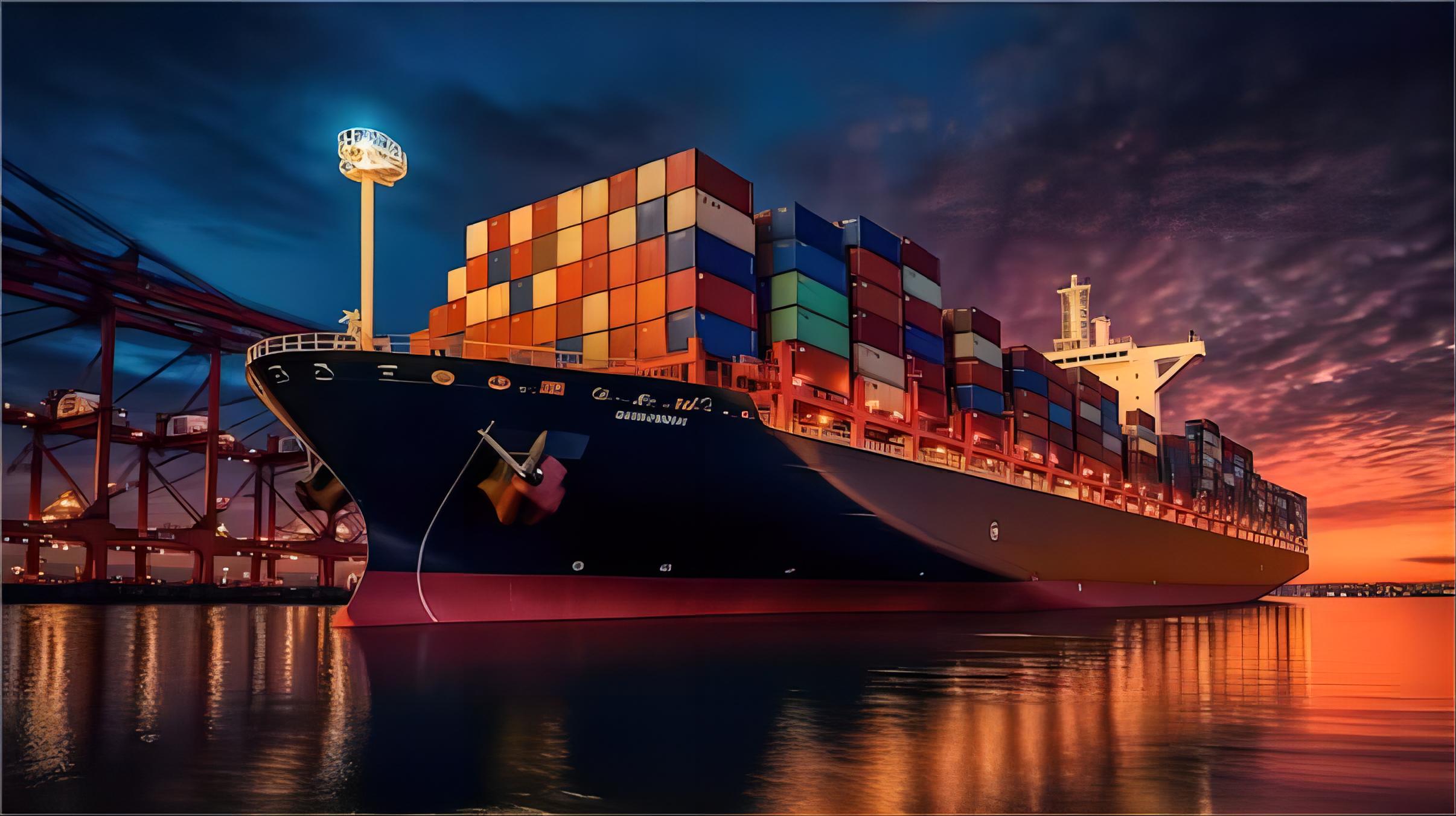
Moreover, the overall quality of service depends on how well a provider manages the entire logistics chain. For instance, a provider that offers integrated air freight solutions can handle everything from factory pickup to final delivery. This end-to-end management reduces the likelihood of delays caused by multiple handovers between different companies.
How Does Best Air Freight from China to Belgium Compare to Other Options?
Comparing different shipping methods is essential for making an informed decision about your logistics strategy. While air transport is significantly faster than ocean routes, it comes with higher shipping costs that must be justified by the cargo’s value or urgency. Therefore, many businesses use a mix of transport modes depending on their current inventory needs.
Air freight typically takes between 3 to 7 days to reach major Belgian hubs like Brussels or Liege. In contrast, sea freight can take anywhere from 30 to 45 days but offers much lower rates for bulky items. Rail freight serves as a middle ground, taking about 15 to 20 days and providing a balance between speed and expenditure.
Additionally, the choice between these methods often depends on the specific nature of the goods being moved. For example, perishable items or seasonal products almost always require the speed of air transport. Meanwhile, stable commodities like furniture or heavy machinery are better suited for sea transport due to the volume capacity of containers.
| Shipping Method | Cost Range | Transit Time | Best For |
|---|---|---|---|
| Air Freight | $4.50 – $8.00 per kg | 3 – 7 Days | High-value, urgent goods |
| Sea Freight (LCL) | $100 – $200 per CBM | 30 – 45 Days | Bulky, non-urgent cargo |
| Rail Freight | $1.50 – $3.00 per kg | 15 – 22 Days | Mid-range volume and speed |
| Express Service | $8.00 – $15.00 per kg | 2 – 4 Days | Small parcels, samples |
Factors Influencing the Best Air Freight from China to Belgium Rates
Understanding how freight rates are calculated can help you better manage your budget and avoid unexpected expenses. Primarily, air cargo costs are based on either actual weight or volumetric weight, whichever is greater. This means that lightweight but bulky items might cost more than small, heavy packages.
Fuel surcharges and security fees also play a significant role in determining the final price of your shipment. Furthermore, seasonal fluctuations often cause rates to spike during the final quarter of the year as global demand increases. Importers should plan their shipments early to avoid the highest price points during these peak periods across Europe.
Market data suggests that rates have stabilized in early 2025 following previous global disruptions. However, geopolitical events and fuel price changes can still cause sudden shifts in the market. Consequently, obtaining a current quote that includes all local charges and handling fees is always the safest approach for accurate budgeting.
Understanding Transit Times for the Best Air Freight from China to Belgium
Transit time is often the primary reason businesses choose air transport over more economical methods. Typically, the flight itself only takes about 10 to 12 hours between major Chinese cities and Belgian airports. However, the total door-to-door time includes several other critical steps like pickup, consolidation, and customs clearance.
Standard air freight services usually deliver within 5 to 7 business days from the moment the goods leave the supplier. If you require even faster delivery, an express service can often reduce this window to just 2 to 4 days. This premium option is ideal for critical spare parts or urgent document deliveries.
Indeed, delays can sometimes occur due to weather conditions or airport congestion during busy holidays. To mitigate these risks, the best providers maintain flexible schedules and utilize multiple airline partners. This flexibility ensures that if one flight is delayed, your cargo can be re-routed to ensure the fastest possible arrival.
| Origin City | Destination | Service Level | Est. Transit Time |
|---|---|---|---|
| Shenzhen | Brussels (BRU) | Standard Air | 5 – 6 Days |
| Shanghai | Liege (LGG) | Standard Air | 4 – 5 Days |
| Guangzhou | Brussels (BRU) | Economy Air | 7 – 9 Days |
| Beijing | Brussels (BRU) | Express | 2 – 3 Days |
Essential Customs Documents for Shipping to Belgium
Navigating the legal requirements of international trade is often the most complex part of the shipping process. Specifically, Belgium follows European Union customs regulations, which require precise documentation for every import. Failure to provide the correct paperwork can lead to significant delays and additional storage fees at the airport.
Working with a specialist in customs brokerage is highly recommended for first-time importers. These professionals ensure that your commercial invoice, packing list, and Air Waybill are all in perfect order. They also help determine the correct HS codes, which dictate the amount of duty and VAT you must pay.
Moreover, some products may require additional certificates, such as CE marking for electronics or health certificates for food items. Without a doubt, preparing these documents in advance is the best way to ensure a smooth clearance process. Proper documentation serves as the foundation for a reliable and efficient international logistics operation.
| Document Name | Description | Importance | Provider |
|---|---|---|---|
| Commercial Invoice | Detailed list of goods and value | Critical for tax | Supplier |
| Packing List | Breakdown of weight and dimensions | Required for handling | Supplier |
| Air Waybill (AWB) | Contract between shipper and carrier | Mandatory for transit | Freight Forwarder |
| Certificate of Origin | Proof of where goods were made | Used for trade deals | Manufacturer |
Real-World Case Studies for China to Belgium Shipping
Examining real-world examples helps illustrate the practical aspects of logistics and what to expect during the process. These cases reflect typical shipments handled during the 2024-2025 period and highlight common challenges and successes. Transitioning from theory to practice provides a clearer picture for business owners.
Case Study 1: Electronics from Shenzhen to Brussels. ——————————————————— Route: Shenzhen to Brussels. Cargo: High-end tablet computers, 2.5 CBM, 450 kg. Shipping Method: Standard Air Freight. Shipping Details: Direct flight via major carrier. Cost Breakdown: Air Freight $2,475, Origin Charges $150, Destination Charges $120. Total Landed Cost: $2,745. Timeline: Booking to Loading 2 days, Air Transit 1 day, Customs Clearance 1 day. Total Door-to-Door: 5 days. Key Insight: Pre-clearing customs while the plane was in the air saved 24 hours. ———————————————————
Case Study 2: Textile Samples from Shanghai to Liege. ——————————————————— Route: Shanghai to Liege. Cargo: Cotton fabric samples, 0.8 CBM, 120 kg. Shipping Method: Express Air Service. Shipping Details: Transshipment via Frankfurt. Cost Breakdown: Air Freight $1,140, Documentation $80, Local Delivery $60. Total Landed Cost: $1,280. Timeline: Booking to Loading 1 day, Air Transit 2 days, Customs Clearance 1 day. Total Door-to-Door: 4 days. Key Insight: Using an express service ensured the client met their fashion show deadline. ———————————————————
Note: Freight rates are subject to change based on fuel costs, carrier capacity, and seasonal demand. Contact us for a current quote tailored to your specific shipment.
Which Shipping Option Should You Choose for Your Business?
Selecting the ideal transport method requires a careful evaluation of your business priorities and cargo characteristics. If your primary goal is speed to market, air freight is the clear winner despite the higher costs involved. Conversely, if you are moving large volumes of low-margin goods, ocean transport might be more appropriate.
For shipments that fall between these categories, you might consider a door to door service that combines different transport modes. This approach often simplifies the logistics process by providing a single point of contact and a flat rate for the entire journey. It is an excellent choice for businesses that want to outsource their entire logistics department.
Ultimately, the best strategy often involves maintaining a flexible approach to your supply chain. For example, you might use air freight for new product launches to ensure availability, while using sea freight for regular stock replenishment. This hybrid model allows you to maximize efficiency while keeping your overall shipping costs under control.
Alternative Strategies for Cost-Effective Logistics
Reducing your shipping expenses doesn’t always mean choosing the slowest transport method available. For instance, consolidating multiple small shipments into one larger air freight booking can significantly lower the price per kilogram. Many freight forwarders offer consolidation services specifically for this purpose.
Another effective strategy is to optimize your packaging to reduce the volumetric weight of your cargo. Additionally, shipping to secondary airports like Liege instead of the main hub in Brussels can sometimes result in lower landing fees and faster handling. These small adjustments can lead to substantial savings over time.
Furthermore, consider the timing of your bookings to take advantage of market lulls. As a result of lower demand, mid-week flights are often slightly cheaper than those leaving on weekends. Staying informed about logistics trends allows you to make these tactical decisions that benefit your bottom line.
Final Thoughts on Shipping from China to Belgium
Successfully navigating the world of international logistics requires a deep understanding of costs, times, and regulations. By choosing the best air freight from China to Belgium, you ensure that your business remains competitive in a fast-paced global market. Remember that the cheapest option is not always the most cost-effective if it results in delays or damaged goods.
To summarize, focus on building a relationship with a reliable freight forwarder who can offer tailored solutions for your specific needs. Whether you are shipping electronics, textiles, or machinery, the right partner will help you navigate customs and delivery schedules with ease. Plan ahead, stay informed about market trends, and your supply chain will become a powerful asset for your business growth.
Ready to streamline your logistics?
Ready to secure the best air freight from China to Belgium for your next shipment? Contact our expert team today to receive a personalized quote and optimize your international logistics strategy. Send Inquiry: https://Top China Freight.com/
Request Quote