

Best Air Freight from China to Canada: 2025 Logistics Guide
Finding the best air freight from China to Canada is essential for businesses that prioritize speed and reliability in their global supply chain. Many importers struggle with fluctuating rates and complex customs regulations when moving goods across the Pacific. By partnering with a professional logistics provider like Top China Freight, you can streamline your shipping process and ensure your cargo arrives safely and on time. This guide explores the nuances of air cargo, helping you make informed decisions for your business needs.

What Makes Air Freight the Best Choice for China to Canada?
Air transportation offers unparalleled speed for high-value or time-sensitive shipments moving between these two major trading partners. Specifically, the best air freight from China to Canada reduces transit times from weeks to just a few days. This efficiency allows businesses to maintain lower inventory levels and respond quickly to market demands.
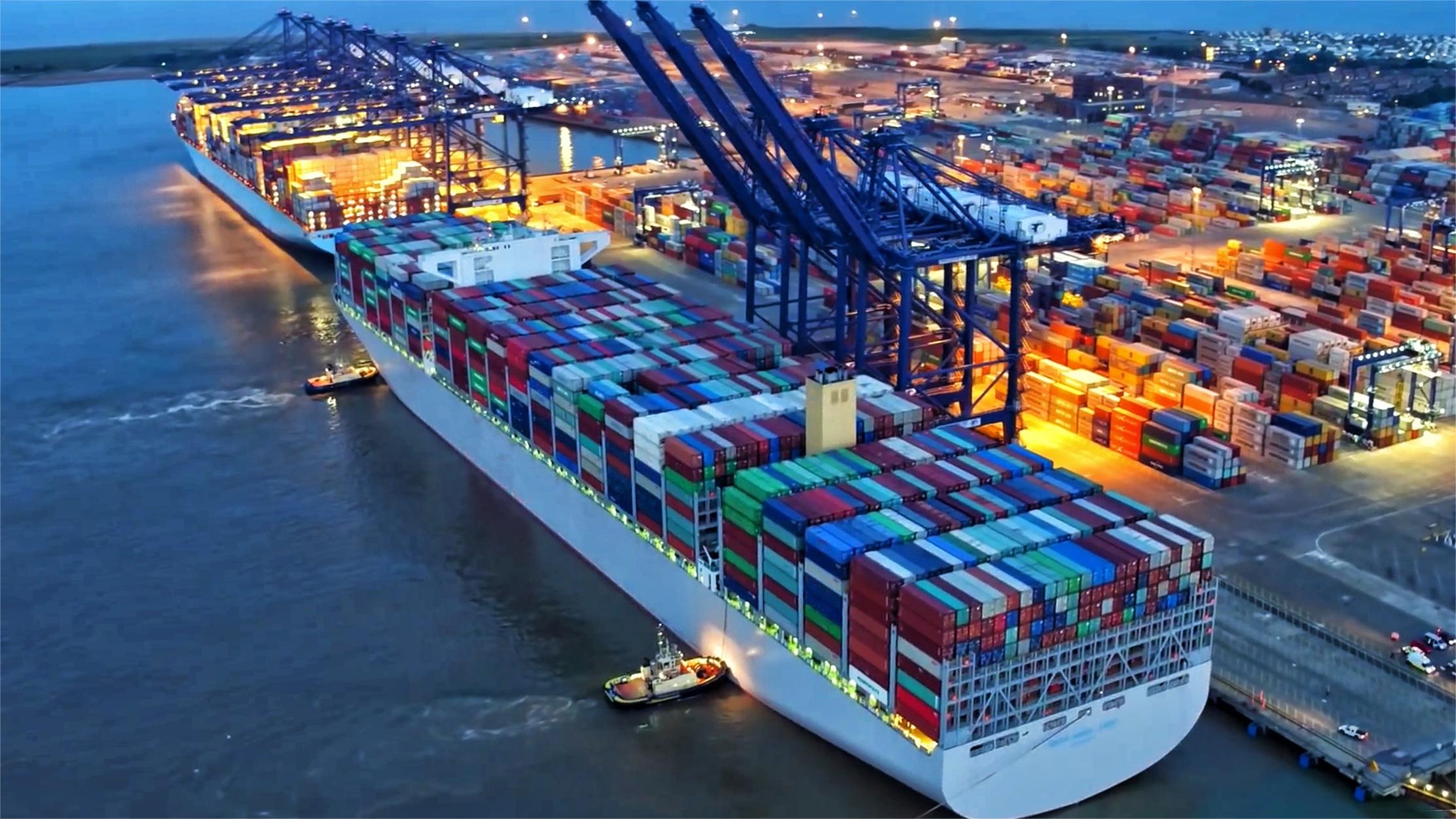
Furthermore, air cargo provides enhanced security compared to other modes of transport. Airports maintain strict access controls and rigorous monitoring, which significantly lowers the risk of theft or damage. Consequently, fragile electronics and luxury goods are most frequently shipped via air.
Reliability is another critical factor that makes air freight a preferred choice. Airlines follow strict schedules with frequent flights, meaning that even if a delay occurs, your cargo can often be rebooked on the next available flight. Meanwhile, ocean shipments may face week-long delays if a vessel is missed.
How Does Air Freight Compare to Other Shipping Options?
Choosing the right shipping method requires a careful balance between cost and speed. While sea freight remains the most economical choice for massive volumes, it cannot compete with the velocity of air transport. For most businesses, the decision hinges on the specific requirements of the cargo and the urgency of the delivery.
Moreover, the total landed cost should be the primary metric for your decision. Air freight often requires less protective packaging, which can offset some of the higher transport costs. Additionally, the shorter transit time reduces the capital tied up in transit, improving your overall cash flow.
Hybrid solutions like sea-air combinations are also gaining popularity for those seeking a middle ground. These services involve shipping goods by sea to a hub like Dubai or Incheon before flying them to Canada. Nevertheless, for the fastest possible delivery, direct air cargo remains the gold standard.
| Shipping Method | Cost Range | Transit Time | Best For | Limitations |
|---|---|---|---|---|
| Air Freight | $5.00 – $9.00 / kg | 3 – 7 Days | Urgent, High-Value | High cost, weight limits |
| Sea Freight (LCL) | $150 – $300 / CBM | 30 – 45 Days | Bulk items, low budget | Very slow, port delays |
| Express Service | $8.00 – $15.00 / kg | 2 – 4 Days | Small parcels, samples | Most expensive option |
| Rail Freight | N/A | N/A | Not applicable for route | No direct rail to Canada |
Average Air Freight Costs and Transit Times in 2025
Calculating the best air freight from China to Canada involves understanding both weight and volume. Airlines use a metric called ‘chargeable weight,’ which is the greater of the actual weight or the volumetric weight. Therefore, bulky but light items may cost more to ship than small, heavy packages.
Current market data suggests that rates from major hubs like Shenzhen or Shanghai to Toronto and Vancouver fluctuate based on seasonal demand. During peak seasons, such as the lead-up to the holidays in Q4, prices typically increase by 20 to 30 percent. Indeed, booking at least two weeks in advance can help secure better rates and guaranteed space.
Transit times vary depending on whether you choose a direct flight or a deferred service. Direct flights from Beijing to Vancouver can take as little as 12 hours, while door-to-door services usually take 5 to 7 days. Note: Freight rates are subject to change based on fuel costs, carrier capacity, and seasonal demand. Contact us for a current quote tailored to your specific shipment.
| Origin City | Destination City | Service Type | Est. Transit Time |
|---|---|---|---|
| Shanghai | Vancouver | Direct Flight | 1 – 2 Days |
| Shenzhen | Toronto | Standard Air | 4 – 6 Days |
| Guangzhou | Montreal | Deferred Air | 7 – 9 Days |
| Hong Kong | Calgary | Standard Air | 5 – 7 Days |
Key Air Cargo Hubs in China and Canada
Major Chinese airports serve as the primary gateways for international exports. Shanghai Pudong (PVG), Hong Kong (HKG), and Guangzhou Baiyun (CAN) handle the vast majority of air cargo destined for North America. Each hub offers different advantages, such as specialized handling for electronics in Shenzhen or vast global connections in Hong Kong.
On the Canadian side, Toronto Pearson (YYZ) and Vancouver International (YVR) are the busiest cargo airports. Vancouver serves as the primary entry point for trans-Pacific flights, making it ideal for shipments heading to Western Canada. Conversely, Toronto is the logical choice for goods destined for the industrial heartland of Ontario and Quebec.
Selecting the right airport pair can significantly impact your total shipping time and inland trucking costs. For instance, shipping to Vancouver and then using ground transport to Calgary is often faster than flying directly into a smaller regional airport. Accordingly, a strategic logistics plan should consider the entire journey from factory to warehouse.
Which Option Should You Choose? Decision Framework
Determining the best air freight from China to Canada depends on several variables within your supply chain. If your priority is budget and you have a lead time of over 40 days, sea freight is the logical choice. However, if your inventory is low and you risk losing sales, the higher cost of air freight is a necessary investment.
Cargo type also plays a major role in the selection process. Perishable goods, pharmaceuticals, and high-tech components almost always require Air freight to maintain quality and security. On the other hand, heavy machinery or raw materials are better suited for ocean containers.
Volume thresholds often dictate when to switch from express to standard air freight. For shipments under 45kg, an Express service like DHL or FedEx is usually the most cost-effective. Once your shipment exceeds 100kg, standard air freight through a forwarder typically offers much better value.
Understanding Customs Clearance and Documentation
Navigating the Canadian Border Services Agency (CBSA) requirements is a vital step in the import process. Accurate documentation is essential to avoid delays and costly storage fees at the airport. Specifically, you will need a commercial invoice, a packing list, and an Air Waybill (AWB) for every shipment.
In addition, certain products may require specialized permits or certificates of origin. Working with a provider that offers customs brokerage services ensures that your paperwork complies with all Canadian regulations. This proactive approach prevents your goods from being held for inspection.
Importers must also be aware of the Goods and Services Tax (GST) and any applicable duties based on the HS code of the products. Most commercial imports into Canada are subject to a 5 percent GST. To summarize, clear communication with your broker before the flight departs can save days of processing time upon arrival.
| Document Name | Purpose | Required By | Typical Format |
|---|---|---|---|
| Commercial Invoice | Valuation of goods | CBSA Customs | Digital/PDF |
| Packing List | Detail of contents | Warehouse/Customs | Digital/PDF |
| Air Waybill | Contract of carriage | Airline/Forwarder | Standard AWB |
| Import Permit | Regulated goods | Health/Agri Canada | Government Form |
How to Reduce Your Air Freight Expenses
Optimizing your packaging is one of the most effective ways to lower your shipping costs. Because airlines charge based on volume, reducing the size of your boxes can lead to significant savings. Use lightweight, durable materials to protect your goods without adding unnecessary bulk.
Consolidating multiple smaller shipments into one larger shipment can also provide better rates. Many forwarders offer door to door consolidation services where they group cargo from different suppliers. Consequently, you benefit from the lower per-kilogram rates associated with higher weight brackets.
Finally, choosing off-peak shipping times can help you avoid the highest market rates. If your schedule allows, avoid shipping in the weeks immediately preceding Golden Week in China or the Christmas season in Canada. Planning ahead ensures you get the best air freight from China to Canada without paying premium ’emergency’ prices.
Real-World Shipping Scenarios and Case Studies
Examining real-world examples helps illustrate how different logistics strategies play out in practice. These cases reflect typical market conditions and challenges faced by importers in the current economic climate. Based on Q3 2024 market rates, these scenarios provide a realistic benchmark for your own logistics planning.
Specifically, these examples highlight the importance of choosing the right service level for different product types. Whether you are shipping high-end fashion or industrial components, the strategy must align with the cargo’s value and urgency. Review these cases to see how professional management can optimize outcomes.
Route: Shenzhen, China to Toronto, Canada. Cargo: High-end tablets, 500 kg, 2.5 CBM. Shipping Method: Standard Air Freight via Cathay Pacific. Port of Loading: Shenzhen (SZX). Port of Discharge: Toronto (YYZ).
Cost Breakdown: Air Freight: $3,250. Origin Charges: $250. Destination Charges: $300. Customs & Duties: $1,200. Total Landed Cost: $5,000. Timeline: Booking to Loading: 2 days. Air Transit: 2 days. Customs Clearance: 1 day. Total Door-to-Door: 5 days.
Key Insight: By using a direct flight from a nearby hub, the client met their product launch deadline despite a production delay at the factory.
Route: Shanghai, China to Vancouver, Canada. Cargo: Seasonal clothing, 200 kg, 1.2 CBM. Shipping Method: Amazon FBA Air Service. Port of Loading: Shanghai (PVG). Port of Discharge: Vancouver (YVR).
Cost Breakdown: Air Freight: $1,400. Origin Charges: $150. Destination Charges: $200. Customs & Duties: $450. Total Landed Cost: $2,200. Timeline: Booking to Loading: 3 days. Air Transit: 1 day. Customs Clearance: 2 days. Total Door-to-Door: 7 days.
Key Insight: Utilizing a specialized FBA service allowed for seamless integration with the Canadian warehouse network, reducing local handling times.
Final Thoughts on Air Cargo Success
Successfully navigating the complexities of international logistics requires a combination of strategic planning and expert partnerships. While the best air freight from China to Canada offers the speed needed for modern business, it must be managed carefully to remain cost-effective. By understanding the factors that influence rates and transit times, you can build a more resilient supply chain.
In addition, staying informed about market trends and customs regulations will help you avoid common pitfalls. Whether you are a small e-commerce seller or a large industrial importer, the right air freight strategy is a competitive advantage. Prioritize reliability, optimize your packaging, and choose a logistics partner that understands your unique business goals.
Ready to streamline your logistics?
Ready to secure the best air freight from China to Canada for your next shipment? Contact Top China Freight today for a customized quote and expert logistics support. Visit https://Top China Freight.com/ to get started.
Request Quote