
Best Freight Forwarder from China to India: Your Ultimate Guide
“Navigating the complexities of international trade, especially between major global manufacturing hubs like China and a rapidly growing market like India, demands expertise. Selecting the best freight forwarder from China to India is crucial for ensuring your goods arrive safely, on time, and within budget. This comprehensive guide will equip you with the knowledge to make informed decisions for your import needs, considering various shipping methods and critical logistics factors.”
Why Choose the Right Freight Forwarder from China to India?
❖Choosing an experienced freight forwarder is paramount for businesses importing from China to India. A reliable partner streamlines the entire shipping process, from origin to destination. Ultimately, this partnership mitigates risks, manages unforeseen challenges, and ensures compliance with both Chinese export and Indian import regulations.
Moreover, a proficient freight forwarder offers invaluable expertise in navigating complex customs procedures and optimizing shipping routes. They act as your logistics arm, providing transparency and efficiency throughout the supply chain. This allows you to focus on your core business operations with confidence.
Key Factors When Selecting Your Freight Forwarder
❖When evaluating potential partners, several critical factors come into play. Firstly, assess their experience with the China-India trade lane, as this route has specific nuances. Secondly, consider their network and relationships with carriers, which can influence freight rates and transit times.
Furthermore, look for a forwarder that offers comprehensive services, including customs clearance, warehousing, and last-mile delivery. Communication and transparency are also vital; you need a partner who keeps you informed every step of the way. Therefore, prioritize providers with robust tracking systems and responsive customer support.
Understanding Shipping Methods from China to India
❖The choice of shipping method significantly impacts both cost and delivery schedule for your imports. Generally, businesses primarily opt for sea freight, air freight, or express services for their cargo from China to India. Each method offers distinct advantages tailored to different types of goods and urgency levels.
Consequently, understanding the characteristics of each option is essential for optimizing your logistics strategy. Your decision should align with your budget, required transit time, and the nature of your products, whether they are high-value, time-sensitive, or bulky commodities.
Sea Freight: The Cost-Effective Choice
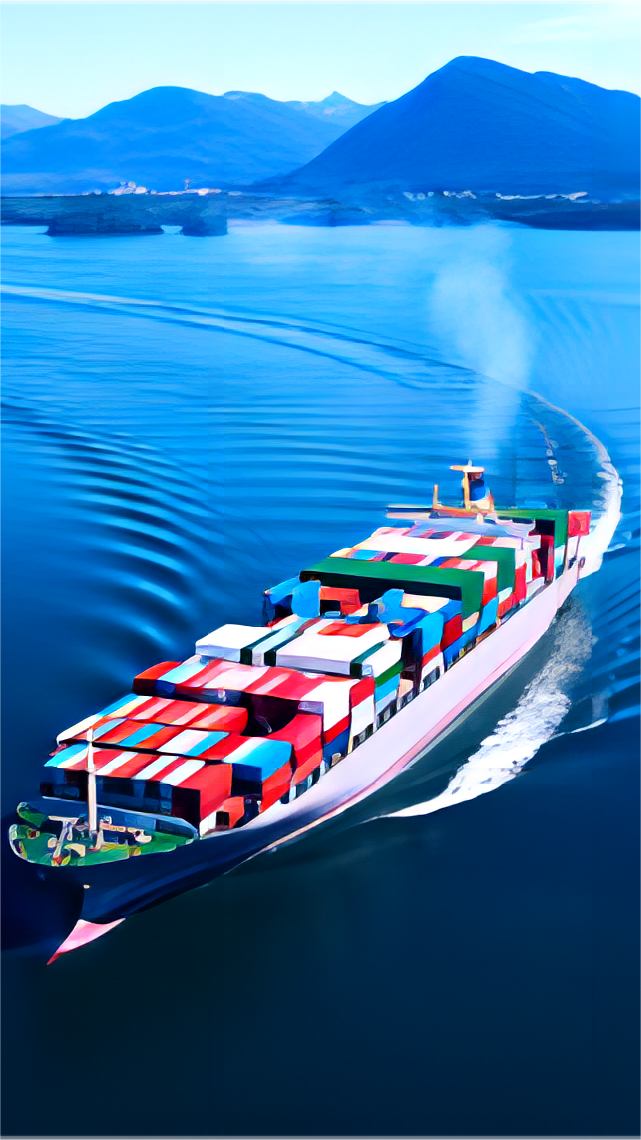
Sea freight remains the most economical option for bulkier and non-urgent shipments. It is ideal for large volumes of goods, such as machinery, raw materials, or consumer products. However, transit times are considerably longer compared to air freight, typically ranging from 15 to 30 days depending on the origin and destination ports.
For instance, opting for sea freight can drastically reduce your shipping costs for significant cargo. You can choose between Full Container Load (FCL) for exclusive container use or Less than Container Load (LCL) for smaller shipments, where your goods share container space with others. This flexibility makes it a preferred choice for many importers seeking cost efficiency.
Air Freight: For Speed and Urgency
When speed is of the essence, air freight is the undisputed choice. It is suitable for high-value goods, perishable items, or products with tight delivery deadlines. Although significantly faster, typically 3-7 days, air freight comes with a higher price tag.
Therefore, businesses often utilize air freight for urgent stock replenishment or time-sensitive product launches. While more expensive, the reduced transit time can prevent stockouts and meet critical market demands, offering a strategic advantage for certain commodities.
Express Service: Door-to-Door Convenience
Express services, often provided by integrated carriers, offer unparalleled speed and door-to-door delivery. This method is best for small parcels, samples, or urgent documents. Transit times are usually 1-4 days, making it the fastest option available.
Additionally, express service includes simplified customs procedures and tracking, ensuring a hassle-free experience. While it is the most expensive per kg, the convenience and speed often justify the cost for smaller, critical shipments. This option simplifies logistics for businesses needing swift, direct delivery.
How Does Each Method Compare?
❖Deciding between shipping methods involves a trade-off between cost, speed, and cargo capacity. Understanding these differences is crucial for optimizing your supply chain from China to India. Consequently, a detailed comparison can highlight which option best suits your specific needs.
This table provides a clear overview, helping you to weigh the pros and cons of each major shipping method. Consider your budget, the urgency of your shipment, and the nature of your goods when making your selection.
| Shipping Method | Cost Range (per kg) | Transit Time | Best For | Limitations |
|---|---|---|---|---|
| Sea Freight (FCL) | $0.05 – $0.20 | 15-30 Days | Large, heavy, non-urgent goods | Slow, port-to-port only |
| Sea Freight (LCL) | $0.15 – $0.40 | 20-35 Days | Smaller volumes, non-urgent | Slower, risk of damage/delays |
| Air Freight | $3.00 – $8.00 | 3-7 Days | High-value, urgent, perishable | High cost, volume/weight limits |
| Express Service | $5.00 – $15.00 | 1-4 Days | Small parcels, samples, documents | Very high cost, strict limits |
Navigating Customs and Documentation for India Imports
❖Importing goods into India from China requires meticulous attention to customs regulations and documentation. Proper preparation prevents delays, penalties, and unexpected costs. Therefore, partnering with a forwarder experienced in customs brokerage is invaluable.
Essential documents typically include the Commercial Invoice, Packing List, Bill of Lading (for sea freight) or Air Waybill (for air freight), Certificate of Origin, and Import License if applicable. Furthermore, understanding HS codes and applicable duties is critical for accurate cost estimation and compliance. A knowledgeable freight forwarder can guide you through these complexities.
Note: Freight rates are subject to change based on fuel costs, carrier capacity, and seasonal demand. Contact us for a current quote tailored to your specific shipment.
Case Study 1: Electronics via Sea Freight
A Mumbai-based electronics distributor needed to import a large consignment of LED screens from Shenzhen. Cost-effectiveness was the primary concern, with a reasonable transit time being acceptable.
| Detail | Description |
|---|---|
| Route | Shenzhen, China -> Mumbai, India |
| Cargo | LED Screens, 28 CBM, 12,000 kg |
| Container | LCL 28 CBM |
| Shipping Details | Major carrier, Port of Loading: Shenzhen, Port of Discharge: Mumbai, Route Type: Direct |
| Ocean Freight | $1,200 |
| Origin Charges | $250 |
| Destination Charges | $300 |
| Customs & Duties (estimated) | $1,800 |
| Total Landed Cost | $3,550 |
| Booking to Loading | 5 days |
| Sea Transit | 18 days |
| Customs Clearance | 4 days |
| Total Door-to-Door | 27 days |
| Key Insight | LCL was chosen for its cost-efficiency for slightly less than FCL volume, balancing cost and transit time effectively. |
Case Study 2: Textiles via Air Freight
An Indian fashion retailer required an urgent shipment of new season apparel from Guangzhou to Delhi to meet a tight launch schedule. Speed was paramount to capitalize on market trends.
| Detail | Description |
|---|---|
| Route | Guangzhou, China -> Delhi, India |
| Cargo | Apparel (fashion items), 2.5 CBM, 450 kg |
| Container | Air Cargo |
| Shipping Details | Major airline, Airport of Loading: Guangzhou (CAN), Airport of Discharge: Delhi (DEL), Route Type: Direct |
| Air Freight | $2,700 |
| Origin Charges | $150 |
| Destination Charges | $180 |
| Customs & Duties (estimated) | $500 |
| Total Landed Cost | $3,530 |
| Booking to Loading | 2 days |
| Air Transit | 3 days |
| Customs Clearance | 2 days |
| Total Door-to-Door | 7 days |
| Key Insight | Air freight allowed the retailer to launch their collection on schedule, maximizing sales during the peak season despite higher shipping costs. |
Case Study 3: Urgent Samples via Express
A small business in Bangalore needed urgent samples of a new product component from Yiwu for quality testing before placing a bulk order. Time was extremely critical.
| Detail | Description |
|---|---|
| Route | Yiwu, China -> Bangalore, India |
| Cargo | Product Samples, 0.1 CBM, 15 kg |
| Container | Express Parcel |
| Shipping Details | DHL Express, Origin: Yiwu, Destination: Bangalore, Route Type: Door-to-door |
| Express Freight | $220 |
| Origin Charges | Included |
| Destination Charges | Included |
| Customs & Duties (estimated) | $30 |
| Total Landed Cost | $250 |
| Booking to Loading | 1 day |
| Express Transit | 2 days |
| Customs Clearance | 1 day |
| Total Door-to-Door | 4 days |
| Key Insight | Express service provided the fastest possible delivery, enabling quick decision-making for the bulk order and minimizing project delays. |
Cost-Saving Strategies and Trade-offs
❖Optimizing shipping costs without compromising reliability is a constant challenge for importers. Fortunately, several strategies can help reduce expenses when importing from China to India. For example, consolidating multiple smaller shipments into one larger consignment can lead to significant savings.
Moreover, planning your shipments well in advance allows you to utilize slower, more affordable shipping methods like sea freight. Consider the trade-off between speed and cost carefully. A hybrid approach, such as shipping urgent components via air and bulk items via sea, can also be highly effective.
Another strategy involves leveraging door-to-door services where the forwarder handles the entire logistics chain. This can sometimes be more cost-effective than managing multiple vendors. Additionally, exploring options for customs duty optimization through free trade agreements or specific tariff codes can further reduce your landed costs.
Market Insights and Current Trends in China-India Logistics
❖The logistics landscape between China and India is dynamic, influenced by global economic shifts and regional trade policies. As of Q1 2025, freight rates have largely stabilized after the pandemic-induced volatility, though geopolitical factors can still cause fluctuations. Moreover, demand for faster shipping options continues to grow.
Industry benchmarks suggest that digital platforms are increasingly streamlining the quoting and booking processes, enhancing transparency. Peak seasons, such as Chinese New Year and Diwali, typically see a 15-25% increase in rates and extended transit times. Planning around these periods is essential for cost-effective importing.
Furthermore, sustainability is becoming a more prominent factor. Many businesses are exploring greener shipping options, even for the China to India route, which might influence carrier choices in the long term. Staying informed about these trends can provide a competitive edge in your supply chain management.
Conclusion
Selecting the best freight forwarder from China to India is a strategic decision that significantly impacts your business’s efficiency and profitability. By understanding the various shipping methods, navigating customs complexities, and leveraging expert advice, you can ensure a smooth and cost-effective supply chain. Ultimately, a reliable logistics partner empowers you to focus on your core business while your goods are handled with utmost care.
Therefore, invest time in choosing a forwarder with proven experience and a comprehensive service offering. This diligence will pay dividends in reliable deliveries and reduced operational headaches. Partnering with the right expert makes all the difference in the competitive China-India trade lane.
Ready to streamline your logistics?
Ready to optimize your imports from China to India? Don’t let complex logistics hinder your business growth. Contact us today for a personalized quote and discover how Top China Freight can be your best freight forwarder from China to India.
Request Quote