
Best Rail Freight from Shenzhen to Belgium: Your Ultimate Guide
Navigating international logistics can be complex, especially when seeking an optimal balance between speed and cost. For businesses importing goods into Europe, securing the best rail freight from Shenzhen to Belgium has become an increasingly attractive solution. This comprehensive guide explores how rail transport offers a competitive edge for your supply chain.

What is Rail Freight from Shenzhen to Belgium?
Rail freight from Shenzhen to Belgium utilizes the expansive China-Europe railway network, often referred to as the ‘New Silk Road’. This service connects major manufacturing hubs in China directly to European distribution centers. It represents a modern and efficient alternative to traditional shipping methods.
Typically, goods are transported from Shenzhen’s surrounding areas to a central rail hub in China, then loaded onto block trains. These trains travel across multiple countries, including Kazakhstan, Russia, Belarus, Poland, and Germany, before reaching their final destination in Belgium. The journey is carefully orchestrated for efficiency.
Why Choose Rail Freight Over Other Options?
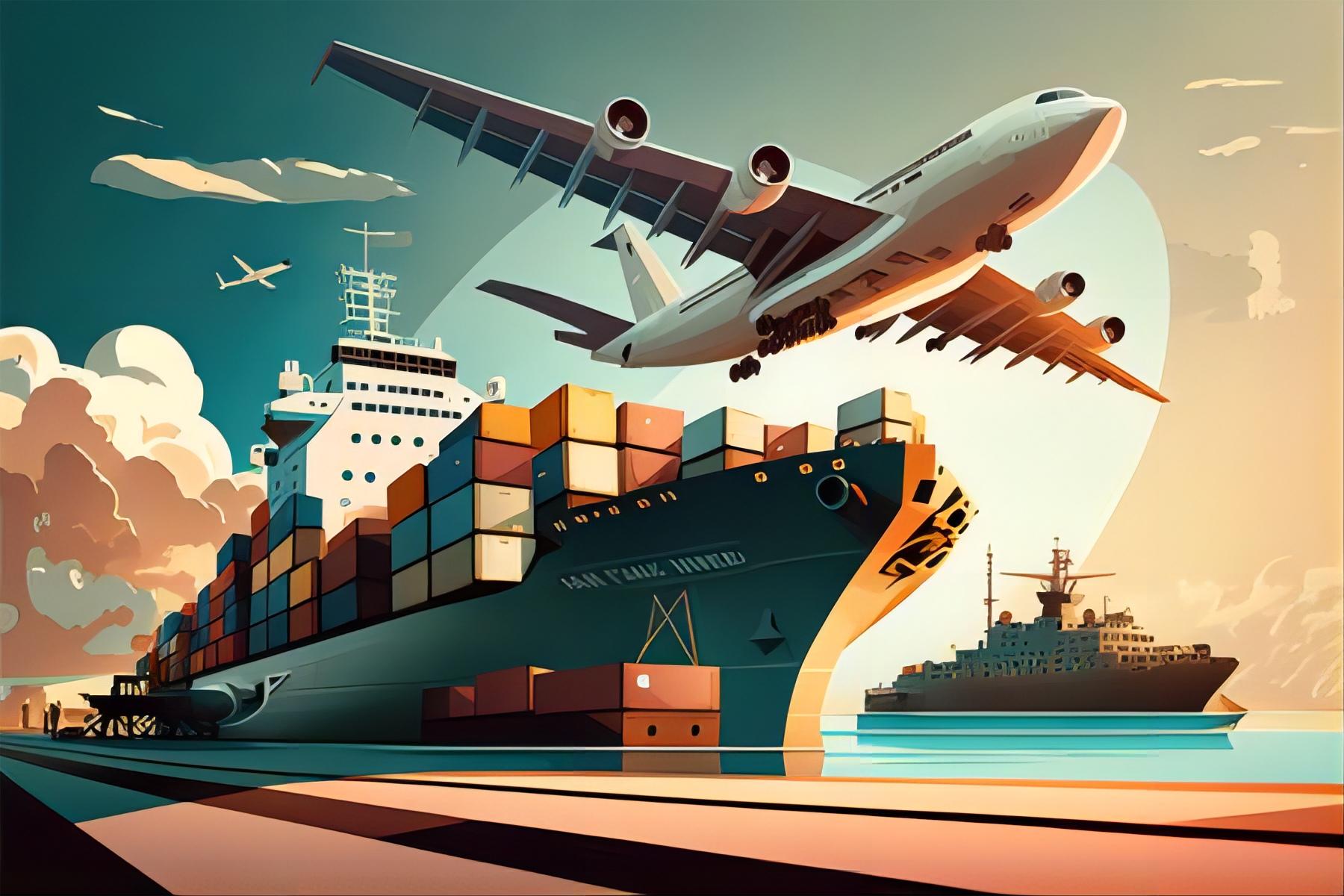
Choosing the right shipping method is crucial for business success. Rail freight offers a compelling middle-ground between the speed of air freight and the cost-effectiveness of sea freight. Consequently, it provides a balanced solution for many importers.
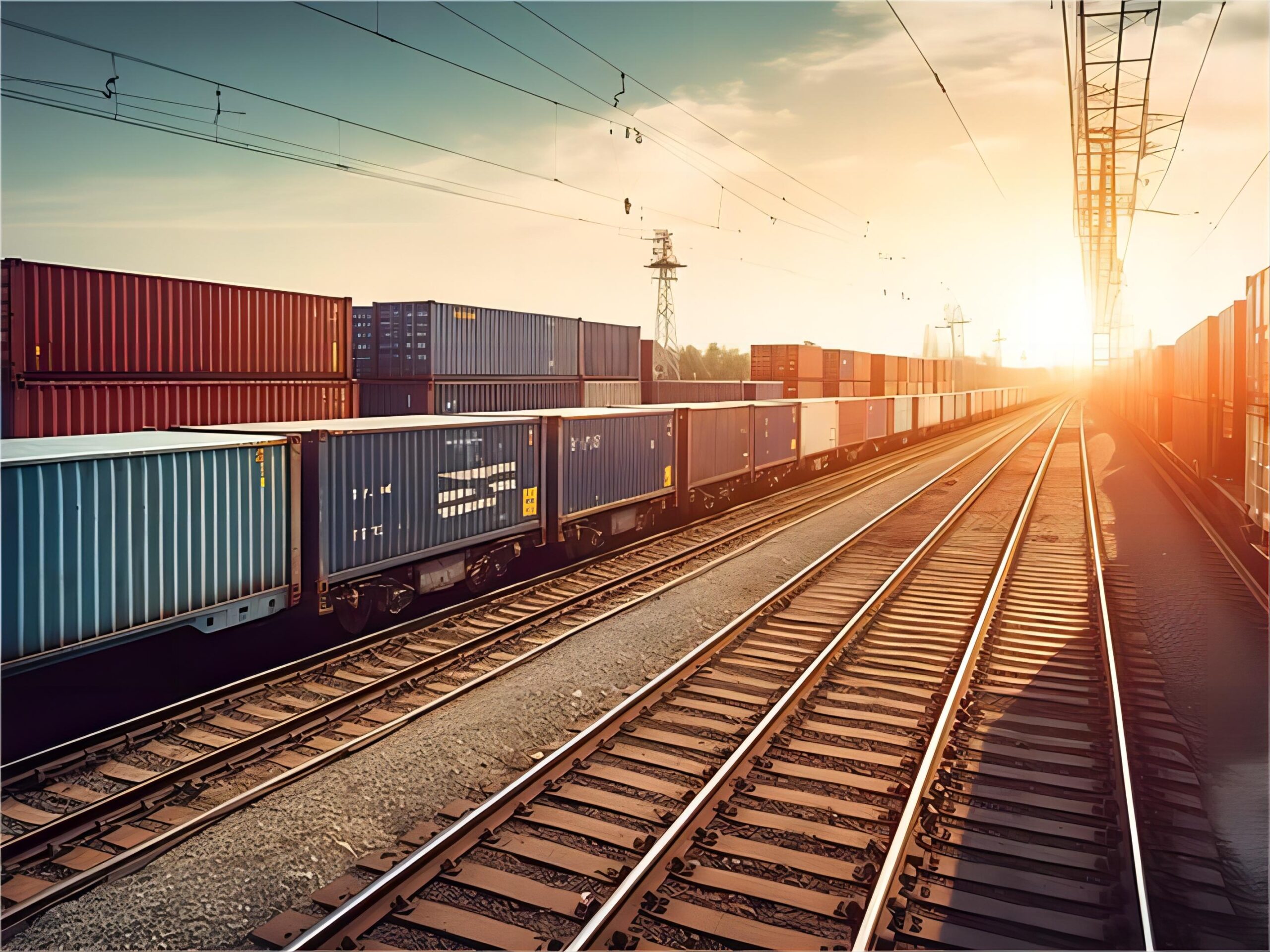
Indeed, for companies prioritizing both reasonable transit times and manageable shipping costs, rail freight stands out. Furthermore, its growing reliability and increasing capacity make it an indispensable part of modern global supply chains. This method truly bridges significant logistical gaps.
| Shipping Method | Transit Time (Shenzhen to Belgium) | Cost Range (40HQ FCL) | Best For |
|---|---|---|---|
| Rail Freight | 15-20 days | $6,000 – $9,000 | Mid-to-high value goods, time-sensitive but not urgent |
| Sea Freight | 30-40 days | $3,000 – $5,500 | Bulk goods, less time-sensitive, cost-driven |
| Air Freight | 3-7 days | $15,000 – $25,000+ | High-value, urgent, perishable goods |
Key Advantages of Rail Freight for Your Business
Several significant benefits make rail freight an excellent choice for shipping from Shenzhen to Belgium. Firstly, the transit time is considerably faster than sea freight, reducing lead times and improving inventory turnover. This speed often translates directly into market advantage.
Moreover, rail freight is generally more economical than air freight, offering substantial savings for larger shipments. Additionally, it boasts a lower carbon footprint compared to air transport, aligning with growing sustainability goals. The reliability of scheduled departures further enhances supply chain predictability.
Furthermore, rail services often provide robust security measures for cargo. The reduced handling points compared to sea or air routes can also minimize the risk of damage or loss. Therefore, businesses can expect a more secure and predictable shipping experience.
Navigating the Rail Freight Process: Step-by-Step
Understanding the rail freight process is essential for smooth operations. Initially, goods are collected from your supplier in Shenzhen and transported to a nearby rail terminal. This first mile of transport is critical for timely departure.
Subsequently, cargo undergoes customs clearance at the origin country. Experienced providers of customs brokerage services streamline this often-complex step. Proper documentation is paramount to avoid delays, ensuring compliance with international regulations.
Once cleared, containers are loaded onto dedicated freight trains, embarking on their journey across Eurasia. Upon arrival at the Belgian rail terminal, usually Liege or Antwerp, local customs procedures are completed. Finally, the cargo is dispatched for door-to-door delivery to its ultimate destination, completing the seamless logistics chain.
How Does Rail Freight Compare to Other Shipping Options?
When evaluating shipping methods from Shenzhen to Belgium, it is crucial to consider cost, speed, and capacity. Each option presents distinct advantages depending on your specific business needs and cargo characteristics. Therefore, a careful comparison helps in making informed decisions.
While sea freight remains the most economical for bulk, non-urgent cargo, its transit times are significantly longer. Conversely, air freight offers unparalleled speed but comes with a premium price tag, suitable only for the most urgent or high-value items. Rail freight strategically positions itself between these two extremes.
Moreover, rail transport often provides greater flexibility than air freight for larger volumes. It also offers better security than sea freight due to fewer transshipment points and more controlled environments. This makes it an attractive hybrid solution for many supply chains.
| Shipping Method | Cost Range (per 40HQ) | Transit Time (Shenzhen to Belgium) | Best For | Limitations |
|---|---|---|---|---|
| Rail Freight | $6,000 – $9,000 | 15-20 days | Mid-value, time-sensitive cargo, regular shipments | Less flexible routing than sea, limited direct rail hubs |
| Sea Freight | $3,000 – $5,500 | 30-40 days | Heavy, bulky, low-value goods, large volumes | Long transit times, potential for port congestion, slower customs |
| Air Freight | $15,000 – $25,000+ | 3-7 days | Urgent, high-value, perishable, small volume cargo | Highest cost, strict weight/size limits, higher carbon footprint |
Real-World Scenarios: Shenzhen to Belgium Rail Freight in Action
To illustrate the practical benefits of rail freight, consider these real-world examples. These case studies showcase diverse cargo types and logistical challenges, demonstrating the versatility of the China-Europe railway. They highlight how businesses leverage rail for efficient and cost-effective shipping.
Case Study 1: Electronics Manufacturer’s Express Shipment
This case study demonstrates how a time-sensitive electronics shipment benefited from the speed of rail freight. The expedited transit time was crucial for meeting market demand and reducing inventory holding costs in Belgium. It offered a competitive edge.
| Detail | Description |
|---|---|
| Route | Shenzhen, China -> Liege, Belgium |
| Cargo | Consumer Electronics, 28 CBM, 12,500 kg |
| Container | 1 x 40HQ |
| Shipping Details | Block Train Service, Direct |
| Port of Loading | Shenzhen (via regional rail hub) |
| Port of Discharge | Liege Rail Terminal |
| Cost Breakdown | Total Landed Cost: $7,850 (typical Q1 2025 rates) |
| Timeline | Total Door-to-Door: 22 days |
| Key Insight | Rail offered a perfect balance of speed and cost for high-value goods, enabling faster market entry. |
Case Study 2: Textile Importer’s Seasonal Goods
A Belgian textile importer needed to replenish seasonal clothing lines quickly without incurring high air freight costs. Rail freight services provided the ideal solution, ensuring goods arrived in time for peak sales. This strategic choice optimized their inventory management.
| Detail | Description |
|---|---|
| Route | Shenzhen, China -> Antwerp, Belgium |
| Cargo | Fashion Apparel, 15 CBM, 4,500 kg |
| Container | LCL (Less than Container Load) |
| Shipping Details | Consolidated Rail Service |
| Port of Loading | Shenzhen (via regional rail hub) |
| Port of Discharge | Antwerp Rail Terminal |
| Cost Breakdown | Total Landed Cost: $3,200 (typical Q4 2024 rates) |
| Timeline | Total Door-to-Door: 25 days |
| Key Insight | LCL rail freight proved cost-effective for medium-sized, time-sensitive shipments, avoiding stockouts. |
Case Study 3: Industrial Machinery Parts for Assembly
A European manufacturer required specific machinery parts from Shenzhen for a production line in Belgium. Reliability and timely delivery were paramount to avoid costly assembly delays. Rail freight guaranteed consistent transit times, supporting their lean manufacturing process.
| Detail | Description |
|---|---|
| Route | Shenzhen, China -> Zeebrugge, Belgium |
| Cargo | Machinery Components, 22 CBM, 18,000 kg |
| Container | 1 x 20GP |
| Shipping Details | Standard Rail Service |
| Port of Loading | Shenzhen (via regional rail hub) |
| Port of Discharge | Zeebrugge Rail Terminal |
| Cost Breakdown | Total Landed Cost: $6,100 (typical Q2 2025 rates) |
| Timeline | Total Door-to-Door: 23 days |
| Key Insight | The predictability of rail freight was critical for maintaining tight production schedules and supply chain integrity. |
Optimizing Your Rail Freight Strategy
To truly leverage the benefits of rail freight, consider several optimization strategies. Firstly, consolidating multiple smaller shipments into a full container load (FCL) can significantly reduce per-unit costs. This approach maximizes container utilization.
Secondly, planning shipments well in advance helps secure competitive freight rates and preferred schedules. Seasonal fluctuations, especially during Chinese holidays and peak seasons, can impact pricing and availability. Therefore, early booking is highly recommended.
Finally, engaging with a reputable freight forwarder specializing in China-Europe rail routes is invaluable. They can provide expert advice on customs, documentation, and multimodal options, ensuring seamless transit. Their expertise navigates potential complexities efficiently.
Which Option Should You Choose? A Decision Framework
Selecting the optimal shipping method depends on a clear understanding of your priorities. Consider these factors to determine if rail freight from Shenzhen to Belgium is the best choice for your cargo. This framework simplifies complex logistical decisions.
If budget is your primary concern for large volumes, sea freight remains the most economical. However, if speed is paramount for urgent, high-value goods, air freight is unmatched despite its higher cost. Rail freight, conversely, excels when balancing both speed and cost.
For cargo that is time-sensitive but not critically urgent, such as seasonal fashion or electronics, rail freight provides a cost-effective and reliable solution. Furthermore, for shipments between 5-25 CBM, LCL rail can be very competitive. Evaluate your cargo type, volume, and urgency carefully.
The Future of Logistics: Best Rail Freight from Shenzhen to Belgium
In conclusion, rail freight from Shenzhen to Belgium offers a robust and increasingly popular solution for modern global trade. It effectively bridges the gap between the slower, cheaper sea routes and the faster, more expensive air options. Consequently, it provides a strategic advantage for businesses seeking efficiency.
The ongoing development of the China-Europe railway network, coupled with advanced logistical services, continues to enhance its appeal. Therefore, for companies aiming for a balanced approach to speed, cost, and environmental impact, exploring the best rail freight from Shenzhen to Belgium is a wise strategic move. It is a vital component of resilient supply chains.
Get Your Shipping Quote Today
Ready to optimize your supply chain with the best rail freight from Shenzhen to Belgium? Contact us today for a personalized quote and expert guidance. Our team is prepared to help you find the most efficient and cost-effective shipping solutions for your business needs.
Request Quote