
Books Freight China to Europe: Your Ultimate Shipping Guide
Shipping books freight from China to Europe presents a unique set of logistical challenges and opportunities. Whether you are a publisher, distributor, or a small business, understanding the intricacies of international freight is crucial for timely and cost-effective delivery. This comprehensive guide will navigate you through various shipping methods, costs, and essential considerations, ensuring your valuable cargo reaches its destination smoothly. Discover reliable solutions and expert insights to streamline your supply chain with Top China Freight.
Understanding Books Freight from China to Europe
Transporting books across continents demands careful planning and execution. Indeed, the specific nature of books, including their weight, volume, and potential fragility, necessitates specialized handling throughout the entire shipping process. Therefore, selecting the optimal freight method is paramount for success.
Moreover, various factors significantly influence the decision-making process for shipping from China to Europe. Considerations such as urgency, budget constraints, cargo volume, and the final destination all play critical roles. Consequently, a tailored approach is often the most effective strategy for books freight China to Europe.
Primary Shipping Methods for Books Freight China to Europe
Several viable options exist for moving books from China to Europe, each with distinct advantages and disadvantages. Understanding these methods helps businesses make informed decisions. Furthermore, the choice often depends on a balance between speed, cost, and cargo volume.
Consequently, businesses can choose from traditional ocean routes, increasingly popular rail networks, or expedited air freight services. Each method caters to different supply chain needs and budget allocations. Therefore, a careful evaluation is always recommended.
Sea Freight: Economical for Bulk Shipments
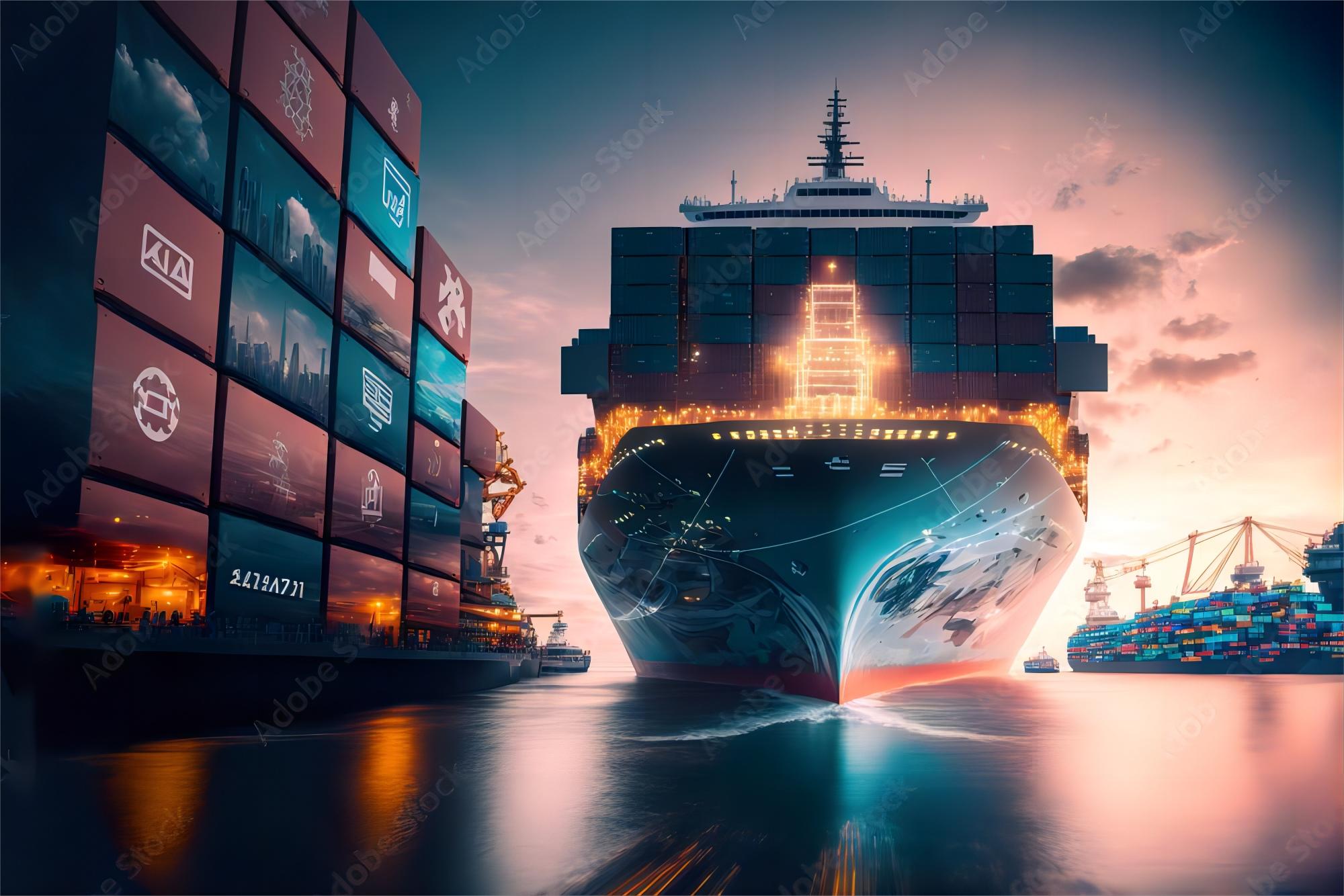
Sea freight is consistently the most cost-effective option for large volumes of books. It is ideal for publishers and distributors who prioritize budget over speed. However, transit times can be considerably longer compared to other methods.
Furthermore, shipments can be handled as Full Container Load (FCL) or Less than Container Load (LCL). FCL is suitable for exclusive use of a container, while LCL consolidates smaller shipments from multiple senders. As a result, LCL offers flexibility for smaller consignments.
Rail Freight: A Balanced Solution
Rail freight, often utilizing the New Silk Road routes, presents an excellent middle ground. It offers faster transit times than sea freight and is significantly more affordable than air freight. Consequently, it has grown in popularity for books freight China to Europe.
Moreover, rail transport is generally more environmentally friendly than air shipping. It provides a reliable and increasingly efficient option for various cargo types, including books. Therefore, many businesses are exploring this hybrid solution for their logistics trends.
Air Freight: Speed for Urgent Deliveries
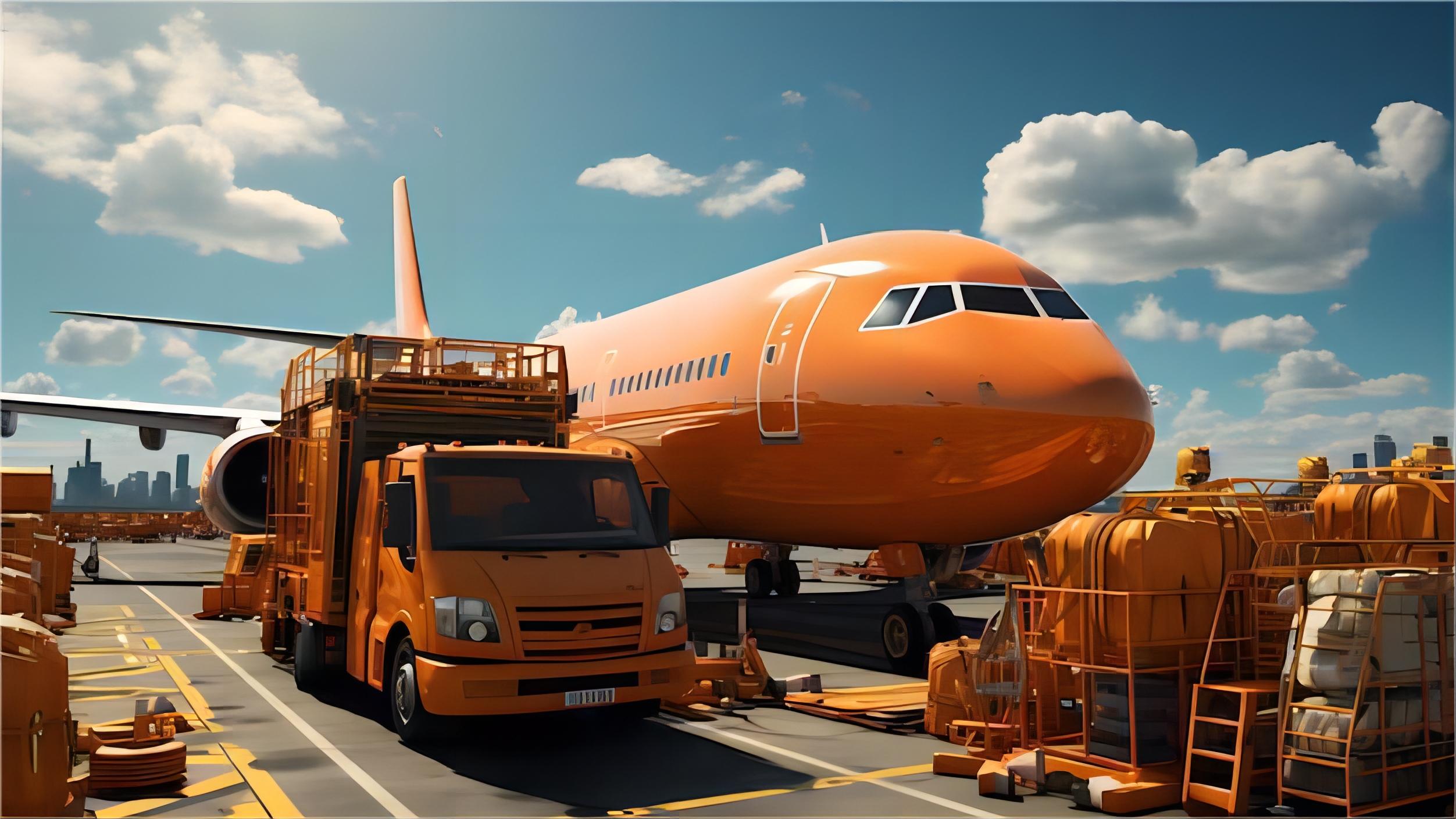
Air freight is the fastest method for shipping books, perfect for time-sensitive releases or urgent stock replenishment. While offering unparalleled speed, it is also the most expensive option. Therefore, it is typically reserved for high-value or critical shipments.
However, air freight is excellent for minimizing inventory holding costs and responding quickly to market demands. Consequently, it plays a crucial role in modern supply chain management. Businesses often use it for initial product launches or emergency orders.
How Do Shipping Methods Compare for Books Freight China to Europe?
Choosing the right shipping method for books freight from China to Europe involves weighing several factors. Each option has unique benefits and drawbacks concerning cost, speed, and suitability. Consequently, understanding these differences is vital for optimizing your logistics strategy.
Moreover, your decision should align with your specific business needs, including delivery schedule, budget, and cargo handling requirements. The following comparison table offers a clear overview. Therefore, it helps in making an informed choice.
| Shipping Method | Cost Range (per 40HQ/approx.) | Transit Time (China to Europe) | Best For | Limitations |
|---|---|---|---|---|
| Sea Freight | $3,000 – $4,200 | 28 – 35 days | Large volume, non-urgent, lowest cost | Slow, susceptible to port congestion |
| Rail Freight | $6,000 – $9,000 | 15 – 20 days | Medium volume, balanced speed/cost, eco-friendly | Limited destinations, capacity constraints |
| Air Freight | $15,000 – $25,000+ | 3 – 7 days | Urgent, high-value, small volume, express shipping | Highest cost, weight/size restrictions |
Which Option Should You Choose?
If budget is your primary concern and time is flexible, sea freight is the most economical choice. It provides the lowest cost per unit for bulk books. However, be prepared for longer transit times.
For a balance of cost and speed, rail freight offers an attractive alternative. It significantly reduces transit time compared to sea shipping without the high price tag of air freight. Therefore, it’s ideal for moderate urgency.
When speed is paramount, and costs are secondary, air freight is the undisputed winner. It ensures the quickest delivery for urgent book releases or critical stock. Cargo type considerations like fragility also play a role here.
Navigating Costs and Transit Times for Books Freight
The overall shipping costs for books freight China to Europe are influenced by numerous variables. These include fuel surcharges, port charges, and seasonal demand fluctuations. Consequently, freight rates can vary significantly over time.
Moreover, transit time is a critical factor for many businesses, directly impacting inventory management and delivery schedule. Understanding typical durations for each method helps in planning. Therefore, accurate budgeting and scheduling are essential for successful book imports.
Factors Affecting Freight Rates
Several components contribute to the total freight rates for shipping books. These include the base freight charge, terminal handling charges at both origin and destination, and any applicable surcharges. Additionally, customs duties and taxes are significant cost elements.
Market data suggests that peak seasons, such as before major holidays or during Q4, can increase rates by 15-25%. Therefore, booking in advance or considering off-peak shipping can lead to substantial cost savings. Always request a current quote.
Typical Transit Times (China to Europe)
Transit times are crucial for managing expectations and supply chain efficiency. Sea freight to major European ports like Rotterdam or Hamburg usually takes 28-35 days. This duration can extend with transshipments or port congestion.
Rail freight typically delivers within 15-20 days to central European hubs, offering a significant speed advantage. Air freight, conversely, provides swift delivery, usually within 3-7 days. These are industry average for this route.
Note: Freight rates are subject to change based on fuel costs, carrier capacity, and seasonal demand. Contact us for a current quote tailored to your specific shipment.
Customs Clearance and Documentation for Book Imports
Successful books freight China to Europe hinges on meticulous customs clearance and accurate documentation. Proper preparation prevents delays and additional costs. Therefore, understanding the requirements is paramount for smooth international trade.
Indeed, neglecting any part of the customs process can lead to significant setbacks. This includes fines, storage fees, and extended transit times. Consequently, engaging a professional customs brokerage service is often a wise investment.
Essential Documents for Book Shipments
A commercial invoice, packing list, and bill of lading (for sea freight) or air waybill (for air freight) are fundamental. These documents detail the contents, value, and origin of your book shipment. Furthermore, they are crucial for customs assessment.
Moreover, a certificate of origin may be required to claim preferential tariff treatment under certain trade agreements. Accurate commodity codes (HS codes) are also vital for correct duty and tax calculation. Therefore, ensure all details are precise.
Duties, Taxes, and Compliance
Import duties and VAT (Value Added Tax) will apply to books entering Europe from China. Rates vary by country and specific book classification. Therefore, consulting with a customs expert is advisable to estimate these costs accurately.
Additionally, ensuring compliance with EU import regulations is non-negotiable. This involves adhering to intellectual property rights and any specific labeling requirements. Consequently, due diligence in this area prevents legal complications and delays.
Ensuring Safe Handling and Packaging for Books
Books, especially fragile or high-value editions, require careful handling and robust packaging to withstand the rigors of international shipping. Proper cargo handling minimizes the risk of damage during transit. Therefore, investing in quality packaging is essential.
Furthermore, environmental factors like humidity and temperature fluctuations can also affect books. Protecting them from moisture and extreme conditions is crucial for preserving their quality. Consequently, special attention to packaging is a key logistics trend.
Best Practices for Book Packaging
Use sturdy, corrugated cardboard boxes that are appropriate for the weight of the books. Overpacking or underpacking can lead to damage. Therefore, selecting the correct box size and strength is important.
Wrap books individually or in small bundles with protective materials like bubble wrap or foam sheets. Fill any empty spaces within the box with packing peanuts or crumpled paper to prevent movement. This ensures maximum protection against impact.
Clearly label all boxes with ‘Fragile’ and ‘This Side Up’ indicators. Additionally, include all necessary shipping labels and documentation securely attached. This guidance helps ensure careful handling throughout the journey.
Insurance Considerations for Valuable Cargo
Despite best efforts in packaging, unforeseen incidents can occur during transit. Therefore, comprehensive cargo insurance is highly recommended for books freight China to Europe. It provides financial protection against loss or damage.
Policies can cover various risks, including theft, fire, and accidents. Discuss your insurance options with your freight forwarder to ensure adequate coverage for your specific book shipments. Consequently, peace of mind comes with proper insurance.
Real-World Shipping Scenarios: Books Freight China to Europe
Examining actual shipping cases provides valuable insights into the complexities and solutions for books freight from China to Europe. These examples highlight how different methods and strategies are applied. Consequently, they showcase typical transit times and costs.
Based on Q3 2024 market rates, these scenarios illustrate common challenges and successful outcomes. They demonstrate the importance of selecting the right logistics partner. Therefore, understanding these examples can guide your own shipping decisions.
Case Study 1: Large Volume Publisher (FCL Sea Freight)
| Detail | Description |
|---|---|
| Route | Shanghai, China -> Hamburg, Germany |
| Cargo | Educational textbooks, 58 CBM, 25,000 kg |
| Container | 1 x 40HQ |
| Shipping Details | |
| – Carrier/Service | Maersk |
| – Port of Loading | Shanghai |
| – Port of Discharge | Hamburg |
| – Route Type | Direct |
| Cost Breakdown (Estimated) | |
| – Ocean Freight | $3,800 |
| – Origin Charges (THC, documentation) | $450 |
| – Destination Charges | $550 |
| – Customs & Duties (estimated) | $750 |
| – Total Landed Cost | $5,550 |
| Timeline | |
| – Booking to Loading | 7 days |
| – Sea Transit | 30 days |
| – Customs Clearance | 3 days |
| – Total Door-to-Door | 42 days |
| Key Insight | Cost-effective for bulk, but required longer lead time for planning. Q4 peak season rates were 15% higher than typical rates as of early 2025. |
Case Study 2: Niche Distributor (LCL Rail Freight)
| Detail | Description |
|---|---|
| Route | Chongqing, China -> Warsaw, Poland |
| Cargo | Art books, 8 CBM, 3,500 kg |
| Container | LCL 8 CBM |
| Shipping Details | |
| – Carrier/Service | Major rail operator |
| – Port of Loading | Chongqing Rail Terminal |
| – Port of Discharge | Warsaw Intermodal Terminal |
| – Route Type | Direct rail service |
| Cost Breakdown (Estimated) | |
| – Rail Freight | $1,200 (per CBM, total $9,600) |
| – Origin Charges (THC, documentation) | $300 |
| – Destination Charges | $400 |
| – Customs & Duties (estimated) | $500 |
| – Total Landed Cost | $10,800 |
| Timeline | |
| – Booking to Loading | 5 days |
| – Rail Transit | 18 days |
| – Customs Clearance | 2 days |
| – Total Door-to-Door | 28 days |
| Key Insight | Faster than sea, more affordable than air. Ideal for medium-sized, moderately urgent book shipments. Market data suggests rail is growing for this route. |

Case Study 3: Urgent Release (Air Freight)
| Detail | Description |
|---|---|
| Route | Shenzhen, China -> London, UK |
| Cargo | New release fiction, 2 CBM, 800 kg |
| Container | Air cargo |
| Shipping Details | |
| – Carrier/Service | DHL Express |
| – Port of Loading | Shenzhen Bao’an International Airport |
| – Port of Discharge | London Heathrow Airport |
| – Route Type | Direct air cargo |
| Cost Breakdown (Estimated) | |
| – Air Freight | $4,500 (per 100 kg, total $36,000) |
| – Origin Charges (handling, documentation) | $200 |
| – Destination Charges | $300 |
| – Customs & Duties (estimated) | $400 |
| – Total Landed Cost | $36,900 |
| Timeline | |
| – Booking to Loading | 2 days |
| – Air Transit | 3 days |
| – Customs Clearance | 1 day |
| – Total Door-to-Door | 8 days |
| Key Insight | Extremely fast for critical launches, but at a premium cost. Based on current market rates, express service is ideal for urgent, high-value books. |
Choosing the Right Freight Partner for Books Freight China to Europe
Selecting a reliable freight forwarder is crucial for successful books freight from China to Europe. An experienced partner can navigate complex logistics, customs, and documentation on your behalf. Therefore, this partnership can significantly streamline your operations.
A good forwarder offers expertise, network access, and problem-solving capabilities. They understand the nuances of international shipping and cargo handling. Consequently, they ensure your books arrive safely and on schedule. Consider a partner offering door-to-door service.
What to Look for in a Freight Forwarder
Seek a forwarder with proven experience in shipping books or similar sensitive cargo. Look for transparent pricing, clear communication, and a strong global network. Additionally, check their track record for reliability and customer service.
Furthermore, ensure they offer comprehensive services, including customs brokerage, warehousing, and cargo insurance. A partner with robust tracking capabilities also provides peace of mind. Therefore, due diligence in selection is key.
Market Trends and Future Outlook for Book Logistics
The landscape of books freight China to Europe is continually evolving, influenced by global economic shifts and logistics trends. As of Q1 2025, freight rates have largely stabilized after the 2024 Red Sea disruptions. However, volatility remains a factor.
Moreover, sustainability is becoming an increasingly important consideration in supply chain management. Publishers and distributors are seeking more eco-friendly shipping options. Consequently, rail freight’s popularity continues to grow due to its lower carbon footprint.
Impact of Global Events on Shipping
Geopolitical events, trade policies, and natural disasters can significantly impact shipping costs and transit times. For instance, port congestion or labor disputes can cause unpredictable delays. Therefore, flexibility in planning is crucial.
Furthermore, advancements in technology, such as AI-driven logistics platforms, are improving efficiency and visibility in the supply chain. These innovations help mitigate risks and optimize delivery schedules. Consequently, staying informed about these trends is vital.
Conclusion: Master Your Books Freight China to Europe Strategy
Navigating the complexities of books freight from China to Europe requires strategic planning and an understanding of the available shipping methods. By carefully considering factors like cost, transit time, and cargo handling, businesses can make informed decisions. This ensures efficient and reliable delivery of their valuable literary cargo.
Ultimately, partnering with an experienced freight forwarder like Top China Freight is essential. They provide the expertise and support needed to overcome logistical challenges. Thus, you can confidently manage your supply chain and focus on your core business. Optimize your books freight China to Europe with professional guidance today.
Get Your Shipping Quote Today
Ready to optimize your books freight China to Europe shipments? Do not let logistical complexities hinder your distribution goals. Contact our expert team today for a personalized consultation and a competitive quote tailored to your specific needs. Let us help you streamline your international book shipping process.
Request Quote