
Books Freight China to USA: Your Ultimate Shipping Guide
Shipping books from China to the USA involves a complex interplay of logistics, customs regulations, and cost considerations. Navigating this process efficiently is crucial for publishers, distributors, and online sellers alike. This comprehensive guide, brought to you by Top China Freight, will demystify the intricacies of books freight China to USA, helping you make informed decisions for your valuable cargo.
Why Books Freight China to USA Demands Expert Handling
Shipping books, particularly in large volumes, presents unique challenges compared to other goods. Their weight, volume, and susceptibility to damage necessitate careful planning and execution. Consequently, understanding the specific requirements for books freight China to USA is paramount for a successful delivery.
Furthermore, the journey from Chinese printing houses to American distribution centers involves multiple logistical touchpoints. Each stage, from factory pickup to final delivery, requires precision to avoid delays and unexpected costs. Therefore, partnering with an experienced freight forwarder can streamline this complex process significantly.
Understanding Key Shipping Methods for Books from China
When planning books freight China to USA, several shipping methods are available, each with distinct advantages and disadvantages. Your choice will largely depend on factors such as urgency, budget, and shipment size. Generally, the primary options are sea freight, air freight, and express shipping.
Choosing the optimal method is a critical decision that impacts your overall supply chain efficiency and profitability. Moreover, balancing transit time with freight rates requires a clear understanding of your specific business needs and delivery schedules.
How Do Shipping Methods Compare for Books Freight China to USA?
Evaluating the various shipping methods helps in making an informed decision for your book imports. Factors like cost, transit time, and cargo suitability are crucial. This comparison table outlines the primary differences.
Indeed, the right choice can significantly impact your bottom line and customer satisfaction. Consider your inventory turnover and market demands carefully before finalizing your shipping strategy.
| Shipping Method | Cost Range (per kg) | Transit Time | Best For | Limitations |
|---|---|---|---|---|
| Sea Freight (FCL/LCL) | $0.20 – $0.80 | 20-45 days | Large volumes, heavy books, cost-sensitive, non-urgent | Slow, port congestion risks, longer lead times |
| Air Freight (Standard) | $4.00 – $8.00 | 5-10 days | Medium volumes, urgent shipments, high-value books | Expensive, weight/volume restrictions, potential for delays |
| Express Shipping (Courier) | $8.00 – $15.00+ | 2-5 days | Small parcels, samples, highly urgent, high-value, small quantity | Very high cost, strict size/weight limits |
Sea Freight: The Backbone for Bulk Book Shipments
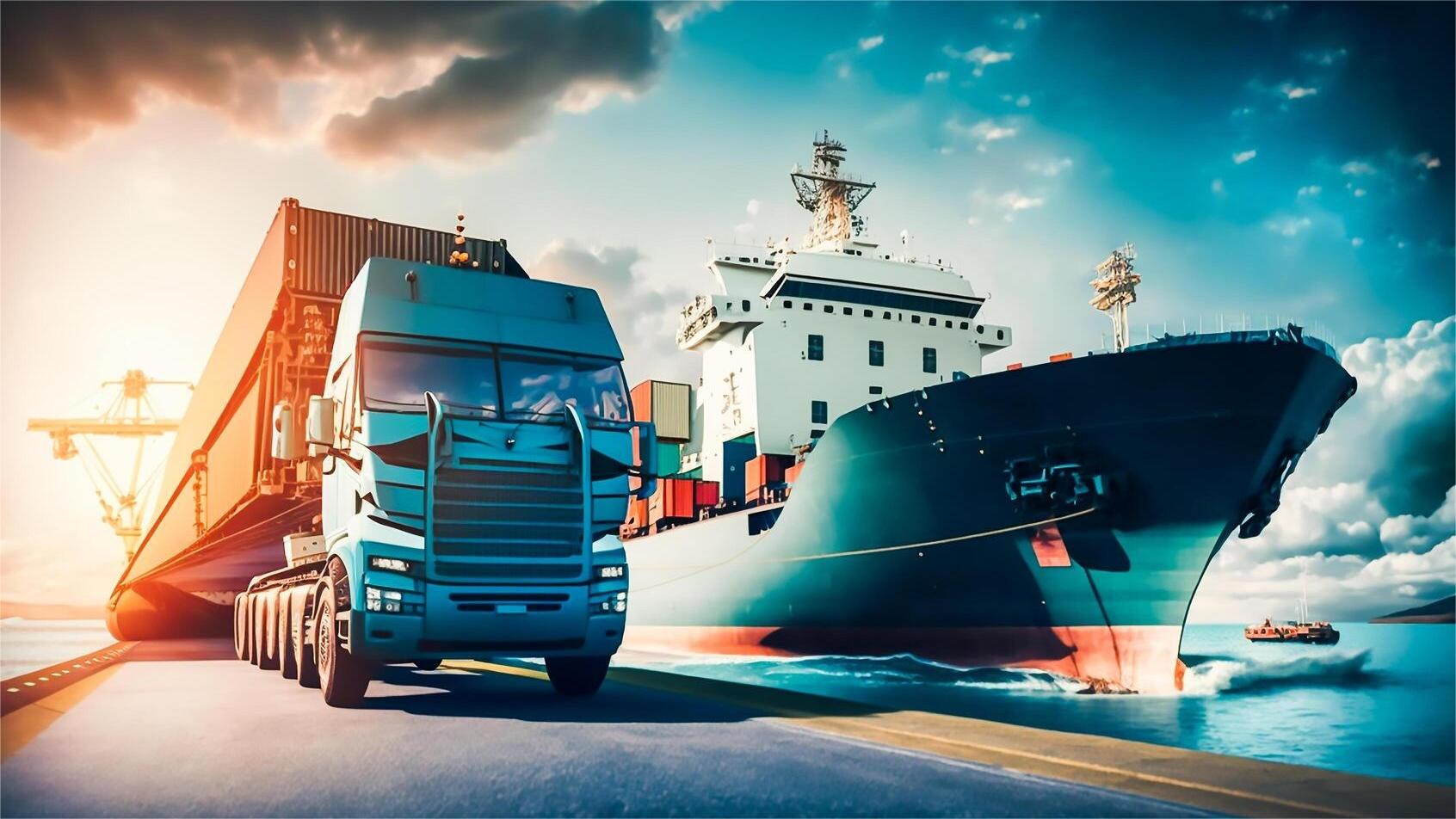
For most large-scale books freight China to USA operations, sea freight remains the most economical option. This method is ideal for publishers and distributors handling significant quantities of books. Despite longer transit times, the cost savings are substantial, especially for heavy cargo.
Moreover, sea freight offers two primary modes: Full Container Load (FCL) and Less than Container Load (LCL). Understanding the distinction between these can further optimize your shipping costs and efficiency. Each mode caters to different shipment sizes and budget constraints.
As of Q1 2025, ocean freight rates from major Chinese ports like Shanghai or Ningbo to US West Coast ports such as Los Angeles or Long Beach typically range from $2,500-$3,500 for a 40GP container. East Coast ports like New York or Savannah might see rates from $4,000-$5,500. Note: Freight rates are subject to change based on fuel costs, carrier capacity, and seasonal demand. Contact us for a current quote tailored to your specific shipment.
FCL vs. LCL: Which is Right for Your Books?
Full Container Load (FCL) is suitable when your book volume is sufficient to fill an entire shipping container. This option generally offers lower per-unit costs and faster transit times compared to LCL. You maintain full control over the container, reducing handling risks.
Conversely, Less than Container Load (LCL) is ideal for smaller book shipments that do not require a full container. Your cargo shares space with other shippers’ goods, which means costs are prorated based on volume or weight. While more flexible, LCL can sometimes incur longer transit times due to consolidation and deconsolidation processes.
Key Sea Ports and Transit Times
Major Chinese ports for books freight China to USA include Shanghai, Ningbo, Shenzhen, and Qingdao. These ports offer extensive connections to the United States. On the US side, key receiving ports are Los Angeles, Long Beach, Seattle, New York, Savannah, and Houston.
Transit times for sea freight vary considerably. For instance, a shipment from Shanghai to Los Angeles might take 14-18 days. However, a journey to New York could extend to 30-35 days. These figures are port-to-port and do not include origin/destination logistics or customs clearance.
Air Freight: Speed and Reliability for Urgent Book Deliveries
When time is of the essence, air freight provides a significantly faster solution for books freight China to USA. Although more expensive than sea freight, it drastically reduces transit times, which can be critical for new releases or time-sensitive promotional materials. Air freight is particularly beneficial for high-value or low-volume shipments.
Accordingly, typical air freight transit from China to the USA ranges from 5 to 10 days, including origin and destination handling. This speed allows for quicker market entry and reduced inventory holding costs. However, the cost per kilogram is substantially higher, making it less suitable for bulk, low-margin books. Current market rates for standard air freight might range from $4.00 to $8.00 per kilogram, depending on cargo volume and urgency.
Express Shipping: The Fastest Option for Small Book Parcels
For very small quantities, samples, or extremely urgent book deliveries, express shipping via international couriers is unmatched in speed. Services from DHL, FedEx, and UPS can deliver books from China to the USA within 2-5 business days. This door-to-door service minimizes handling and offers comprehensive tracking.
While offering unparalleled speed and convenience, express shipping comes at a premium price. Per-kilogram costs can easily exceed $8.00-$15.00, making it impractical for commercial-scale book imports. Nevertheless, for critical, small consignments, it’s an invaluable option.
Navigating Customs and Documentation for Books Freight China to USA
Successful books freight China to USA relies heavily on flawless customs clearance. Proper documentation is essential to avoid delays, penalties, and unexpected costs. Therefore, understanding US import regulations and preparing all necessary paperwork beforehand is non-negotiable.
A reliable customs brokerage service is often indispensable. They ensure compliance with all import laws, classify your books correctly, and calculate duties and taxes accurately. This expertise prevents common pitfalls that can derail your shipment.
Essential Documents for Importing Books
To clear US customs, several key documents are required. These include a Commercial Invoice, Packing List, Bill of Lading (for sea freight) or Air Waybill (for air freight), and a Certificate of Origin. Accurately completing these forms is crucial for smooth processing.
Additionally, books may be subject to specific labeling requirements and intellectual property checks. Ensuring all details match across documents prevents discrepancies that could lead to inspections or holds. A discrepancy can significantly impact your delivery schedule.
Understanding Duties and Taxes on Imported Books
Books generally fall under Harmonized Tariff Schedule (HTS) code 4901. Most printed books are duty-free when imported into the USA. However, certain types of publications, such as catalogs or advertising materials, might incur duties. Therefore, accurate HTS classification is vital.
Furthermore, while federal duties might be zero, state and local taxes, if applicable, would still apply. Your customs broker can provide precise calculations based on the specific type of book and its declared value. This ensures budget predictability.
Optimizing Your Books Freight Supply Chain from China
An optimized supply chain for books freight China to USA can lead to significant cost savings and improved delivery times. This involves strategic planning at every stage, from production to final distribution. Effective logistics management is key to maintaining a competitive edge.
Consider consolidating multiple orders from different suppliers in China into a single shipment. This strategy, often facilitated by a freight forwarder, can reduce per-unit shipping costs substantially. It maximizes container utilization and minimizes administrative overhead.
Consolidation and Warehousing Strategies
Consolidation services allow you to combine smaller shipments from various Chinese factories into one larger, more economical consignment. This is particularly beneficial for LCL shipments, as it reduces the number of individual bookings and associated fees. Warehouse facilities in China can hold goods until a full container load is achieved.
Moreover, utilizing bonded warehouses in the USA can defer duty payments and provide flexibility for distribution. This allows you to manage inventory strategically without immediate customs obligations. Such services are often part of a comprehensive door to door solution.
The Role of FBA Prep for Amazon Sellers
For Amazon sellers importing books from China, specialized Amazon FBA preparation services are invaluable. These services ensure that your books are properly labeled, packaged, and palletized according to Amazon’s strict requirements before leaving China. This prevents costly delays and rejections at Amazon’s fulfillment centers.
Indeed, proper FBA prep directly impacts your inventory’s journey to Amazon warehouses. It simplifies the receiving process for Amazon, ensuring your books are available for sale faster. This proactive approach saves time and money in the long run.
Real-World Scenarios: Books Freight China to USA Case Studies
Examining actual shipping examples provides practical insights into the complexities and solutions for books freight China to USA. These case studies highlight various challenges and how they were overcome. They also demonstrate typical costs and transit times based on current market conditions.
These scenarios illustrate the importance of choosing the right shipping method and a capable logistics partner. They offer a glimpse into the diverse requirements of different book importers. All costs are based on typical rates as of early 2025.
Case Study 1: Large Volume Children’s Books via Sea Freight
A US-based children’s book publisher needed to import a large print run of board books. Cost-effectiveness was the primary concern, with a reasonable lead time. Sea freight was the clear choice for this bulk shipment.
The publisher opted for a 40HQ container to maximize volume and minimize per-unit costs. This strategy ensured that the heavy, bulky items were transported efficiently. Planning ahead allowed for a smooth process despite the longer transit.
| Detail | Description |
|---|---|
| Route | Shenzhen, China -> Long Beach, USA |
| Cargo | Children’s Board Books, 68 CBM, 25,000 kg |
| Container | 40HQ FCL |
| Carrier/Service | Major carrier (e.g., COSCO) |
| Port of Loading | Shenzhen |
| Port of Discharge | Long Beach |
| Route Type | Direct |
| Ocean Freight | $3,200 |
| Origin Charges | $450 |
| Destination Charges | $600 |
| Customs & Duties (estimated) | $0 (duty-free books) |
| Total Landed Cost (ex-works) | $4,250 |
| Booking to Loading | 7 days |
| Sea Transit | 16 days |
| Customs Clearance | 3 days |
| Total Door-to-Port | 26 days |
| Key Insight | FCL was highly cost-effective for large, heavy books. Direct route saved transit time. |
Case Study 2: Urgent Graphic Novels via Air Freight
A comic book distributor needed a rush order of new graphic novel releases from a Chinese printer. Speed to market was paramount to capitalize on pre-order sales and fan excitement. Air freight was the only viable option.
Despite the higher cost, the quick turnaround justified the expense. This allowed the distributor to meet launch dates and satisfy eager customers. The shipment was handled with priority to ensure minimal delays.
| Detail | Description |
|---|---|
| Route | Guangzhou, China -> Chicago, USA |
| Cargo | Graphic Novels, 2.5 CBM, 1,200 kg |
| Container | Air Cargo |
| Carrier/Service | Major airline cargo (e.g., Cathay Pacific Cargo) |
| Port of Loading | Guangzhou Baiyun (CAN) |
| Port of Discharge | Chicago O’Hare (ORD) |
| Route Type | Direct Air Cargo |
| Air Freight | $6,500 (approx. $5.40/kg) |
| Origin Charges | $300 |
| Destination Charges | $400 |
| Customs & Duties (estimated) | $0 |
| Total Landed Cost (ex-works) | $7,200 |
| Booking to Loading | 2 days |
| Air Transit | 3 days |
| Customs Clearance | 1 day |
| Total Door-to-Port | 6 days |
| Key Insight | Air freight ensured rapid market entry for time-sensitive products, justifying higher costs. |
Case Study 3: Small Batch Art Books with Express Service
An independent art book publisher needed to ship a small, limited edition run of high-value art books to a gallery exhibition in New York. The books were fragile and required fast, secure delivery. Express courier service was chosen for its reliability and speed.
The door-to-door convenience and expedited customs clearance were critical for meeting the exhibition deadline. This ensured the unique books arrived safely and on time. The higher cost per unit was acceptable due to the high value and urgency of the limited edition.
| Detail | Description |
|---|---|
| Route | Shanghai, China -> New York City, USA |
| Cargo | Limited Edition Art Books, 0.5 CBM, 200 kg |
| Container | Express Parcel |
| Carrier/Service | International Courier (e.g., DHL Express) |
| Port of Loading | Shanghai Pudong (PVG) |
| Port of Discharge | New York JFK (JFK) |
| Route Type | Door-to-Door Express |
| Express Freight | $2,400 (approx. $12.00/kg) |
| Origin Charges | Included |
| Destination Charges | Included |
| Customs & Duties (estimated) | $0 |
| Total Landed Cost (ex-works) | $2,400 |
| Booking to Loading | 1 day |
| Express Transit | 3 days |
| Customs Clearance | 1 day |
| Total Door-to-Door | 5 days |
| Key Insight | Express service provided fast, secure, door-to-door delivery for valuable, time-critical small shipments. |
Which Option Should You Choose for Your Books Freight China to USA?
Selecting the ideal shipping method for your books freight China to USA depends on a careful evaluation of several factors. Your budget, required speed, and the characteristics of your cargo are the primary considerations. Understanding these trade-offs is essential for effective logistics planning.
Consider this decision framework to guide your choice. Each scenario presents unique challenges and optimal solutions. A clear understanding of your priorities will streamline the selection process significantly.
Budget Priority: Cost-Saving Strategies
If budget is your top concern, sea freight, particularly LCL for smaller volumes or FCL for larger ones, is typically the most economical choice. Consider shipping during off-peak seasons (e.g., early Q1) to potentially secure lower freight rates. Booking well in advance can also yield savings.
For shipments under 15 CBM, LCL at around $50-80/CBM can be significantly more economical than a full container. However, be aware of longer transit times and potential for slight delays due to consolidation. Planning your inventory well ahead is crucial for this strategy.
Speed Priority: Expedited Delivery Solutions
When speed is paramount, air freight or express shipping are your go-to options. Air freight offers a good balance for medium-sized urgent shipments, while express couriers are ideal for small, time-critical packages. These methods ensure rapid market entry for new releases.
Direct routes, without transshipment, can save 5-7 days in transit compared to routes with intermediate stops. While direct routes might cost 10-15% more, the time savings can be invaluable for meeting tight deadlines. Evaluate the trade-off between cost and speed carefully.
Cargo Type and Volume Considerations
For heavy, bulky books like textbooks or encyclopedias, sea freight is almost always the most practical and cost-effective choice. Light, high-value, or fragile art books might benefit from air freight’s quicker, more controlled environment. Small samples or promotional copies are best sent via express.
Volume thresholds are also important. If your shipment is less than 1 CBM or 100 kg, express might be competitive with air freight. Between 1-15 CBM, LCL sea freight or standard air freight are options. Above 15 CBM, FCL sea freight becomes increasingly dominant for cost efficiency.
Hybrid Solutions: Combining Methods for Optimal Efficiency
Sometimes, a hybrid approach can offer the best of both worlds. For example, a sea-air combination involves shipping books by sea to a transit hub (like Dubai or Incheon) and then by air to the USA. This can be faster than pure sea freight and cheaper than pure air freight.
This strategy is particularly useful for reducing overall transit time while managing costs for larger volumes that are not extremely time-sensitive. It requires careful coordination but can provide a flexible middle-ground solution for your supply chain. It’s a strategic move for complex logistics.
Market Context and Trends for Books Freight China to USA
The global freight market is dynamic, and understanding current trends is vital for planning books freight China to USA. Factors like fuel prices, geopolitical events, and port congestion can significantly impact freight rates and transit times. Staying informed helps mitigate risks.
As of Q1 2025, freight rates from China to the USA have largely stabilized after the volatility seen in 2021-2023. However, ongoing Red Sea disruptions continue to affect global shipping lanes, potentially leading to capacity shifts and increased demand on trans-Pacific routes. This influences pricing.
Industry data suggests that rates typically increase by 15-25% during the peak season from August to October, ahead of the holiday shopping rush. Planning shipments outside these periods or booking capacity early can help avoid surcharges and delays. Market intelligence is a powerful tool.
Mastering Your Books Freight China to USA Strategy
Successfully navigating books freight China to USA requires a thorough understanding of shipping methods, customs regulations, and market dynamics. By carefully evaluating your needs regarding cost, speed, and cargo type, you can select the most appropriate logistics solution. Partnering with a knowledgeable freight forwarder like Top China Freight is crucial for optimizing your supply chain.
Indeed, an informed approach to shipping books from China to the USA ensures timely delivery and significant cost savings. This allows you to focus on your core business of publishing and distributing excellent books. Ultimately, efficient freight management underpins your success in the competitive book market.
Start Your Shipment
Ready to streamline your books freight China to USA? Contact Top China Freight today for a personalized quote and expert guidance. Our team is dedicated to providing efficient, reliable, and cost-effective shipping solutions for your valuable cargo.
Request Quote