
Books Shipping China to Europe: Your Ultimate Logistics Guide
Shipping books from China to Europe involves intricate logistics, from selecting the right transport to navigating complex customs. Publishers and booksellers often face challenges with transit times and freight rates. This guide helps you understand books shipping China to Europe, streamlining your supply chain.
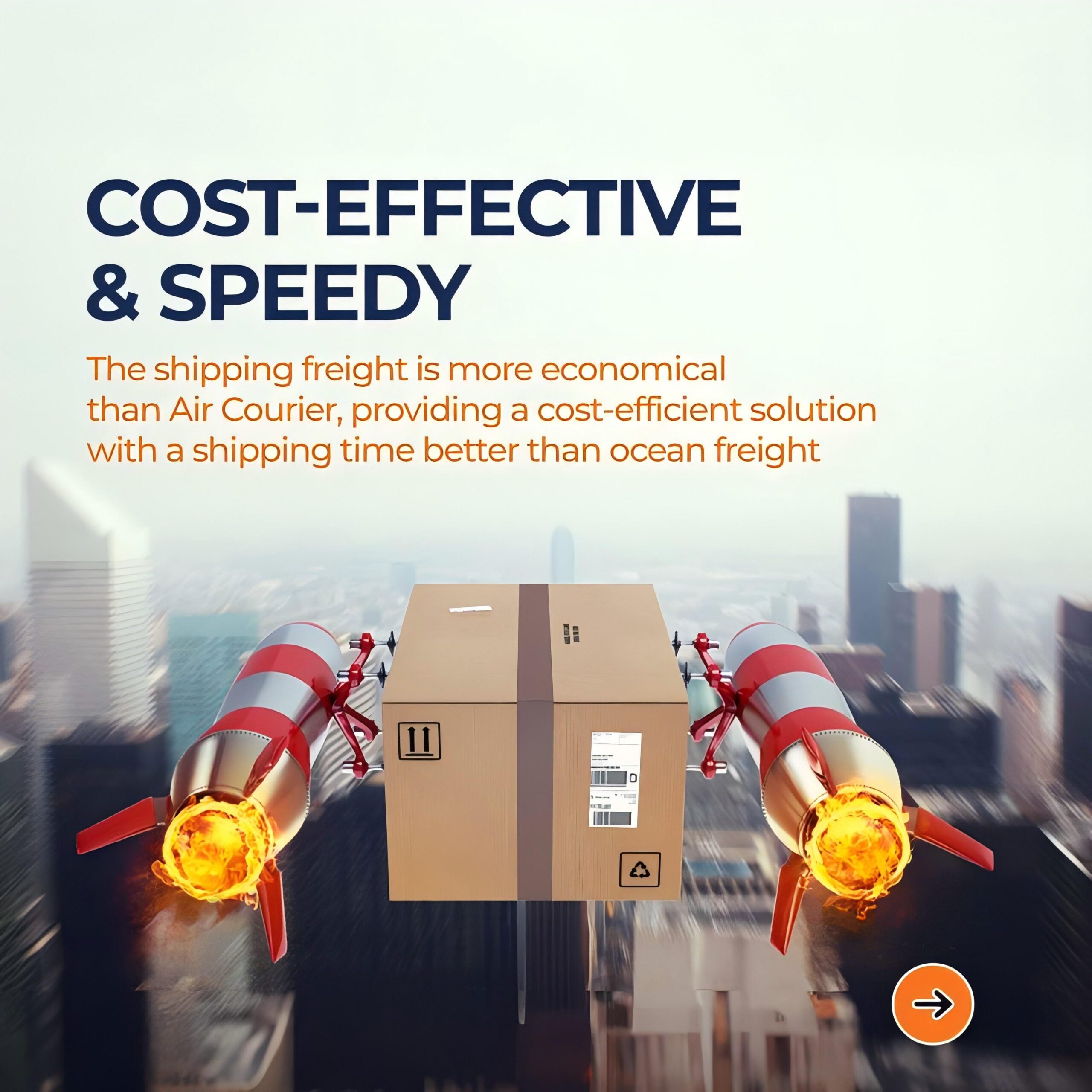
Understanding Books Shipping China to Europe: The Landscape
The global book market heavily relies on efficient cross-border logistics. China’s printing industry is a primary source for publishers worldwide. Therefore, understanding shipping specifics from China to European destinations is crucial.
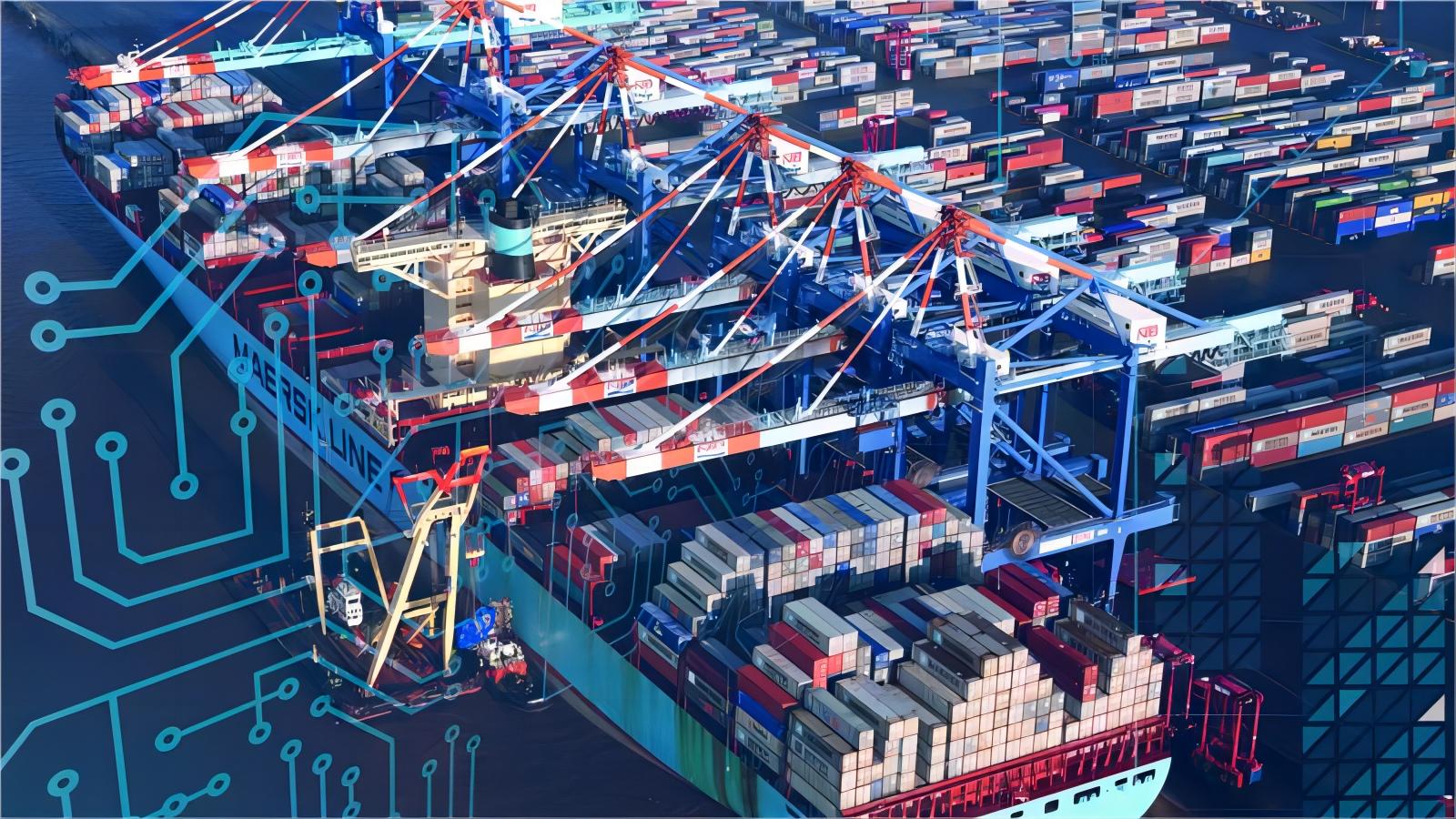
This process, however, presents complexities. Fluctuating freight rates, varying transit times, and stringent customs requirements pose hurdles. Effective management ensures timely delivery and cost-efficiency for your book shipments.
Specialized cargo handling is often necessary due to the volume of books. Proper packaging and consolidation are vital to prevent damage during transit. This initial insight guides optimizing your entire books shipping strategy.
A well-planned logistics strategy significantly impacts your bottom line. It mitigates risks and ensures a smooth flow of goods. Investing time in understanding these dynamics is highly beneficial for your book business.
Key Shipping Methods for Books from China to Europe
When planning shipping from China to Europe, several primary methods exist. Each offers distinct advantages and disadvantages. Your choice depends on budget, urgency, and book volume.
Consider your book cargo’s specific nature. High-value, time-sensitive educational materials might need faster transit. Conversely, bulk novels can tolerate longer shipping durations. This guides selecting the most appropriate freight solution.
Sea Freight for Bulk Books
Sea freight remains the most economical option for large book volumes. It suits publishers with flexible delivery schedules. Transit times typically range from 28 to 45 days, depending on ports.
Two main options are available: Full Container Load (FCL) and Less than Container Load (LCL). FCL fills an entire container, while LCL shares space. Learn more about sea freight options.
FCL generally offers better security and faster transit within sea freight. LCL is more cost-effective for smaller quantities. Assess your shipment size for the best container option for your book freight.
Air Freight for Urgent Book Shipments
For time-critical book shipments, air freight is the fastest method. It reduces transit times to approximately 3-7 days. This speed is invaluable for new releases or academic texts.
However, this speed comes at a higher cost. Air freight rates are significantly more expensive than sea or rail. It’s reserved for smaller, high-value, or urgent consignments. Explore our air freight services for rapid delivery.
Despite the cost, air cargo’s reliability and quick turnaround prevent stockouts and meet tight deadlines. It’s a strategic choice when immediate market availability is crucial for book sales.
Rail Freight: A Balanced Option
Rail freight offers a middle-ground solution for rail freight for books shipping China to Europe. It balances air freight’s speed with sea freight’s cost-effectiveness. Transit times typically range from 15 to 25 days.
This method attracts landlocked European countries or those seeking faster delivery than ocean shipping. The New Silk Road railway network enhances its viability. It presents a compelling alternative for many book importers.
Rail freight often boasts better environmental credentials than air freight. It can also be more reliable in schedule adherence than sea freight. Thus, it provides a robust and eco-conscious option for your book logistics.
How Do Different Shipping Methods Compare for Books Shipping China to Europe?
Choosing the right shipping method for books from China to Europe requires understanding each option’s trade-offs. This comparison helps weigh cost, speed, and suitability against your business needs. Each method caters to different priorities.
Large publishing houses often use a mix of methods based on release schedules. Smaller distributors might prioritize cost savings for bulk book imports. Therefore, a tailored approach is always best for your book freight.
| Shipping Method | Cost Range (per 40HQ/CBM) | Transit Time (days) | Best For | Limitations |
|---|---|---|---|---|
| Sea Freight (FCL) | $3,000-4,200 (40HQ) | 28-45 | Large volumes, non-urgent, lowest cost | Long transit times, port congestion risk |
| Sea Freight (LCL) | $50-80 (per CBM) | 35-50 | Smaller volumes, cost-sensitive, flexible | Longer transit than FCL, potential for delays |
| Rail Freight | $8,000-12,000 (40HQ) | 15-25 | Medium urgency, balanced cost/speed, landlocked destinations | Limited routes, higher cost than sea |
| Air Freight | $15,000-25,000 (equivalent 40HQ volume) | 3-7 | Urgent, high-value, small volumes, new releases | Highest cost, weight/volume restrictions |
| Express Service | Variable (parcel-based) | 2-5 | Very small, urgent samples or documents | Very high cost for bulk, not suitable for commercial volumes |
Factors Influencing Books Shipping Costs and Transit Times
Several critical factors dictate the overall cost and delivery schedule for door-to-door books shipping from China to Europe. Understanding these elements is essential for budgeting and planning. Market dynamics significantly alter these figures.
Seasonal demand and global events, like port congestion, cause rates to fluctuate. Staying informed about these trends helps forecast expenses. This proactive approach minimizes unexpected costs and delays for your book freight.
Decoding Freight Rates
Freight rates are highly dynamic, influenced by fuel costs, carrier capacity, and trade volumes. Peak seasons (August-October) often see rates increase by 15-25%. This seasonality is crucial for book importers.
As of Q1 2025, rates from China to Europe stabilized after 2024 Red Sea disruptions. However, they remain susceptible to geopolitical shifts. Always secure a current quote for accurate pricing. Indeed, market data suggests careful planning.
Additional surcharges, like BAF and CAF, impact the final cost. Port charges at origin and destination also contribute. Therefore, a comprehensive quote is always recommended for your book shipments.
Transit Time Considerations
Transit time varies by shipping method, route, and transshipment points. Direct routes are faster but more expensive. Routes with transshipments offer savings but extend delivery schedules.
Port congestion, customs delays, and weather affect timelines. Sea freight from Shanghai to Rotterdam might take 30-35 days, but delays can add weeks. Building in buffer time is a smart strategy for reliable book delivery.
Considering these variables, a robust delivery schedule is achievable with proper planning. Communication with your freight forwarder is key. Ultimately, this ensures smoother operations for your book distribution.
Navigating Customs and Documentation for Books
Customs clearance is a critical, often complex, step in books shipping China to Europe. Proper documentation and understanding import duties and VAT are essential. This avoids delays and unexpected costs.
EU regulations require specific compliance for imported goods. This includes product safety standards and proper labeling. Therefore, thorough preparation is paramount for a smooth customs process.
Engaging a reliable freight forwarder with expertise in customs brokerage simplifies this stage. Their knowledge of local regulations is invaluable. This partnership ensures compliance and efficiency for your book imports.
Essential Documents Checklist for Book Imports
To facilitate smooth customs clearance, several key documents are required. Preparing these in advance prevents common delays. Accuracy and completeness are vital for each submission.
| Document | Purpose | Notes |
|---|---|---|
| Commercial Invoice | Details of goods, value, seller/buyer | Accurate description, HS codes, ISBNs |
| Packing List | Contents of each package | Matches invoice, clearly itemized |
| Bill of Lading (B/L) / Air Waybill (AWB) | Contract of carriage, title to goods | Provided by carrier, essential for release |
| Certificate of Origin | Confirms country of manufacture | May impact preferential duty rates |
| EORI Number | EU Economic Operator Registration and Identification | Required for all EU businesses importing/exporting |
| Import License (if applicable) | Permission for restricted goods | Rare for books, but check for specific types |
Customs Clearance Process and Duties
Upon arrival in Europe, your book shipment undergoes customs inspection. Import duties and VAT are assessed based on HS codes and declared value. Books fall under specific HS codes, influencing duty rates.
For most books, duty rates can be low or zero in some EU countries, but VAT is almost always applicable. VAT rates vary significantly across EU member states. Understanding these rates is critical for accurate pricing, especially for books.
Discrepancies in documentation or valuation can trigger scrutiny. This leads to delays and penalties. Ensuring accurate and consistent information across all documents is crucial. This meticulous approach safeguards against costly complications.
Real-World Scenarios: Books Shipping China to Europe Case Studies
Real-world examples illustrate the practical application of different shipping strategies for books from China to Europe. These cases highlight various challenges and successful outcomes. They show how tailored logistics meet specific client needs for book freight.
Case Study 1: Large Volume Publisher – New Novel Release
| Detail | Description |
|---|---|
| Route | Shanghai, China Rotterdam, Netherlands |
| Cargo | 30,000 copies of a new novel, 60 CBM, 25,000 kg |
| Container | 2 x 40HQ FCL |
| Shipping Details | |
| – Carrier/Service | COSCO (Major carrier) |
| – Port of Loading | Shanghai |
| – Port of Discharge | Rotterdam |
| – Route Type | Direct |
| Cost Breakdown (Based on Q3 2024 market rates) | |
| – Ocean Freight | $8,000 (2 x 40HQ) |
| – Origin Charges (THC, documentation) | $600 |
| – Destination Charges | $800 |
| – Customs & Duties (estimated) | $1,500 (low duty, VAT extra) |
| – Total Landed Cost (excluding VAT) | $10,900 |
| Timeline | |
| – Booking to Loading | 5 days |
| – Sea Transit | 32 days |
| – Customs Clearance | 3 days |
| – Total Door-to-Door | 40 days |
| Key Insight | Optimized FCL booking during non-peak season yielded significant cost savings and reliable transit for bulk book shipping. |
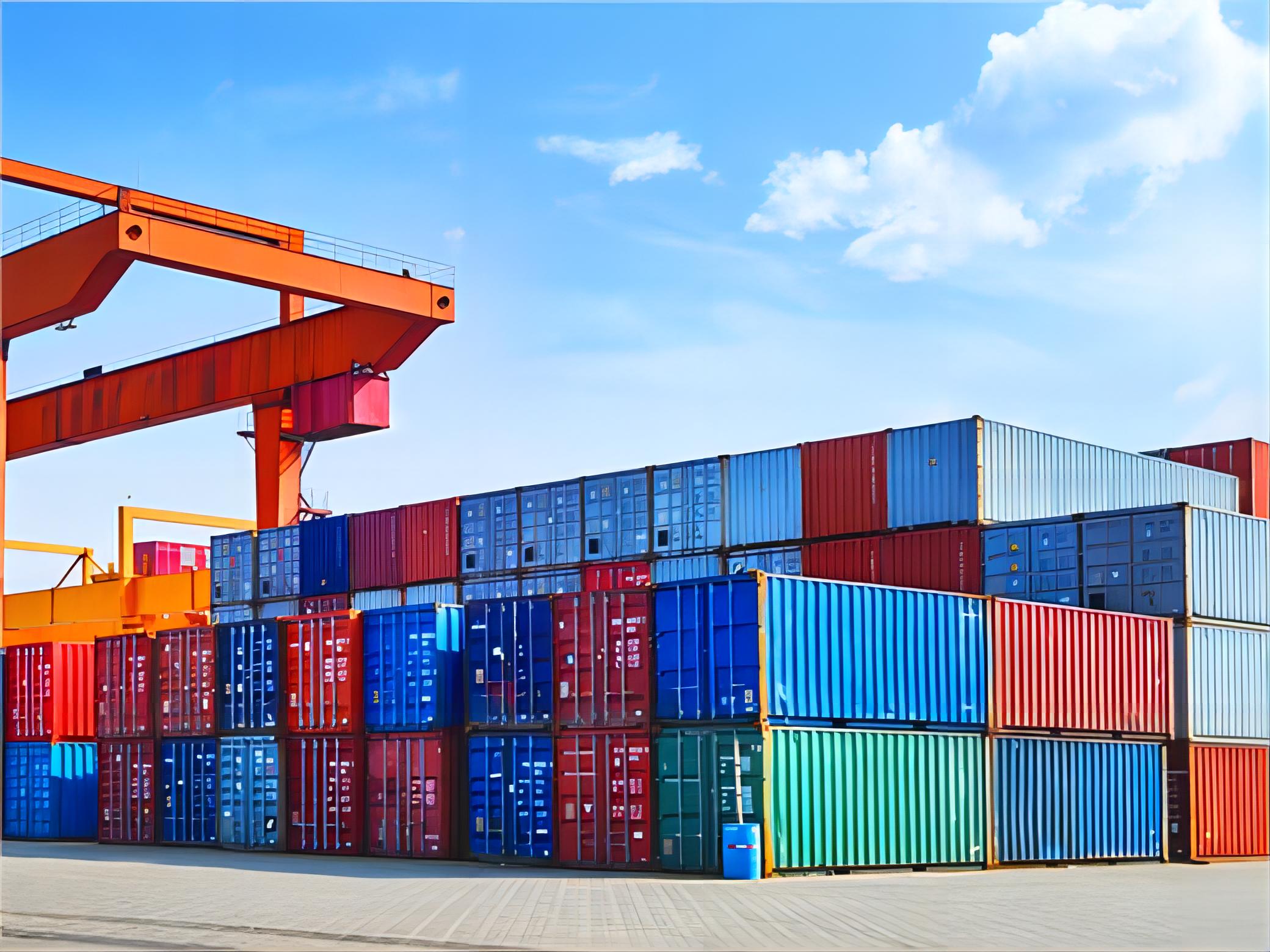
Case Study 2: Independent Bookstore – Diverse Backlist Order
| Detail | Description |
|---|---|
| Route | Ningbo, China Hamburg, Germany |
| Cargo | 2,500 mixed backlist titles, 8 CBM, 3,500 kg |
| Container | LCL 8 CBM |
| Shipping Details | |
| – Carrier/Service | Maersk (Major carrier) |
| – Port of Loading | Ningbo |
| – Port of Discharge | Hamburg |
| – Route Type | Transshipment via Singapore |
| Cost Breakdown (Typical rates as of early 2025) | |
| – Ocean Freight | $640 (8 CBM x $80/CBM) |
| – Origin Charges (THC, documentation) | $150 |
| – Destination Charges | $250 |
| – Customs & Duties (estimated) | $300 (low duty, VAT extra) |
| – Total Landed Cost (excluding VAT) | $1,340 |
| Timeline | |
| – Booking to Loading | 7 days |
| – Sea Transit | 38 days |
| – Customs Clearance | 4 days |
| – Total Door-to-Door | 49 days |
| Key Insight | LCL proved cost-effective for smaller, diverse orders, despite slightly longer transit due to transshipment and consolidation. |
Case Study 3: Educational Publisher – Urgent Textbook Delivery
| Detail | Description |
|---|---|
| Route | Shenzhen, China London, UK |
| Cargo | 500 specialized textbooks, 2 CBM, 800 kg |
| Container | Air Cargo |
| Shipping Details | |
| – Carrier/Service | Cathay Pacific Cargo (Major airline) |
| – Port of Loading | Shenzhen (via Hong Kong) |
| – Port of Discharge | London Heathrow |
| – Route Type | Direct Air Freight |
| Cost Breakdown (Based on Q1 2025 market rates) | |
| – Air Freight | $2,400 (2 CBM x $1,200/CBM equivalent) |
| – Origin Charges | $100 |
| – Destination Charges | $150 |
| – Customs & Duties (estimated) | $200 (low duty, VAT extra) |
| – Total Landed Cost (excluding VAT) | $2,850 |
| Timeline | |
| – Booking to Loading | 2 days |
| – Air Transit | 4 days |
| – Customs Clearance | 1 day |
| – Total Door-to-Door | 7 days |
| Key Insight | Air freight, though expensive, was crucial for meeting an academic deadline, ensuring textbooks were available for the start of term. |
Optimizing Your Book Supply Chain from China to Europe
Beyond choosing a shipping method, several strategies optimize your book supply chain. These proactive measures enhance efficiency and reduce risks. Implementing best practices ensures smoother operations.
Consider the entire journey of your books, from print factory to retail shelf. Each step offers an improvement opportunity. Consequently, a holistic approach to logistics management is highly beneficial.
This includes everything from initial order placement to final delivery. Therefore, continuous evaluation and refinement of your processes are essential for long-term success in shipping books from China to Europe.
Smart Packaging and Palletization
Proper packaging is paramount for protecting books during long international transit. Books are susceptible to moisture, impact, and crushing. Use sturdy cartons, moisture barriers, and appropriate dunnage.
Palletization significantly improves cargo handling efficiency and reduces damage risk. Securely shrink-wrap and strap cartons to pallets for stability. This facilitates easier loading and unloading, speeding operations.
Always ensure packaging complies with international shipping standards. This prevents potential issues during inspection and handling. Ultimately, robust packaging safeguards your investment in books.
Consolidation Strategies
For smaller or diverse orders, consolidating multiple shipments into one container (LCL) saves substantial costs. This strategy optimizes container space. Consequently, it reduces per-unit shipping costs for your books.
Work with a freight forwarder offering consolidation services. They manage multiple pickups and combine them efficiently. This simplifies logistics for importers with various Chinese suppliers. Inquire about their consolidation capabilities.
Strategic consolidation can also lead to fewer customs declarations and simplified paperwork. This streamlines the import process into Europe. It’s a smart way to manage book inventory and freight expenses.
Insurance and Risk Management
Despite best efforts, unforeseen events can occur during transit. Cargo insurance provides financial protection against loss or damage to your book shipments. It’s a small investment offering peace of mind.
Factors like extreme weather, theft, or accidents can impact cargo. Discuss insurance options with your freight forwarder to understand coverage. This ensures adequate protection for your valuable book inventory.
Consider potential delays and build contingency plans into your schedule. Alternative solutions mitigate disruption impacts. This comprehensive risk management approach is vital for reliable book supply chains.
Which Option Should You Choose for Your Books Shipping?
Deciding on the best shipping method for your books from China to Europe depends on your business priorities. A decision framework clarifies the most suitable approach. Consider these key criteria before making your choice.
Budget-Driven Decisions
If cost-effectiveness is your top priority for bulk orders, sea freight (FCL or LCL) is the clear winner. While transit times are longer, per-unit costs are significantly lower. This is ideal for stocking inventory without urgency.
For very large volumes, FCL offers the best unit price. LCL is perfect for smaller quantities not filling a full container. Therefore, align your budget with the volume and urgency of your book imports.
Speed and Urgency
When speed is paramount, such as for new releases or urgent restocking, air freight is indispensable. It ensures the fastest delivery to market, typically within days. However, prepare for substantially higher shipping costs.
Rail freight offers a good compromise. It provides faster delivery than sea freight at a more moderate cost than air. This makes it a viable option for moderately urgent book shipments. Consequently, it balances speed with budget effectively.
Cargo Type and Volume Considerations
The nature and volume of your book cargo influence the best choice. Heavy, durable paperbacks in large quantities suit sea freight. Delicate, high-value art books might benefit from air freight’s gentler handling.
For shipments under 15 CBM, LCL sea freight or rail freight are often more economical than FCL. For anything above 15 CBM, FCL generally becomes more cost-efficient. Therefore, accurately assess your cargo’s characteristics and dimensions.
Partnering with a Reliable Freight Forwarder for Your Books Shipping
Navigating the complexities of books shipping China to Europe requires expert guidance. A professional freight forwarder acts as your logistics partner. They ensure a smooth and efficient process.
A good freight forwarder offers comprehensive services, from origin pickup to final delivery. This includes customs clearance, documentation, and cargo tracking. They simplify the entire supply chain, allowing you to focus on your core business.
Furthermore, they provide insights into market trends, helping secure competitive freight rates and optimize transit times. Their network prevents costly mistakes and delays. Therefore, choosing the right partner is a strategic decision for your book imports.
Final Thoughts on Books Shipping China to Europe
In conclusion, successful books shipping from China to Europe hinges on careful planning and informed decision-making. By understanding shipping methods, cost drivers, and customs, you build a resilient supply chain. This ensures cost-effectiveness for your book business.
Whether prioritizing speed, cost, or a balance, a solution exists for every book shipment. Partnering with an experienced logistics provider significantly eases this complex process. This ensures your valuable cargo arrives safely and on time.
Ultimately, mastering the intricacies of importing books from China to Europe empowers your business to thrive. Stay informed, plan ahead, and choose wisely to achieve your shipping goals.

Get Your Shipping Quote Today
Ready to streamline your books shipping from China to Europe? Get a personalized quote and expert advice tailored to your specific needs. Contact us today to discuss your next book shipment and ensure a seamless delivery process.
Request Quote