
Cargo Handling China to Belgium: Your Ultimate Shipping Guide
Navigating efficient cargo handling from China to Belgium requires strategic planning and a deep understanding of international logistics. Businesses importing goods need reliable solutions to ensure timely and cost-effective delivery. This comprehensive guide explores key considerations and strategies for optimizing your shipments to Belgium.
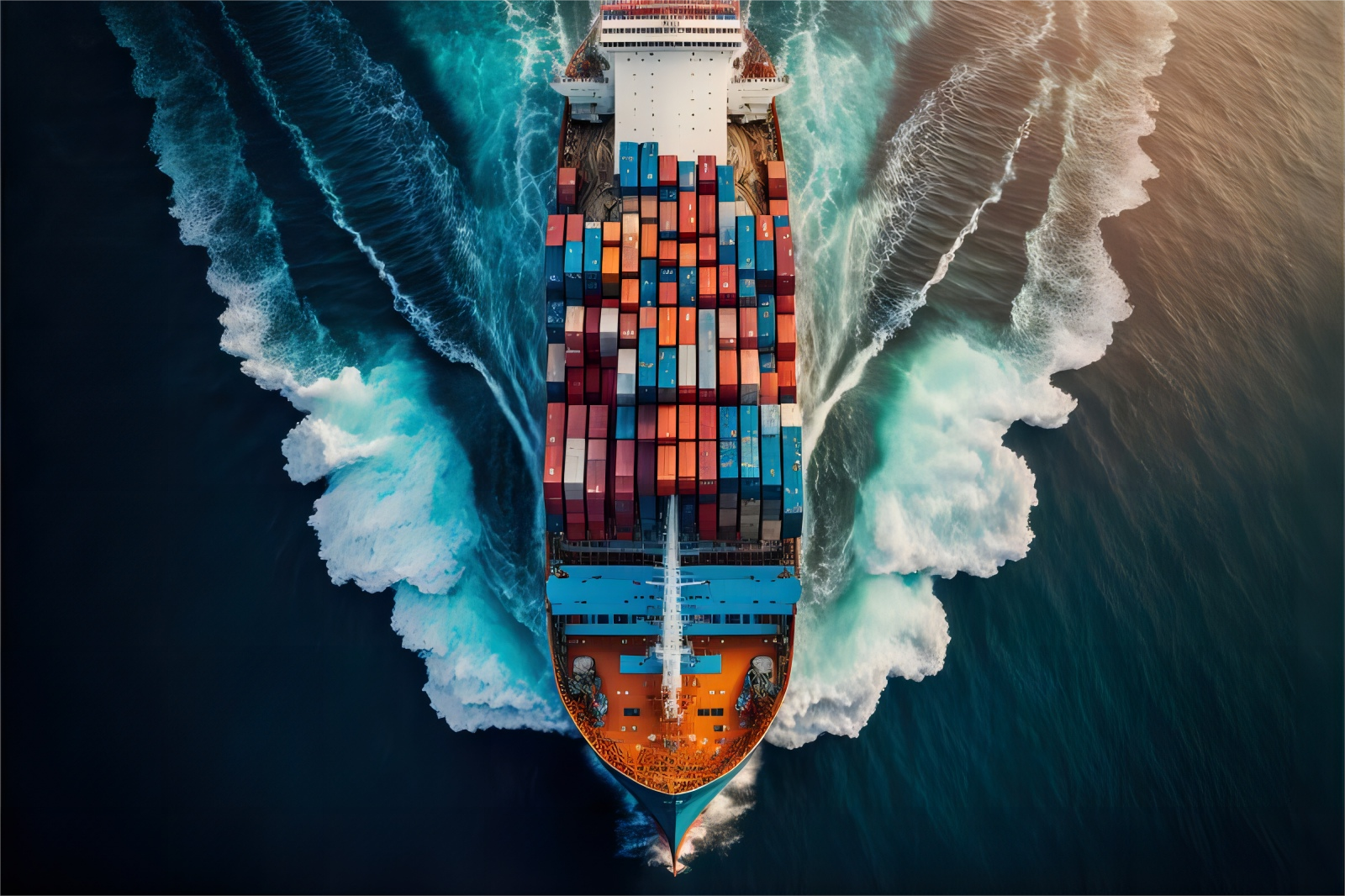
Why is Efficient Cargo Handling China to Belgium Crucial?
Belgium serves as a vital gateway to the European market, thanks to its central location and world-class ports like Antwerp-Bruges and Zeebrugge. Consequently, understanding the nuances of shipping from China to this key hub is essential for many businesses.
Indeed, effective cargo handling ensures your goods reach their destination efficiently, minimizing delays and reducing overall shipping costs from China to Europe. Moreover, it directly impacts your supply chain’s reliability and customer satisfaction.
Furthermore, with increasing global trade volumes, optimizing every step of the logistics process, from origin to final delivery, becomes paramount. This includes everything from initial booking to final customs clearance and last-mile delivery.
Key Shipping Methods for Cargo Handling China to Belgium
Several primary transportation modes facilitate cargo handling from China to Belgium, each offering distinct advantages based on speed, cost, and cargo type. Choosing the right method is fundamental to successful international trade.
Therefore, evaluating your specific needs, such as transit time requirements, budget constraints, and the nature of your goods, is a critical first step. This evaluation will guide you towards the most appropriate logistics solution.
Sea Freight: The Economical Choice for Bulk Shipments
Without a doubt, sea freight remains the most cost-effective option for large volumes and heavy cargo. It is ideal for non-urgent shipments, offering significant savings compared to other methods.
Typically, transit times for container shipping from major Chinese ports like Shanghai or Ningbo to Antwerp-Bruges range from 28 to 35 days. However, these times can vary based on the specific route and carrier. Many businesses rely on FCL (Full Container Load) or LCL (Less than Container Load) options to manage their inventory effectively.
Air Freight: For Speed and Urgency
Conversely, air freight is the fastest method, perfect for high-value, time-sensitive, or perishable goods. While more expensive, it significantly reduces transit time.
Generally, air cargo from China to Belgium takes about 3-7 days, including customs clearance processes. Major airports like Shanghai Pudong (PVG) and Beijing Capital (PEK) connect directly or via short layovers to Brussels Airport (BRU) or Liege Airport (LGG).
Rail Freight: The Balanced Option for China-Europe Trade
A increasingly popular alternative, rail freight offers a balance between the speed of air freight and the cost-effectiveness of sea freight. It’s particularly suitable for goods that are not extremely urgent but still require faster delivery than ocean shipping.
Moreover, transit times for rail freight from China to Belgium typically range from 18 to 22 days. This method utilizes the New Silk Road rail network, connecting cities like Xi’an or Chongqing to European hubs, often through Duisburg, Germany, before reaching Belgium.
In addition, rail freight is often seen as a more environmentally friendly option compared to air transport, aligning with growing sustainability goals for many businesses.
How Does Each Shipping Method Compare for Cargo Handling China to Belgium?
Understanding the trade-offs between different shipping methods is paramount for strategic planning. Each option presents a unique combination of cost, speed, and suitability for various cargo types.
Therefore, a comprehensive comparison helps businesses make informed decisions that align with their budget, delivery timelines, and product requirements. This table provides a clear overview of the primary differences.
| Shipping Method | Cost Range (per kg/CBM) | Transit Time (Days) | Best For | Limitations |
|---|---|---|---|---|
| Sea Freight (FCL) | $3,000-4,200 (40HQ) | 28-35 | Large volume, heavy, non-urgent goods | Slowest transit, port congestion risk |
| Sea Freight (LCL) | $50-80 (per CBM) | 30-40 | Smaller shipments, cost-sensitive | Longer transit, potential for delays |
| Air Freight | $4.50-8.00 (per kg) | 3-7 | Urgent, high-value, perishable goods | Highest cost, volume/weight restrictions |
| Rail Freight | $0.80-1.50 (per kg) | 18-22 | Mid-range urgency, balanced cost | Less flexible routes, limited capacity |
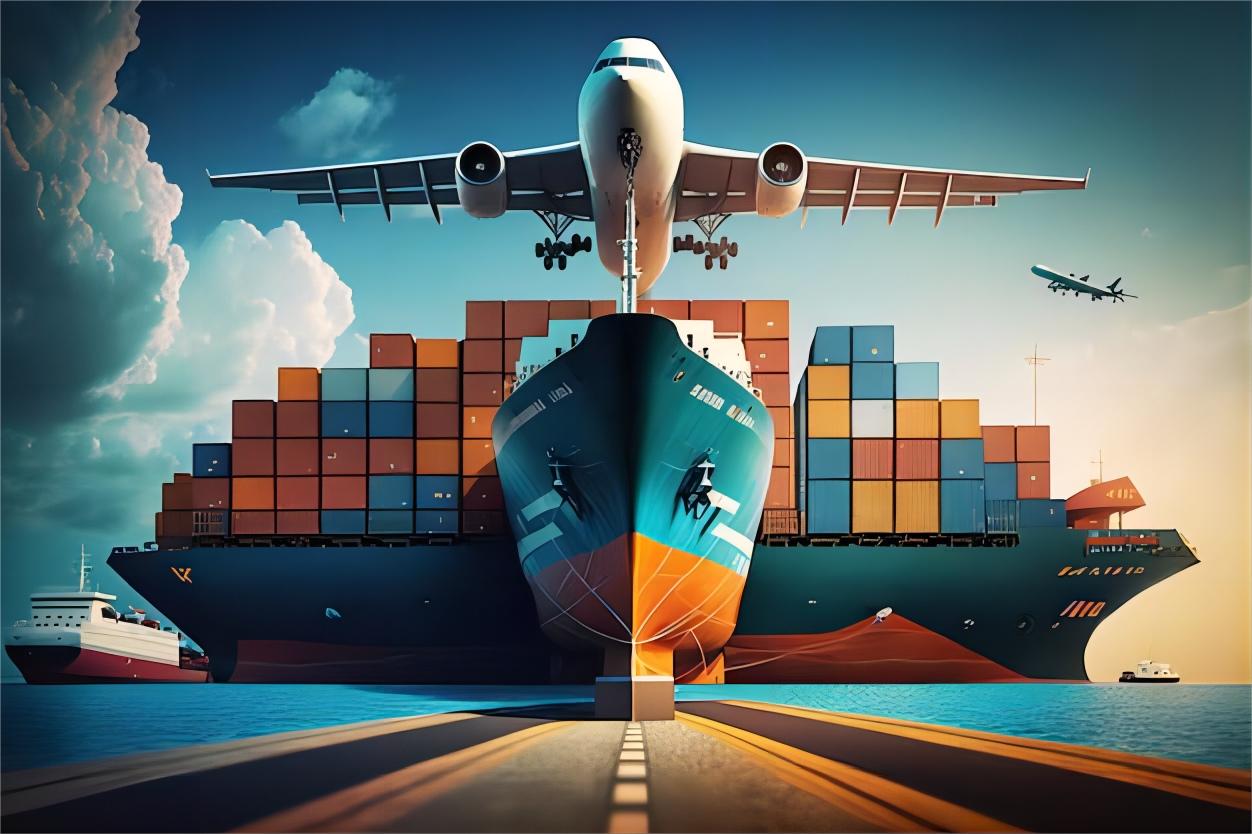
Understanding Customs Brokerage and Documentation for China-Belgium Shipments
Customs clearance is a critical, yet often complex, aspect of cargo handling from China to Belgium. Proper documentation and adherence to regulations are essential to avoid delays and penalties.
Consequently, businesses must ensure all necessary paperwork is accurately prepared and submitted in a timely manner. This includes commercial invoices, packing lists, bills of lading or air waybills, and certificates of origin.
Furthermore, engaging a professional customs brokerage service can significantly streamline this process. Such experts possess in-depth knowledge of both Chinese export and Belgian import regulations, ensuring compliance and efficiency.
Essential Documents for Import into Belgium
Several key documents are required for smooth import into Belgium. Preparing these in advance is crucial for efficient cargo handling and avoiding customs hold-ups.
Indeed, inaccuracies or omissions can lead to significant delays and additional costs. Therefore, meticulous attention to detail is paramount.
| Document Type | Purpose | Key Information |
|---|---|---|
| Commercial Invoice | Proof of sale, customs valuation | Seller/buyer details, product description, value, Incoterms |
| Packing List | Details of cargo contents | Number of packages, weight, dimensions, marks and numbers |
| Bill of Lading / Air Waybill | Contract of carriage, title of goods | Consignor/consignee, carrier details, port of loading/discharge |
| Certificate of Origin | Proof of country of manufacture | Required for preferential tariffs or specific regulations |
| Import License / Permits | Regulatory compliance | Required for certain goods (e.g., restricted items, food, medical devices) |
Case Studies: Real-World Cargo Handling China to Belgium
Examining real-world scenarios provides practical insights into the complexities and solutions involved in shipping from China to Belgium. These examples highlight different approaches based on cargo type, urgency, and budget.
These case studies, based on typical rates as of early 2025, illustrate how various shipping methods can be effectively utilized for diverse business needs. They also shed light on common challenges and successful strategies.
Case Study 1: E-commerce Apparel Shipment
| Detail | Description |
|---|---|
| Route | Guangzhou, China -> Antwerp, Belgium |
| Cargo | Fashion apparel, 12 CBM, 2,500 kg |
| Container | LCL 12 CBM |
| Shipping Details | |
| – Carrier/Service | Major ocean carrier (e.g., COSCO) |
| – Port of Loading | Nansha, Guangzhou |
| – Port of Discharge | Antwerp-Bruges |
| – Route Type | Transshipment via Singapore |
| Cost Breakdown | |
| – Ocean Freight | $960 (estimated $80/CBM) |
| – Origin Charges (THC, documentation) | $180 |
| – Destination Charges | $250 |
| – Customs & Duties (estimated) | $500 (based on 10% value of goods) |
| – Total Landed Cost | $1,890 (excluding VAT) |
| Timeline | |
| – Booking to Loading | 5 days |
| – Sea Transit | 32 days |
| – Customs Clearance | 3 days |
| – Total Door-to-Door | 45 days |
| Key Insight | LCL was cost-effective for mid-volume, non-urgent goods. Transshipment added a few days but offered better rates during peak season. |
Case Study 2: Industrial Machinery Parts for Manufacturing
| Detail | Description |
|---|---|
| Route | Shanghai, China -> Brussels, Belgium |
| Cargo | Precision machinery parts, 250 kg, urgent |
| Container | Air Cargo |
| Shipping Details | |
| – Carrier/Service | Major air cargo carrier (e.g., Lufthansa Cargo) |
| – Port of Loading | Shanghai Pudong (PVG) |
| – Port of Discharge | Brussels Airport (BRU) |
| – Route Type | Direct flight |
| Cost Breakdown | |
| – Air Freight | $1,500 (estimated $6/kg) |
| – Origin Charges (handling, documentation) | $120 |
| – Destination Charges | $100 |
| – Customs & Duties (estimated) | $300 (based on 5% value of goods) |
| – Total Landed Cost | $2,020 (excluding VAT) |
| Timeline | |
| – Booking to Loading | 2 days |
| – Air Transit | 1 day |
| – Customs Clearance | 1 day |
| – Total Door-to-Door | 5 days |
| Key Insight | Air freight was chosen for critical parts to prevent production line stoppage, justifying the higher cost due to urgency. Rapid customs clearance was vital. |
Case Study 3: Large Volume Consumer Electronics
| Detail | Description |
|---|---|
| Route | Shenzhen, China -> Zeebrugge, Belgium |
| Cargo | Consumer electronics, 40HQ container |
| Container | 40HQ (Full Container Load) |
| Shipping Details | |
| – Carrier/Service | Major ocean carrier (e.g., Maersk) |
| – Port of Loading | Yantian, Shenzhen |
| – Port of Discharge | Zeebrugge |
| – Route Type | Direct service |
| Cost Breakdown | |
| – Ocean Freight | $3,800 (FCL 40HQ, typical rates as of Q1 2025) |
| – Origin Charges (THC, documentation) | $250 |
| – Destination Charges | $300 |
| – Customs & Duties (estimated) | $1,500 (based on 8% value of goods) |
| – Total Landed Cost | $5,850 (excluding VAT) |
| Timeline | |
| – Booking to Loading | 4 days |
| – Sea Transit | 30 days |
| – Customs Clearance | 2 days |
| – Total Door-to-Door | 38 days |
| Key Insight | FCL provided excellent per-unit cost for high-volume goods. Direct service minimized transit time and transshipment risks, important for inventory management. |
Which Option Should You Choose for Your Cargo Handling China to Belgium?
Selecting the optimal shipping method for your cargo handling China to Belgium depends entirely on your business priorities. A clear decision framework helps align logistics with strategic goals.
Therefore, consider the following criteria before finalizing your choice. Each factor plays a significant role in the overall efficiency and success of your import operations.
Budget Priority
If minimizing shipping costs is your primary concern, sea freight (especially LCL for smaller volumes or FCL for larger ones) is generally the most economical choice. However, be prepared for longer transit times.
For instance, for shipments under 15 CBM, LCL at $50-80/CBM may be more economical than a full container. Always compare total landed costs, not just freight rates.
Speed Priority
When urgency is paramount, such as for perishable goods, high-value items, or critical components, air freight is undoubtedly the best option. It offers the quickest delivery, albeit at a higher price point.
Conversely, rail freight provides a good middle ground, significantly faster than sea freight but more affordable than air. This makes it suitable for products with moderate urgency.
Cargo Type Considerations
The nature of your goods heavily influences the suitable shipping method. Large, bulky, or non-perishable items are well-suited for sea freight.
On the other hand, fragile, temperature-sensitive, or hazardous materials might require specialized handling and potentially air freight for faster, more controlled transit. Always check specific regulations for your cargo.
Volume Thresholds for Switching Methods
For small shipments (under 1-2 CBM), express service or LCL sea freight are viable. As volume increases, LCL becomes more economical than express, but FCL sea freight eventually offers the best per-unit cost for larger quantities.
Consequently, businesses should regularly re-evaluate their shipping strategy as their order volumes change. This ensures they are always utilizing the most cost-effective and efficient method available.
Cost-Saving Strategies and Market Insights for China-Belgium Logistics
Optimizing your logistics strategy involves more than just choosing a shipping method; it requires understanding market dynamics and implementing smart cost-saving tactics. Current market conditions, as of Q1 2025, show a stabilization of freight rates from China to Europe after the Red Sea disruptions.
However, businesses should remain vigilant, as rates can fluctuate based on fuel costs, carrier capacity, and geopolitical events. Proactive planning and flexibility are key to navigating these changes effectively.
Leveraging Hybrid and Multimodal Solutions
Consider hybrid solutions like sea-air or rail-sea combinations for a balance of speed and cost. For example, shipping goods by sea to a European hub and then by rail or truck to Belgium can optimize transit and cost.
Furthermore, these multimodal strategies offer greater flexibility in your supply chain, especially during peak seasons or when facing unexpected disruptions. They allow for agility that single-mode transport might lack.
Optimizing Container Utilization
For FCL shipments, ensure you fully utilize container space. Even a partially filled container costs the same as a full one in terms of base freight. Therefore, efficient loading can significantly reduce per-unit shipping costs.
Similarly, for LCL, proper packaging and accurate volumetric weight calculations are crucial. This helps avoid unexpected charges and ensures you’re paying fairly for the space you occupy.
Negotiating with Freight Forwarders
Building strong relationships with experienced freight forwarders, like Top China Freight, can lead to better rates and service. They often have access to discounted bulk rates and can offer valuable advice on routes and documentation.
Indeed, a good freight forwarder acts as an extension of your logistics team, providing expertise in areas like door-to-door shipping, customs compliance, and supply chain optimization. They are crucial partners in successful cargo handling from China to Belgium.
Seasonal Rate Variations and Peak Season Surcharges
Freight rates typically increase by 15-25% during peak seasons, such as August-October (pre-holiday rush) and before Chinese New Year. Planning shipments outside these periods can yield substantial savings.
Additionally, booking well in advance during peak times can help secure space and avoid last-minute price surges. Market data suggests early bookings are always beneficial.
Mastering Your Cargo Handling China to Belgium
In conclusion, successful <a href=”https://Top China Freight.com/”>cargo handling from China to Belgium</a> hinges on strategic decision-making, meticulous planning, and a deep understanding of logistics options. Whether you prioritize speed, cost, or a balance of both, a suitable shipping method exists for your needs.
By leveraging expert freight forwarding services, optimizing documentation, and staying informed about market trends, businesses can ensure seamless and cost-effective delivery of goods. Ultimately, this leads to a robust and reliable supply chain.
Therefore, continuous evaluation of your shipping strategies is essential to adapt to changing market conditions and maintain a competitive edge. Partnering with a knowledgeable logistics provider can make all the difference.
Get Your Shipping Quote Today
Ready to streamline your cargo handling from China to Belgium? Contact our expert team today for a personalized quote and discover how our tailored logistics solutions can optimize your supply chain. We are committed to providing efficient and reliable shipping services for your business.
Request Quote