

Cheap Customs Clearance from China to Italy: 2025 Logistics Guide
Securing cheap customs clearance from China to Italy is a vital step for businesses looking to maintain high profit margins in the competitive European market. Navigating the complexities of Italian import regulations requires a strategic approach to documentation and logistics management. Consequently, importers must understand the nuances of EU customs protocols to avoid costly delays and penalties.

Understanding Cheap Customs Clearance from China to Italy
Importing goods from China to Italy involves several regulatory hurdles that can impact your total landed cost. Specifically, the Italian Customs Agency requires precise classification of goods using Harmonized System codes. Therefore, accurate documentation is the foundation of any cost-effective shipping strategy.
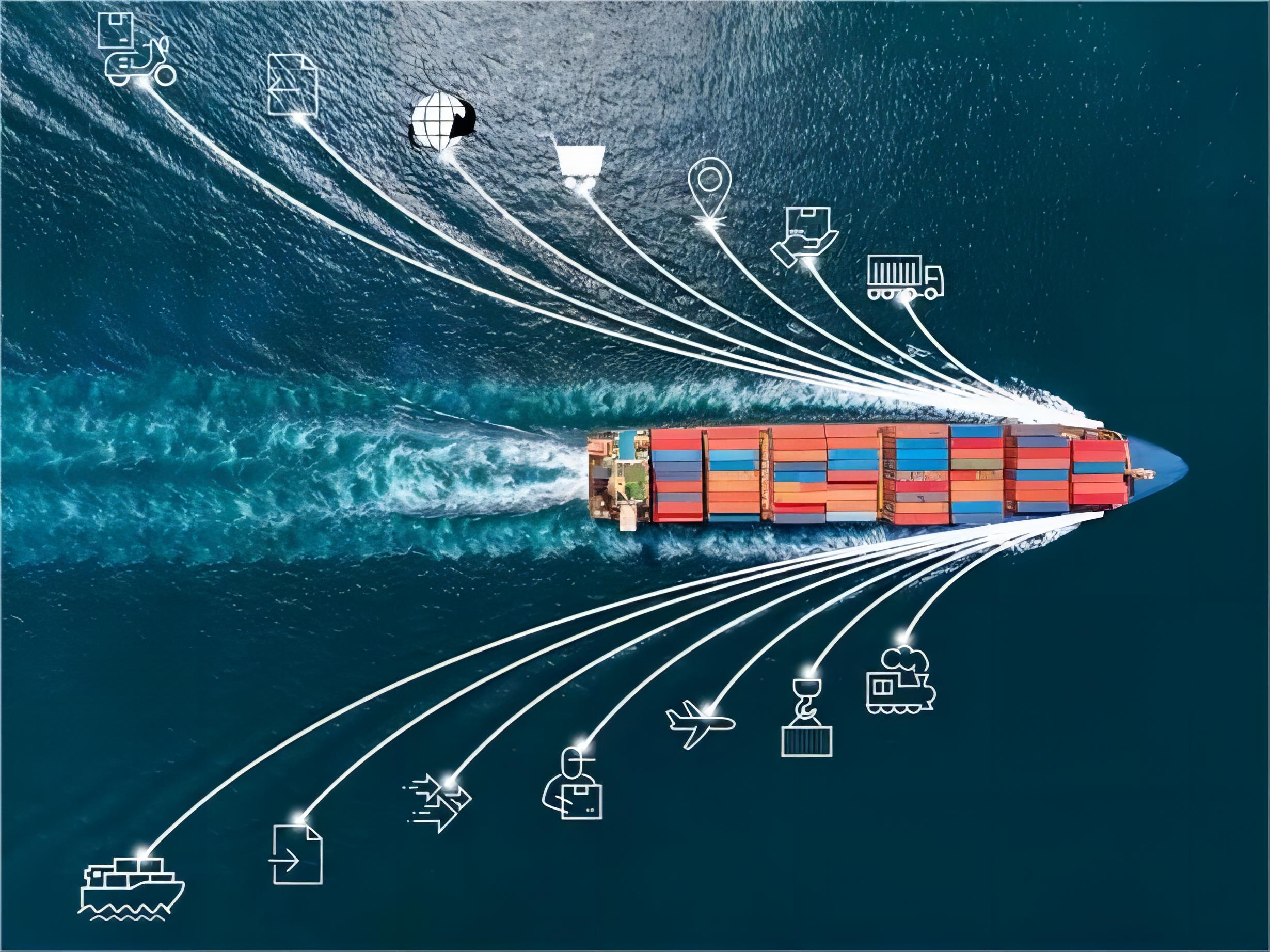
Moreover, the process of cheap customs clearance from China to Italy is not just about finding the lowest fee but about avoiding hidden charges. Many importers face unexpected storage fees at ports like Genoa or Trieste due to paperwork errors. Consequently, choosing a knowledgeable partner is essential for maintaining a smooth flow of goods.

Additionally, the European Union’s Union Customs Code governs all entries into Italy. This means that your shipment must comply with standardized safety and security requirements. Indeed, understanding these rules allows you to leverage trade agreements and reduce duty payments effectively.
How Does Sea Freight Compare to Other Shipping Options?
When evaluating the most economical way to move cargo, sea freight remains the dominant choice for high-volume shipments. While it offers the lowest cost per unit, the transit time is significantly longer than other modes. However, for non-urgent goods, the savings are substantial.
In contrast, other methods provide speed at a higher price point. For instance, rail freight has emerged as a middle-ground solution for those needing faster delivery than the ocean but lower costs than the air. Nevertheless, the choice depends heavily on your specific inventory turnover requirements.
To help you decide, we have compiled a comparison of the primary shipping methods available for the China-Italy route. This analysis considers cost, speed, and typical use cases for each logistics strategy.
| Shipping Method | Cost Range | Transit Time | Best For | Limitations |
|---|---|---|---|---|
| Sea Freight (FCL) | $1,800 – $3,500 | 30-40 Days | Bulk goods and large volumes | Longest transit time |
| Air Freight | $4.50 – $8.00/kg | 3-7 Days | High-value or urgent items | Very high cost |
| Rail Freight | $1.20 – $2.50/kg | 18-25 Days | E-commerce and electronics | Subject to land border delays |
| Express | $6.00 – $12.00/kg | 2-5 Days | Samples and small parcels | Strict weight limits |
Which Option Should You Choose?
Selecting the right method for cheap customs clearance from China to Italy depends on several critical factors. If your priority is budget over speed, sea freight is undoubtedly the most suitable option for your business. On the other hand, if you are launching a new product and need it in stores quickly, air freight might justify the extra expense.
Cargo type also plays a major role in your decision-making process. For example, hazardous materials or oversized machinery may have limited options and higher clearance fees. Furthermore, volume thresholds often dictate whether Less than Container Load (LCL) or Full Container Load (FCL) is more economical.
We recommend sea freight for shipments over 15 CBM to maximize cost efficiency. Conversely, for shipments under 2 CBM, express services or LCL air freight often provide better value when considering door-to-door convenience. Always calculate the total landed cost including all duties and taxes before finalizing your choice.
Essential Documentation for Italian Customs
A successful and cheap customs clearance from China to Italy begins with a complete document package. The Commercial Invoice must clearly state the value, description, and HS code of every item. Additionally, a detailed Packing List is required to verify the physical contents of the shipment.
The Bill of Lading or Air Waybill serves as the contract of carriage and is vital for cargo release. Without a doubt, missing or incorrect information on these documents is the leading cause of customs delays. Therefore, double-checking every detail against the physical cargo is a mandatory step.
You must also provide a Certificate of Origin if you intend to claim preferential duty rates under specific trade agreements. Meanwhile, some products like textiles or electronics might require additional CE certifications or technical data sheets. Using a professional customs brokerage can ensure all these requirements are met before the ship docks.
| Document Name | Purpose | Required By | Criticality |
|---|---|---|---|
| Commercial Invoice | Value and Tax Assessment | Customs Agency | High |
| Packing List | Physical Verification | Port Authorities | High |
| Bill of Lading | Title to the Goods | Carrier/Customs | High |
| EORI Number | Importer Identification | EU Customs | Mandatory |
Case Study 1: Electronics from Shenzhen to Milan
Case Study 1: Efficient Electronics Logistics. Route: Shenzhen, China to Milan, Italy. Cargo: Consumer Electronics, 12 CBM, 2,500 kg. Container: LCL. Shipping Details: Carrier: Major ocean carrier. Port of Loading: Shenzhen. Port of Discharge: Genoa. Route Type: Direct.
Cost Breakdown: Ocean Freight: $1,250. Origin Charges: $350. Destination Charges: $450. Customs and Duties: $1,100. Total Landed Cost: $3,150. Timeline: Booking to Loading: 4 days. Sea Transit: 32 days. Customs Clearance: 2 days. Total Door-to-Door: 38 days.
Key Insight: By consolidating cargo into an LCL shipment and ensuring all HS codes were pre-verified, the importer achieved cheap customs clearance from China to Italy without any storage penalties at the port of Genoa. Based on Q4 2024 market rates.
Case Study 2: Textiles from Ningbo to Naples
Case Study 2: Textile Supply Chain. Route: Ningbo, China to Naples, Italy. Cargo: Cotton Apparel, 28 CBM, 5,000 kg. Container: 20GP. Shipping Details: Carrier: COSCO. Port of Loading: Ningbo. Port of Discharge: Naples. Route Type: Transshipment via Piraeus.
Cost Breakdown: Ocean Freight: $2,100. Origin Charges: $400. Destination Charges: $550. Customs and Duties: $2,400. Total Landed Cost: $5,450. Timeline: Booking to Loading: 5 days. Sea Transit: 35 days. Customs Clearance: 3 days. Total Door-to-Door: 43 days.
Key Insight: Utilizing a 20GP container allowed the importer to avoid the higher per-CBM rates of LCL for this volume. Furthermore, providing a Certificate of Origin helped in applying the correct duty rates promptly. Typical rates as of early 2025.
Strategies for Reducing Import Costs
To achieve the most economical results, importers should explore various cost-saving strategies beyond just the freight rate. For example, optimizing your packaging to reduce CBM can lead to significant savings in LCL shipments. Additionally, choosing rail freight during peak ocean seasons can sometimes prevent expensive bottlenecks.
Another effective strategy is to utilize bonded warehousing in Italy. This allows you to defer the payment of VAT and duties until the goods are actually sold or moved into the local market. Consequently, this improves your cash flow management while maintaining a steady supply chain.
Moreover, always negotiate Incoterms carefully with your Chinese suppliers. While FOB (Free on Board) is common, seeking a door to door solution can often provide more transparent pricing. This approach eliminates the risk of hidden destination fees that often surprise inexperienced importers.
Common Mistakes in China-Italy Logistics
One of the most frequent errors is the misdeclaration of goods to save on duties. While it may seem like a way to get cheap customs clearance from China to Italy, it often leads to heavy fines and blacklisting by customs authorities. Therefore, honesty and accuracy are always the best policies for long-term success.
Furthermore, many businesses fail to account for Italian public holidays or port strikes. Such events can cause significant delays in the customs clearance process. Indeed, planning your delivery schedule with a buffer of 3-5 days is a wise practice to ensure consistent availability of your products.
Lastly, neglecting to obtain an EORI number before the shipment arrives is a common pitfall. Every entity importing into the EU must have this identification number. Without it, your cargo will be held at the port indefinitely, accruing daily storage charges that quickly erase any initial savings.
Mastering Your Italy-China Logistics
In conclusion, achieving cheap customs clearance from China to Italy is a balance of choosing the right shipping method and preparing flawless documentation. By understanding the differences between sea, air, and rail freight, you can tailor your strategy to your specific business needs. Furthermore, collaborating with experienced logistics professionals ensures that you stay compliant with evolving EU regulations.
Remember that the lowest initial quote is not always the cheapest total cost. Focus on reducing transit risks and avoiding port delays to maintain a truly efficient supply chain. With the right approach, your import operations from China to Italy will become a significant competitive advantage for your company.
Ready to streamline your logistics?
Ready to optimize your supply chain and secure cheap customs clearance from China to Italy? Contact our expert team today for a customized quote and professional guidance. Visit Top China Freight to get started. Send Inquiry: info@Top China Freight.com
Request Quote