

Cheap LCL Shipping From China to UK: 2025 Cost Saving Guide
Securing cheap LCL shipping from China to UK is a primary goal for many small and medium-sized enterprises looking to maintain healthy profit margins. Navigating the complexities of international trade requires a deep understanding of how Less than Container Load (LCL) services function within the global supply chain. This guide provides actionable insights into reducing your logistics expenses while ensuring your cargo reaches its destination safely and on time.

What is Cheap LCL Shipping From China to UK?
Less than Container Load, commonly known as LCL, is a shipping method where multiple shippers share space within a single ocean container. Consequently, this method allows businesses to move smaller volumes of goods without paying for a full 20ft or 40ft container.

Importers often seek cheap LCL shipping from China to UK because it offers significant flexibility for inventory management. You only pay for the volume you occupy, which is usually measured in cubic meters (CBM).
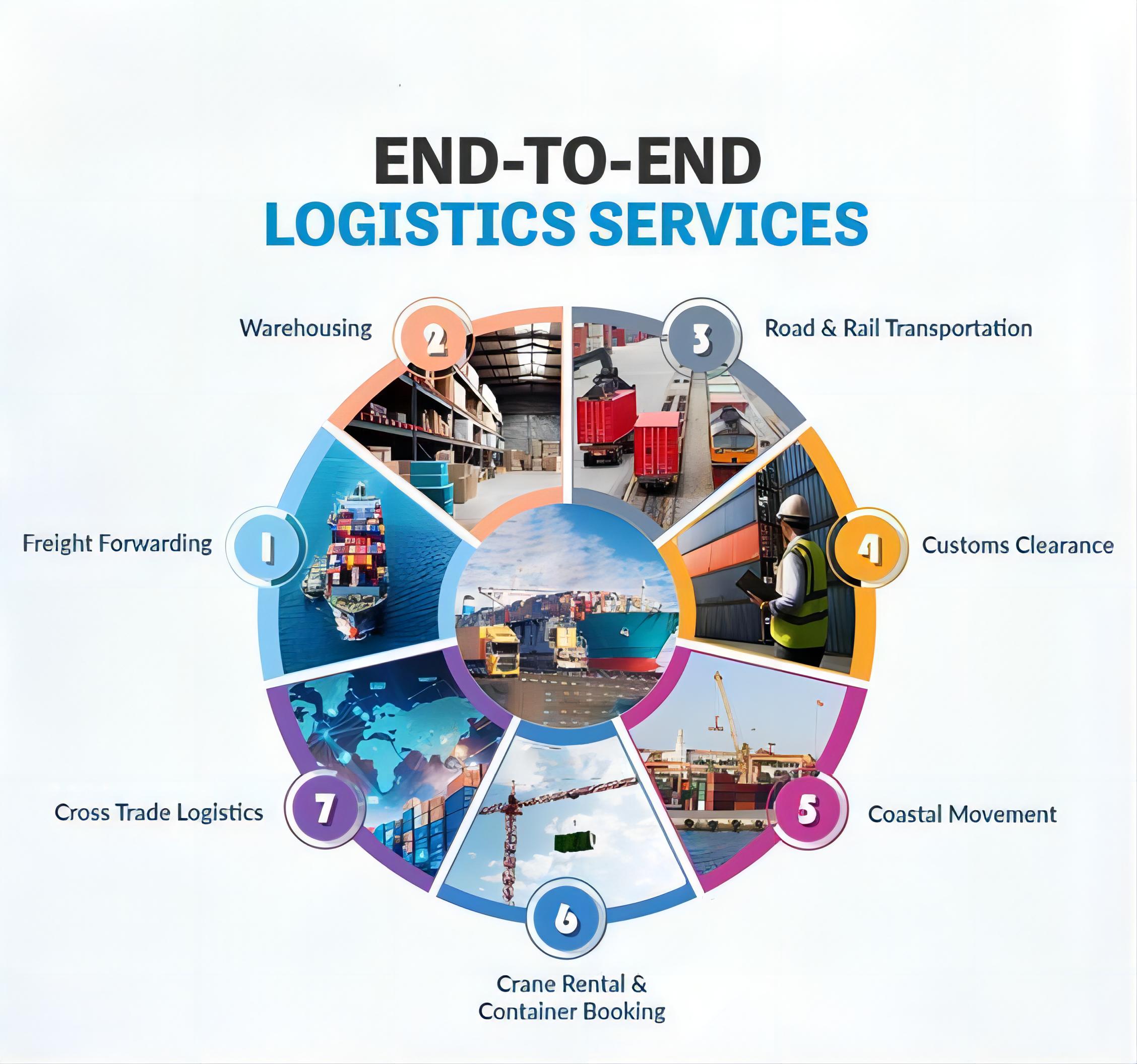
However, it is important to understand that LCL involves more handling than FCL. Goods must be consolidated at a warehouse in China and then deconsolidated upon arrival at a UK port like Felixstowe or Southampton.
Therefore, while the freight rate per CBM is lower than air freight, the process requires careful coordination. This method remains the most cost-effective choice for shipments between 1 and 15 cubic meters.
How Does LCL Compare to Other Shipping Options?
When evaluating sea freight options, businesses must weigh the pros and cons of LCL against Full Container Load (FCL) and air transport. Each method serves a specific purpose depending on your budget and timeline.
FCL is generally faster because it avoids the consolidation and deconsolidation stages. Nevertheless, if your cargo does not fill at least 60 percent of a container, LCL is typically the more economical route.
Air freight is significantly faster but comes at a premium price. For instance, shipping 500kg of electronics via air might take 5 days but cost five times more than LCL sea freight which takes 35 days.
Rail freight via the Silk Road is another alternative, offering a middle ground in terms of cost and speed. However, for the UK specifically, the sea route remains the most popular for bulk commodities and retail goods.
| Shipping Method | Cost Range | Transit Time | Best For | Limitations |
|---|---|---|---|---|
| LCL Sea Freight | $50 – $120 per CBM | 30 – 45 Days | 1-15 CBM shipments | More cargo handling |
| FCL Sea Freight | $2,500 – $4,500 per 40HQ | 28 – 38 Days | Large volumes | High upfront cost |
| Air Freight | $4.50 – $8.00 per kg | 3 – 7 Days | Urgent/High value | Very expensive |
| Rail Freight | $120 – $200 per CBM | 18 – 25 Days | Mid-range urgency | Limited UK access |
Key Factors Influencing LCL Shipping Costs
Several variables determine the final price of cheap LCL shipping from China to UK. Understanding these factors allows you to better predict your landed costs and avoid unexpected surcharges.
Fuel surcharges, often referred to as BAF (Bunker Adjustment Factor), fluctuate based on global oil prices. Additionally, currency adjustment factors (CAF) can impact the rate if the US Dollar or British Pound experiences volatility.
Peak seasons, such as the period leading up to Golden Week or Chinese New Year, often see a spike in demand. During these times, carriers may implement General Rate Increases (GRI), making it harder to find budget-friendly options.
The distance between the origin port in China and the destination port in the UK also plays a role. Shipping from Shenzhen to Southampton might have different pricing structures compared to shipping from Tianjin to London Gateway.
Which Option Should You Choose?
Choosing the right method depends on your specific business priorities. If your primary concern is the lowest possible cost, LCL is almost always the winner for small volumes.
Budget priority: Recommend LCL shipping for any volume under 15 CBM. It minimizes capital tied up in shipping costs. Furthermore, it allows for more frequent, smaller shipments to maintain steady stock levels.
Speed priority: Recommend air freight or express courier services. If a product launch is imminent, the high cost of air freight is justified by the rapid delivery schedule and reduced lead times.
Cargo type considerations: For heavy or bulky items like furniture and machinery, sea freight is the only viable option. In contrast, high-value items like jewelry or specialized electronics are safer and more efficient when sent via air.
Transit Times for Cheap LCL Shipping From China to UK
Time is money in the world of logistics. While you are looking for cheap LCL shipping from China to UK, you must also account for the time your capital is tied up in transit.
Typically, the sea voyage from major Chinese ports to the UK takes between 30 and 35 days. However, you must add 7 to 10 days for the consolidation and deconsolidation processes at both ends.
Port congestion can also lead to delays. For example, Felixstowe occasionally experiences bottlenecks during peak periods, which can add several days to your delivery schedule.
Moreover, the choice of carrier affects the route. Some carriers offer direct services, while others may transship cargo through hubs like Singapore or Colombo, which can extend the transit time.
| Origin Port (China) | Destination Port (UK) | Average Sea Transit | Total Door-to-Door |
|---|---|---|---|
| Shenzhen (Yantian) | Felixstowe | 28 Days | 38-42 Days |
| Shanghai | Southampton | 32 Days | 42-46 Days |
| Ningbo | London Gateway | 30 Days | 40-44 Days |
| Qingdao | Liverpool | 35 Days | 45-50 Days |
Strategic Ways to Reduce Your LCL Shipping Costs
To achieve truly cheap LCL shipping from China to UK, you must look beyond the base freight rate. Optimizing your packaging is one of the most effective ways to save money.
Since LCL is charged based on volume, reducing the size of your boxes can lead to direct savings. For instance, using vacuum packaging for textiles can significantly decrease the total CBM of your shipment.
Utilizing door to door services can also simplify the process. While it might seem more expensive upfront, it often eliminates hidden fees from multiple third-party handlers.
Another strategy is to consolidate shipments from multiple suppliers into one LCL booking. This reduces documentation fees and ensures you are using your CBM allowance as efficiently as possible.
Navigating Customs and Documentation
Customs clearance is a critical step that can either save or cost you a significant amount of money. Incorrect paperwork leads to storage fees and fines at the UK border.
Hiring a professional customs brokerage service ensures that your goods are classified under the correct HS codes. This is vital for determining the exact import duties and VAT you owe.
Essential documents include the Bill of Lading, Commercial Invoice, and Packing List. Additionally, for certain goods, you may need a Certificate of Origin to benefit from preferential trade rates.
Indeed, being prepared for customs is the best way to avoid the dreaded ‘hidden costs’ of international shipping. Always verify the latest UK import regulations post-Brexit to ensure full compliance.
| Document Name | Purpose | Issued By | Required For |
|---|---|---|---|
| Bill of Lading | Title to goods | Carrier/Forwarder | All Shipments |
| Commercial Invoice | Value declaration | Supplier/Exporter | Customs/VAT |
| Packing List | Cargo details | Supplier | Cargo Handling |
| EORI Number | Importer ID | UK Government | UK Customs |
LCL Shipping for E-commerce and Amazon FBA
The rise of online retail has made Amazon FBA shipping a major component of the China-UK route. LCL is particularly well-suited for this business model.
Amazon has strict requirements for how goods must be palletized and labeled. Consequently, using a freight forwarder who understands these specific rules is essential to avoid rejected shipments.
By using LCL, e-commerce sellers can test new products with smaller batches. This strategy reduces the financial risk associated with importing large quantities of unsold inventory from China.
Furthermore, many forwarders now offer specialized FCL and LCL services that include prep and labeling. This end-to-end solution allows sellers to focus on marketing while the logistics experts handle the heavy lifting.
Real-World Case Studies for UK Importers
Examining real-world examples helps illustrate how cheap LCL shipping from China to UK works in practice. These cases reflect typical scenarios encountered by modern importers.
Case Study 1: Small Electronics Importer. A London-based startup imported 3 CBM of smart home devices from Shenzhen to Felixstowe. By choosing LCL over air freight, they saved approximately $1,200, allowing them to reinvest in local marketing.
Case Study 2: Home Decor Retailer. A business in Manchester imported 8 CBM of wooden furniture from Ningbo. Despite a 5-day delay at the port due to seasonal congestion, the total landed cost remained 30 percent lower than any other shipping method.
These scenarios demonstrate that while patience is required for sea transit, the financial benefits are undeniable for those who plan their inventory cycles effectively.
Case Study 1: Electronics Consolidation
Route: Shenzhen, China to London, UK. Cargo: Smart home gadgets, 3 CBM, 450 kg. Shipping Method: LCL Sea Freight. Ocean Freight: $310. Origin/Destination Charges: $280. Total Landed Cost: $590. Transit Time: 41 days. Key Insight: Accurate palletization saved 0.5 CBM in chargeable volume.
Case Study 2: Furniture Import
Route: Ningbo, China to Felixstowe, UK. Cargo: Handcrafted chairs, 7 CBM, 1200 kg. Shipping Method: LCL Sea Freight. Ocean Freight: $650. Customs and Duties: $420. Total Landed Cost: $1,070. Transit Time: 44 days. Key Insight: Booking 3 weeks in advance secured a lower GRI rate.
Final Thoughts on Cheap LCL Shipping From China to UK
To summarize, achieving cheap LCL shipping from China to UK requires a combination of strategic planning, efficient packaging, and choosing the right logistics partner. By understanding the factors that influence freight rates and transit times, you can make informed decisions that benefit your bottom line.
While LCL involves more complex handling and longer transit times than air freight, the cost savings for small to medium volumes are unmatched. Always stay updated on market trends and maintain clear communication with your freight forwarder to navigate any challenges that arise.
Ultimately, the key to success in international trade is balancing cost, speed, and reliability. We hope this guide empowers you to manage your UK imports with greater confidence and efficiency.
Ready to streamline your logistics?
Ready to optimize your supply chain with cheap LCL shipping from China to UK? Contact our expert team today to receive a personalized quote and discover how we can streamline your logistics. Send Inquiry
Request Quote