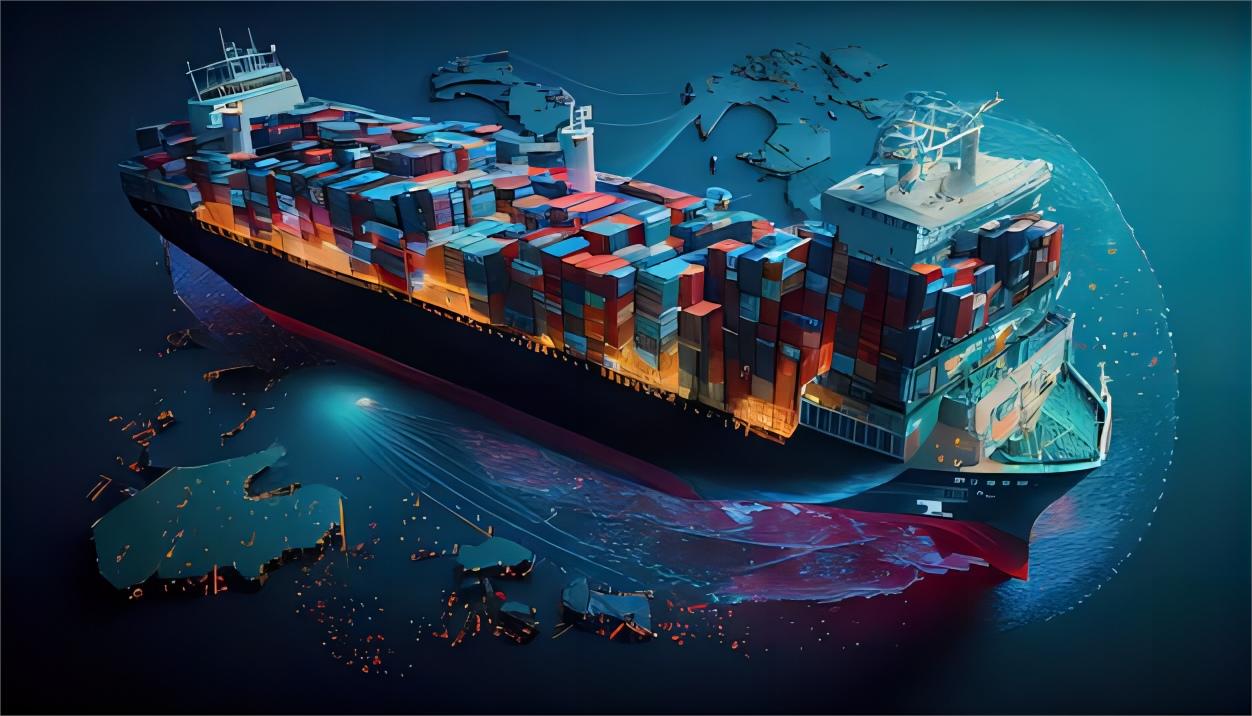
Cheap Sea Freight from Shenzhen to Canada: Your Ultimate Guide
“Finding truly cheap sea freight from Shenzhen to Canada can be a complex challenge for many businesses. Importers often face high costs and long transit times, impacting their supply chain efficiency. This comprehensive guide, brought to you by Top China Freight, will simplify the process, helping you navigate the complexities of international shipping and find the most affordable solutions.”
Why Choose Sea Freight for Shipments from Shenzhen to Canada?
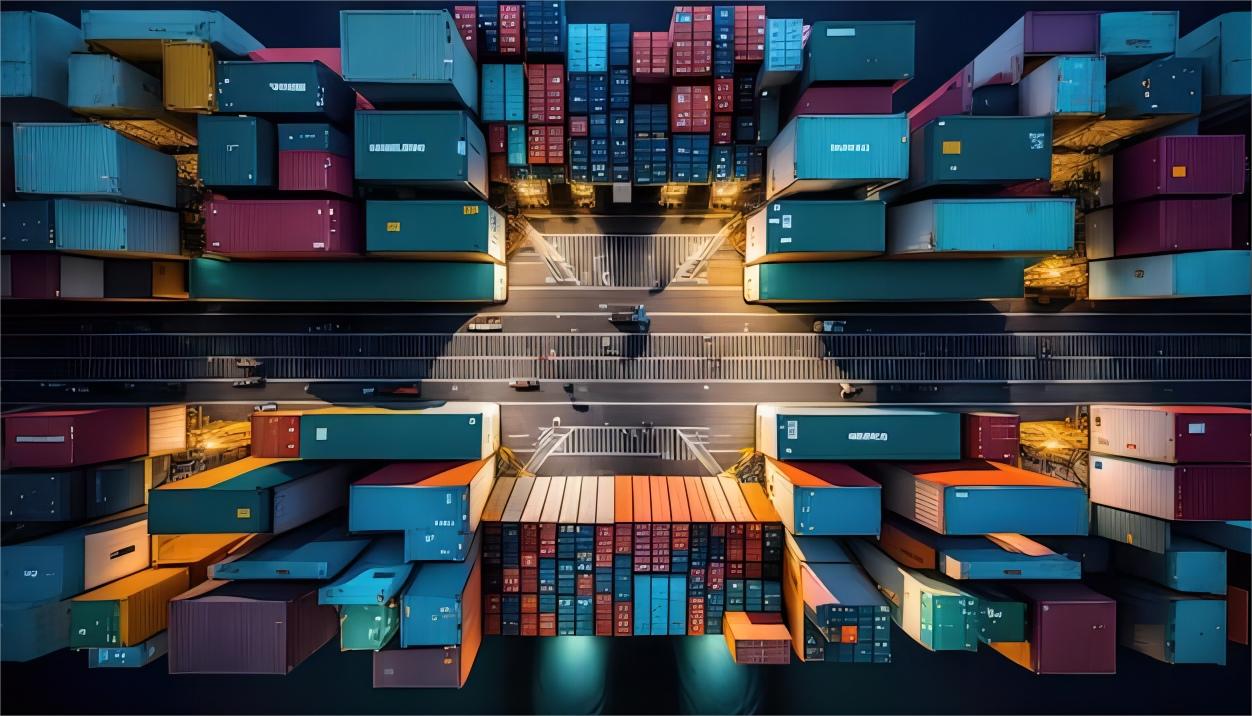
❖Sea freight remains the most economical option for shipping large volumes of goods across continents. Particularly for routes like Shenzhen to Canada, it offers significant cost savings compared to air freight. Therefore, businesses prioritizing budget over speed often select this method.
Moreover, ocean shipping accommodates various cargo types, including oversized and hazardous materials, which other modes of transport cannot handle. This flexibility makes it indispensable for diverse import needs. Consequently, understanding its benefits is crucial for optimizing your logistics.

Overall, for businesses seeking cheap sea freight from Shenzhen to Canada, this method provides unparalleled value. It balances cost-effectiveness with capacity, making it a cornerstone of global trade. Furthermore, it supports sustainable shipping practices due to its lower carbon footprint per ton-mile.
Understanding Key Factors Influencing Sea Freight Costs
❖Several factors directly impact the cost of your sea freight shipment from Shenzhen to Canada. Recognizing these elements allows for better budget planning and potential savings. Indeed, understanding these variables is the first step towards securing affordable ocean shipping.
Firstly, cargo volume and weight are primary determinants. Larger or heavier shipments typically incur higher costs, although economies of scale can apply for full container loads (FCL). Therefore, optimizing your packaging and loading can significantly reduce expenses.
Secondly, the choice between Full Container Load (FCL) and Less than Container Load (LCL) profoundly affects pricing. LCL is suitable for smaller shipments, consolidating multiple clients’ goods into one container. Conversely, FCL is ideal for larger volumes, offering exclusive container use and often better per-unit rates.
Thirdly, the specific ports of origin in Shenzhen and destination in Canada influence freight rates. Direct routes are usually faster but sometimes pricier than those involving transshipment. Consequently, evaluating different port options can reveal cost-effective alternatives.
Finally, market conditions, fuel surcharges, and peak season demand play a critical role. Rates can fluctuate significantly due to global events or increased shipping activity. Hence, monitoring logistics trends and booking in advance can help mitigate cost increases.
For instance, seasonal peaks, such as before major holidays, often lead to elevated prices and reduced availability. Planning your shipments around these periods can result in substantial savings. Ultimately, a proactive approach to these factors is key for cheap sea freight from Shenzhen to Canada.
| Factor | Description | Impact on Cost | Strategy for Savings |
|---|---|---|---|
| Cargo Volume/Weight | Total cubic meters (CBM) and kilograms of goods. | Higher volume/weight generally means higher cost. | Optimize packaging; consider FCL for larger volumes. |
| FCL vs. LCL | Full Container Load vs. Less than Container Load. | LCL often cheaper for small loads, FCL for large. | Choose based on shipment size; consolidate if LCL. |
| Route & Ports | Specific origin/destination ports and direct vs. transshipment. | Direct routes can be pricier but faster. | Explore alternative ports; evaluate transshipment options. |
| Market Conditions | Fuel surcharges, peak seasons, global events. | Rates fluctuate significantly. | Book in advance; avoid peak seasons if possible. |
| Incoterms | Defines responsibilities between buyer and seller. | Impacts who pays for what part of the journey. | Negotiate favorable Incoterms with suppliers. |

Transit Times and Major Routes for Cheap Sea Freight from Shenzhen to Canada
❖When planning your shipment, understanding typical transit times and routes is essential for managing expectations and supply chains. While seeking cheap sea freight from Shenzhen to Canada, be aware that lower costs often correlate with longer transit durations. Therefore, balancing speed and economy is crucial.
Most direct sea freight routes from Shenzhen to major Canadian ports like Vancouver, Prince Rupert, or Montreal typically range from 18 to 35 days. Shipments to Western Canada (e.g., Vancouver) are generally faster than those destined for Eastern Canada (e.g., Montreal or Toronto), which might involve rail transport across the country. Furthermore, transshipment routes, though potentially cheaper, can add several days to the journey.
Key ports in Shenzhen include Yantian, Shekou, and Chiwan, all offering extensive connections. In Canada, Vancouver and Prince Rupert are primary entry points for goods arriving from Asia. For Eastern destinations, cargo often travels via rail from these western ports. Meanwhile, Montreal serves as a direct port for Atlantic routes, though less common from Shenzhen.
It is important to note that these are port-to-port estimates. Door-to-door shipping will naturally extend the total delivery time, including origin customs clearance, inland transport, and destination customs clearance. Consequently, always factor in these additional steps for a realistic timeline. Door-to-door services can streamline this process significantly.
Based on current market rates, typical transit times as of early 2025 are detailed below, but always confirm with your freight forwarder for the most accurate information. These times can vary due to port congestion, weather, or carrier schedules. Hence, flexibility in your delivery schedule is always advisable.
| Origin Port (Shenzhen) | Destination Port (Canada) | Estimated Sea Transit Time | Notes |
|---|---|---|---|
| Yantian/Shekou | Vancouver (BC) | 18-25 days | Direct route, common for Western Canada |
| Yantian/Shekou | Prince Rupert (BC) | 16-22 days | Faster option for Western Canada, less congestion |
| Yantian/Shekou | Toronto (ON) | 28-35 days | Via Vancouver/Prince Rupert then rail (intermodal) |
| Yantian/Shekou | Montreal (QC) | 30-40 days | Via Vancouver/Prince Rupert then rail, or transshipment via US ports |
How Does Sea Freight Compare to Other Shipping Options for Canada?
❖Choosing the right shipping method from Shenzhen to Canada is crucial for both cost and efficiency. While sea freight is often the go-to for cheap solutions, it is essential to understand its trade-offs against other options. Therefore, a comprehensive comparison helps in making informed decisions.
For instance, air freight offers speed but at a significantly higher cost. For urgent or high-value, low-volume goods, air freight can be justified. However, for most bulk commodities, it becomes prohibitively expensive. Meanwhile, hybrid solutions might offer a middle ground.
Rail freight is not a direct option from China to Canada across continents; however, intermodal rail transport plays a vital role once containers arrive at Canadian West Coast ports. This combines the cost-effectiveness of sea transport with the speed of rail for inland delivery. Consequently, many sea freight shipments to Central or Eastern Canada utilize this rail network.
Ultimately, your decision should align with your budget, urgency, and cargo characteristics. Consider the overall supply chain costs, not just the freight rate. A thorough analysis prevents unforeseen expenses and delays. Furthermore, exploring all avenues ensures you find the most suitable and cost-effective solution for your needs.
| Shipping Method | Cost Range (per kg) | Transit Time (Shenzhen to Toronto) | Best For | Limitations |
|---|---|---|---|---|
| Sea Freight (FCL) | $0.05 – $0.15 | 28-35 days (port-to-port) | Large volumes, heavy goods, non-urgent shipments | Long transit times, potential port delays |
| Sea Freight (LCL) | $0.10 – $0.30 | 30-45 days (port-to-door) | Smaller shipments (under 15 CBM), budget-conscious | Longer transit than FCL, potential for consolidation delays |
| Air Freight | $4.00 – $8.00+ | 3-7 days | Urgent, high-value, perishable, small packages | Very high cost, weight/volume restrictions |
| Express Service | $6.00 – $12.00+ | 2-5 days | Samples, documents, very small, urgent parcels | Highest cost, strict size/weight limits, no bulk cargo |
Cost-Saving Strategies and Trade-offs for Importing from Shenzhen
❖Achieving truly cheap sea freight from Shenzhen to Canada requires strategic planning and an understanding of trade-offs. Implementing effective cost-saving measures can significantly reduce your overall shipping expenditure. Therefore, consider these approaches to optimize your budget.
Firstly, consolidate your shipments whenever possible. Combining multiple smaller orders into a single, larger LCL or FCL shipment can drastically lower per-unit costs. This approach minimizes administrative fees and handling charges. Indeed, working with a freight forwarder who offers consolidation services is highly beneficial.
Secondly, plan your shipments well in advance to avoid peak season surcharges and last-minute expedited fees. Booking early often secures better rates and ensures vessel space. Conversely, rush orders invariably incur higher costs. Staying informed about seasonal patterns and market trends is essential.
Thirdly, explore different Incoterms with your supplier. For example, opting for FOB (Free On Board) allows you more control over carrier selection and negotiation of freight rates. This often leads to better pricing than CIF (Cost, Insurance, and Freight) where the supplier arranges shipping. Consequently, taking control of the freight can lead to significant savings.
Lastly, consider port flexibility. If your final destination is inland, assess whether shipping to a less congested or alternative Canadian port followed by rail transport is more cost-effective. Sometimes, a slightly longer overall transit time can lead to substantial savings on the ocean leg. Hence, evaluating intermodal options is key.
Alternative Approaches for Specific Scenarios
For time-sensitive but not critically urgent cargo, a sea-air hybrid solution might be viable. Goods ship by sea to a US West Coast port (e.g., Los Angeles) and then by air to Canada. This offers a balance between cost and speed, though it’s typically pricier than pure sea freight.
Another approach involves leveraging bonded warehousing in Canada. Ship larger quantities by sea freight at lower per-unit costs, then store them in a bonded warehouse. This allows for staggered release of goods, deferring duties and taxes until they enter the Canadian market. It’s an excellent strategy for managing inventory and cash flow.
Finally, for businesses importing regularly, establishing long-term contracts with freight forwarders can yield discounted rates and priority service. This provides stability and predictability in your shipping costs. Moreover, a dedicated freight partner can offer tailored solutions and expert advice on optimizing your supply chain.
Navigating Customs, Documentation, and Regulations
❖Effective customs clearance and proper documentation are critical for smooth and cheap sea freight from Shenzhen to Canada. Errors in paperwork can lead to costly delays, fines, and even cargo seizure. Therefore, meticulous attention to detail is paramount.
Firstly, ensure all necessary documents are prepared accurately. This includes the Bill of Lading, commercial invoice, packing list, and any required permits or certificates of origin. Inaccurate documentation is a leading cause of customs hold-ups. Consequently, double-checking every detail saves time and money.
Secondly, understanding Canadian import regulations and tariffs is vital. Goods must comply with Canadian standards, and duties/taxes must be correctly calculated and paid. Working with an experienced customs brokerage service is highly recommended to avoid compliance issues. This expertise ensures a seamless process.
Thirdly, be aware of specific product requirements. Certain goods, like food products, electronics, or textiles, may require additional inspections, licenses, or labeling. Furthermore, intellectual property rights are strictly enforced, so ensure your products do not infringe on existing trademarks or patents. Adequate preparation prevents unexpected complications.
Finally, always declare the correct value of your goods. Under-declaration can lead to severe penalties and reputational damage. Transparency with customs authorities facilitates faster processing. Ultimately, a proactive approach to customs and documentation ensures your cargo clears smoothly and efficiently.
| Document | Purpose | Key Information | Importance |
|---|---|---|---|
| Bill of Lading (B/L) | Contract between shipper & carrier, title to goods. | Shipper, consignee, cargo details, vessel, ports. | Essential for customs, cargo release, and proof of ownership. |
| Commercial Invoice | Record of transaction between seller & buyer. | Seller/buyer details, product description, quantity, value, Incoterms. | Used for customs valuation and duty calculation. |
| Packing List | Details contents of each package. | Contents, weight, dimensions of each carton/container. | Assists customs in inspection; helps consignee verify receipt. |
| Certificate of Origin | Verifies country of manufacture. | Manufacturer, product details, country of origin. | Required for preferential tariffs under trade agreements (e.g., CPTPP). |
| Import Permit/License | Required for controlled goods. | Specific product details, regulatory body approval. | Mandatory for restricted items like certain chemicals, food, or electronics. |
Real-World Scenarios: Achieving Cheap Sea Freight from Shenzhen to Canada
❖Exploring practical examples helps illustrate how businesses achieve cost-effective shipping solutions. These case studies highlight various approaches to securing cheap sea freight from Shenzhen to Canada. They demonstrate the factors at play in real-world import scenarios.
Each example provides insights into cargo types, container choices, and the specific challenges faced. Understanding these situations can inform your own shipping decisions. Consequently, learning from others’ experiences is invaluable for optimizing your logistics strategy. These scenarios offer tangible proof of effective strategies.
Case Study 1: Small Business Importing Consumer Goods
| Detail | Description |
|---|---|
| Route | Shenzhen, China -> Toronto, Canada |
| Cargo | Assorted small electronics, 8 CBM, 1500 kg |
| Container | LCL 8 CBM |
| Shipping Details | Major carrier, Port of Loading: Yantian, Port of Discharge: Vancouver, Route Type: Transshipment via Vancouver then rail to Toronto |
| Cost Breakdown (Based on Q3 2024 market rates) | |
| – Ocean Freight | $850 |
| – Origin Charges (THC, documentation) | $180 |
| – Destination Charges (DDC, CFS, rail) | $550 |
| – Customs & Duties (estimated) | $300 |
| – Total Landed Cost | $1880 |
| Timeline | |
| – Booking to Loading | 5 days |
| – Sea Transit | 22 days |
| – Rail Transit to Toronto | 7 days |
| – Customs Clearance | 3 days |
| – Total Door-to-Door | 37 days |
| Key Insight | LCL was cost-effective for this volume. Using Vancouver + rail was cheaper than direct to East Coast ports. Careful planning avoided peak season surcharges. |
Case Study 2: Medium Enterprise Shipping Furniture Components
| Detail | Description |
|---|---|
| Route | Shenzhen, China -> Montreal, Canada |
| Cargo | Flat-pack furniture components, 25,000 kg |
| Container | 1 x 40HQ |
| Shipping Details | MSC, Port of Loading: Shekou, Port of Discharge: Montreal, Route Type: Direct via Panama Canal |
| Cost Breakdown (Typical rates as of early 2025) | |
| – Ocean Freight | $4800 |
| – Origin Charges (THC, documentation) | $350 |
| – Destination Charges | $450 |
| – Customs & Duties (estimated) | $1200 |
| – Total Landed Cost | $6800 |
| Timeline | |
| – Booking to Loading | 7 days |
| – Sea Transit | 32 days |
| – Customs Clearance | 4 days |
| – Total Door-to-Door | 43 days |
| Key Insight | FCL provided the best unit cost for heavy, bulky goods. Opting for a direct service to Montreal reduced internal transit time and handling. A long-term contract secured favorable rates. |
Case Study 3: E-commerce Seller Importing Apparel to Canada
| Detail | Description |
|---|---|
| Route | Shenzhen, China -> Vancouver, Canada |
| Cargo | Seasonal apparel, 15 CBM, 3000 kg |
| Container | LCL 15 CBM (borderline FCL) |
| Shipping Details | COSCO, Port of Loading: Yantian, Port of Discharge: Vancouver, Route Type: Direct to port, then local delivery |
| Cost Breakdown (Market data suggests for Q1 2025) | |
| – Ocean Freight | $1650 |
| – Origin Charges (THC, documentation) | $250 |
| – Destination Charges | $380 |
| – Customs & Duties (estimated) | $500 |
| – Total Landed Cost | $2780 |
| Timeline | |
| – Booking to Loading | 4 days |
| – Sea Transit | 19 days |
| – Customs Clearance | 2 days |
| – Total Door-to-Door | 28 days |
| Key Insight | This shipment was just under the threshold for FCL, making LCL slightly more expensive per CBM but still very economical. Using Amazon FBA prep services at destination helped streamline distribution. Proactive customs brokerage ensured quick clearance. |
Which Option Should You Choose? A Decision Framework
❖Selecting the optimal shipping method from Shenzhen to Canada depends on several key priorities. Using a structured decision framework helps clarify the best path forward. Therefore, consider these factors carefully before making your choice.
Firstly, if budget is your absolute priority, sea freight is almost always the answer. For large, non-urgent shipments, FCL offers the lowest per-unit cost. However, for smaller volumes, LCL provides an economical solution without committing to a full container. This strategy is ideal for businesses focused on maximizing profit margins.
Secondly, if speed is paramount, then air freight or express service is the recommended option. While significantly more expensive, these methods ensure rapid delivery for urgent orders, samples, or time-sensitive products. Consequently, the trade-off is higher cost for reduced transit time. For critical deliveries, speed often outweighs cost.
Thirdly, cargo type considerations also play a vital role. Oversized, heavy, or hazardous materials are typically restricted to sea freight due to safety regulations and capacity limitations. Conversely, small, high-value, or fragile items might benefit from the more controlled environment of air cargo. Always match the method to the cargo’s specific needs.
Finally, evaluate volume thresholds for switching methods. Generally, if your shipment exceeds 15-20 CBM, FCL becomes more cost-effective than LCL. For anything under 1 CBM, express services might be comparable to LCL in some cases, offering faster delivery. Understanding these thresholds optimizes your shipping strategy. Ultimately, aligning your choice with these criteria ensures efficient and cheap sea freight from Shenzhen to Canada.
Partnering with the Right Freight Forwarder for Cheap Sea Freight
❖Choosing a reliable freight forwarder is paramount to securing cheap sea freight from Shenzhen to Canada. A proficient partner can navigate complex logistics, negotiate better rates, and ensure smooth customs clearance. Therefore, this decision profoundly impacts your shipping success.
Look for a forwarder with extensive experience on the China-Canada route. Their established relationships with ocean carriers and local agents can translate into significant cost savings and more reliable service. Furthermore, their expertise in shipping from China to North America is invaluable.
A good freight forwarder will offer transparent pricing, clearly outlining all charges from origin to destination. They should also provide comprehensive tracking and communication throughout the shipping process. This transparency helps avoid hidden fees and unexpected delays. Indeed, clear communication is a hallmark of a professional service.
Additionally, assess their range of services. Do they offer value-added options like warehousing, distribution, or cargo insurance? These services can streamline your supply chain and provide peace of mind. Ultimately, a holistic service offering enhances overall efficiency. Consider their ability to handle diverse logistical needs.
Finally, read reviews and seek recommendations. A reputable forwarder will have a strong track record of satisfied clients. Their ability to deliver cheap sea freight from Shenzhen to Canada consistently speaks volumes about their capabilities. Therefore, thorough vetting is a crucial step in your selection process.
Your Path to Cheap Sea Freight from Shenzhen to Canada
Securing cheap sea freight from Shenzhen to Canada is entirely achievable with careful planning, strategic choices, and the right logistics partner. By understanding the factors influencing costs, comparing shipping methods, and implementing cost-saving strategies, businesses can significantly reduce their import expenses. Ultimately, a well-informed approach leads to more efficient and economical international shipping.
Remember to prioritize clear documentation, effective customs brokerage, and proactive communication with your freight forwarder. This ensures a smooth and predictable supply chain. For reliable, affordable, and professional shipping services, trust Top China Freight to handle your cargo with expertise. We are committed to delivering your goods safely and on budget.
Ready to streamline your logistics?
Ready to optimize your shipping from Shenzhen to Canada? Contact Top China Freight today for a personalized quote and expert guidance. We specialize in providing reliable and cheap sea freight solutions tailored to your business needs.
Request Quote