

Cheapest Way to Ship Auto Parts from China to Europe: 2025 Guide
Identifying the cheapest way to ship auto parts from china to europe is a primary concern for automotive wholesalers and retailers looking to maximize profit margins. Most successful businesses rely on the expertise of a professional freight forwarder like Top China Freight to navigate the complexities of international logistics. Consequently, understanding the nuances of different transport modes allows you to make informed decisions that balance cost and speed effectively.
What is the Cheapest Way to Ship Auto Parts from China to Europe?
Determining the cheapest way to ship auto parts from china to europe requires a comprehensive analysis of your cargo volume and delivery deadlines. Without a doubt, ocean freight remains the most budget-friendly method for transporting heavy or bulky automotive components over long distances. However, the total cost depends on several factors including volume, weight, and the specific destination port in Europe.

For instance, shipping a full container of shock absorbers is significantly cheaper per unit than sending small individual parcels via air. Moreover, the type of parts you are importing, such as engines, body panels, or electronic sensors, will influence the packaging requirements and handling fees. Therefore, businesses must evaluate the trade-offs between slow transit times and lower freight rates.
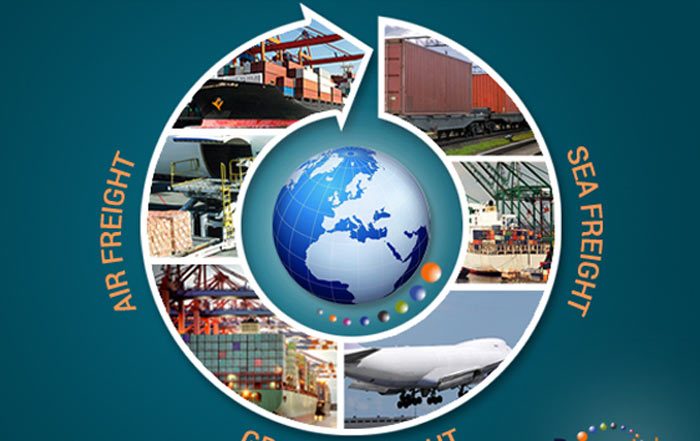
Additionally, the logistics market in early 2025 shows that sea freight rates have stabilized, making it an attractive time for bulk orders. Importers should also consider rail freight as a competitive alternative that offers a middle ground in terms of both price and speed. Ultimately, your choice will depend on how much inventory you need to move and how quickly your customers expect delivery.
Sea Freight: The Most Economical Choice for Large Volumes
When you prioritize cost savings over speed, sea freight is the undisputed champion for international shipping. This method allows you to ship massive quantities of auto parts at a fraction of the cost of air transport. Consequently, it is the preferred choice for manufacturers who plan their inventory cycles well in advance.
You can choose between Full Container Load (FCL) and Less than Container Load (LCL) depending on your shipment size. For example, if you have enough goods to fill a 20-foot or 40-foot container, FCL offers the best value and protection for your cargo. Conversely, LCL is ideal for smaller shipments where you only pay for the space your goods occupy within a shared container.
Furthermore, sea freight is particularly well-suited for heavy items like engines, transmissions, and brake discs that would be prohibitively expensive to fly. Nevertheless, you must account for longer lead times, which typically range from 30 to 45 days. Proper planning ensures that your supply chain remains uninterrupted despite the slower transit speed.
| Container Type | Capacity (CBM) | Cost Range (USD) | Best For |
|---|---|---|---|
| 20GP Container | 33 CBM | $1,800 – $2,500 | Heavy parts like engines |
| 40GP Container | 67 CBM | $2,800 – $3,800 | Bulky parts like bumpers |
| 40HQ Container | 76 CBM | $3,000 – $4,200 | High-volume shipments |
| LCL Shipping | Per CBM | $50 – $120 | Small trial orders |
Rail Freight: The Middle Ground Between Speed and Cost
In recent years, rail freight has emerged as a strategic alternative for shipping auto parts to Europe. This method is faster than sea freight and significantly cheaper than air freight, providing a balanced solution for many importers. Indeed, the China-Europe Railway Express connects major Chinese hubs like Xi’an and Chengdu directly to European cities like Hamburg and Warsaw.
Transit times for rail cargo generally range from 15 to 22 days, which is nearly half the time required for ocean transit. Accordingly, this speed allows businesses to respond more quickly to market demands without incurring the high costs of air transport. Moreover, rail transport is less affected by weather conditions compared to sea routes, offering more predictable delivery schedules.
However, rail freight costs are typically 30% to 50% higher than sea freight, so it is best used for high-value parts or urgent restocks. Additionally, rail infrastructure is primarily focused on Northern and Central Europe, meaning southern destinations might require further trucking. Therefore, you should calculate the total door-to-door cost before committing to this mode.
How Does Sea Freight Compare to Other Shipping Options?
To find the cheapest way to ship auto parts from china to europe, you must compare all available logistics channels objectively. While sea freight is the cheapest for bulk, Europe bound shipments can also utilize air or express services for specific needs. Each method has a distinct profile of cost, speed, and reliability that suits different business scenarios.
For instance, air freight might cost $4.50 to $8.00 per kilogram, which is much higher than sea freight’s volume-based pricing. Nevertheless, for a small box of urgent electronic control units (ECUs), the speed of air freight justifies the expense. On the other hand, for a ton of exhaust pipes, the sea route is the only economically viable option.
Furthermore, hybrid solutions like sea-air or rail-sea combinations are gaining popularity. These strategies involve shipping goods by sea to a hub like Dubai or Singapore and then flying them to Europe. Consequently, you can achieve a transit time that is faster than sea but much cheaper than pure air freight.
| Shipping Method | Cost Range | Transit Time | Best For |
|---|---|---|---|
| Sea Freight | Lowest ($) | 30-45 Days | Bulk & Heavy Parts |
| Rail Freight | Moderate ($$) | 15-22 Days | Mid-value Inventory |
| Air Freight | High ($$$$) | 5-10 Days | Urgent & Tiny Parts |
| Express Service | Highest ($$$$$) | 3-5 Days | Samples & Prototypes |
Which Option Should You Choose for Your Auto Parts?
Choosing the right method depends on your specific business priorities and the nature of the auto parts. If your primary goal is the absolute lowest cost and you have high inventory levels, sea freight is your best bet. Conversely, if you are facing a production line stoppage or a stockout, the speed of express service becomes necessary regardless of the price.
Budget priority: Choose Sea Freight (FCL) for shipments over 15 CBM or LCL for smaller bulk. This ensures you maintain the lowest possible landed cost per unit. Speed priority: Choose Rail Freight for a balance of efficiency or Air Freight for critical components that must arrive within a week.
Cargo type considerations: Heavy items like engines and gearboxes should almost always go by sea or rail. Light but high-value items like sensors, microchips, or specialized tools are better suited for air transport. Volume thresholds: Once your shipment exceeds 100kg, stop using express services and switch to air or sea freight to avoid massive surcharges.
Reducing Landed Costs: Expert Tips for Importers
Beyond choosing the right transport mode, you can further reduce costs by optimizing your customs and documentation processes. Utilizing a professional customs brokerage service helps you avoid expensive delays and penalties at the border. Moreover, they can help you identify the correct HS codes to ensure you are not overpaying on import duties.
Another effective strategy is to consolidate multiple small orders into a single larger shipment. By doing so, you can take advantage of FCL rates instead of paying the higher per-unit costs associated with LCL. Additionally, negotiating Incoterms like FOB (Free On Board) instead of CIF (Cost, Insurance, and Freight) gives you more control over the shipping costs and carrier selection.
Furthermore, consider the benefits of door to door services to simplify your logistics chain. While it might seem more expensive upfront, it eliminates hidden fees from multiple third-party handlers and reduces the risk of cargo damage. Consequently, a streamlined process often results in lower overall expenses and fewer headaches for your team.
Realistic Case Studies for Shipping Auto Parts
To illustrate how these strategies work in practice, let us look at real-world examples of shipping auto parts from China to Europe. These cases reflect typical market conditions and pricing as of early 2025.
Case Study 1: LCL Shipment of Brake Pads to Germany. Route: Ningbo to Hamburg. Cargo: Brake pads, 5 CBM, 1,200 kg. Shipping Method: Sea Freight LCL. Ocean Freight: $450. Origin Charges: $180. Destination Charges: $250. Customs & Duties: $320. Total Landed Cost: $1,200. Transit Time: 38 days. Key Insight: Consolidating with other goods saved the importer over $2,000 compared to air freight.
Case Study 2: FCL 40HQ of Bumpers to Poland. Route: Shenzhen to Gdansk. Cargo: Plastic bumpers, 70 CBM, 4,500 kg. Container: 40HQ. Shipping Method: Sea Freight FCL via Direct Route. Ocean Freight: $3,400. Origin Charges: $350. Destination Charges: $450. Customs & Duties: $1,100. Total Landed Cost: $5,300. Transit Time: 35 days. Key Insight: FCL was the only viable way to ship such bulky items economically.
Case Study 3: Rail Freight for Engines to Czech Republic. Route: Xi’an to Prague. Cargo: Rebuilt engines, 8 CBM, 3,000 kg. Shipping Method: Rail Freight LCL. Rail Freight: $1,600. Origin/Destination Fees: $600. Customs: $850. Total Landed Cost: $3,050. Transit Time: 19 days. Key Insight: Rail provided the necessary speed for a repair shop without the $8,000 price tag of air freight.
Market Trends and 2025 Outlook
As of Q1 2025, freight rates from China to Europe have stabilized after the disruptions seen in previous years. According to industry benchmarks, carrier capacity has increased, leading to more competitive pricing for ocean routes. However, importers should remain aware of seasonal patterns, as rates typically increase 15-25% during the August-October peak season.
Industry average for this route suggests that digitalization in logistics is also helping to lower costs. Many forwarders now offer real-time tracking and automated documentation, which reduces administrative overhead. Therefore, staying informed about market trends and maintaining a flexible shipping strategy is essential for long-term success.
Note: Freight rates are subject to change based on fuel costs, carrier capacity, and seasonal demand. Contact us for a current quote tailored to your specific shipment.
Summary of Shipping Strategies
In conclusion, finding the cheapest way to ship auto parts from china to europe involves a strategic choice between sea, rail, and air transport. Sea freight remains the most economical option for bulk orders, while rail offers a faster alternative for time-sensitive inventory. By understanding your volume requirements and working with a professional partner, you can significantly reduce your landed costs. Always remember to factor in customs duties and local handling fees to get a true picture of your total investment.
Ready to streamline your logistics?
Ready to find the most cost-effective solution for your automotive logistics? Contact our experts today to secure the cheapest way to ship auto parts from china to europe and optimize your supply chain. Send Inquiry
Request Quote