

Cheapest Way to Ship Clothing from China to UK in 2025
Finding the cheapest way to ship clothing from China to UK is a top priority for e-commerce sellers and retail businesses looking to maintain healthy profit margins. Navigating the complexities of international logistics requires a clear understanding of freight modes, customs regulations, and seasonal price fluctuations. Top China Freight provides comprehensive shipping solutions that help businesses reduce their landed costs while ensuring timely delivery of apparel stock.

What is the Cheapest Way to Ship Clothing from China to UK?
Sea freight remains the most economical method for transporting large volumes of apparel over long distances. For businesses shipping bulk orders of t-shirts, hoodies, or dresses, utilizing ocean containers significantly lowers the cost per unit compared to other transport modes. Consequently, many importers opt for Less than Container Load (LCL) services when their shipment volume does not justify a full container.
Choosing sea freight allows companies to take advantage of stable pricing structures during most of the year. However, it is essential to plan for longer transit times, which typically range from 30 to 45 days. Therefore, inventory management must account for these lead times to avoid stockouts during peak retail seasons in the United Kingdom.

Moreover, the cost-effectiveness of sea transport is most apparent when shipping high-density or heavy garment loads. While the initial booking fees might seem high, the ability to pack thousands of units into a single container distributes the expense efficiently. Indeed, the price per garment can drop to just a few pence when utilizing optimized packing techniques and consolidated shipping routes.
How Does Sea Freight Compare to Other Shipping Options?
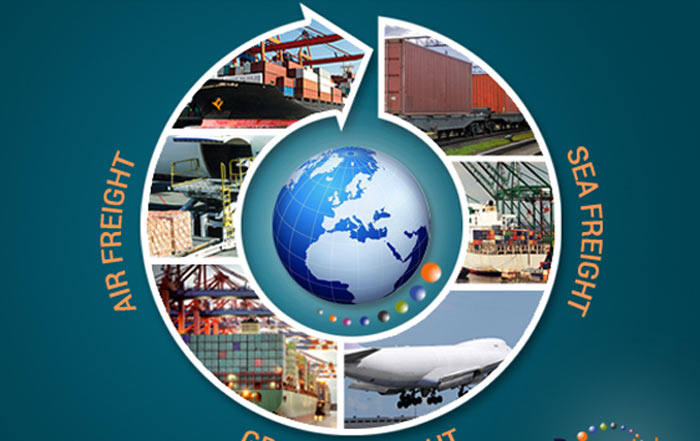
Analyzing the various logistics methods is crucial for identifying the most suitable balance between speed and expenditure. While sea freight is the cheapest for bulk, rail freight offers a middle ground, and air freight serves urgent needs. Each method presents unique trade-offs that impact the overall supply chain efficiency for clothing brands.
Furthermore, businesses must consider that air freight costs are calculated based on either actual weight or volumetric weight, whichever is higher. Since clothing is often lightweight but bulky, volumetric charges can quickly escalate air shipping prices. In contrast, sea freight rates are primarily based on volume (cubic meters), making it much more forgiving for large boxes of folded garments.
Additionally, rail freight has emerged as a viable alternative for those who need faster delivery than sea but cannot afford air rates. The China-Europe Railway Express connects major Chinese hubs to the UK via European rail networks, offering a transit time of approximately 18 to 25 days. This hybrid approach provides a competitive edge for mid-season stock replenishments that are too late for the ocean.
| Shipping Method | Cost Range | Transit Time | Best For |
|---|---|---|---|
| Sea Freight (LCL) | $150 – $300 per CBM | 30 – 45 Days | Bulk Stock |
| Rail Freight | $2.50 – $4.50 per kg | 18 – 25 Days | Mid-size Orders |
| Air Freight | $5.00 – $8.50 per kg | 5 – 10 Days | High-Value Items |
| Express Courier | $9.00 – $15.00 per kg | 3 – 5 Days | Samples / Urgent |
Which Option Should You Choose for Your Apparel Shipments?
Determining the right shipping strategy depends on your specific business requirements, budget constraints, and delivery deadlines. If your primary goal is to minimize costs and you have a long lead time, sea freight is the undisputed winner for bulk apparel. Conversely, if you are launching a new collection and need it in London within a week, air freight is the only realistic choice.
Budget-conscious importers should prioritize sea freight for at least 80 percent of their annual inventory. By doing so, they can absorb the occasional high cost of air freight for urgent reorders without destroying their overall margins. Moreover, using a mix of methods allows for a more resilient supply chain that can adapt to market fluctuations.
Cargo volume thresholds also play a significant role in this decision-making process. For shipments under 100kg, express services or air freight might actually be more convenient due to simplified paperwork and door-to-door handling. However, once a shipment exceeds 2 CBM, the savings offered by ocean transport become too significant to ignore for any growing business.
Key Factors Influencing Shipping Costs from China to UK
Several variables affect the final price you pay to move clothing from Chinese factories to British warehouses. Seasonality is a major factor, as freight rates often spike during the months leading up to Christmas and before the Chinese New Year. Consequently, booking shipments well in advance during these peak periods can save hundreds of dollars in surcharges.
Fuel prices and carrier capacity also dictate the market rates for all transport modes. For instance, disruptions in major shipping lanes, such as the Red Sea, can lead to longer routes and increased fuel consumption, which carriers pass on to shippers. Therefore, staying informed about global logistics trends is essential for accurate budgeting and cost forecasting.
Packaging efficiency is another often overlooked factor that directly impacts your shipping bill. Clothing can be compressed or vacuum-sealed to reduce its volume, which is particularly beneficial for air and LCL sea freight. By minimizing dead space in your cartons, you ensure that you are not paying to ship air across the ocean.
Understanding UK Customs Duties and VAT for Clothing
Importing garments into the UK requires a thorough understanding of the tax landscape to avoid unexpected expenses. Most clothing items are subject to a standard VAT rate of 20 percent, which is calculated based on the total landed cost. Additionally, customs duties vary depending on the material composition and the country of origin, with most Chinese textiles falling under specific HS codes.
Professional customs clearance services are invaluable for ensuring that your paperwork is accurate and compliant with UK Global Tariff rules. Mistyping an HS code or failing to provide a proper commercial invoice can result in costly delays or fines at the port of entry. Furthermore, certain garments may qualify for reduced duty rates if they meet specific trade criteria.
Documentation is the backbone of a smooth import process. You must provide a Bill of Lading, a packing list, and a commercial invoice that clearly states the value and description of the goods. Indeed, having these documents prepared before the vessel arrives in Felixstowe or Southampton can significantly speed up the release of your cargo.
Real Case Studies: Shipping Clothing from China to the UK
Examining real-world examples provides a clearer picture of what to expect regarding costs and timelines. These scenarios reflect typical shipments handled for UK-based apparel retailers during the 2024-2025 period. They illustrate how different methods serve different business needs and the actual expenses involved in the process.
Case Study 1: Bulk LCL Shipment of Cotton T-shirts. A boutique brand in Manchester ordered 3,000 t-shirts from a factory in Guangzhou. By choosing sea freight LCL, they managed to keep their shipping costs under $1,000, allowing them to retail the shirts at a competitive price point while maintaining a 60 percent margin.
Case Study 2: Urgent Air Freight for Winter Jackets. A London retailer needed to replenish their stock of heavy coats in November due to an early cold snap. Although the air freight costs were significantly higher than sea, the ability to have the stock on shelves within 8 days prevented thousands of pounds in lost sales.
Case Study 1: LCL Sea Freight for Summer Apparel
Route: Shenzhen, China to Southampton, UK
Cargo: 5,000 Cotton Dresses, 4 CBM, 850 kg
Shipping Method: Sea Freight LCL
Ocean Freight: $720
Origin and Destination Charges: $450
Total Landed Cost (excluding tax): $1,170
Total Door-to-Door Time: 42 days
Key Insight: Using LCL allowed the brand to ship a large quantity without paying for a full 20ft container, making it the cheapest way to ship clothing from China to UK for this volume.
Case Study 2: Air Express for Fashion Samples
Route: Shanghai, China to London, UK
Cargo: 50 High-end Suit Samples, 45 kg
Shipping Method: Express Courier
Total Shipping Cost: $480
Customs Clearance Time: 1 day
Total Door-to-Door Time: 4 days
Key Insight: For small, high-value sample runs, express shipping is more efficient than freight modes due to speed and minimal handling requirements.
Strategies to Reduce Your Shipping Costs
Implementing smart logistics strategies can lead to substantial savings over time. One effective method is to consolidate orders from multiple suppliers into a single shipment. Instead of paying separate minimum fees for three small shipments, you can combine them into one LCL or FCL load at a central warehouse in China.
Negotiating Incoterms with your supplier is another critical step in cost management. While many suppliers offer CIF (Cost, Insurance, and Freight), this often includes hidden markups on the shipping portion. Choosing FOB (Free on Board) gives you more control over the logistics process and allows you to work directly with a trusted freight forwarder to secure better rates.
Moreover, optimizing your product packaging can lead to lower volumetric weight charges. Use durable but lightweight mailers for individual items and ensure that outer cartons are filled to capacity without bulging. Consequently, you maximize the utility of every cubic meter of space you pay for in the container or aircraft.
Why Partner with a Freight Forwarder for UK Imports?
Managing international logistics independently can be overwhelming and often leads to higher expenses due to a lack of industry volume discounts. A freight forwarder acts as an intermediary, leveraging their relationships with carriers to provide you with the most competitive rates available. Furthermore, they handle the complex coordination between factories, ports, and trucking companies.
Comprehensive door to door services simplify the entire process for the importer. This means the forwarder manages the pickup in China, the international transit, and the final delivery to your UK warehouse. As a result, you can focus on marketing and sales while the logistics experts handle the movement of your goods.
Specifically, when shipping to Europe or the UK, having a partner who understands post-Brexit regulations is vital. They ensure that all VAT and duty requirements are met, preventing your clothing from being held up at the border. Indeed, the peace of mind and time saved often outweigh the service fees charged by the forwarder.
Final Thoughts on Affordable Clothing Shipping
To summarize, finding the cheapest way to ship clothing from China to UK requires a strategic approach that considers volume, timing, and transport mode. Sea freight LCL remains the most cost-effective solution for bulk inventory, while rail and air freight provide necessary flexibility for faster turnarounds. By optimizing packaging and working with an experienced freight forwarder, you can significantly lower your landed costs.
Maintaining a competitive edge in the UK apparel market depends on your ability to manage these logistics efficiently. Always monitor market trends and book in advance to secure the best possible freight rates. With the right planning and partnership, your clothing business can thrive through reliable and affordable international shipping.

Ready to streamline your logistics?
Ready to reduce your logistics expenses? Contact Top China Freight today to find the cheapest way to ship clothing from China to UK for your specific business needs. Visit our website to request a personalized quote and optimize your supply chain now.
Request Quote